Landmark: Our Lady of Hawqa
City: Bcharre
Country: Lebanon
Continent: Asia
Our Lady of Hawqa, Bcharre, Lebanon, Asia
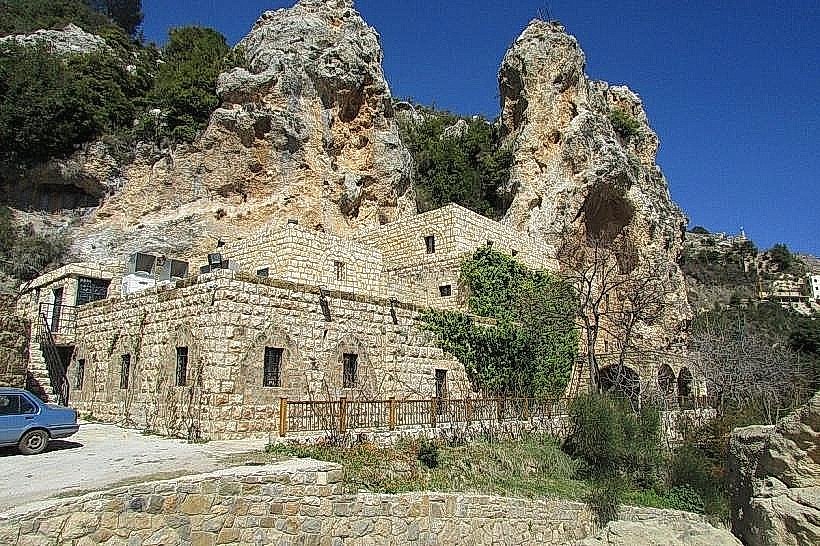
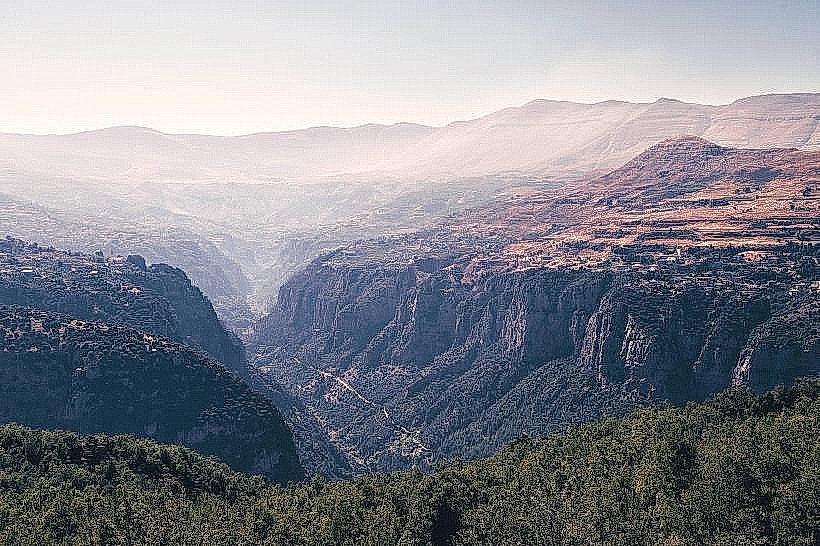
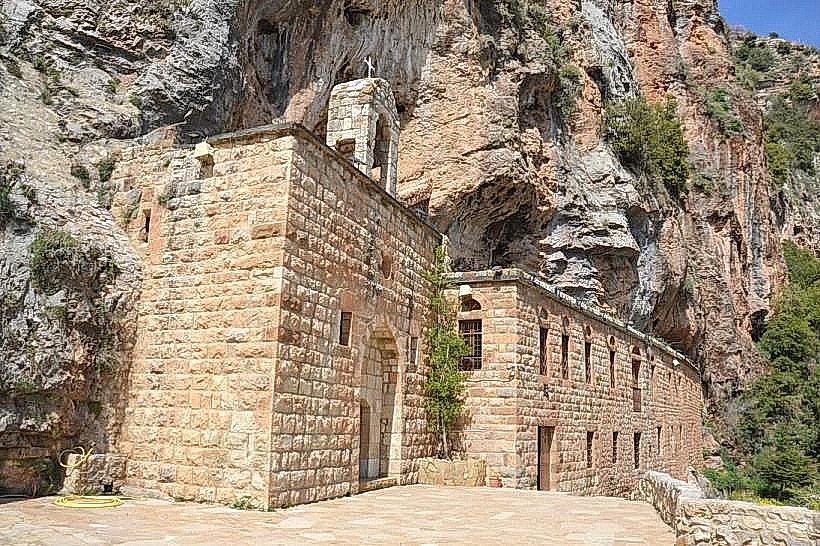
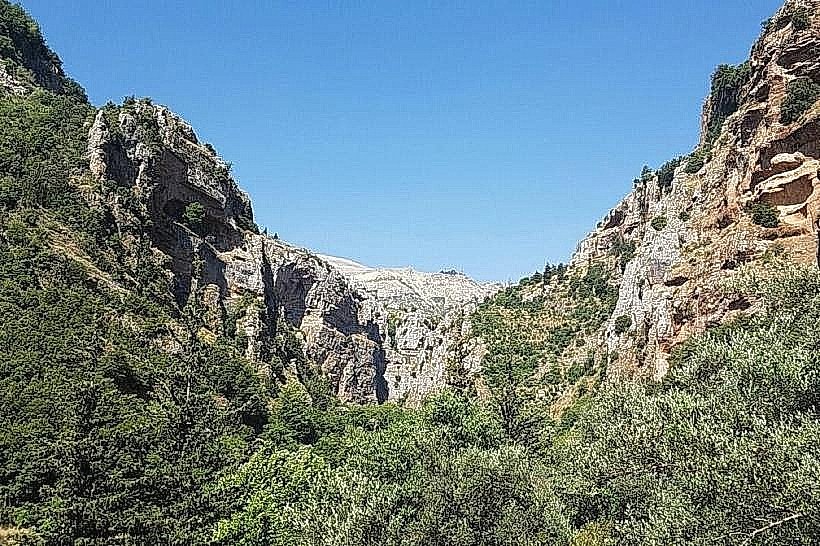
The Our Lady of Hawqa Monastery (Deir Saydet Hawqa) is an ancient, troglodytic Maronite Catholic sanctuary carved into a sheer vertical cliff face within the Qadisha Valley, near the village of Hawqa in the Bsharri District of North Lebanon Governorate. It stands as one of the most physically isolated hermitage sites in the Holy Valley and remains a functional place of erratic eremitic retreat and religious pilgrimage.
Visual Characteristics
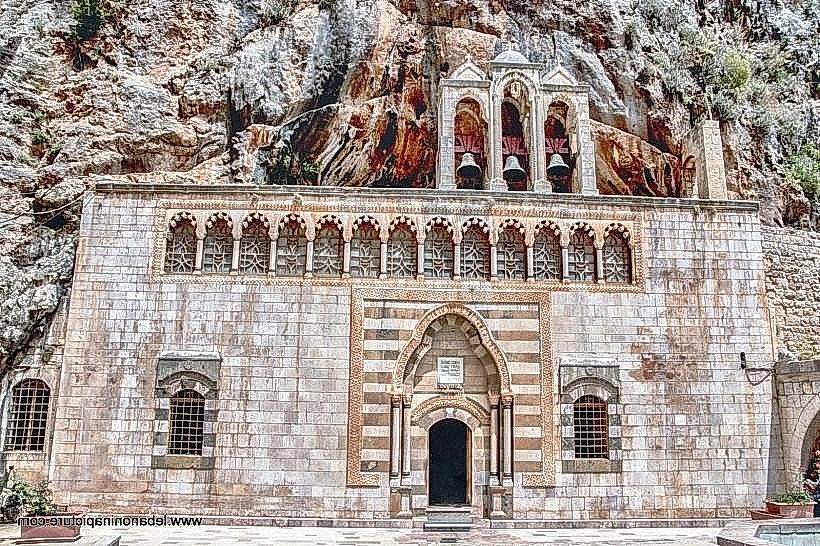
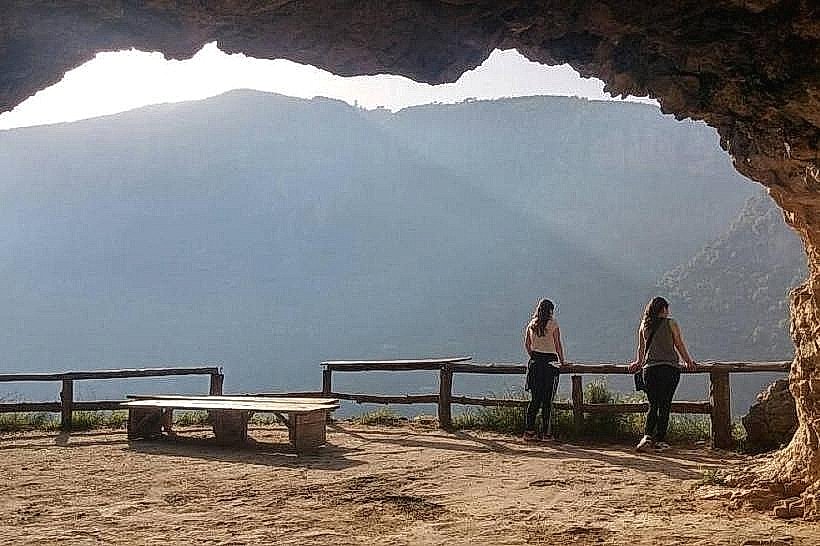
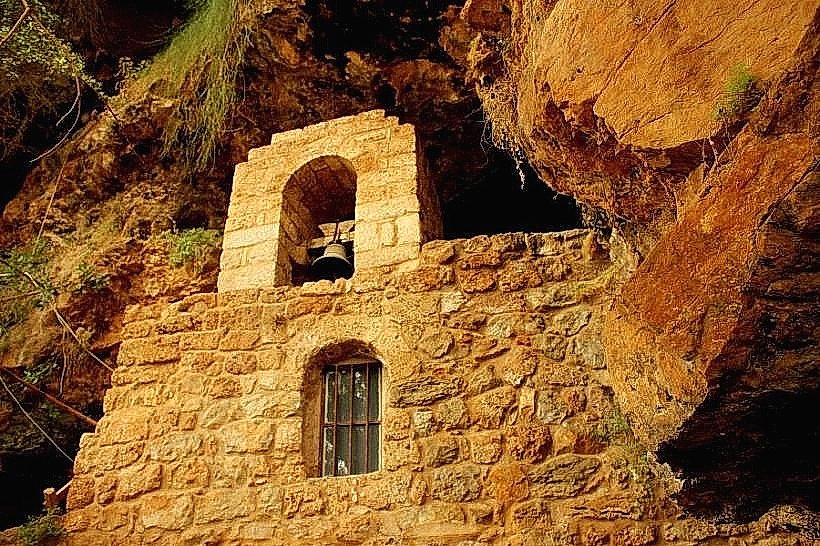
The monastery occupies a natural limestone cave aperture situated approximately 150 meters above the valley floor. The exterior is defined by an austere, single-story retaining wall built from roughly dressed local grey limestone that blends into the surrounding cliff face. The interior layout is exceptionally compact, consisting of a small rock-cut chapel measuring approximately 4 by 5 meters, a solitary hermit's cell, and a small natural water basin that collects continuous dripping groundwater from the cave ceiling.
Location & Access Logistics
The sanctuary is located on the steep northern slopes of the inner Qadisha Valley, roughly 112 kilometers northeast of Beirut. Accessing the trailhead requires driving from the coastal highway at Chekka up to the clifftop village of Hawqa. From the edge of the village, visitors must descend a steep, narrow pedestrian dirt switchback path cut into the limestone cliff; the hike requires approximately 30 to 45 minutes of rigorous walking. No vehicular infrastructure exists near the structure. Public transport is restricted to intercity buses dropping passengers at the Bsharri or Ehden highway links, requiring a private local taxi to reach the Hawqa trailhead.
Historical & Ecological Origin
The hermitage was established during the late 13th century, around 1283 CE, primarily utilized by ascetics seeking absolute isolation. Geologically, the site is a classic solutional karst cave formed within Upper Cretaceous limestone layers by historical sub-surface water channels. During regional military campaigns in the Mamluk era, the cave served as a secure defensive refuge for the local Christian population due to its position on a sheer vertical cliff face.
Key Highlights & Activities
Primary activities include architectural inspection of the rock-integrated masonry and viewing a collection of small historic icons inside the chapel. Visitors can observe a preserved 13th-century stone inscription written in the Syriac script located near the altar. The site is a key node along the lower Qadisha Valley hiking trail network, attracting experienced trekkers. The chapel is open for silent reflection, but visitors must respect the privacy of the resident hermit if the cell is occupied.
Infrastructure & Amenities
The site lacks all forms of modern visitor infrastructure; there are no public restrooms, electricity, or ticketing services available on the cliffside. Natural shade is complete inside the rock chapel and underneath the massive overhanging limestone cliff faces framing the path. Cellular network coverage (4G) is entirely absent within the cave and highly unstable along the approach trail. No food or beverage vendors operate within the valley gorge, requiring visitors to carry independent hydration and food supplies from Hawqa village.
Best Time to Visit
The optimal time for photography is during the early morning hours when the rising sun illuminates the northern cliff walls of the canyon before high-contrast shadows develop. The ideal months for visiting are from May to October when the steep pedestrian paths are dry and clear of mud. The winter season between December and April makes the cliffside trail hazardous due to heavy rainfall, snow accumulation, and the risk of localized rockfalls.
Facts & Legends
A verified historical detail is that this remote hermitage remains one of the few places in the world where the ancient eremitic tradition is actively maintained, occasionally hosting official hermits from the Lebanese Maronite Order who live in absolute solitude under modern ecclesiastical dispensation. Local historical records document that in 1283 CE, during a Mamluk siege of the cave, a local defender betrayed the refugees by leading attackers to the water source above the cliff, an event that led to the temporary abandonment of the sanctuary.
Nearby Landmarks
Deir Qannoubine: 1.8km Southeast
Monastery of Saint Elisha (Deir Mar Licha): 4.6km East
Monastery of Qozhaya: 3.5km Northwest
Our Lady of Chmeine Church: 2.2km North