Landmark: Saint Charbel Hermitage
City: Bcharre
Country: Lebanon
Continent: Asia
Saint Charbel Hermitage, Bcharre, Lebanon, Asia
The Saint Charbel Hermitage (Hermitage of Saints Peter and Paul) is a historic Christian sanctuary located on a high ridge above the village of Annaya within the Jbeil District of Mount Lebanon Governorate. It functions as the specific site where Saint Charbel Makhlouf, Lebanon's most prominent Maronite Catholic ascetic, spent the final 23 years of his life in absolute isolation until his death in 1898.
Visual Characteristics
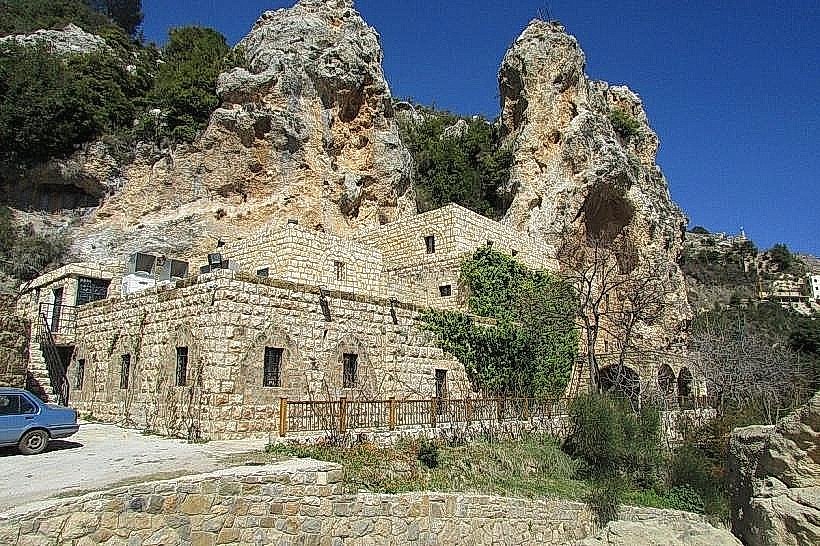
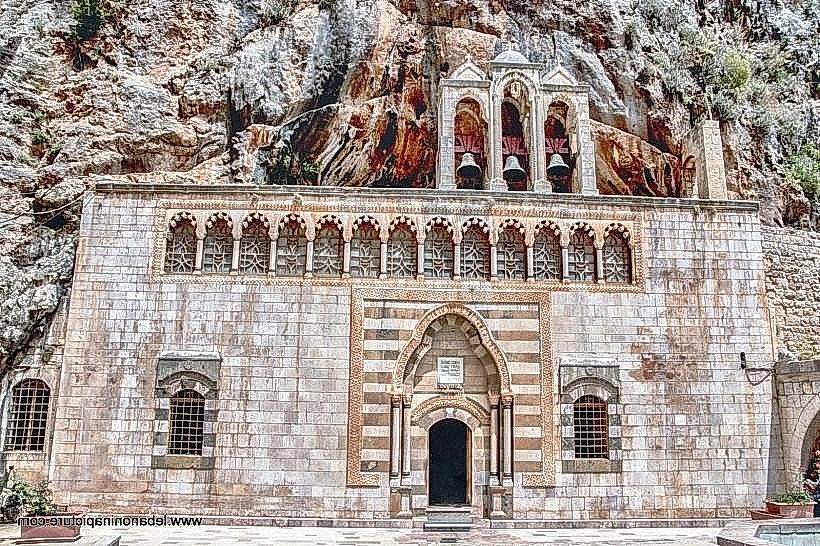
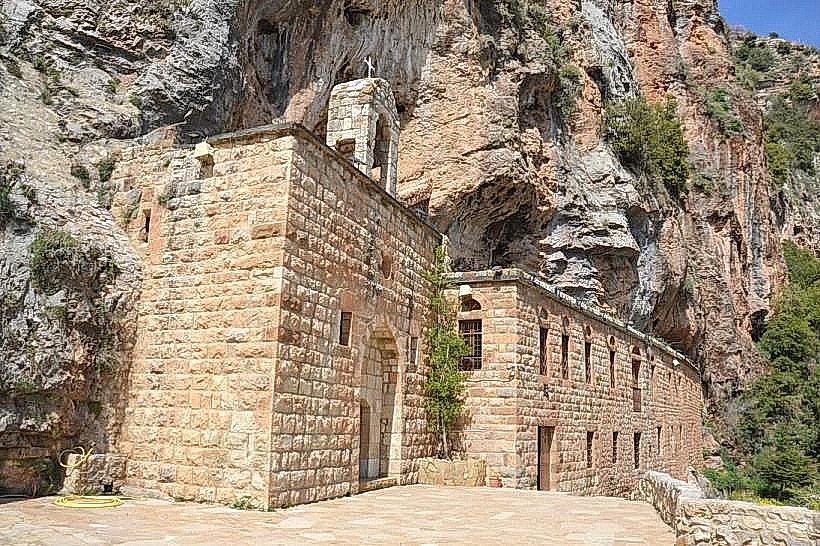
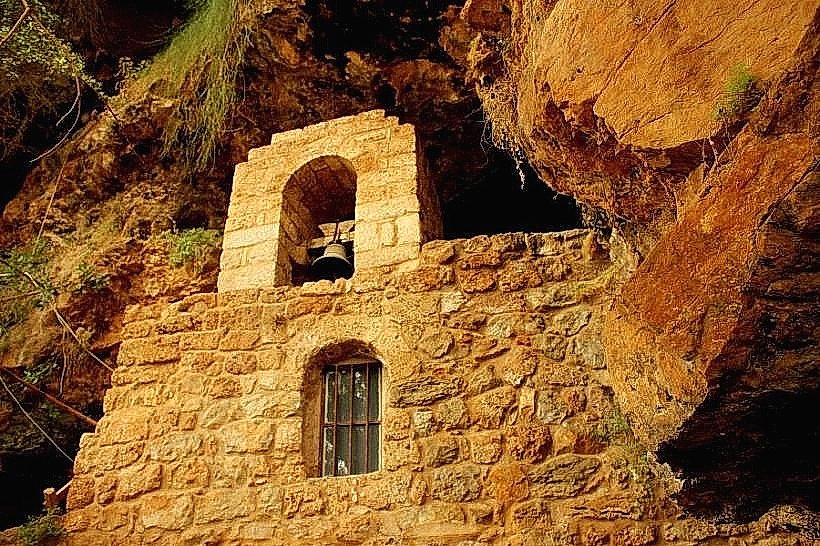
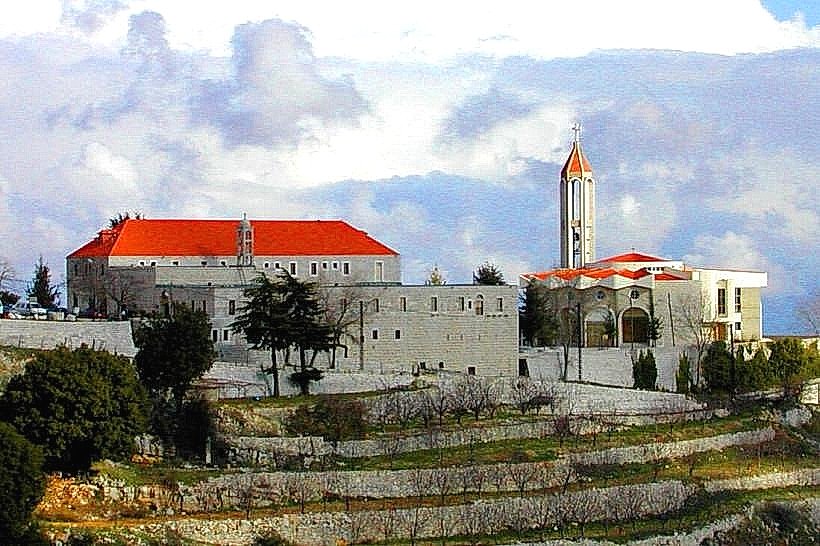
The hermitage is an austere, multi-room building constructed from rugged local limestone blocks and bound with lime mortar. Positioned at an elevation of approximately 1,300 meters above sea level, the exterior displays minimal decoration, featuring heavy stone walls, low doorways, and narrow rectangular windows designed to withstand alpine weather conditions. The internal layout contains a small, vaulted chapel dedicated to the Apostles Peter and Paul, alongside six individual monk cells characterized by bare stone floors, low ceilings, and basic timber furniture.
Location & Access Logistics
The site is situated on a prominent hilltop roughly 2 kilometers uphill from the Monastery of Saint Maron - Annaya, and approximately 52 kilometers northeast of Beirut. Access from the coastal highway at Byblos (Jbeil) involves ascending eastward for 17 kilometers along the paved, winding route toward Annaya. A dedicated paved parking lot is positioned near the base of the hill, from which visitors must ascend a wide, long set of pedestrian stone stairs to reach the entrance portal. Public transport is unavailable directly to the hill; travelers typically utilize coastal buses to Byblos and secure a private regional taxi for the remaining mountain transit.
Historical & Ecological Origin
The complex was initially built as a small monastery called the "Lord's Transfiguration" between 1798 and 1811 by two residents of Ehmej, Youssef Bou Ramya and Daoud Issa Khalife. In 1812, Maronite Patriarch Youhanna El Helou renamed the site to honor Saints Peter and Paul, and by 1814, ownership was transferred to the Lebanese Maronite Monastic Order. The structure transitioned into a dedicated hermitage around 1828. Saint Charbel entered this specific retreat on February 15, 1875, remaining there under vows of absolute silence, labor, and prayer until his death on December 24, 1898.
Key Highlights & Activities
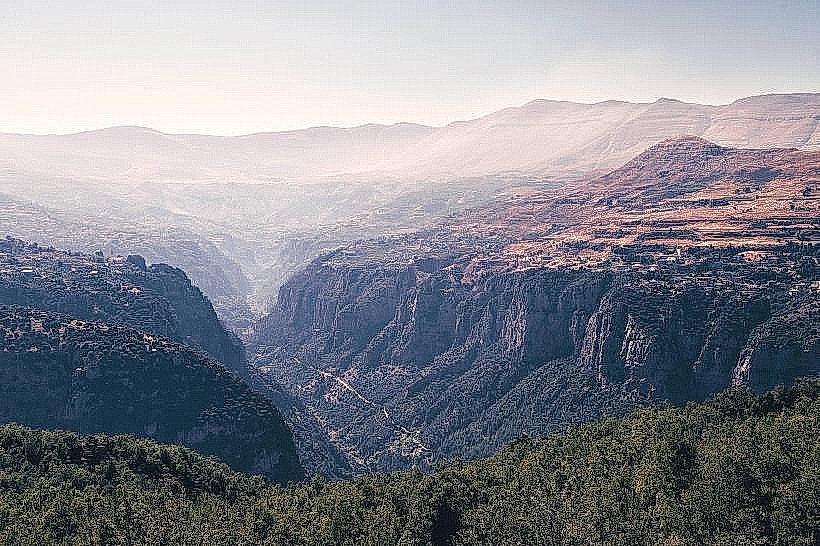
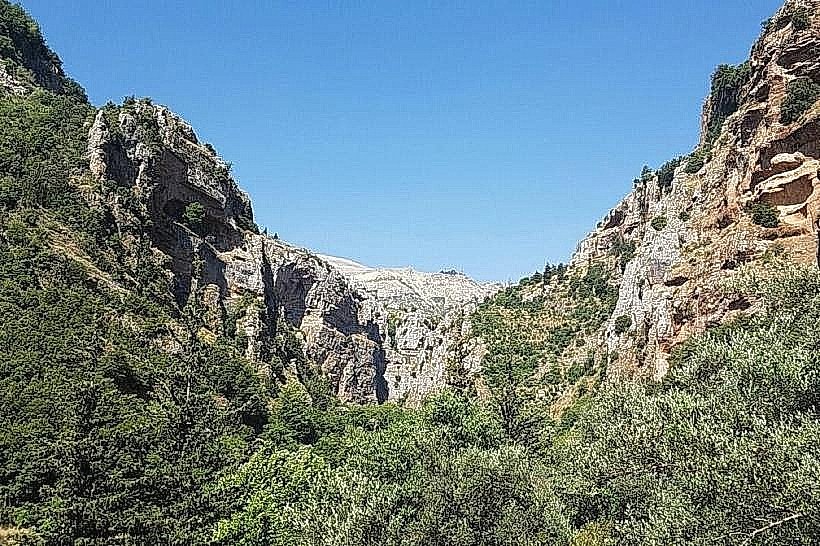
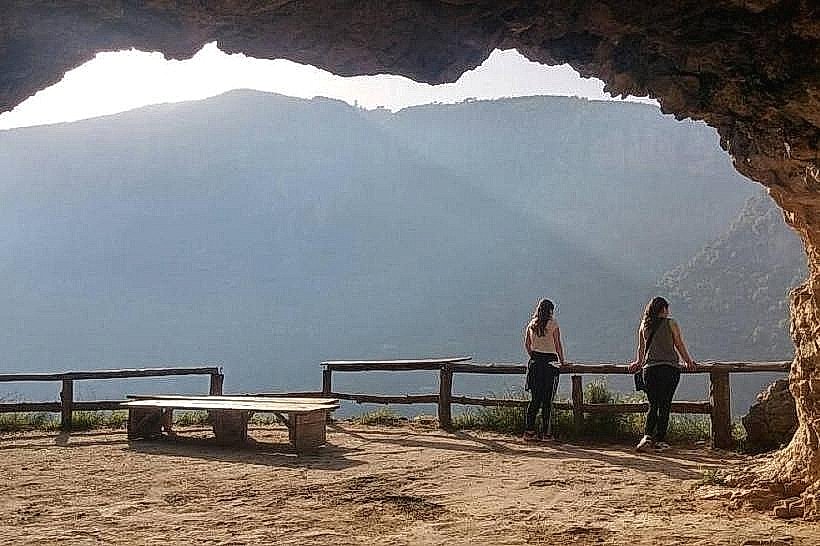
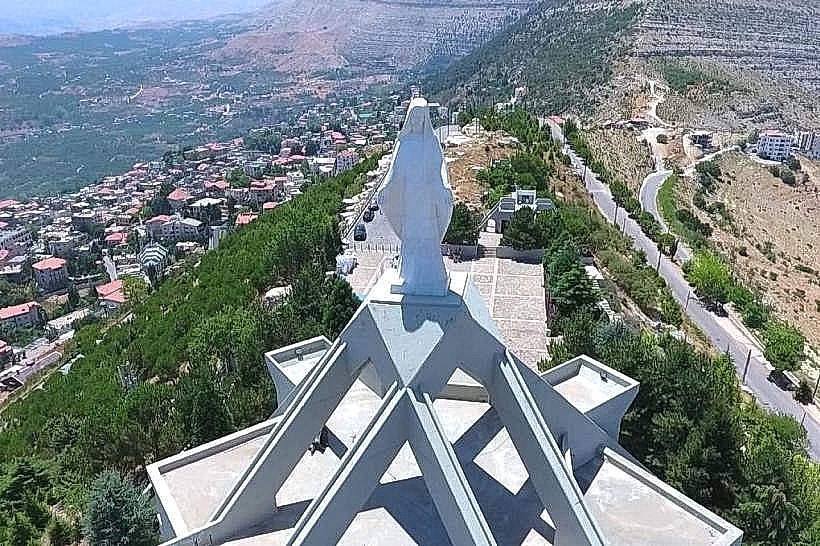
Primary activities focus on silent prayer, liturgical observation, and structural inspection of the historical cells. Visitors can view the specific preservation cell where Saint Charbel lived and died, containing his original straw bedding, wooden log pillow, and basic personal items. The adjacent vaulted chapel allows for reflection and viewing of historic Maronite icons. The open stone terraces surrounding the hermitage provide clear, panoramic vantage points for geographical observation of the Mount Lebanon range stretching down to the Mediterranean shoreline.
Infrastructure & Amenities
The entry courtyard and surrounding pathways are managed by the resident Maronite monks. Public restroom facilities are located externally near the lower parking zone and the entrance to the access stairs. Natural shade is sparse on the exposed hilltop terrace, but interior stone cells remain naturally cool and protected from solar exposure. Cellular network coverage (4G) is operational across the summit grounds, though signal consistency fluctuates inside the thick masonry structures. Small stalls selling traditional candles, incense, and religious medals operate near the base of the stairs, while full lodging and dining amenities are centered 2 kilometers away at the main Monastery of Saint Maron.
Best Time to Visit
The early morning hours from 08:00 to 10:00 provide the quietest conditions before large pilgrimage groups arrive, while late afternoon provides clear lighting for long-range coastal photography. The months of May through October offer optimal transit conditions, avoiding the sub-zero temperatures and heavy alpine snow accumulation that routinely affect the high-altitude site between December and April. The 22nd day of every monthly cycle features exceptional foot traffic due to an organized national pilgrimage procession.
Facts & Legends
A verified historical oddity associated with Charbel's entry into the hermitage is the "miracle of the lamp," where his monastic superior initially refused his transfer request until a monastery worker mistakenly filled Charbel's prayer lamp with water instead of olive oil, yet the lamp reportedly ignited and burned continuously through the night. The site features the exact altar where Saint Charbel suffered a fatal stroke on December 16, 1898, while reciting the traditional Maronite Eucharistic prayer: "Father of Truth, behold Your Son, the sacrifice in whom You are well pleased."
Nearby Landmarks
Monastery of Saint Maron - Annaya: 2.0km Southwest
Basilica of Saint Charbel: 2.1km Southwest
Church of Saints Joachim and Anne: 2.8km West
Our Lady of Deliverance Church (Kfarbaal): 3.5km Northwest