Landmark: Monastery of Qozhaya
City: Bcharre
Country: Lebanon
Continent: Asia
Monastery of Qozhaya, Bcharre, Lebanon, Asia
The Monastery of Saint Anthony of Qozhaya is a historic Maronite Catholic monastery located on a steep, wooded hillside within the northern branch of the Qadisha Valley, near the village of Arbet Kozhaya in the Zgharta District of North Lebanon Governorate. It stands as one of the oldest, largest, and most continuous monastic centers in the Holy Valley, serving as a functional religious sanctuary and a major center of Maronite heritage.
Visual Characteristics
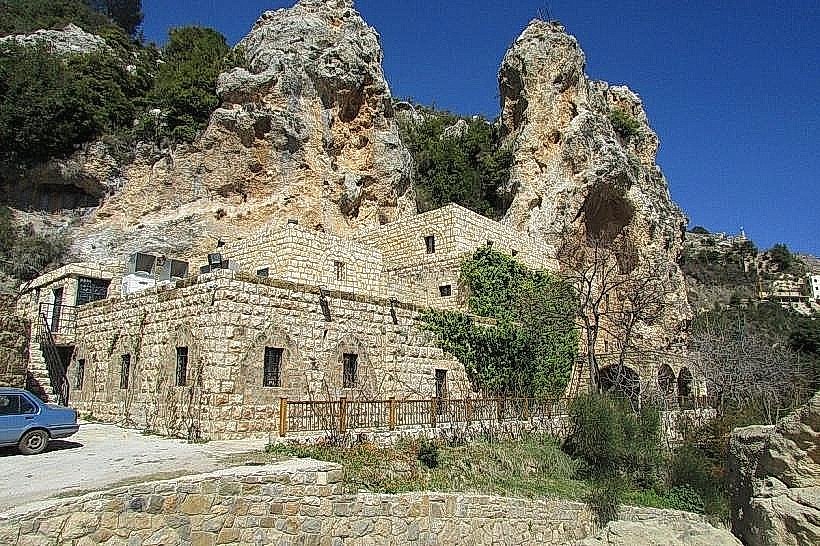
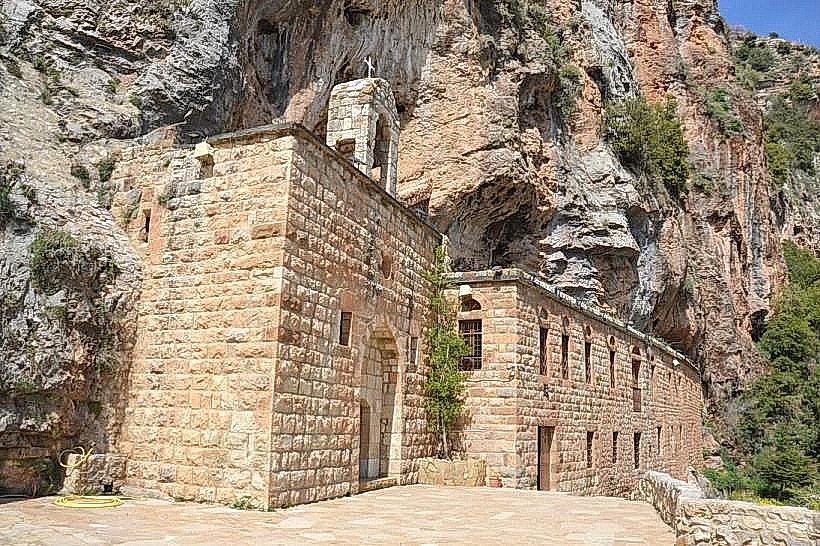
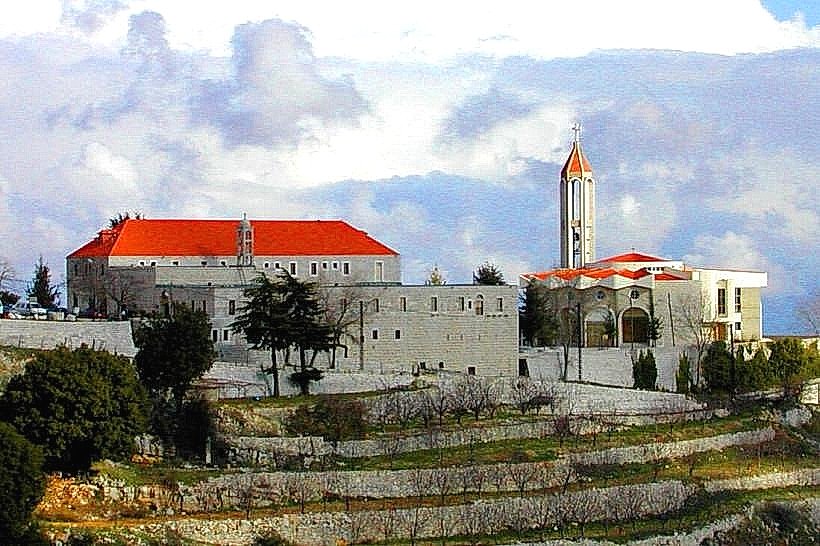
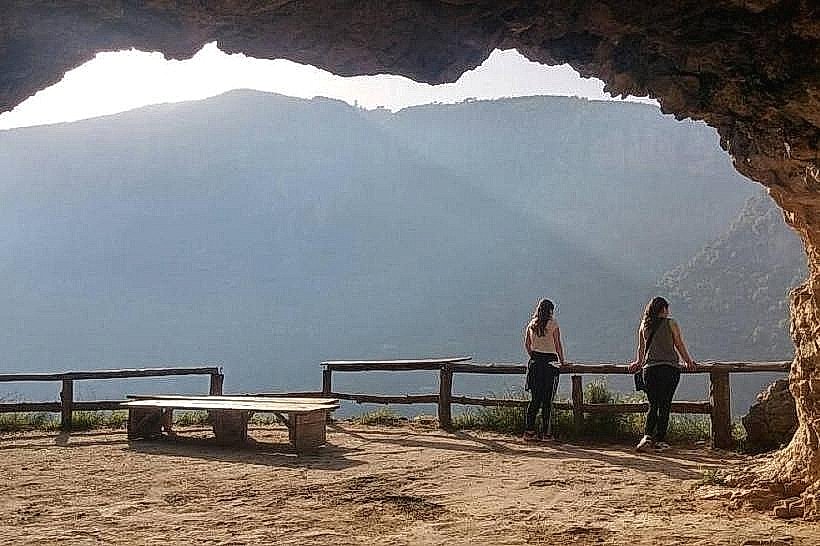
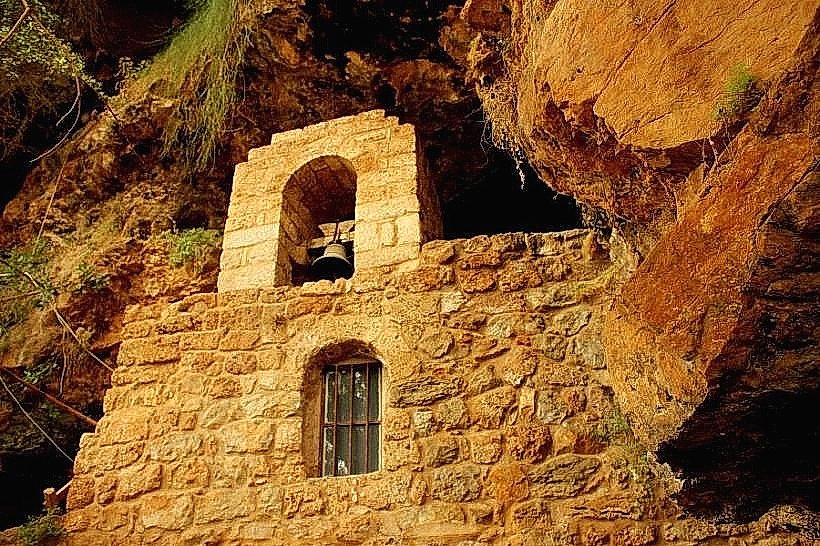
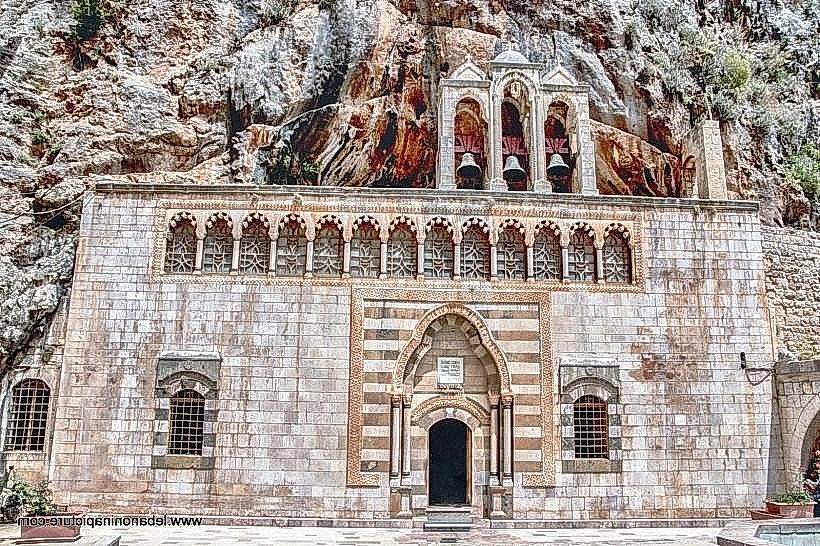
The monastery complex is built directly into the sheer limestone rock face, constructed from regional grey and beige masonry blocks that blend into the mountain landscape. The architecture features a multi-tiered fortress-like layout with thick structural walls, open-air stone arcades, and a prominent bell tower with an open-arched crown. The interior includes a main church with a heavy vaulted stone ceiling, an ornate altar backing into a natural rock wall, and the Cave of Saint Anthony, a deep natural grotto extending into the mountain where iron chains hang from the damp stone surfaces.
Location & Access Logistics
The sanctuary is positioned approximately 87 kilometers northeast of Beirut and 20 kilometers east of Zgharta. Access from Beirut is via the northern coastal highway to Chekka, turning inland toward Amioun and Ehden, and taking the designated mountain road descending into the Qozhaya gorge. A large, paved private parking lot is located directly at the main entrance gate of the monastery pavilion. Public transportation is restricted to intercity buses from Beirut to Ehden or Bsharri, requiring a private local taxi to complete the final 15-minute descent into the valley floor.
Historical & Ecological Origin
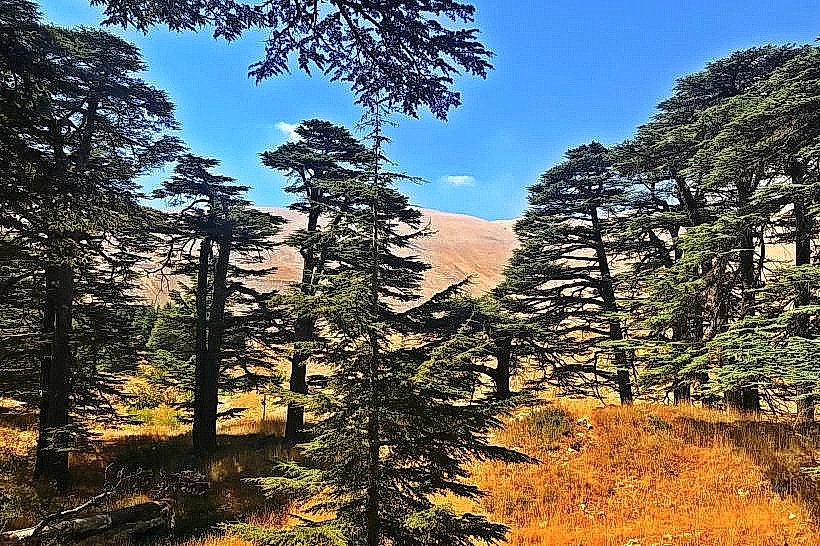
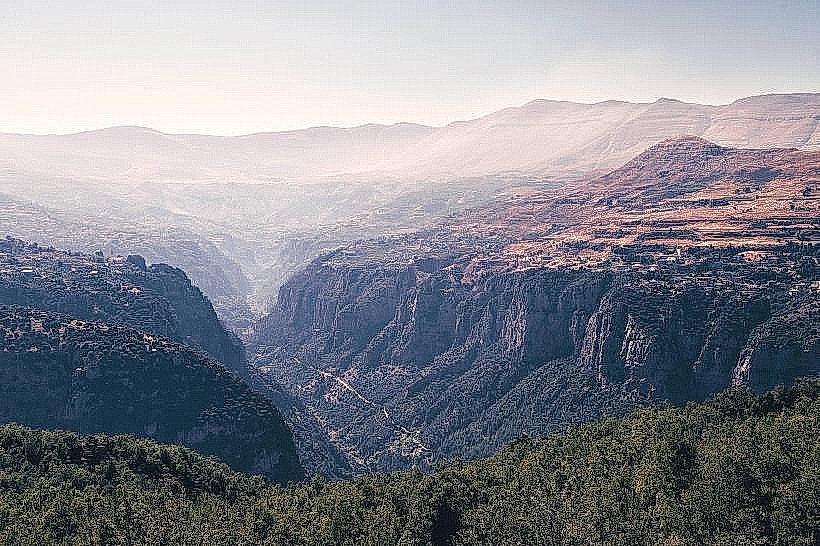
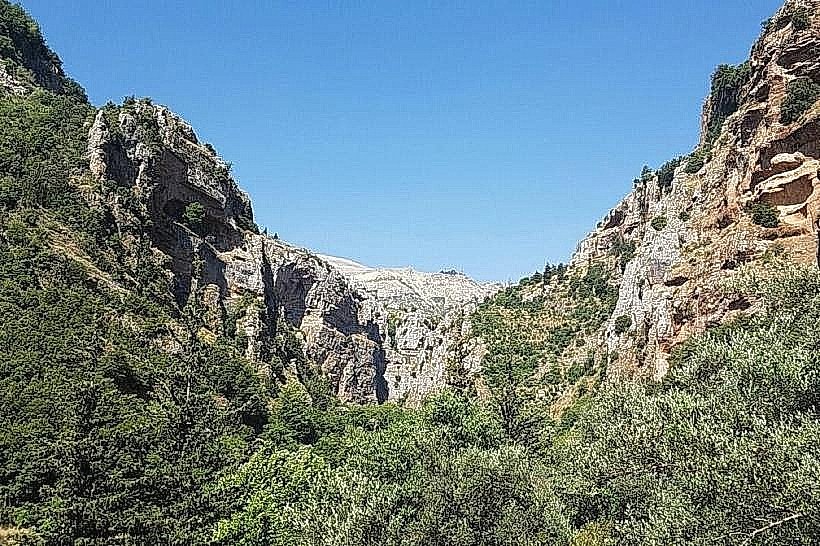
Monastic activity at the site dates back to the 4th century CE, established by early Christian hermits who utilized the valley's natural karst topography for isolation. The current structural layout was expanded and fortified during the 11th and 12th centuries under Crusader influence, and underwent comprehensive reconstruction in 1708 CE when it was transferred to the Lebanese Maronite Order. The complex sits within a deep limestone gorge formed by the Qozhaya River, surrounded by dense Mediterranean oak, pine, and terraced agricultural plots.
Key Highlights & Activities
Primary visitor activities include touring the historic vaulted church, viewing the natural grotto chapel, and inspecting the on-site monastic museum. The museum houses a collection of ancient liturgical vestments, sacred vessels, hand-written manuscripts, and the historic printing press. Visitors can also walk along the paved exterior terraces to observe the architectural integration of the building into the cliffside, or hike the surrounding nature trails that connect to the broader valley network.
Infrastructure & Amenities
The entry complex features a dedicated visitor reception center, a religious gift shop, and public restroom facilities. Shade is abundant within the inner stone cloister, the deep rock grotto, and beneath the mature trees filling the outer courtyards. Cellular network coverage (4G) is operational within the main entrance area but degrades significantly inside the thick vaulted stone chambers and the natural cave interior. A small cafeteria operates on the monastery grounds during daytime hours, with full dining options located 6 kilometers away in Ehden.
Best Time to Visit
The optimal hours for photography are during the mid-morning when the sun illuminates the deep gorge and directly strikes the monastery's northern and western facades. The months from April to November offer stable road conditions and clear weather for exploring the valley region. The spring season (April and May) is particularly favorable for viewing the seasonal waterfalls and high water volumes in the adjacent valley riverbeds.
Facts & Legends
A verified historical fact is that this monastery housed the first printing press in the Middle East, which was imported from Europe in the late 16th century and used to publish the Book of Psalms in 1585 CE utilizing Syriac characters. Local lore surrounding the Cave of Saint Anthony maintains that the grotto possesses miraculous healing properties, historically prompting families to chain mentally ill individuals to the cave walls overnight in the belief that the patron saint would restore their sanity by morning.
Nearby Landmarks
Horsh Ehden Nature Reserve: 3.8km Northeast
Old Souk of Ehden (Midane): 4.2km Northeast
Monastery of Saint Elisha (Deir Mar Licha): 4.8km Southeast
Qadisha Valley (Wadi Qadisha): 1.2km South