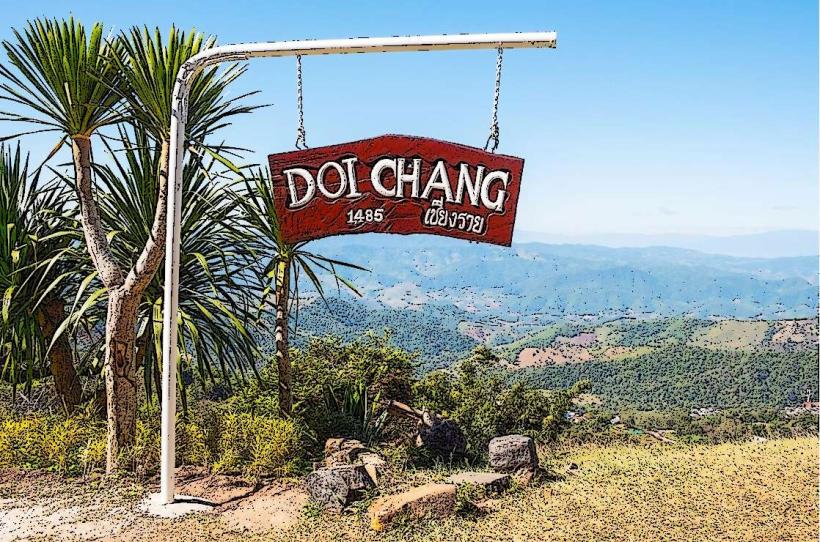
Landmark: Doi Chang Coffee Plantations
City: Gulf of Thailand
Country: Thailand
Continent: Asia
Doi Chang Coffee Plantations, Gulf of Thailand, Thailand, Asia
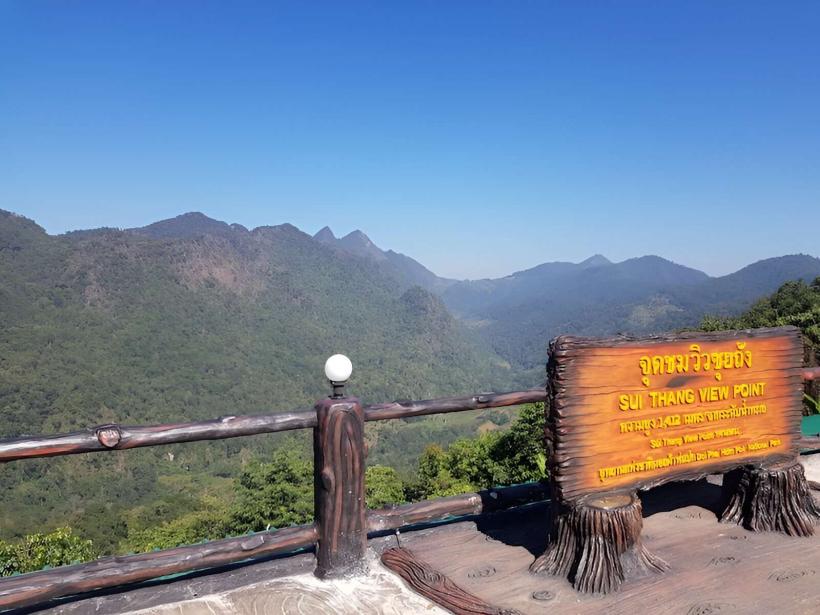
The Doi Chang Coffee Plantations are located in the northern mountainous region of Thailand, specifically in Chiang Rai Province.
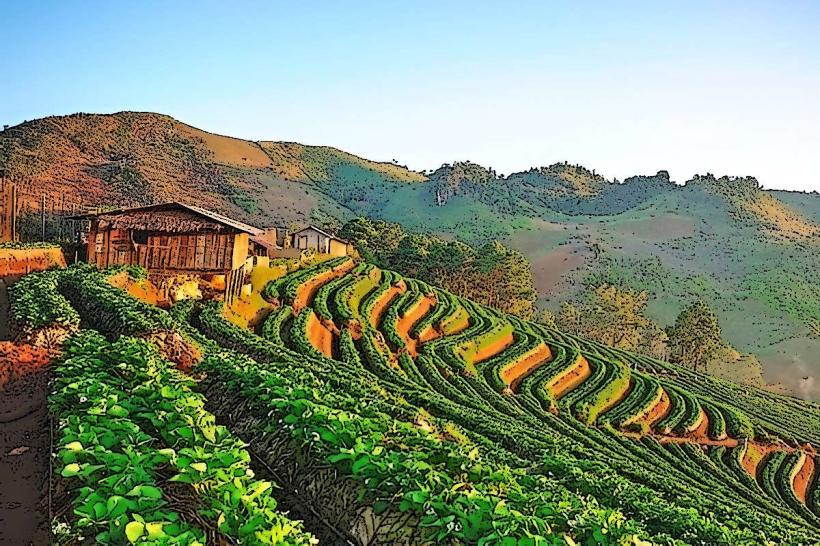
This area is characterized by its undulating terrain and fertile soil, supporting extensive coffee cultivation.
Visual Characteristics
The plantations consist of terraced hillsides covered in coffee plants, typically exhibiting dark green, glossy leaves. The plants themselves are shrubs or small trees, varying in height from 1 to 3 meters. Interspersed are shade trees, often fruit-bearing varieties, which contribute to the ecosystem. The soil is generally dark brown to black, indicating high organic content. During harvest season, red coffee cherries are visible on the branches.
Location & Access Logistics
Doi Chang is situated approximately 50 kilometers west of Chiang Rai city. Access is primarily via Highway 1 (Phahonyothin Road) heading north, then turning west onto Highway 1020 towards Mae Suai. From Mae Suai, local roads lead into the Doi Chang area. The final approach involves winding mountain roads. Parking is available at designated areas within the plantation estates, often near processing facilities or visitor centers. Public transport directly to Doi Chang is limited; travelers typically arrange private transport or join organized tours from Chiang Rai.
Historical & Ecological Origin
Coffee cultivation in the Doi Chang region began in the late 20th century, driven by government initiatives to promote alternative crops and improve the livelihoods of local hill tribes. The area's elevation, ranging from 800 to 1,500 meters above sea level, and its specific microclimate are conducive to growing Arabica coffee varieties. The ecological origin is a tropical monsoon forest ecosystem, adapted for agriculture through terracing and shade-grown practices.
Key Highlights & Activities
Visitors can participate in guided walking tours through the coffee fields to observe cultivation methods. Coffee tasting sessions are offered at various processing facilities, allowing sampling of different roasts and origins. Educational exhibits detail the coffee production process from bean to cup. Some estates offer opportunities to learn about local agricultural practices and interact with farmers. Photography of the landscape and cultivation is a common activity.
Infrastructure & Amenities
Basic infrastructure includes visitor centers, coffee shops, and small processing units. Restrooms are available at most visitor facilities. Shade is provided by the canopy of coffee plants and shade trees. Cell phone signal (4G) is generally available in the main visitor areas but can be intermittent on remote trails. Food vendors are typically located within the visitor centers or associated cafes, offering local snacks and beverages.
Best Time to Visit
The best time for weather is during the cool, dry season, from November to February. This period offers pleasant temperatures for outdoor activities. The coffee harvest season, typically from November to March, provides the opportunity to see the cherries. For photography, early morning light offers soft illumination across the terraces, while late afternoon provides warmer tones.
Facts & Legends
A notable fact is that Doi Chang is one of Thailand's primary regions for producing high-quality Arabica coffee, contributing significantly to the country's specialty coffee market. A local legend speaks of the mountain's spirit protecting the coffee plants, ensuring a bountiful harvest for those who respect the land.
Nearby Landmarks
- Mae Suai Waterfall (15km Southeast)
- Doi Mae Salong (30km West)
- Chiang Rai City Center (50km East)
- Wat Rong Khun (White Temple) (55km East)
- Golden Triangle (80km Northeast)