Landmark: Mbour Artisanal Market
City: Mbour
Country: Senegal
Continent: Africa
Mbour Artisanal Market, Mbour, Senegal, Africa
The Mbour Artisanal Market is a dedicated commercial complex for traditional Senegalese crafts located in the coastal city of Mbour. It is situated on the northern edge of the city, serving as a primary point of trade between local artisans and the tourism corridor of the Petite Côte.
Visual Characteristics
The market consists of a series of open-air and semi-enclosed wooden stalls and masonry boutiques arranged in a dense grid. It is visually defined by high volumes of dark tropical woods (ebony and mahogany), brightly dyed batik textiles, and polished bronze sculptures. The atmosphere is characterized by the sound of rhythmic wood carving and the scent of leather tanneries, with sand-covered walkways connecting the various artisanal sectors.
Location & Access Logistics
The market is positioned along the N1 National Road, approximately 2.0km north of the Mbour Fish Market. Access from the Saly Portudal resort area is a 10-minute drive via the Boulevard de la Pyramide. Public transport is available via "Jakarta" motorcycle taxis or yellow-and-black urban taxis. There is no formal paved parking lot; vehicles typically park on the wide dirt shoulders of the N1 road directly in front of the entrance.
Historical & Ecological Origin
Established in the late 20th century, the market was created to centralize the disparate artisanal workshops of the Mbour region into a single commercial hub. The site occupies a flat, sandy coastal terrace. The materials used in the crafts-such as cowrie shells, goat leather, and various hardwoods-reflect the ecological diversity of the Senegalese interior and maritime zones.
Key Highlights & Activities
Visitors can observe live demonstrations of wood carving using traditional adze tools and hand-stitching of leather footwear. Specialized sections offer custom-tailored clothing made from wax-print fabrics. The market is also a center for the sale of traditional musical instruments, specifically the djembe and kora, with many stalls offering basic introductory lessons to prospective buyers.
Infrastructure & Amenities
The market infrastructure is basic, consisting of permanent stalls with corrugated iron or thatched roofs. There are no public restrooms within the market perimeter, though facilities are available in nearby gas stations and cafes along the N1. 4G and 5G cellular signals are consistently strong. Shade is abundant within the stall interiors but limited in the central walkways. Small vendors selling "Café Touba" and bottled water are located at the main entrance.
Best Time to Visit
The market is most active from 10:00 to 18:00 daily. For a quieter experience with less pedestrian traffic, weekday mornings (10:00–12:00) are recommended. Photography is best in the early afternoon when the sun is directly overhead, illuminating the intricate details of the wood carvings within the shaded stalls. The market remains open year-round, though activity increases significantly during the dry season (November–May).
Facts & Legends
A unique feature of this market is the "Barter Tradition," where artisans occasionally trade goods with one another to diversify their inventory. Local lore suggests that certain carved masks are created following specific spiritual protocols to ensure they bring good fortune to the household they eventually occupy. It is one of the few places in Senegal where you can find "Sand Paintings" created using varied shades of natural volcanic and desert sands.
Nearby Landmarks
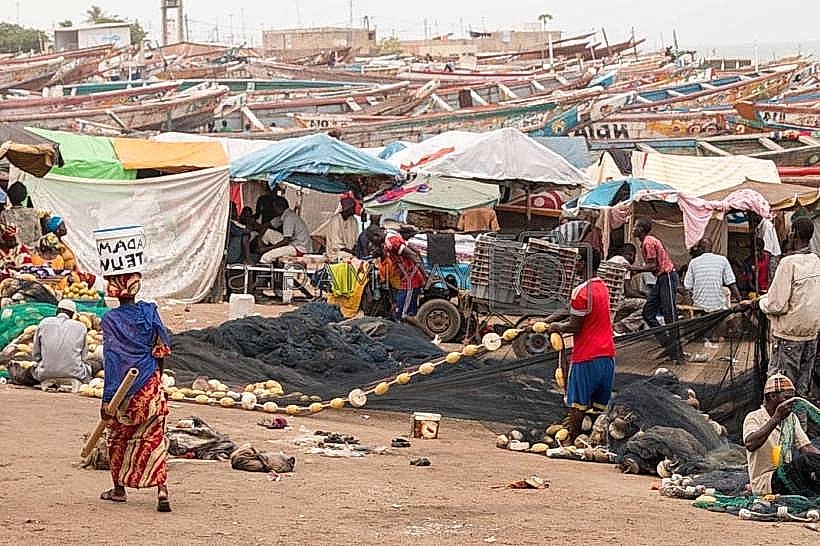
Mbour Fish Market – 2.0km South
Saly Center Shopping Mall – 4.5km Northwest
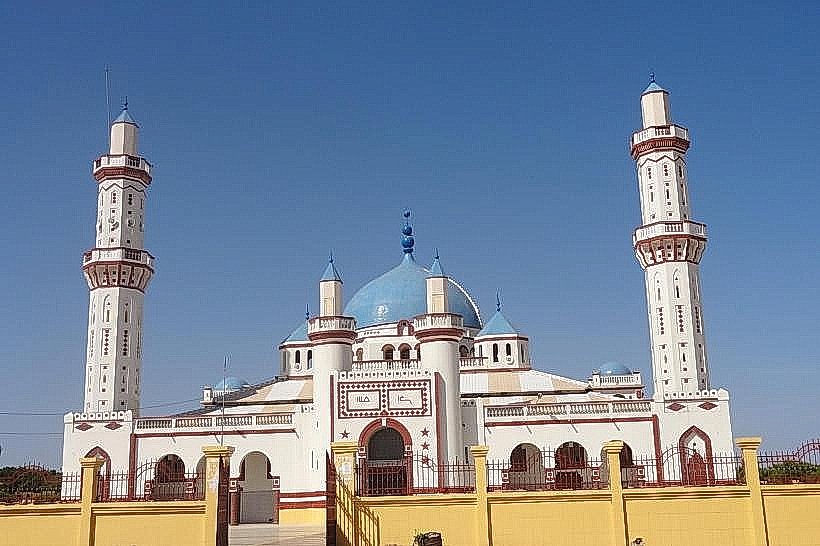
Grand Mosquée de Mbour – 1.8km Southeast
Mbour Gare Routière – 1.2km East