Landmark: Nianing Church
City: Mbour
Country: Senegal
Continent: Africa
Nianing Church, Mbour, Senegal, Africa
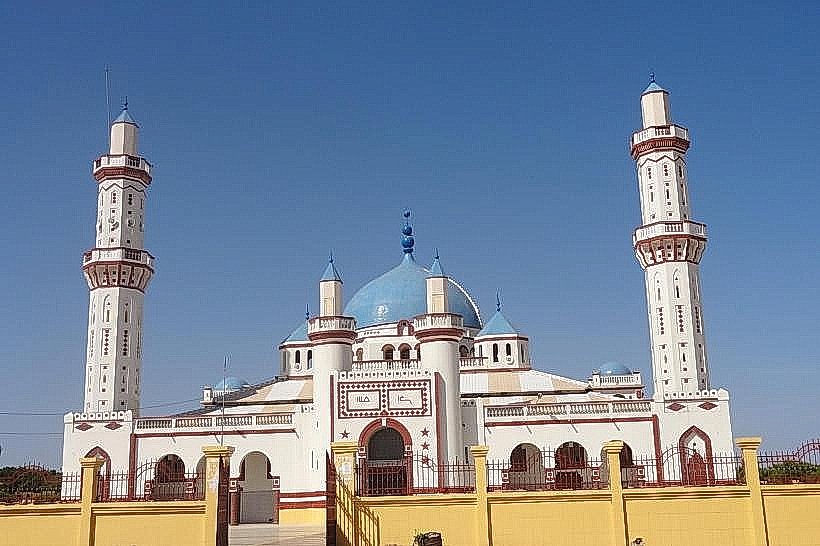
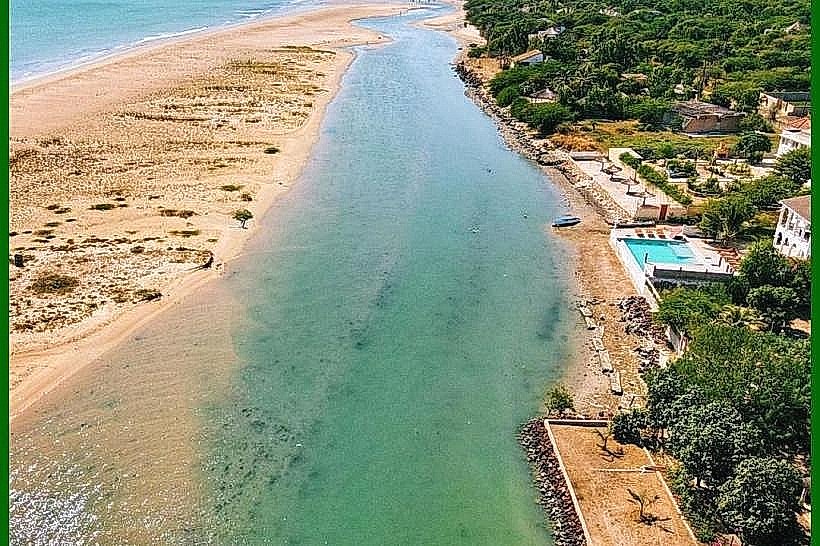
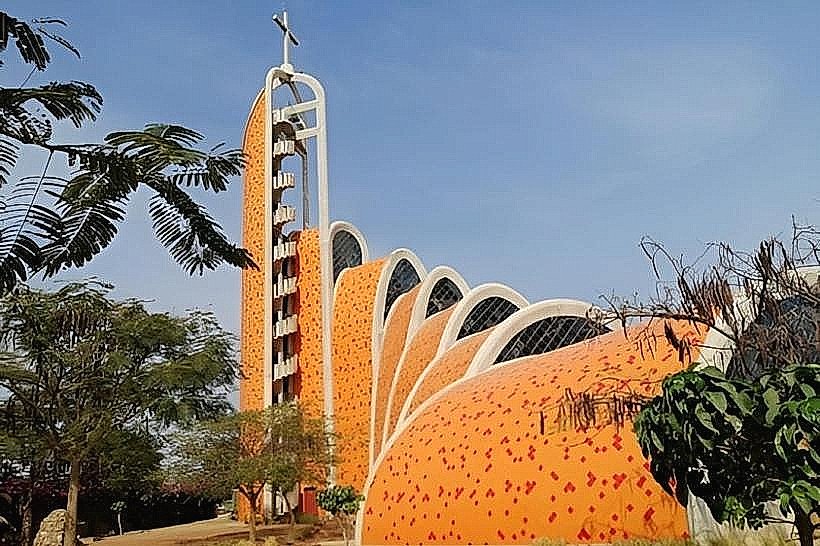
The Nianing Church (officially the Church of the Epiphany of Nianing is a Roman Catholic place of worship located in the coastal village of Nianing. It is situated along the Petite Côte, approximately 10km south of Mbour in the Thiès Region.
Visual Characteristics
The building is a modern architectural landmark defined by its shell-like, spiraling exterior inspired by the form of a Cymbium sea snail. The structure is composed of reinforced concrete finished in a textured, sand-colored plaster that integrates with the surrounding coastal environment. Inside, the ceiling features a complex ribbed vaulting system that mimics the interior of a seashell, while narrow vertical windows and a central skylight provide controlled natural illumination of the altar area.
Location & Access Logistics
The church is positioned directly off the N1 National Road, which serves as the primary artery connecting Mbour to Joal-Fadiouth. It is approximately a 15-minute drive from the center of Mbour. Public transport is available via "sept-place" station wagons or local Ndiaga Ndiaye buses traveling the Mbour–Joal axis. There is an unpaved open area adjacent to the church entrance that serves as informal parking for private vehicles and tour buses.
Historical & Ecological Origin
Inaugurated in 2018, the church was designed by the architectural firm Nicolas Vernoux-Thélot (In Situ Architecture) to replace a smaller, aging chapel. The design was specifically conceived to utilize bioclimatic principles, using the building's thermal mass and natural ventilation through the "shell" apertures to maintain cool internal temperatures without air conditioning. It sits on a stabilized sandy terrace typical of the Senegalese littoral zone.
Key Highlights & Activities
The church is an active parish where Sunday Mass is the primary religious event, often featuring traditional choral music in French and Wolof. Due to its unique shell-inspired geometry, it has become a significant site for architectural tourism and photography. The surrounding landscaped grounds include a small courtyard and paths used for quiet reflection and community gatherings.
Infrastructure & Amenities
The facility includes a main nave capable of seating several hundred parishioners, a sacristy, and basic sanitation facilities located in an adjacent building. Shade is abundant within the thick-walled interior of the church. 4G and 5G cellular signals are reliable throughout the site. While there are no food vendors on the immediate church grounds, several small shops and "cabanes" selling refreshments are located within a 200-meter walk along the N1 road.
Best Time to Visit
The best time for interior photography is during the mid-morning (09:00–11:00) when sunlight enters through the vertical slits and the zenithal opening. For external views, the late afternoon provides soft lighting on the textured sand-colored walls. Visitors should be mindful of scheduled religious services, during which sightseeing and photography are restricted to maintain the sanctity of the space.
Facts & Legends
The church's design won several international architecture awards for its innovative use of "biomimicry," specifically how it translates the mathematical spiral of a seashell into a functional liturgical space. Local residents often refer to it as the "Church of the Shell," and it is considered a symbol of the modern renewal of the Catholic mission in the Mbour region.
Nearby Landmarks
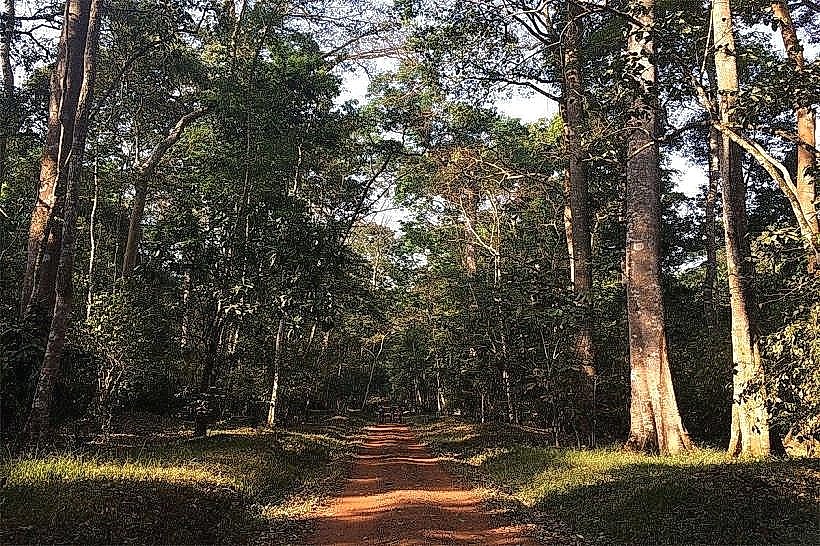
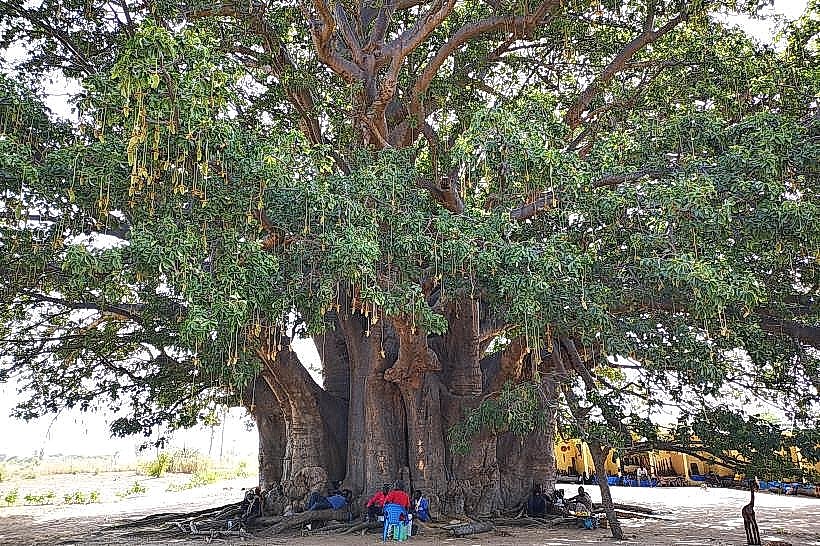
Forêt de Nianing – 1.5km East
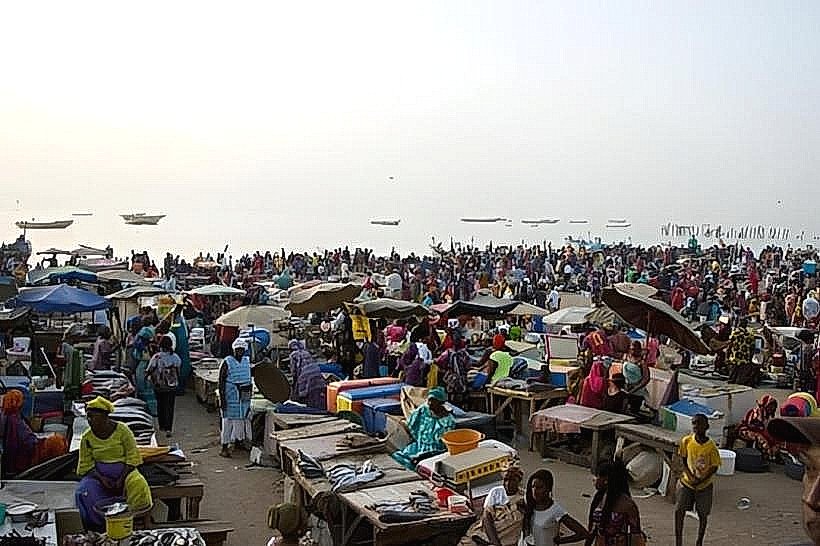
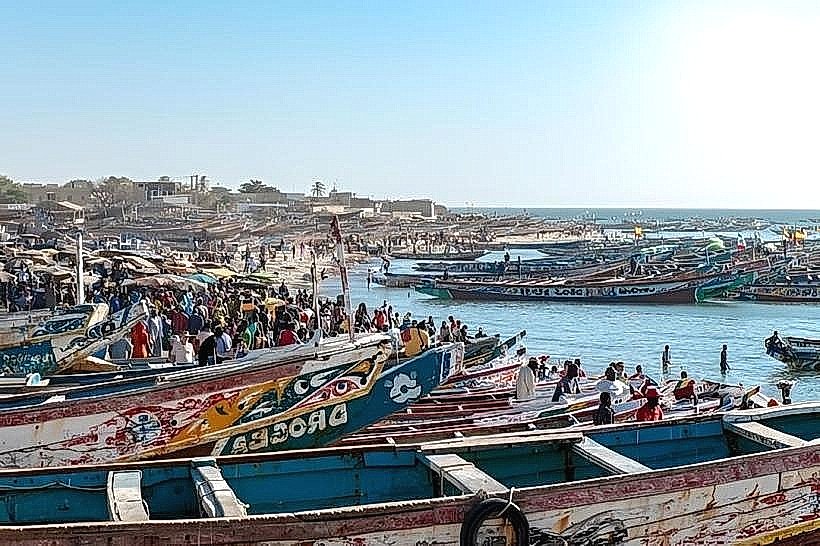
Mbour Fish Market – 9.5km North
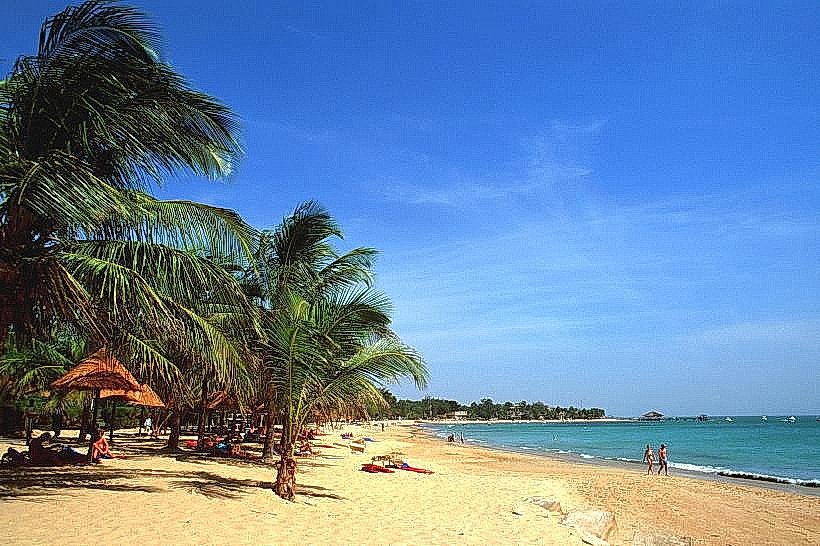
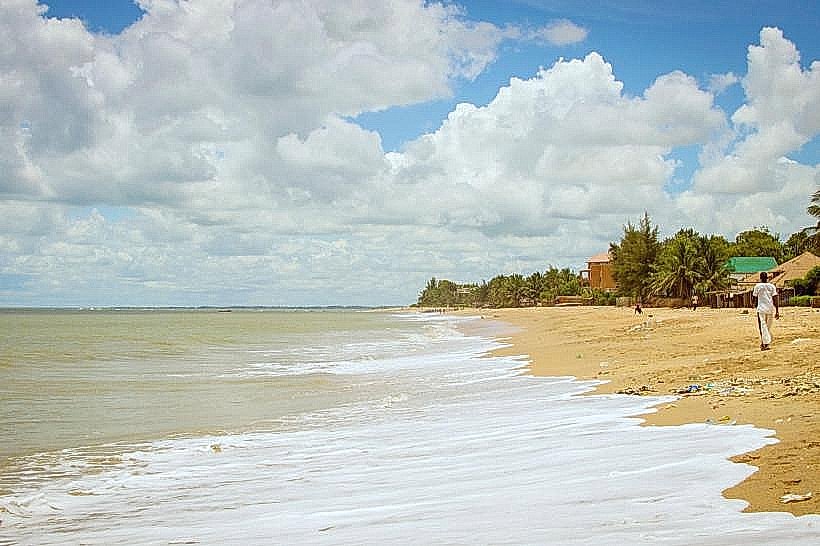
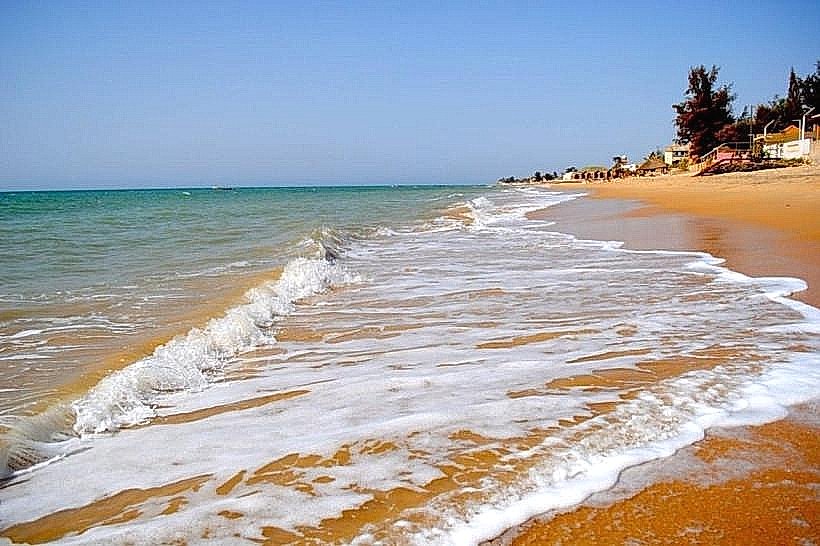
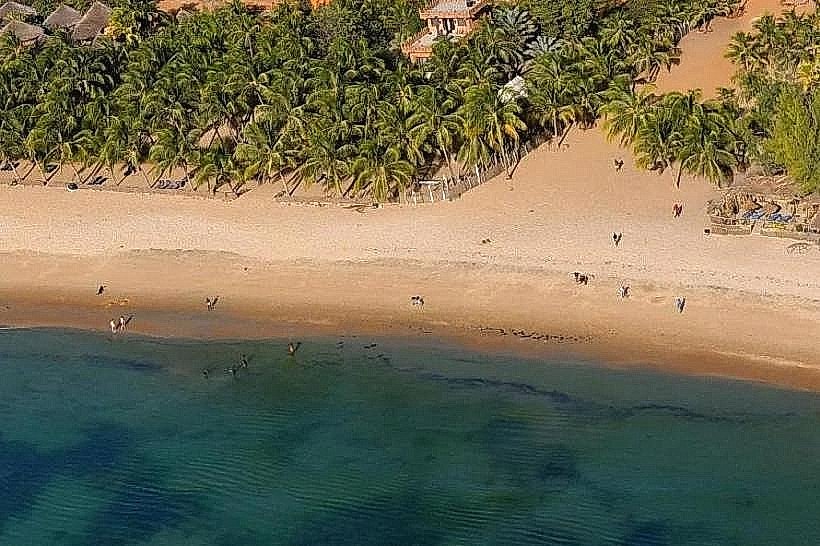
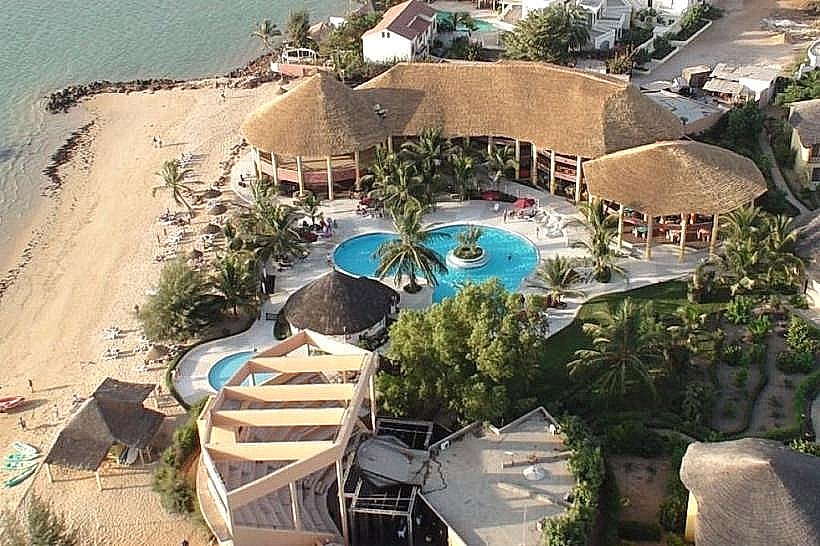
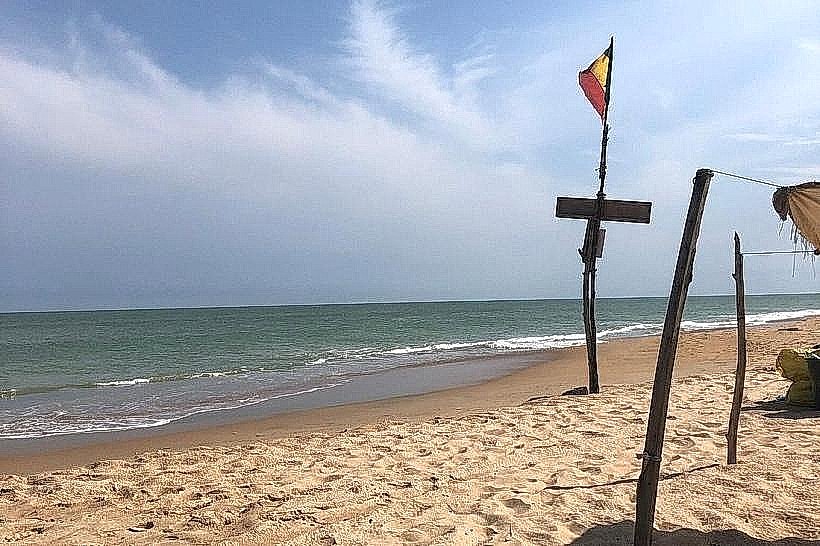
Nianing Beach – 0.6km West
Joal-Fadiouth (Shell Island) – 22.0km South