Landmark: Mbour Fish Market
City: Mbour
Country: Senegal
Continent: Africa
Mbour Fish Market, Mbour, Senegal, Africa
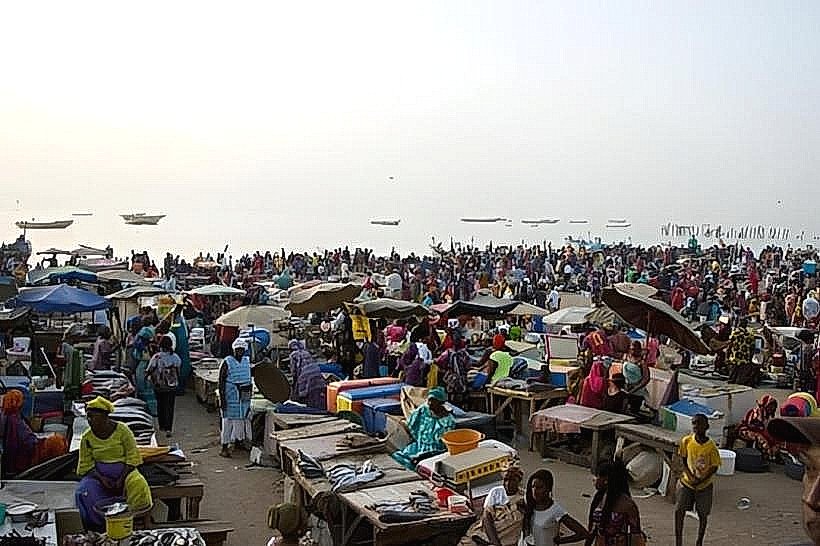
The Mbour Fish Market (Marché aux Poissons de Mbour is a high-density artisanal fishing port and commercial hub situated on the Atlantic coast of Mbour. It functions as one of the largest centers for traditional maritime commerce in West Africa, processing hundreds of tons of seafood daily.
Visual Characteristics
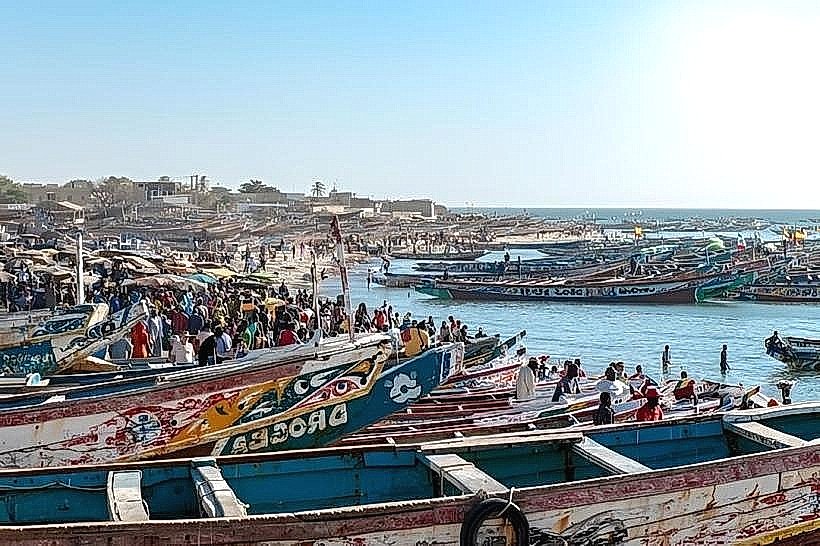
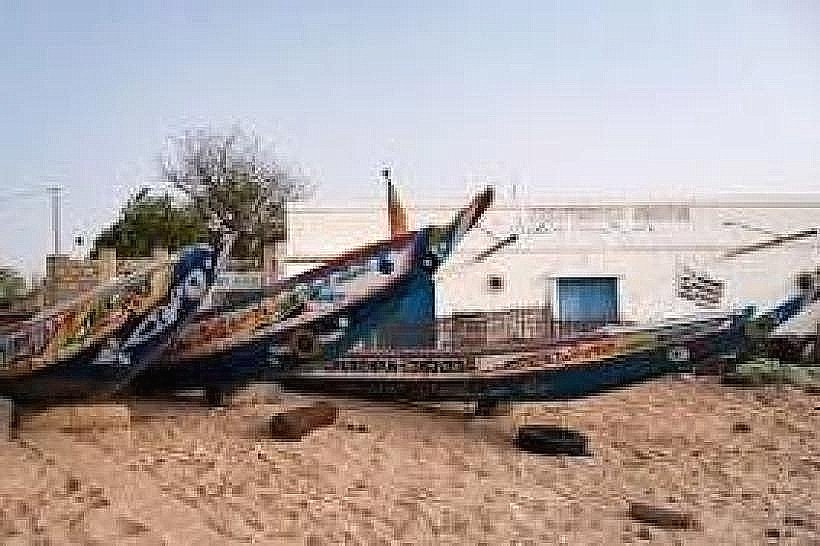
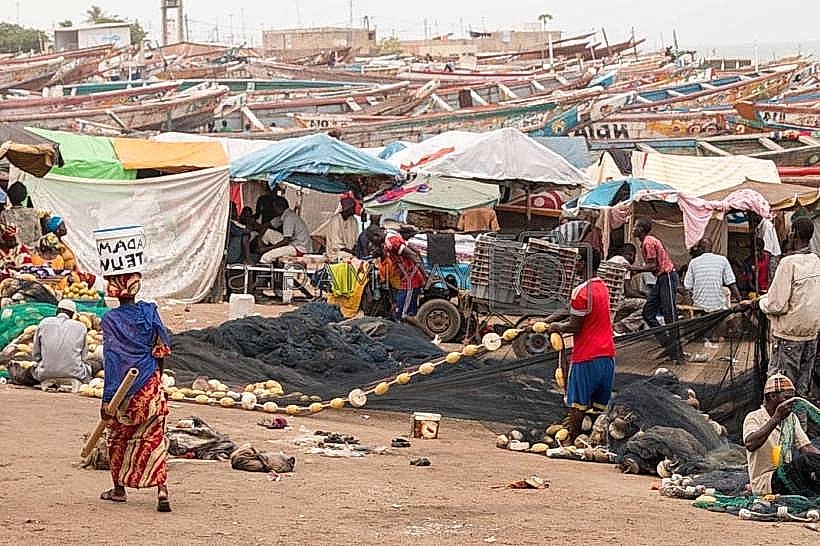
The site is defined by a chaotic shoreline crowded with hundreds of brightly painted wooden pirogues featuring geometric patterns and national flags. The ground is a saturated mixture of wet sand, crushed seashells, and organic maritime debris. The market structure consists of low-slung concrete pavilions with corrugated metal roofs, surrounded by open-air smoking kilns and vast wooden drying racks where fish are processed in the sun.
Location & Access Logistics
The market is located at the western terminus of the Avenue Blaise Diagne in the central district of Mbour, approximately 80km south of Dakar. Access from the N1 National Road is achieved via narrow, congested urban streets that are often impassable for large vehicles. Public transport is available via "sept-place" taxis terminating at the Mbour Gare Routière, followed by a 1.5km walk or a "Jakarta" motorcycle taxi ride to the waterfront.
Historical & Ecological Origin
The market evolved from a seasonal Lebu fishing camp into a permanent industrial-scale artisanal port during the 20th century. Geologically, the site sits on a low-lying sandy terrace protected by offshore rocky reefs. The surrounding waters are part of a highly productive upwelling zone where nutrient-rich cold currents support massive populations of sardinella, ethmalosa, and various demersal species.
Key Highlights & Activities
The primary spectacle occurs in the late afternoon (16:00–18:00) when the fishing fleet returns, and porters carry heavy crates of fish from the surf to the sorting tables. Visitors can observe traditional boat-building techniques and net-mending along the northern perimeter. Commercial activity includes the wholesale auctioning of fresh catch, as well as the specialized processing of braised and salted fish in the artisanal smoking yards.
Infrastructure & Amenities
Infrastructure is utilitarian and heavily weathered by salt air. There are rudimentary concrete drainage channels and basic water points, but public sanitation facilities are extremely limited and often over capacity. Shade is provided by the main market halls and makeshift canvas tarps. 4G and 5G cellular signals are strong and reliable throughout the port area. Food vendors selling local dishes and coffee are concentrated near the main entrance.
Best Time to Visit
The optimal window for observation is between 16:30 and 18:30, coinciding with the peak return of the pirogues and the highest volume of trade. For photography, the morning hours (08:00–10:00) offer clearer views of the boat-building areas without the extreme afternoon crowds. The market is most active from Monday to Saturday, with significantly reduced activity on Friday afternoons due to religious observances.
Facts & Legends
The pirogues are often christened with names of religious leaders or family members, and many carry "grigris" (charms) hidden in the hull for protection against the "Mami Wata" or sea spirits. A logistical oddity of the market is the "porters" system, where specialized laborers utilize large plastic tubs to transport fish through the surf, often submerged up to their chests to reach the deep-draft vessels.
Nearby Landmarks
Centre de Conférence de Mbour – 0.9km East
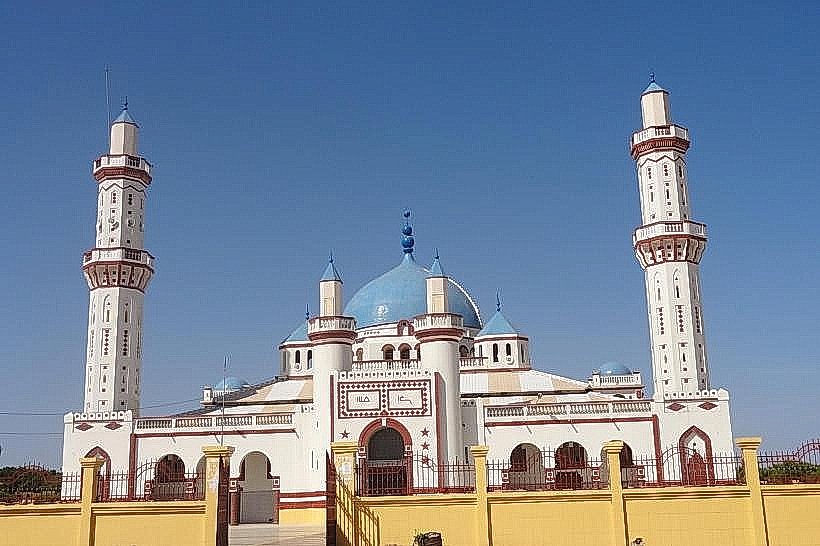
Grand Mosquée de Mbour – 1.1km Northeast
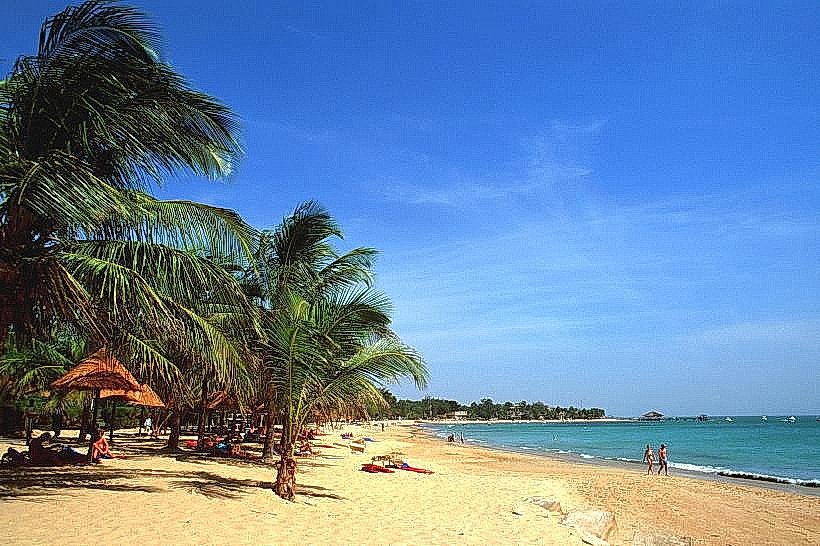
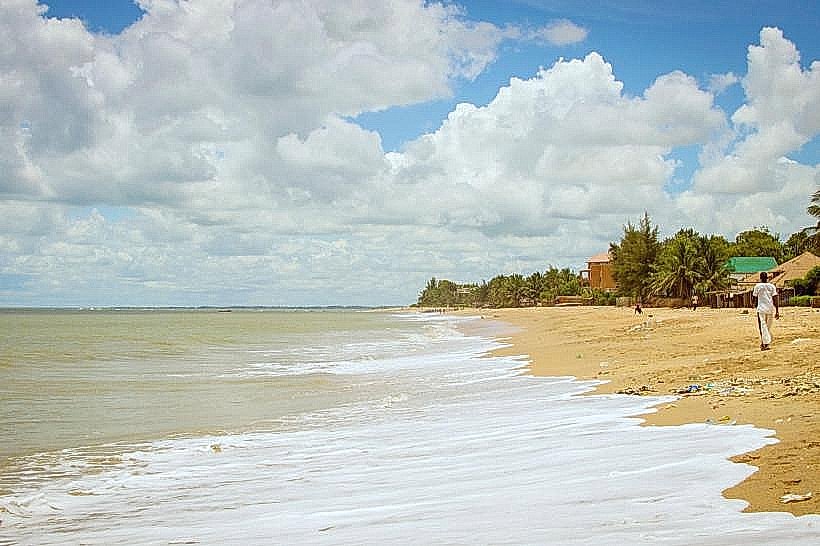
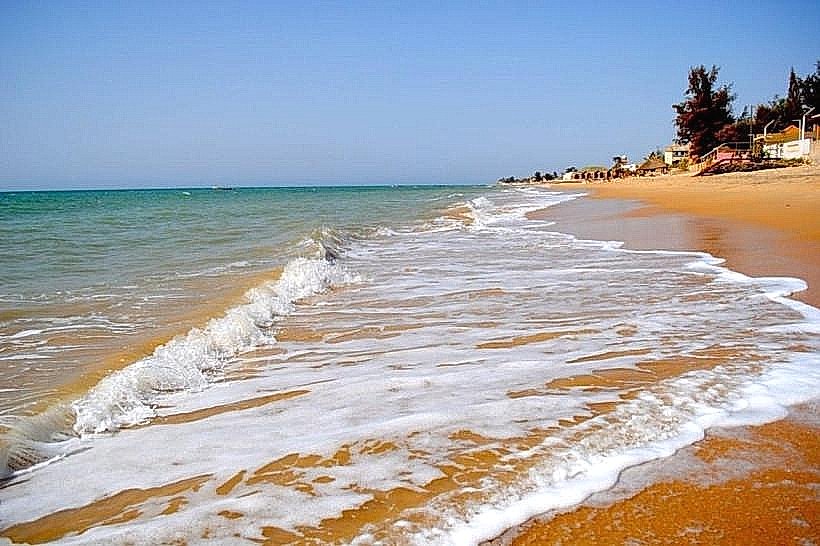
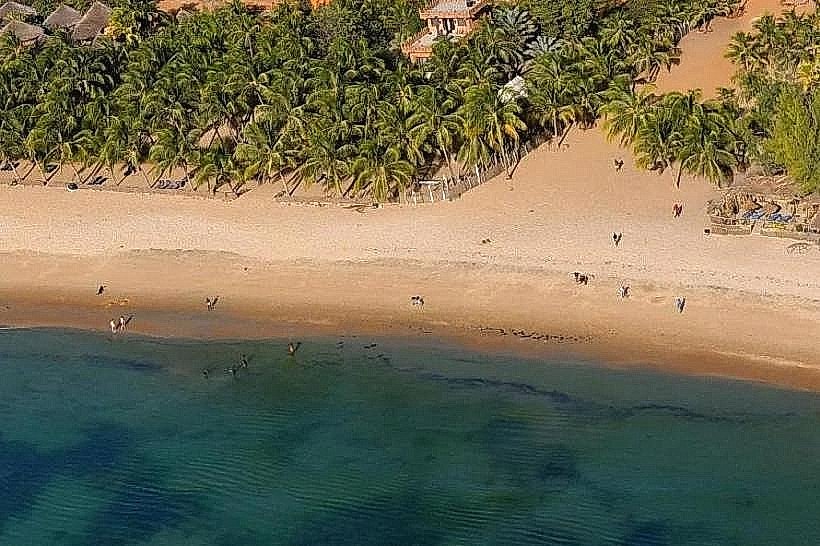
Plage de Mbour – 0.0km (Adjacent)
Saly Portudal – 6.5km Northwest