Landmark: Mbour Port
City: Mbour
Country: Senegal
Continent: Africa
Mbour Port, Mbour, Senegal, Africa
The Mbour Port (Port de Pêche de Mbour) is one of the most significant artisanal fishing centers in West Africa, located on the Atlantic coast of the city of Mbour. It serves as the primary economic engine for the region, facilitating the landing, processing, and distribution of massive quantities of pelagic and demersal fish.
Visual Characteristics
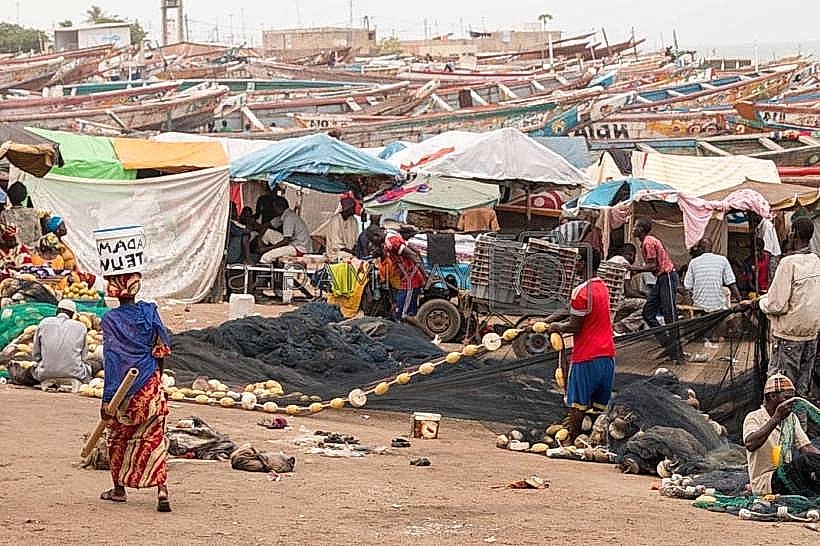
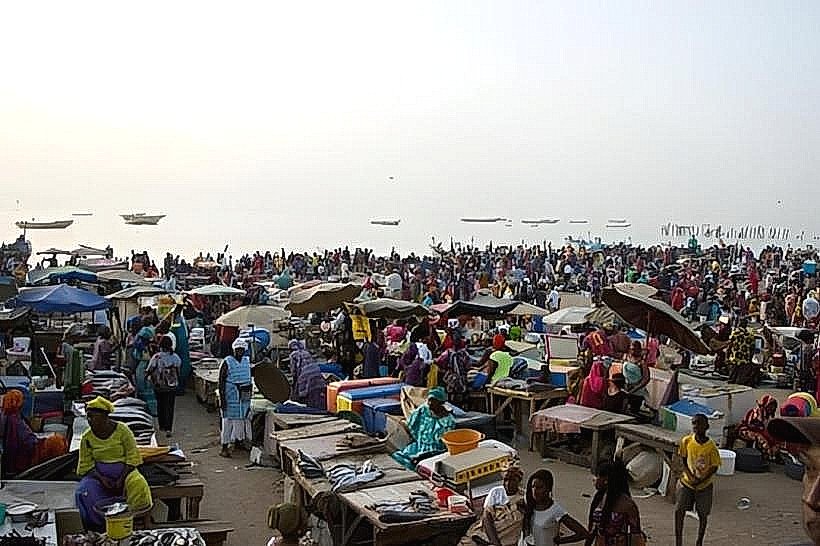
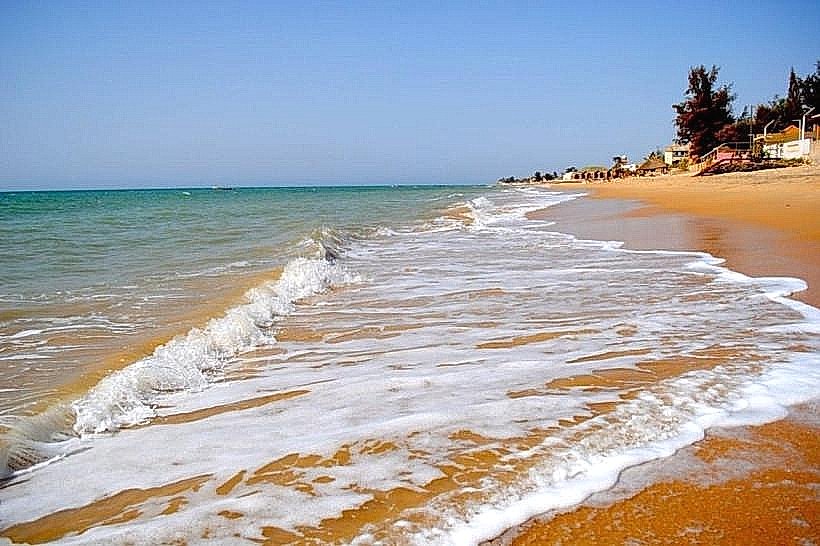
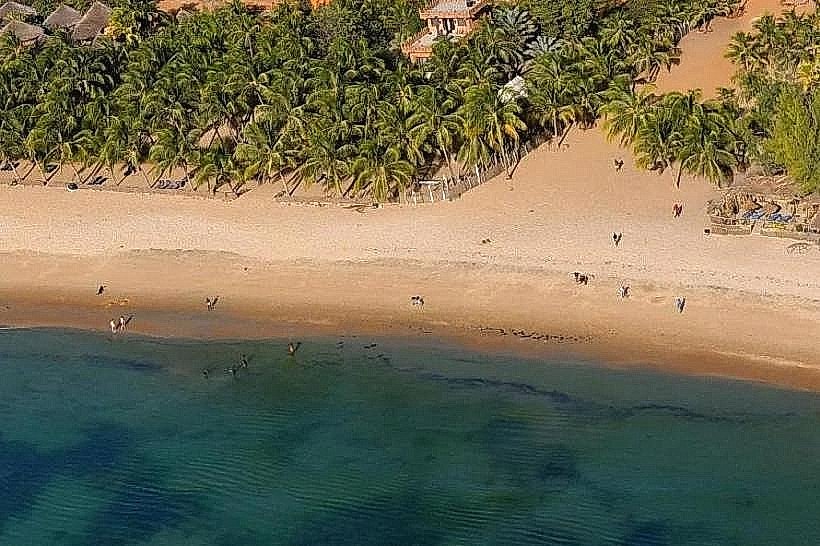
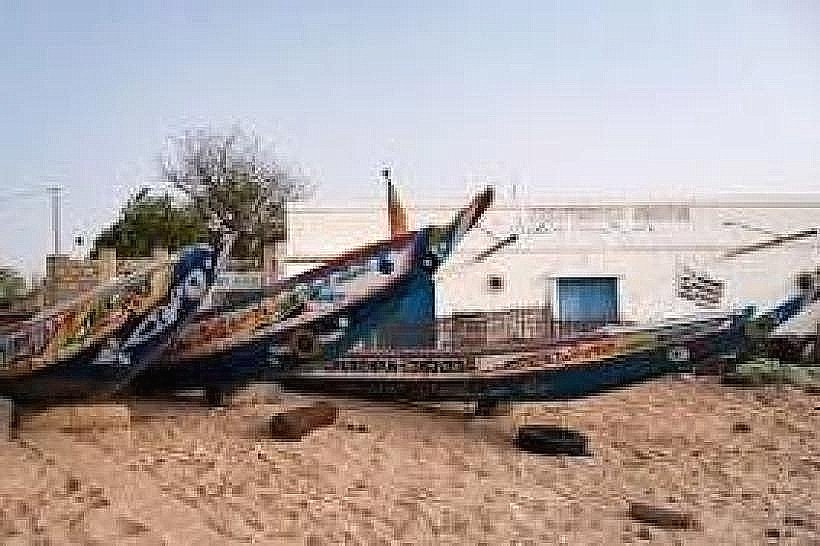
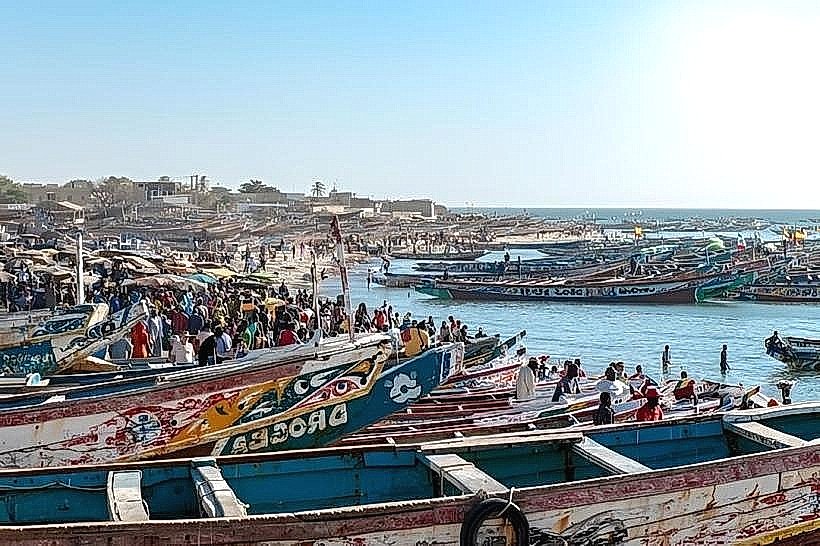
The port is characterized by a high-density shoreline packed with hundreds of colorful wooden pirogues, often stacked three or four deep in the surf. The ground is a saturated mixture of wet sand, crushed shells, and organic maritime matter. Large concrete hangars with rusted corrugated roofs house the primary sorting areas, while the surrounding landscape is dotted with traditional smoking kilns and elevated wooden racks used for drying fish.
Location & Access Logistics
The port is situated at the western end of the city center, accessible via the Avenue Blaise Diagne. It is approximately 80km south of Dakar via the A1 Toll Road and the N1 National Road. From the Mbour Gare Routière, the port is a 1.5km trip, usually completed by "Jakarta" motorcycle taxis or yellow-and-black urban taxis. There is no formal paved parking; vehicles navigate congested dirt tracks that terminate near the main fish market entrance.
Historical & Ecological Origin
The port evolved from a colonial-era fishing village into a massive industrial-scale artisanal hub during the mid-20th century. Geologically, it sits on a low-lying sandy terrace protected by a series of offshore rocky reefs. The site is strategically positioned near the "Grande Côte" upwelling zone, where nutrient-rich cold currents support high biodiversity, including sardinella and thiof (white grouper).
Key Highlights & Activities
The central activity is the "Arrivée des Pirogues" in the late afternoon, where thousands of laborers offload crates of fish from the boats to the shore. Visitors can observe the artisanal construction of new pirogues using traditional hand tools on the northern beach. Commercial activities include the wholesale auctioning of fresh catch and the traditional "Kétiakh" processing (braising and skinning fish) in the artisanal smoking yards.
Infrastructure & Amenities
The infrastructure is purely utilitarian, featuring concrete landing quays, a naval repair yard, and several ice production plants. There are no public restrooms for visitors within the port perimeter, though facilities exist in nearby administrative buildings. 4G and 5G cellular signals are consistently strong. Shade is found under the main market pavilions, and numerous small stalls sell "Café Touba" and street food at the port's entrance.
Best Time to Visit
The most dramatic window for visitation is between 16:30 and 18:30, when the majority of the fishing fleet returns to shore. For a quieter look at the boat-building process, early morning (08:00–10:00) is recommended. The port is active year-round, though activity peaks during the dry season (November–June) when sea conditions are most favorable for the smaller artisanal craft.
Facts & Legends
Local maritime culture is deeply rooted in the "Lebu" traditions; many pirogues are adorned with protective eyes painted on the bow and "grigris" (charms) to ward off sea spirits. A unique logistical feature is the system of human porters who wade into chest-deep water to ferry the catch from deep-draft pirogues to the beach, a labor-intensive process that has remained largely unchanged for decades.
Nearby Landmarks
Marché aux Poissons de Mbour – 0.0km (Integrated)
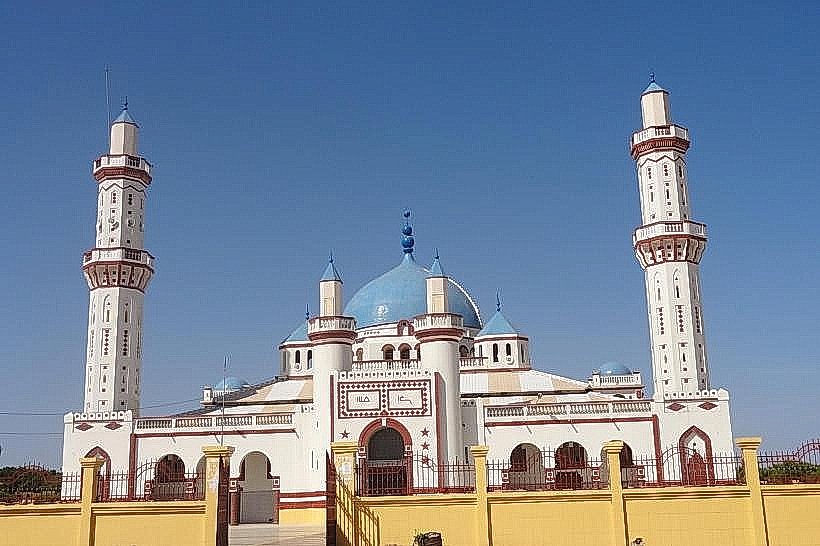
Grand Mosquée de Mbour – 1.2km Northeast
Mbour Artisanal Market – 2.0km North
Mbour Gare Routière – 1.6km East