Landmark: Saly Portudal Fishing Village
City: Mbour
Country: Senegal
Continent: Africa
Saly Portudal Fishing Village, Mbour, Senegal, Africa
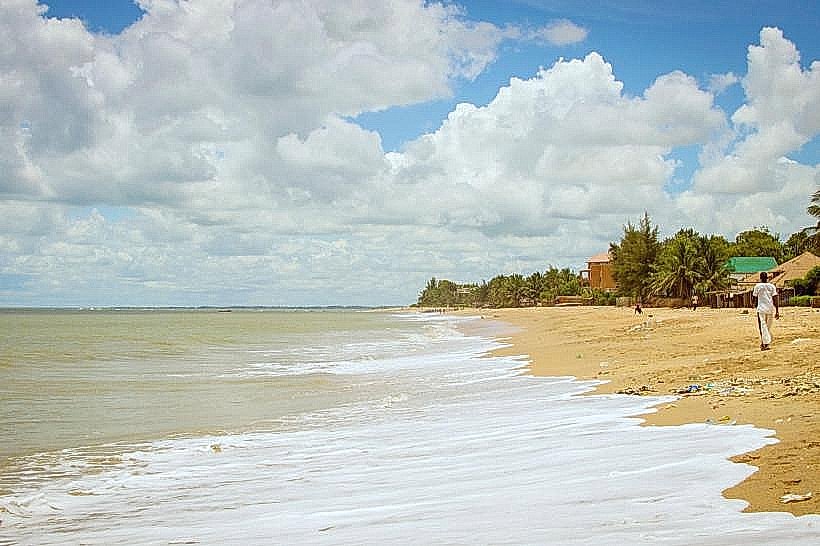
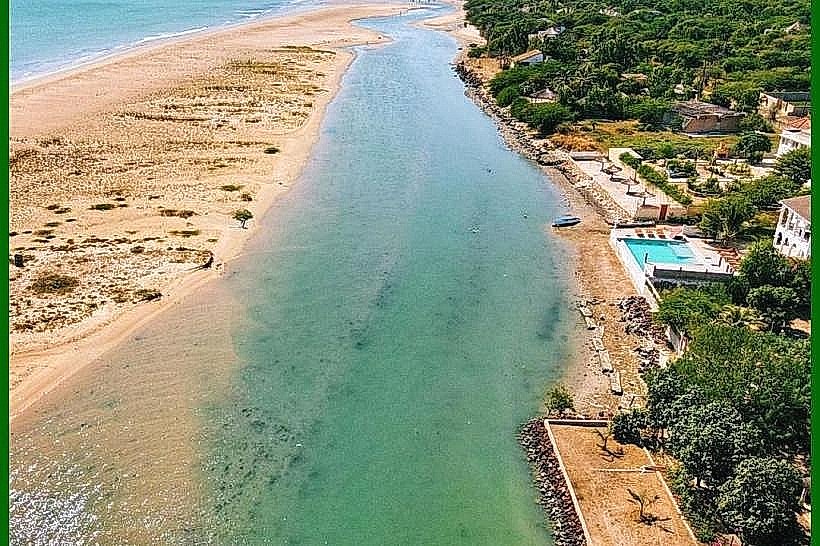
Saly Portudal Fishing Village (Saly Village) is the original Lebu coastal settlement that predates the modern international resort district of Saly. It is situated on the Petite Côte of Senegal, approximately 80km south of Dakar, positioned between the northern hotel zones and the southern residential estates.
Visual Characteristics
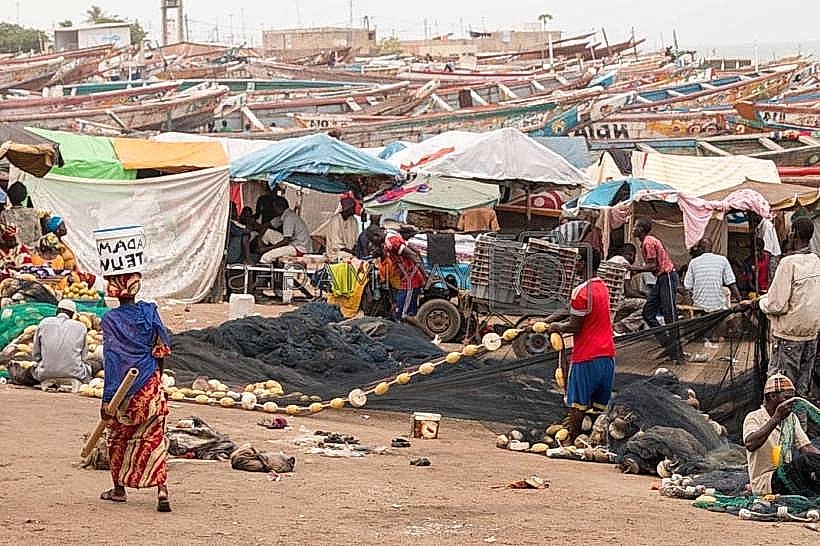
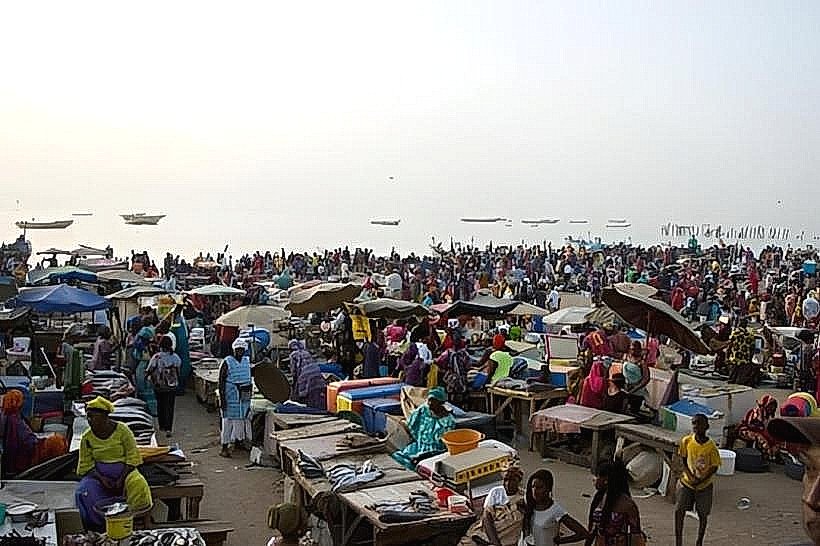
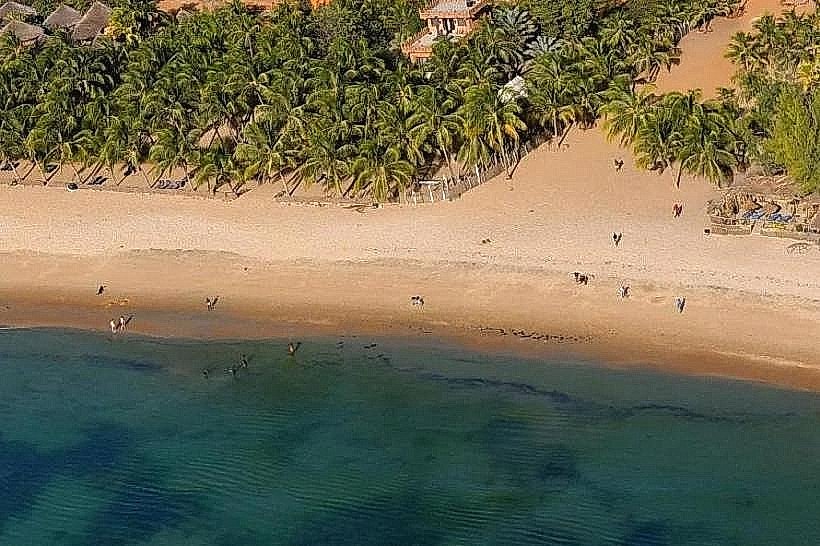
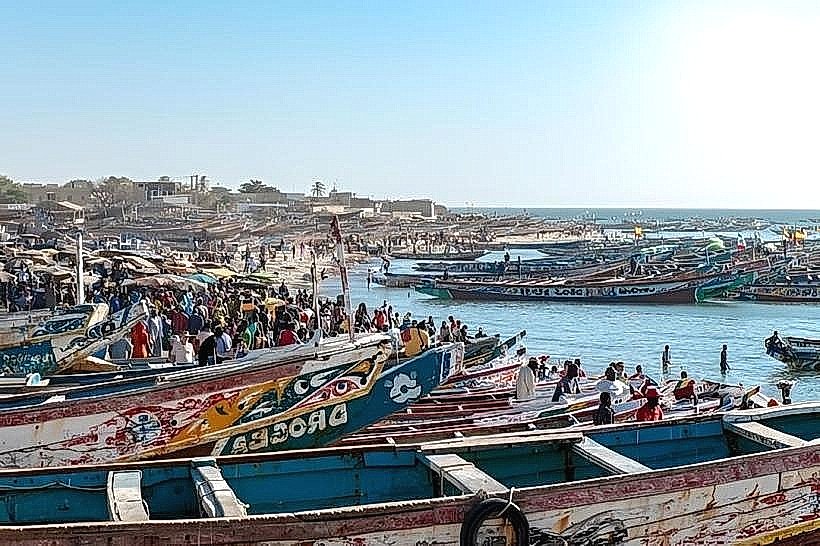
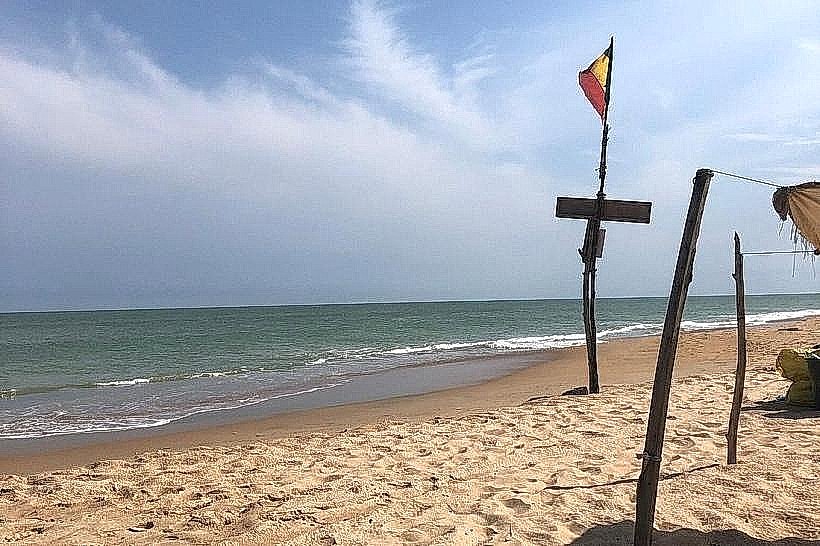
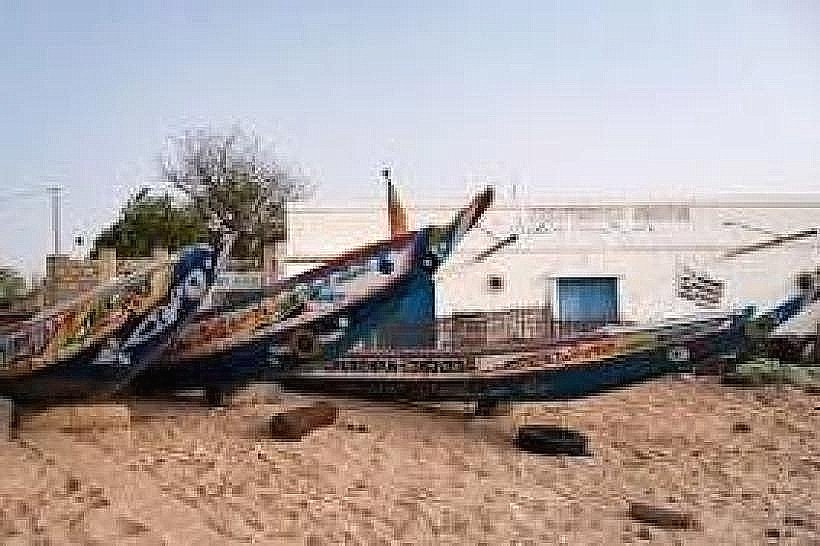
The village maintains a traditional West African maritime aesthetic, contrasting sharply with the neighboring Mediterranean-style villas. It is characterized by high-density masonry and timber dwellings, narrow sandy alleys, and a beachfront crowded with hundreds of artisanal wooden pirogues. The shoreline is a workspace defined by colorful hulls, drying fishing nets, and the silver flash of sardinella being sorted on the sand.
Location & Access Logistics
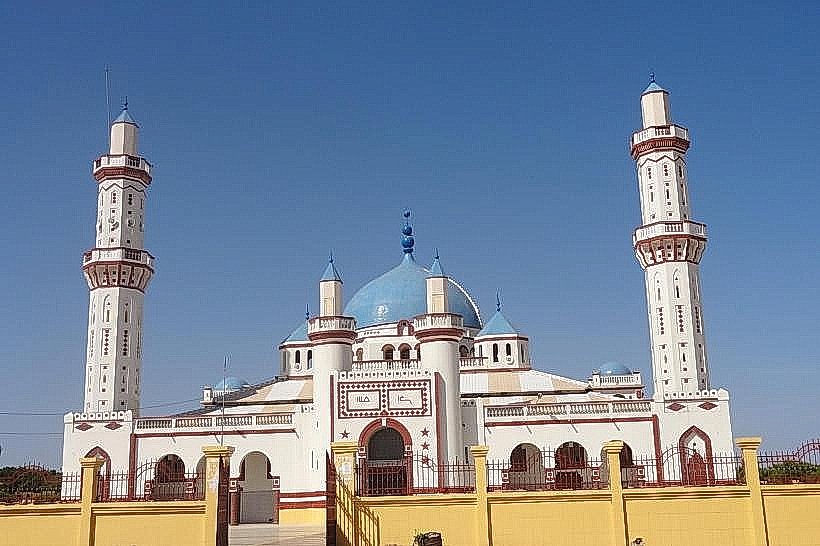
The village is located directly on the coast, accessible via the Route de Saly and the Boulevard de la Pyramide. It is a 5-minute taxi ride from the Saly Center shopping mall. Public transport via "Jakarta" motorcycle taxis and yellow-and-black urban taxis is constant. Access to the beach area is through several pedestrian gaps between local compounds. Unregulated parking is available in the dusty village square (Place de Saly) near the main mosque.
Historical & Ecological Origin
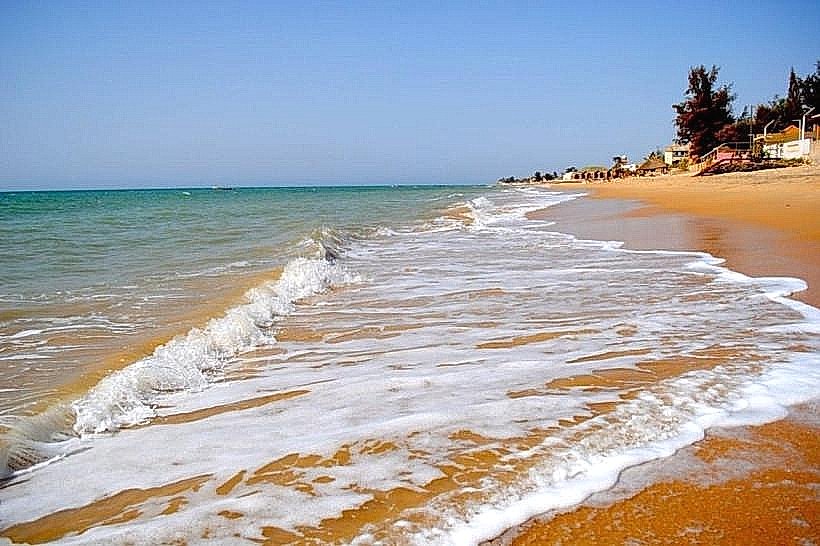
Historically known as Portudal, the site was a 15th-century Portuguese trading post before becoming a permanent Lebu fishing community. Geologically, it occupies a low-lying sandy terrace that has faced severe pressure from rising sea levels. Unlike the artificial "perched beaches" of the hotel zones, the village beachfront is a natural, working coastline that functions as a critical economic landing point for the region’s small-scale fishing fleet.
Key Highlights & Activities
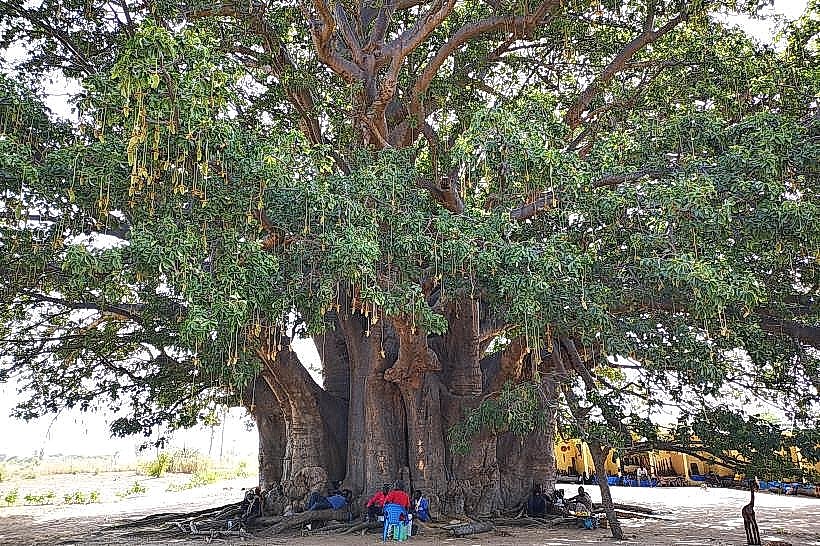
The primary activity is the daily landing of the catch, which typically peaks between 10:00 and 12:00 and again at 17:00. Visitors can observe the manual hauling of pirogues onto the sand and the immediate wholesale of fish to local "mareyeurs" (fishmongers). The village is also a center for traditional pirogue repair and net-mending. Cultural tours often visit the local market and the historic "Baobab of the Village," which serves as a communal meeting point.
Infrastructure & Amenities
Infrastructure is communal and utilitarian. The village has its own central mosque, several small "boutiques" selling household goods, and local eateries serving Thieboudienne (fish and rice). While there are no formal public restrooms for tourists, several small guest houses (campements) within the village provide facilities for patrons. 4G and 5G cellular signals are strong. Shade is found under the eaves of houses and a few large neem trees in the central squares.
Best Time to Visit
The most active time is late afternoon (16:30–18:00) when the majority of the day-tripping pirogues return. For those interested in the quiet, residential side of village life, early morning (07:30–09:00) is optimal. The village is most vibrant during the dry season (November–May), though it remains a fully functional community year-round. Fridays are generally quieter due to midday religious observances.
Facts & Legends
Local tradition holds that the village is protected by sea spirits, and it is common to see animal horns or "grigris" attached to the prows of the boats. A notable fact is that despite the massive surrounding tourism development, the village has successfully resisted total commercialization, maintaining its ancestral fishing rights and communal land structure under the authority of a local "Chef de Village."
Nearby Landmarks
Saly Center Shopping Mall – 0.8km East
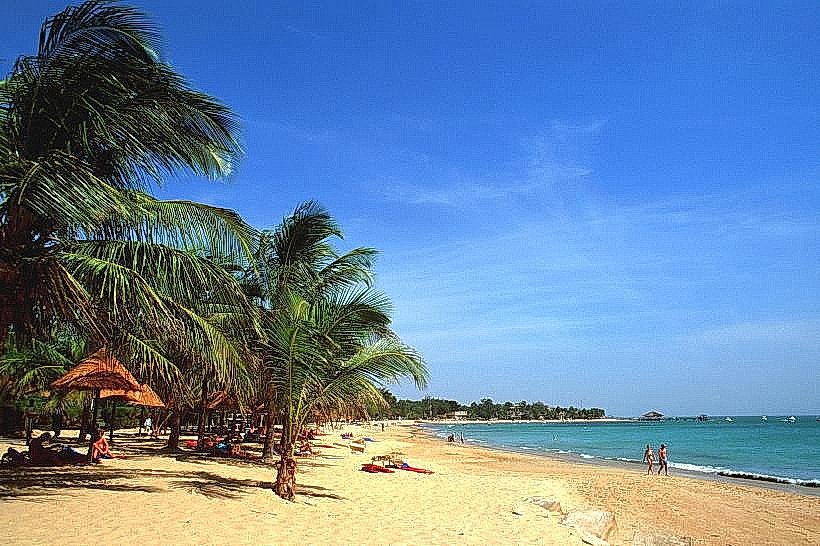
Saly Portudal Beach (Resort Zone) – 0.5km North/South
Golf de Saly – 2.0km East
Mbour-fish-market_mbour" class="underline">Mbour Fish Market – 6.8km Southeast