City: Batroun
Country: Lebanon
Continent: Asia
Batroun, Lebanon, Asia
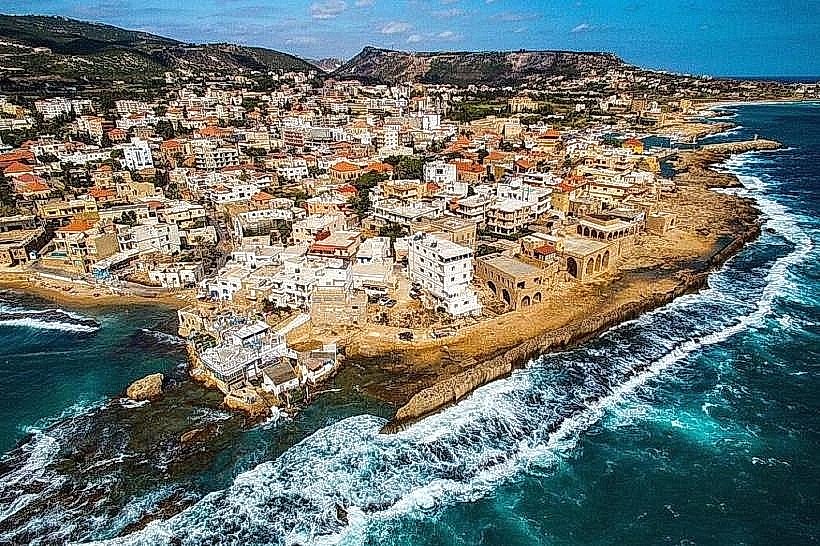
Batroun serves as the administrative capital of the Batroun District in the North Governorate and functions as a primary maritime gateway and commercial hub for northern Lebanon. It is situated on the Mediterranean coast between Tripoli to the north and Byblos to the south, occupying a strategic promontory known historically as Cape Lithoprosopon.
Historical Timeline
Batroun is one of the oldest continuously inhabited cities in the world, with mentions in the Amarna letters dating to the 14th century BCE. It was founded by Ithobaal I, King of Tyre, and transitioned through Phoenician, Roman, and Byzantine governance before being destroyed by a massive earthquake in 551 CE, which historians believe formed its natural harbor. The city was later controlled by the Crusaders in 1104 as part of the County of Tripoli and was conquered by the Mamluk Sultanate in 1289. The primary event shaping its current urban form is the 19th-century expansion of its sandstone Old Souk and the mid-20th century development that integrated coastal infrastructure with the historic core.
Demographics & Population
The city has a population of approximately 45,000, while the surrounding Batroun District population is estimated at 57,500 for 2026. The population is predominantly Maronite Christian (73.5%), followed by Greek Orthodox (15.9%) and Sunni Muslim (6.7%) minorities. The median age is approximately 29 years, consistent with the national average.
Urban Layout & Key Districts
The city is organized into four distinct entities fragmented by the main transport infrastructure, including the coastal road and the North Lebanon Highway.
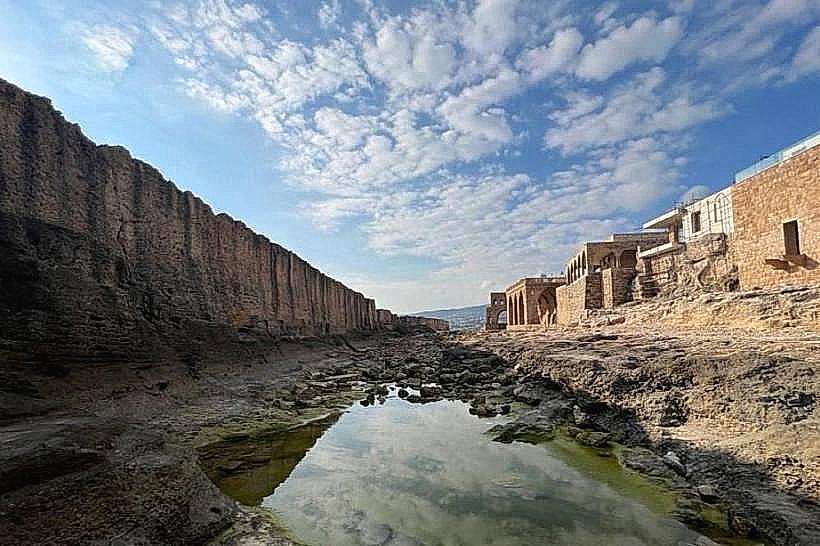
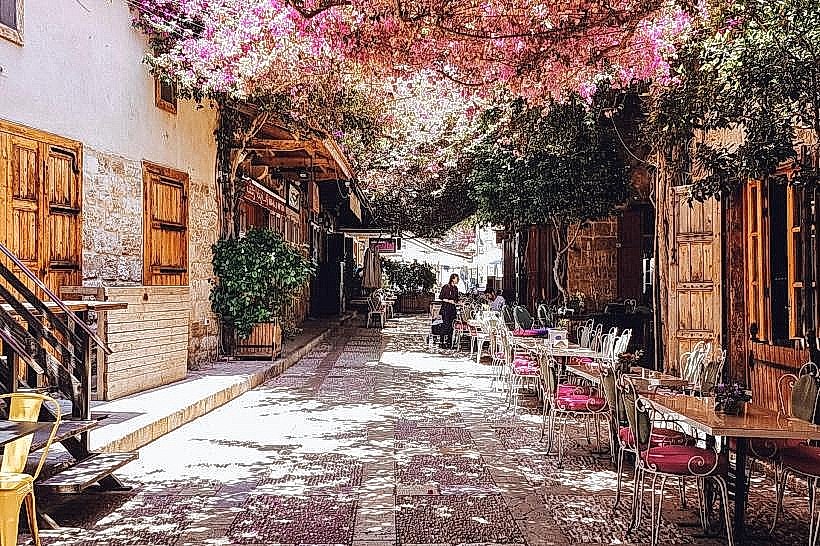
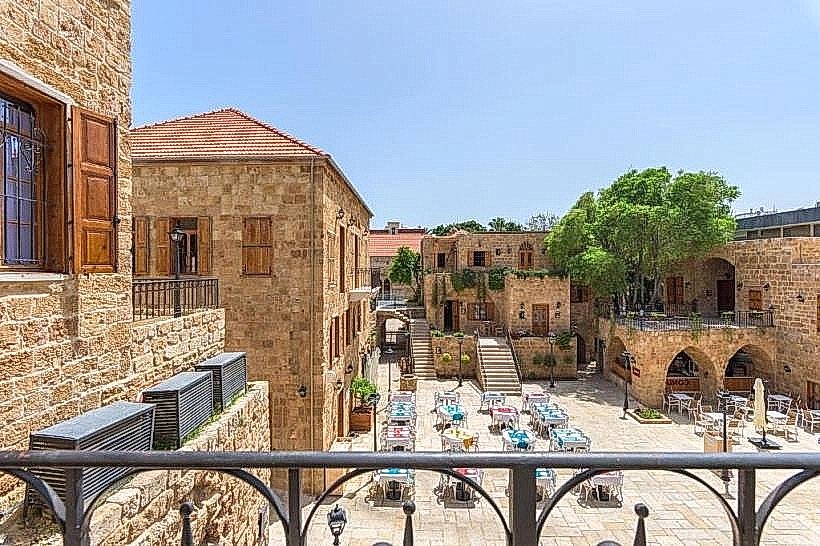
Old Town (Zone A): The historical core located on the waterfront, featuring the sandstone Souks and the ancient Phoenician Sea Wall.
The Port Area: A maritime district centered on the northern bay, serving as the hub for traditional fishing and recreational diving.
Commercial Center: Located inland along the old international road, containing modern retail, banks, and administrative offices.
Batroun Hills: Residential developments extending eastward onto the slopes of the Lebanon Mountains.
Top City Landmarks
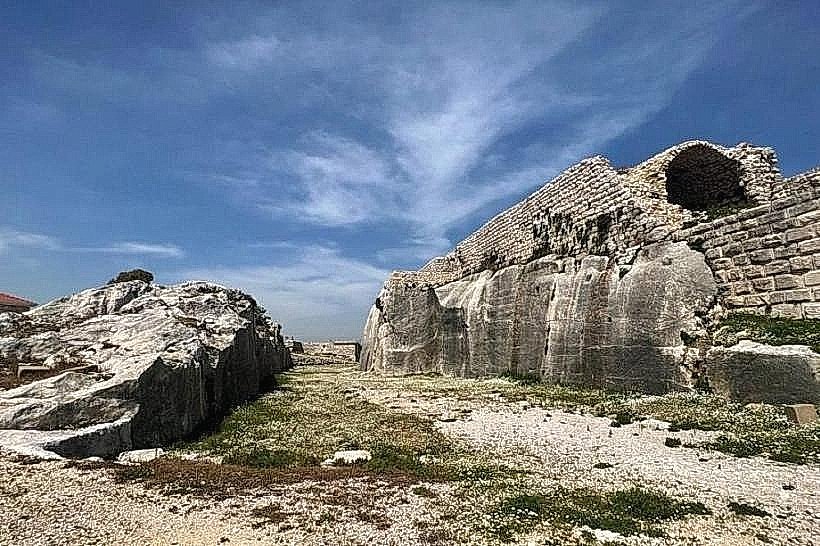
Phoenician Sea Wall: A 225-meter long natural sandstone formation reinforced by the Phoenicians to protect the city from sea surges.
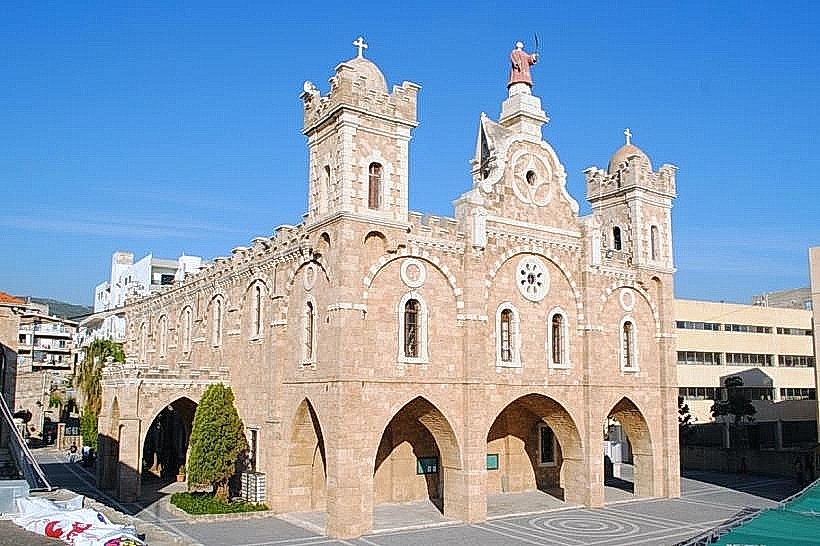
St. Stephen’s Cathedral: A prominent Maronite church overlooking the port, blending Byzantine and Romanesque architectural styles.
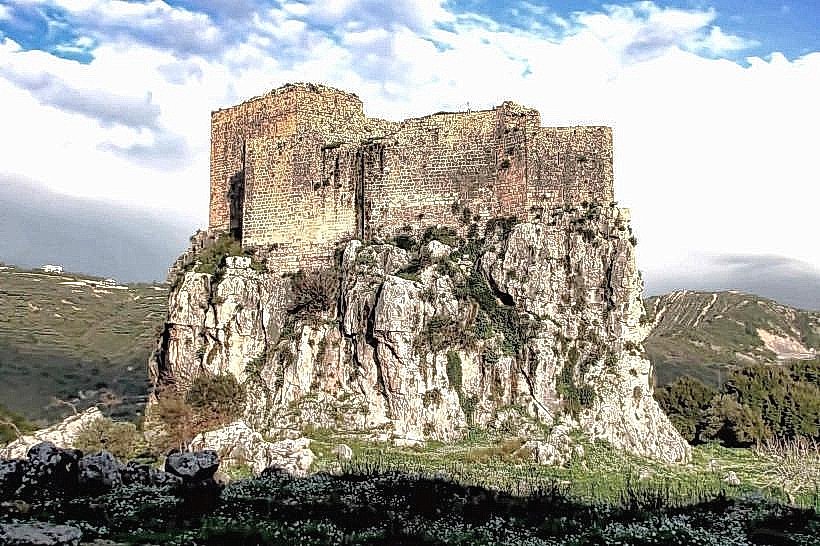
Mseilha Fort: A 17th-century fortification built on an isolated limestone rock to guard the route between Tripoli and Beirut.
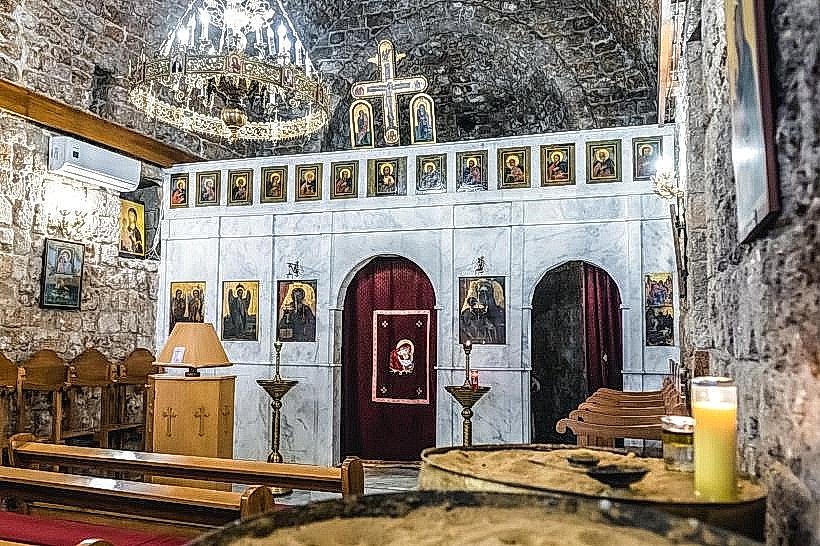
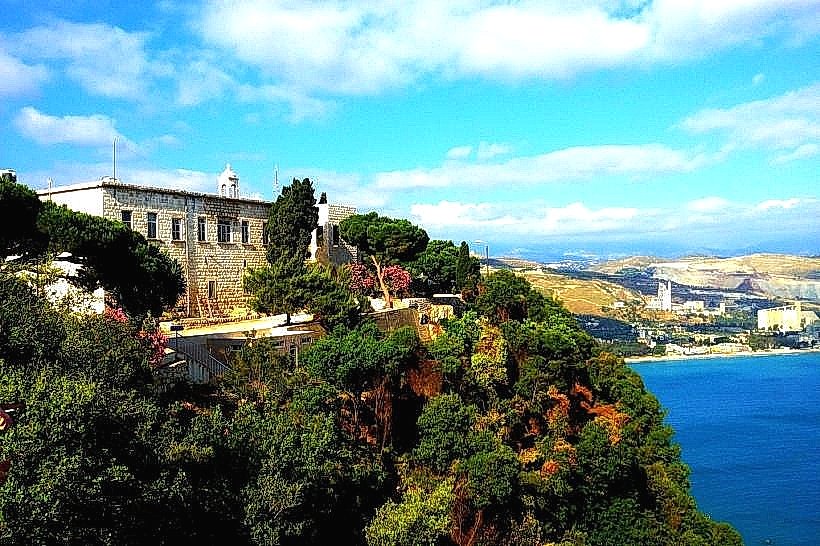
Saydet Al-Bahr (Our Lady of the Sea): A historic Greek Orthodox chapel located on a cliff edge with views of the sea wall.
The Old Souk: A pedestrian district built entirely of sandstone, housing artisanal shops and traditional lemonade stands.
Transportation Network
Internal movement is primarily conducted via private vehicles or on foot within the pedestrianized Old Town. There is no metro or rail system. The city is a major stop for public minivans and buses traveling along the Beirut-Tripoli highway. Official taxis have red license plates, and ride-sharing apps like Bolt and Uber have high availability. Traffic density peaks during summer weekends due to the influx of domestic tourism.
Safety & "Red Zones"
Batroun is regarded as one of the safest cities in Lebanon. There are no specific "Red Zones" or high-crime neighborhoods to avoid. Visitors should exercise standard caution with personal items in crowded beach clubs and the Old Souk during the high season.
Digital & Financial Infrastructure
Internet speeds average 35–60 Mbps, with 4G/LTE coverage from Alfa and Touch being comprehensive throughout the city. The economy is heavily dollarized; USD and Lebanese Pounds (LBP) are used interchangeably. Card acceptance is high in hotels, beach resorts, and large supermarkets, but cash is mandatory for small shops and local taxis. ATMs are widely available along the main commercial road.
Climate & Air Quality
Batroun has a Mediterranean climate. Summer (June–September) temperatures range from 24°C to 32°C with high coastal humidity. Winter (December–March) is mild and rainy, ranging from 11°C to 18°C. Air quality is generally high due to its coastal position and the municipality's 0% contaminated effluent discharge policy, making it one of the cleanest coastal environments in Lebanon.
Culture & Social Norms
The city is known for its liberal, coastal lifestyle and its association with Lebanese lemonade and craft beer.
Tipping: 10% is standard in restaurants and cafes.
Greeting: Handshakes are standard; French-influenced "bonjour" is a common greeting.
Dress Code: Relaxed and Westernized; beachwear is common at resorts, though modest attire is required for churches.
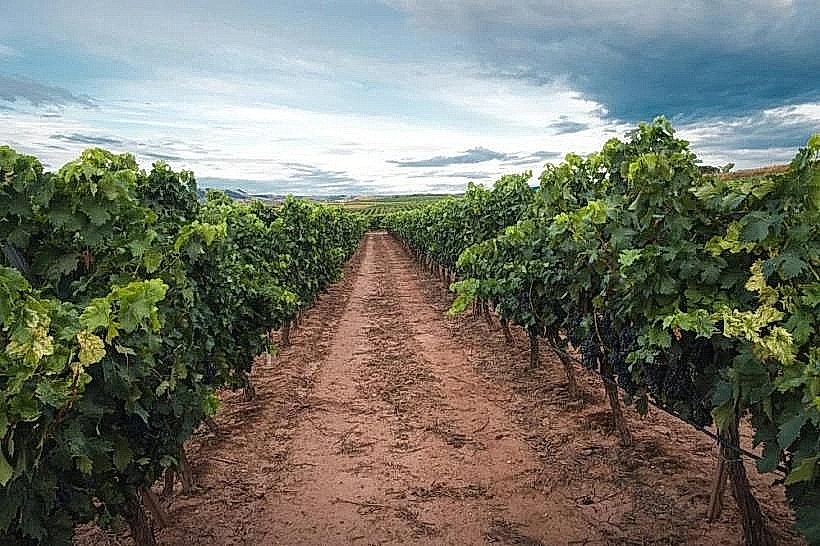
Alcohol: Widely available; Batroun is a major hub for Lebanese wineries and microbreweries.
Accommodation Zones
Old Town/Seaside: Recommended for boutique guesthouses and direct access to nightlife and historical sites.
Kfarabida: Located just south of the city center, recommended for quiet beach resorts and cliffside stays.
Local Cost Index
1 Espresso: 215,000 LBP ($2.30 USD)
1 Standard Lunch: 1,222,000 LBP ($13.00 USD)
1 Shared Taxi (Service) to Byblos: 235,000 LBP ($2.50 USD)
Nearby Day Trips
Smar Jbeil Castle: A medieval stronghold on a rocky promontory (10 km).
Tannourine Cedar Forest: A high-altitude nature reserve with ancient cedars (38 km).
Douma: A picturesque village known for its traditional red-roofed houses (30 km).
Nahr al-Jawz: A river valley ideal for hiking and riverside dining (12 km).
Facts & Legends
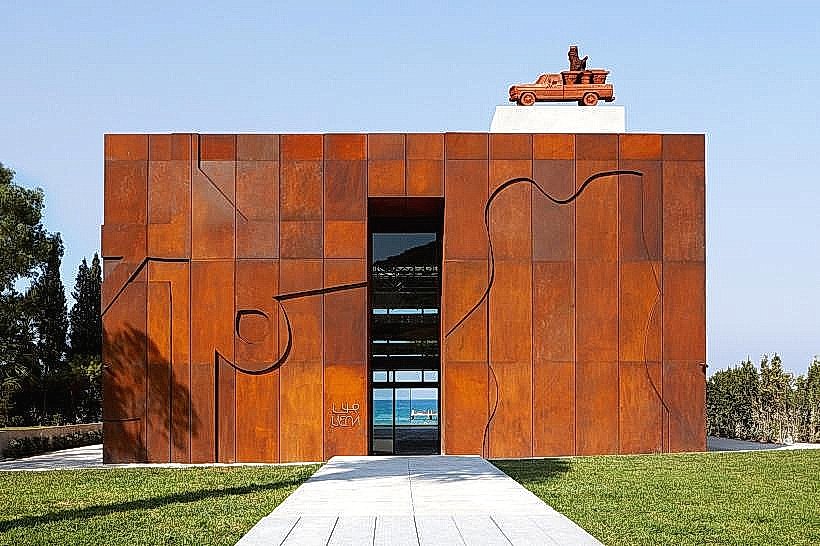
According to local legend, the natural harbor of Batroun was created in a single day during the earthquake of 551 CE when the Cape Lithoprosopon cracked, allowing the sea to rush in. A verified historical oddity is that Batroun is the global birthplace of "Helmi’s Lemonade," which has achieved international fame, leading to the creation of the world’s first Lemonade Museum located in the heart of the Old Souk.
Old Town Architecture and Seaside Walk in January – Batroun, Lebanon
This video offers a logistical perspective on Batroun's urban layout, showing the sandstone architecture of the Old Town and the seaside promenade.