Landmark: Old Souk of Batroun
City: Batroun
Country: Lebanon
Continent: Asia
Old Souk of Batroun, Batroun, Lebanon, Asia
The Old Souk of Batroun is a historic commercial marketplace situated within the old maritime quarter of Batroun in the North Lebanon Governorate. Positioned parallel to the city’s historic coastline, this preserved Ottoman-era market serves as an active economic and cultural corridor defined by traditional masonry and specialized trade stalls.
Visual Characteristics
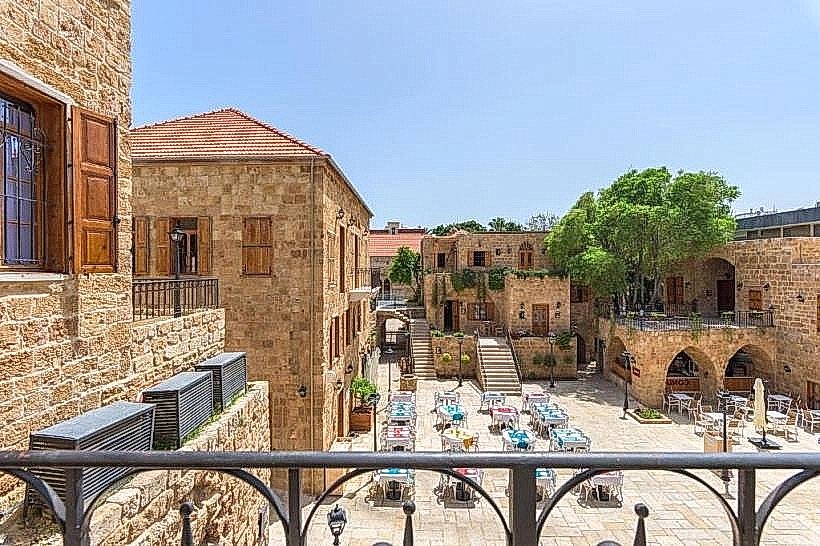
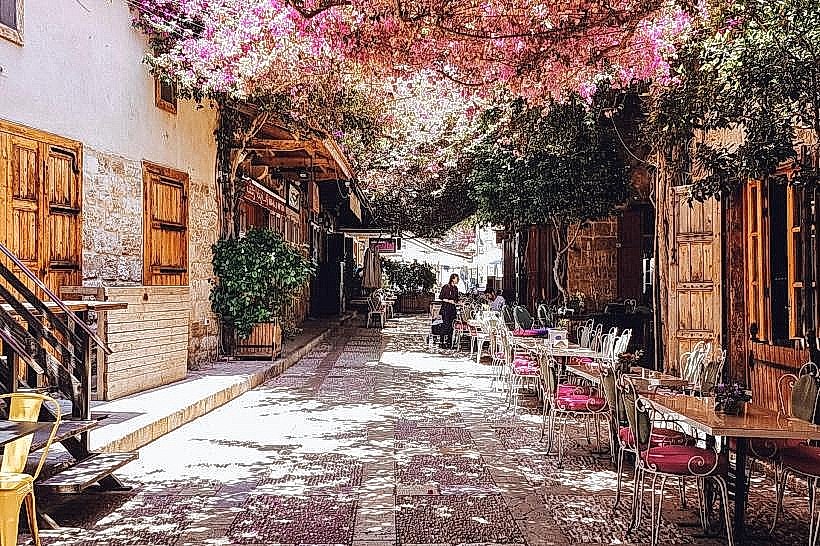
The market consists of a main linear pedestrian thoroughfare flanked by structures built entirely from local porous yellow ramleh sandstone. The architecture features classic 19th-century Levantine elements, including barrel-vaulted interiors, prominent stone archways, and traditional stone benches, known as mastabas, built into the shopfront bases. The vaulted alleys are fitted with uniform arched wooden doors made of dark timber, creating a visually symmetrical urban corridor that naturally filters direct sunlight.
Location & Access Logistics
The market is located in the western sector of Batroun, running north to south between the modern municipal roads and the historic port area. Access from Beirut (55 kilometers south) is via the main coastal highway, turning west at the Batroun municipal exit and following the signs toward the old town. Visitors can park vehicles at the public municipal parking lots near Saint George Church or the old port promenade. Public transport options include intercity buses running along the coastal highway, requiring a 10-minute walk from the drop-off point westward to the market entrance.
Historical & Ecological Origin
While the foundations of Batroun's urban core date back to the Phoenician and Roman periods, the current structural footprint of the souk was systematically constructed during the late 19th century under Ottoman rule. It was designed to serve as a primary trading hub for regional agricultural goods, textiles, and maritime supplies. The sandstone blocks utilized in its construction were quarried directly from the adjacent Batroun coastline, tying the material composition of the market directly to the local marine geology.
Key Highlights & Activities
Pedestrian exploration and architectural observation of the vaulted stone facades are the primary activities. Visitors can browse specialized shops featuring local artisanal crafts, hand-distilled arak, regional organic lemonades, and traditional olive oil soaps. The northern end of the market features several restored historical residences, while the southern segments transition into a vibrant evening hospitality zone filled with local cafes, traditional bakeries, and bistro venues.
Infrastructure & Amenities
The marketplace features modern underground utility infrastructure installed during structural restoration campaigns in the early 2000s. While dedicated public restrooms are not independently positioned inside the market lane, facilities are fully accessible within the nearby municipal buildings and seaside restaurants. Shade is abundant throughout the day due to the tight layout of the narrow, high-walled alleys. Cellular network coverage (4G/5G) is stable and continuous across the entire market district.
Best Time to Visit
The late afternoon between 16:00 and 18:00 is optimal for photography, as the low-angle sunlight enters the open ends of the stone alleys, casting long shadows and highlighting the texture of the yellow sandstone. The months from April to November offer the most favorable weather conditions for outdoor walking. Weekends feature the highest density of open shops and active vendors, whereas weekday mornings provide the quietest conditions for architectural study.
Facts & Legends
A verified historical oddity of the Batroun Souk is its unique microclimate; the specific north-south orientation of the narrow market street functions as a natural wind tunnel, pulling in cool sea breezes from the Mediterranean port and keeping the ambient temperature significantly lower than the modern paved streets just a block away. Local lore states that the unique lemonade culture of Batroun, which centers around the market, began here when 19th-century merchants used ice brought down from the nearby Tannourine mountains to chill fresh citrus juices for weary caravan travelers.
Nearby Landmarks
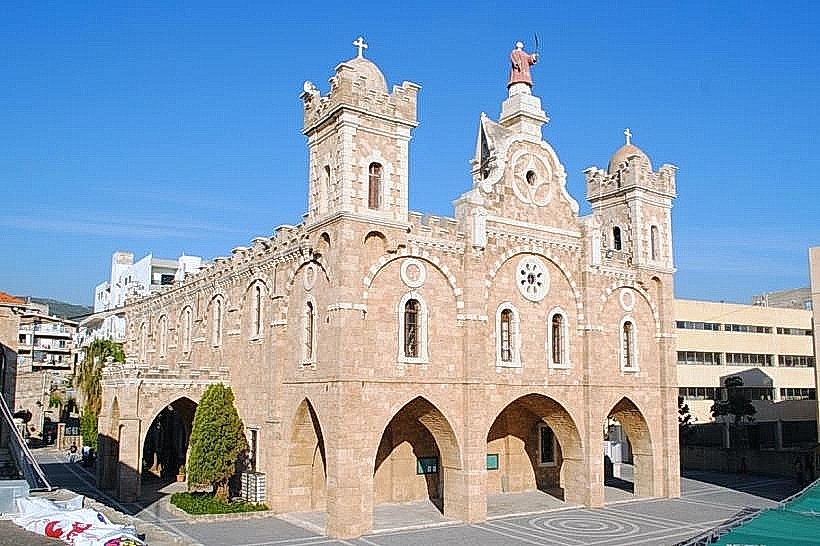
Saint George Maronite Church: 0.1km West
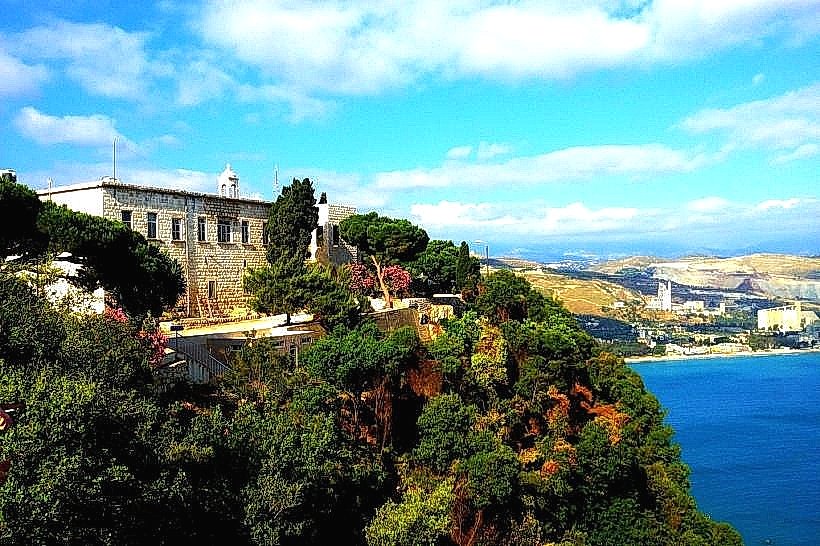
Our Lady of the Sea Church (Saydet El Bahr): 0.2km West
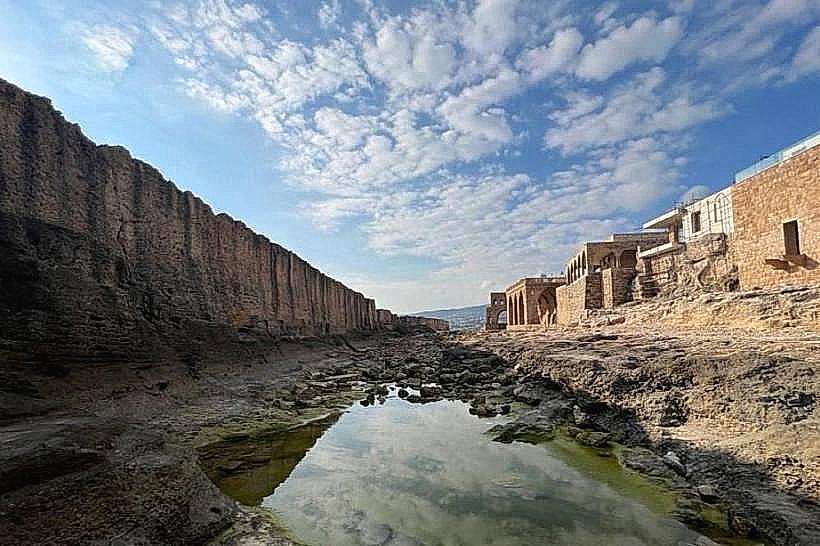
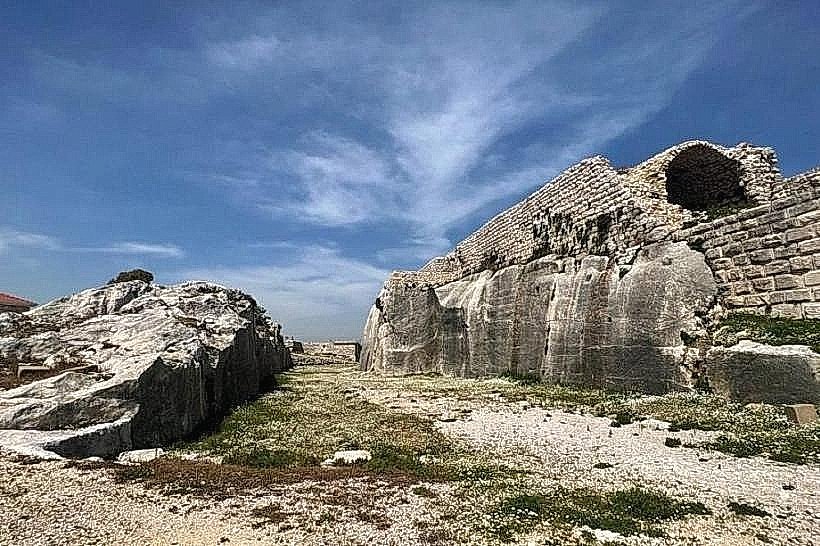
Phoenician Sea Wall: 0.25km West
Makedonas Roman Theatre Ruins: 0.35km Northeast
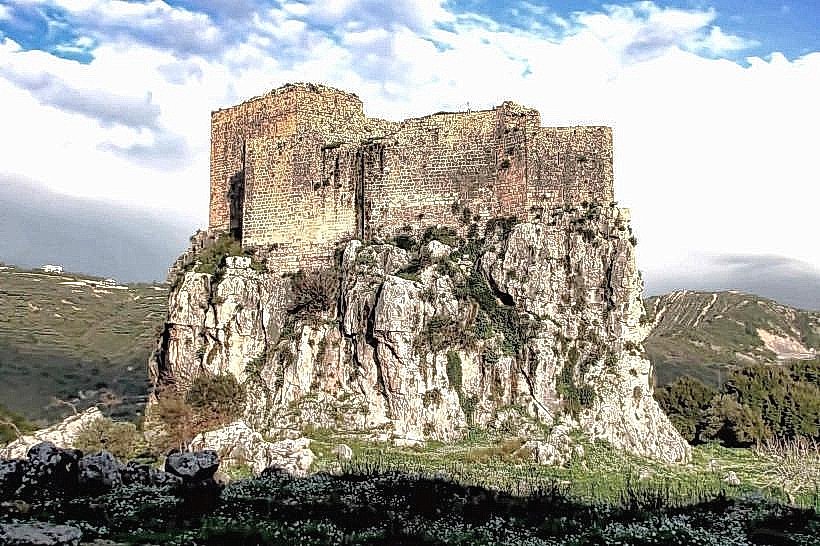
Mseilah Fort: 4.2km East