Landmark: Batroun Diaspora Village
City: Batroun
Country: Lebanon
Continent: Asia
Batroun Diaspora Village, Batroun, Lebanon, Asia
The Diaspora Village (Batroun Diaspora Village) is a cultural and heritage complex located in the historic old town of Batroun, within the North Lebanon Governorate. It serves as a centralized hub designed to connect Lebanese emigrants with their ancestral homeland through a series of restored traditional houses representing different nations of Lebanese diaspora settlement.
Visual Characteristics
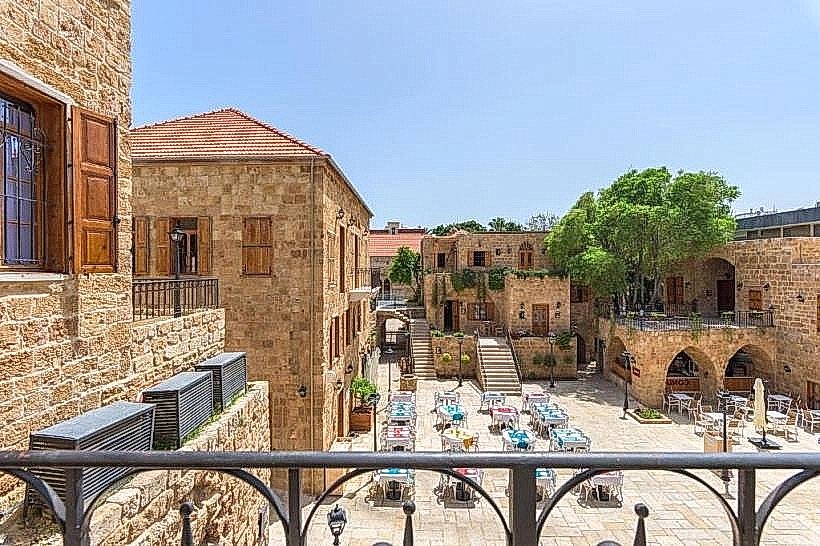
The complex consists of several traditional 19th-century Lebanese residential houses built from local yellow ramleh sandstone blocks. The architecture is characterized by red-tiled pitched roofs, triple-arched mandaloun windows with slender marble columns, and open-air inner courtyards. The interiors feature high vaulted ceilings, stone archways, and a mix of historic masonry and modern museum-style exhibition layouts, with each house dedicated to a specific country of the diaspora, such as Brazil, the United States, and Canada.
Location & Access Logistics
The village is situated in the historic coastal quarter of Batroun, approximately 55 kilometers north of Beirut. Access from the capital is via the Beirut-Tripoli coastal highway, taking the main Batroun exit and heading west toward the sea into the historic old town. Visitors can park in nearby municipal lots near the old souk or the Saint George Church. Public transit is limited to intercity buses operating along the main highway, which require a 15-minute walk westward through the pedestrian lanes of the old town to reach the complex.
Historical & Ecological Origin
The project was initiated in the mid-2010s by the Lebanese Ministry of Foreign Affairs and Emigrants in collaboration with the municipality of Batroun and private diaspora donors. The objective was to preserve decaying Ottoman-era residential structures and repurpose them into cultural houses. The foundation of the village sits directly on the coastal oolitic limestone platform that defines the Batroun peninsula, utilizing original regional sandstone quarried from the local shoreline during the 19th century.
Key Highlights & Activities
Primary activities include self-guided walking tours through the individual diaspora houses to view historical exhibits, documents, and artifacts detailing the history of Lebanese migration worldwide. Visitors can inspect the traditional stone architecture and restored woodwork of the buildings. The complex frequently hosts cultural events, art exhibitions, and heritage workshops aimed at visiting emigrants and tourists.
Infrastructure & Amenities
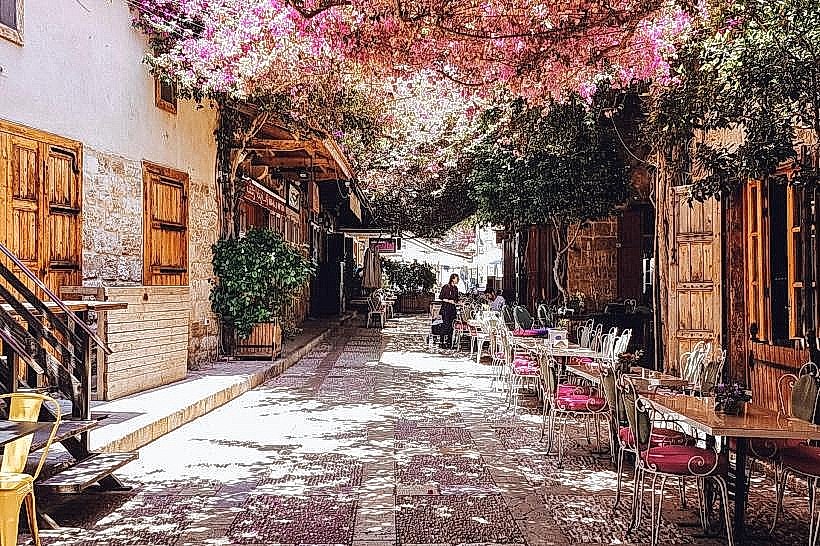
The complex is equipped with modern visitor infrastructure, including public restroom facilities and paved pedestrian walkways. Shade is abundant within the inner courtyards, under structural stone alcoves, and beneath the trees planted across the village grounds. Cellular network coverage (4G/5G) is continuous and stable throughout the site. Numerous seafood restaurants, traditional bakeries, cafes, and boutique shops operate within a 100-meter radius inside the adjoining old souk district.
Best Time to Visit
The late afternoon from 16:00 to 18:00 offers the most favorable lighting for architectural photography, as the sun illuminates the yellow sandstone facades and red-tiled roofs against the coastal backdrop. The months from April to November provide the most comfortable weather for exploring the outdoor village complex. Weekends feature the highest availability of open exhibition spaces and active staff, while weekday mornings provide a quieter environment for architectural observation.
Facts & Legends
A verified organizational detail of the Diaspora Village is that each house is independently funded and managed by cultural associations from the corresponding diaspora nation, making the complex a functional diplomatic and cultural patchwork within a single historical municipal grid. The architectural restoration strictly prohibited the use of modern concrete on the facades, forcing craftsmen to use traditional lime mortar formulas to match the original 19th-century construction techniques.
Nearby Landmarks
Old Souks of Batroun: 0.1km East
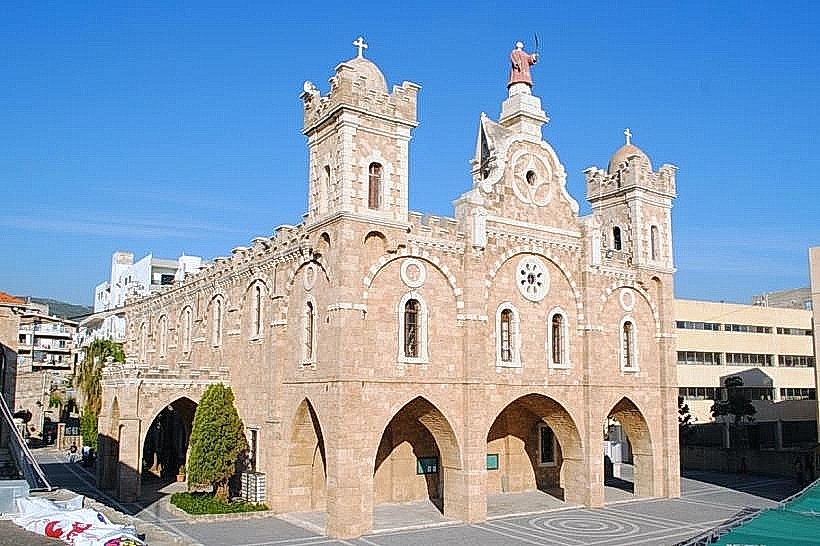
Saint George Maronite Church: 0.15km West
Our Lady of the Sea Church (Saydet El Bahr): 0.3km West
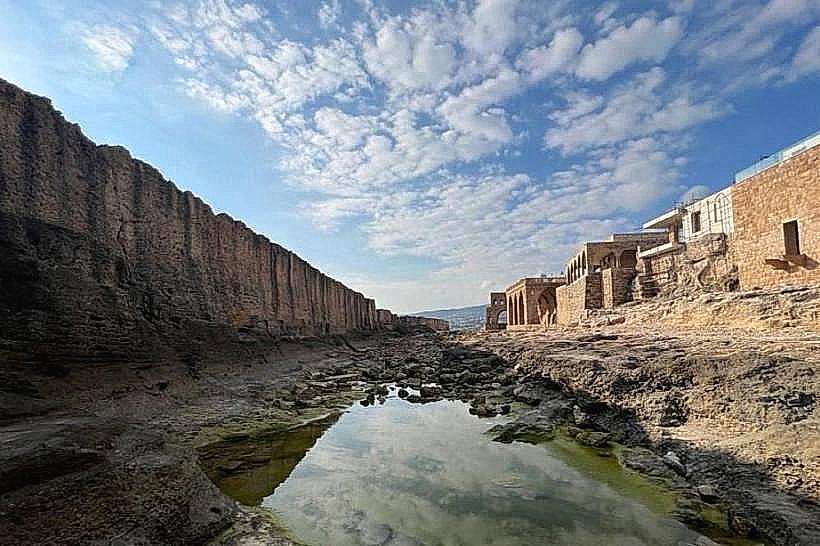
Phoenician Sea Wall: 0.35km West
Makedonas Roman Theatre Ruins: 0.4km Northeast