Landmark: Batroun Wineries
City: Batroun
Country: Lebanon
Continent: Asia
Batroun Wineries, Batroun, Lebanon, Asia
The Batroun Wineries comprise a network of independent viticultural estates situated across the terraced mountainsides of the Batroun District in North Lebanon Governorate. This sub-region functions as the second-largest wine-producing zone in Lebanon, accounting for approximately 6% of national output through specialized boutique viticulture.
Visual Characteristics
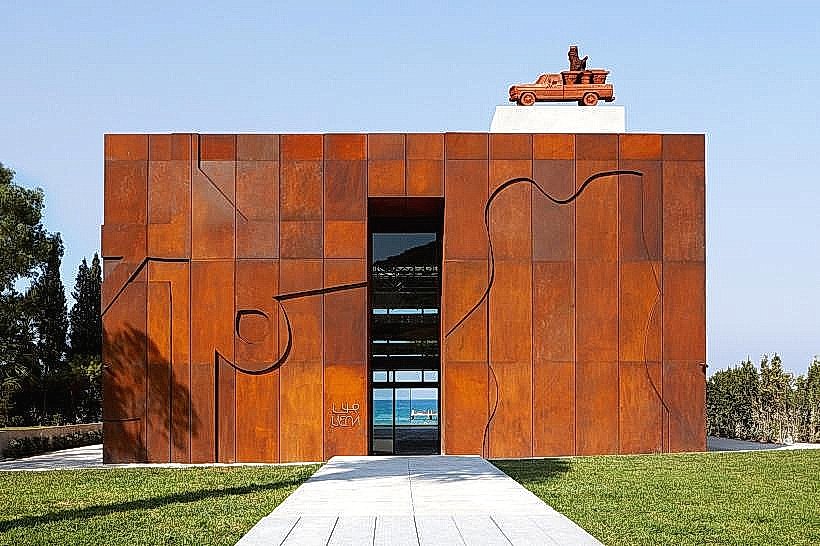
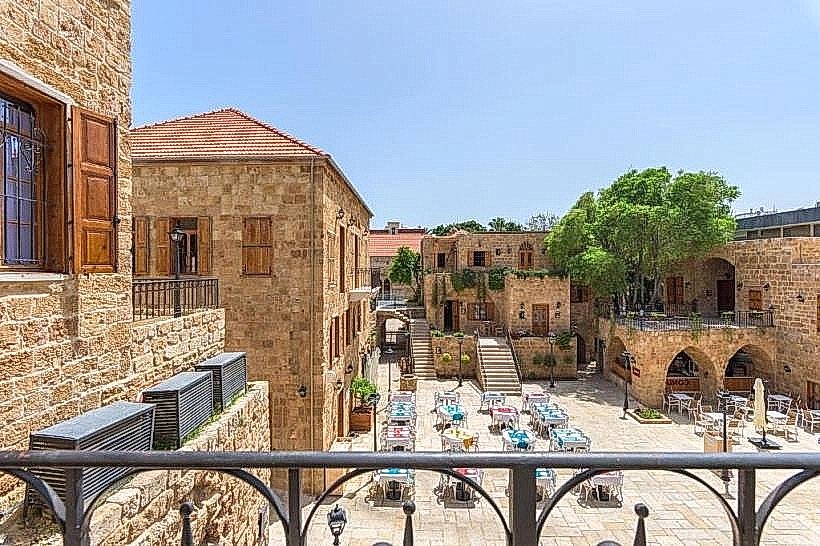
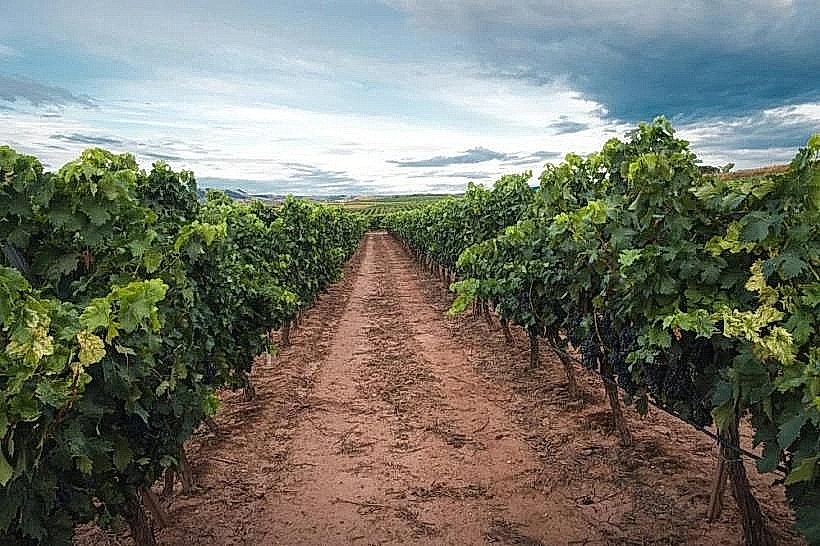
The vineyards are characterized by narrow agricultural terraces carved into steep limestone slopes, ranging in elevation from 400 to 1,500 meters above sea level. The terrain features a combination of white calcareous limestone, gravelly rock formations, and pockets of reddish ferric clay soil. The winery facilities themselves typically fuse traditional Levantine architecture-utilizing local dry-stone masonry, arcaded portals, and vaulted cellars-with modern industrial crushing and temperature-controlled stainless steel fermentation complexes.
Location & Access Logistics
The estates are distributed throughout several inland mountain villages including Eddé, Basbina, Kfifane, Smar Jbeil, and Rachkideh, located 5 to 15 kilometers east of the coastal city of Batroun. Access from Beirut (55 kilometers south) is via the main maritime highway north past the Madfoun checkpoint, followed by regional asphalt routes such as the Batroun-Kfifane road or the Iaal highway winding inland. Public transit options are limited to coastal buses dropping passengers at the Batroun highway intersection, requiring private taxis or vehicles to reach the individual inland estates. Most established wineries maintain dedicated gravel or paved parking areas for visitors.
Historical & Ecological Origin
The region possesses a maritime-mountainous microclimate within a Mediterranean classification, receiving roughly 300 days of annual sunshine mitigated by cool night breezes from the Mediterranean Sea. Archaeological evidence tracks the origins of viticulture in Batroun to Phoenician maritime trade networks around 2000 BCE, centered at the ancient port of Botrus. The modern revival of commercial boutique viticulture began in the early 2000s, driven by independent winemakers establishing micro-estates to utilize the low-yield, flavor-concentrating stress properties of the local rocky terrain.
Key Highlights & Activities
Primary operations involve scheduled technical vineyard walks, cellar inspections of French oak barrel aging rooms, and structured oenological tastings. Selected estates feature dedicated processing viewing platforms where visitors can observe seasonal sorting and pressing mechanisms. Some locations, such as IXSIR Winery and Sept Winery, offer on-site culinary pairings featuring regional ingredients designed to match specific vintages.
Infrastructure & Amenities
The major commercial estates are equipped with modern visitor pavilions, indoor tasting rooms, and public restroom facilities. Natural shade is supplemented by pergolas, mature oak trees, and stone terrace overhangs. Cellular connectivity (4G) is functional across the primary village networks, though signal strength can fluctuate within deep stone barrel cellars. Permanent food services are restricted to estates with built-in restaurants, while smaller boutique operations require advance reservations and do not provide independent dining facilities.
Best Time to Visit
The optimal period for weather conditions and viewing active vineyard operations is from May through October. The annual grape harvest, or vendange, occurs between late August and late September depending on the altitude of the specific plot, providing direct observation of agricultural processing. For photography, the late afternoon hours (16:00 to 18:00) provide optimal lighting conditions as the sun sets over the Mediterranean sea, illuminating the west-facing terraced mountain slopes.
Facts & Legends
A verified botanical attribute of the Batroun region is its focus on resurrecting indigenous ancient grape varieties, specifically Obaideh and Merwah, which were historically restricted to arak distillation or table use but are now vinified into high-end white monovarietals. Numerically, the district represents one of the steepest altitudinal viticultural gradients in the world, where grapevines are cultivated across a vertical span of over 1,000 meters within less than 20 kilometers of lateral distance from the shoreline.
Nearby Landmarks
Smar Jbeil Citadel: 1.5km West (from Atibaia estate)
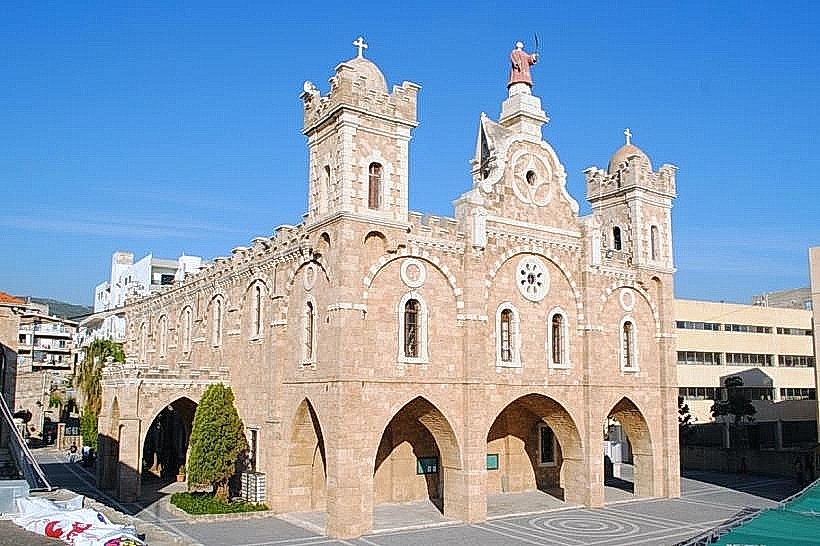
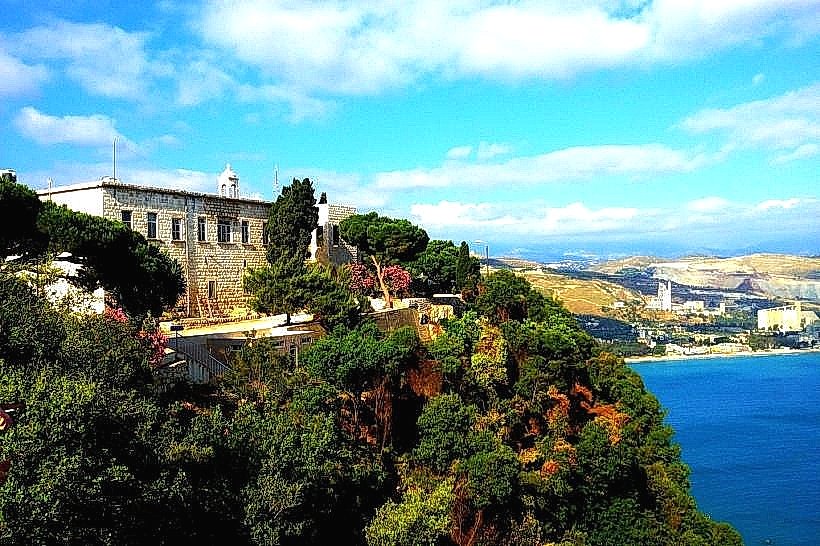
Monastery of St. Joseph Al Dahr (Tomb of Saint Rafqa): 3.2km South
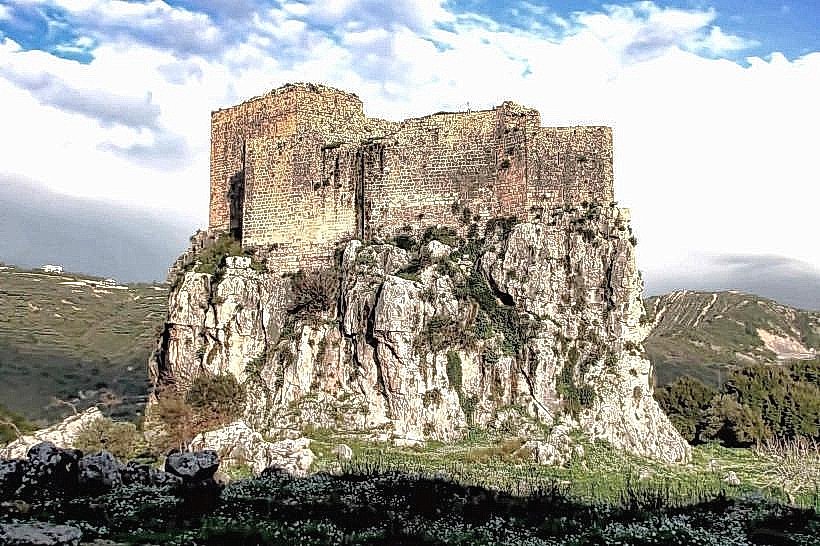
Mseilah Fort: 4.5km Northwest
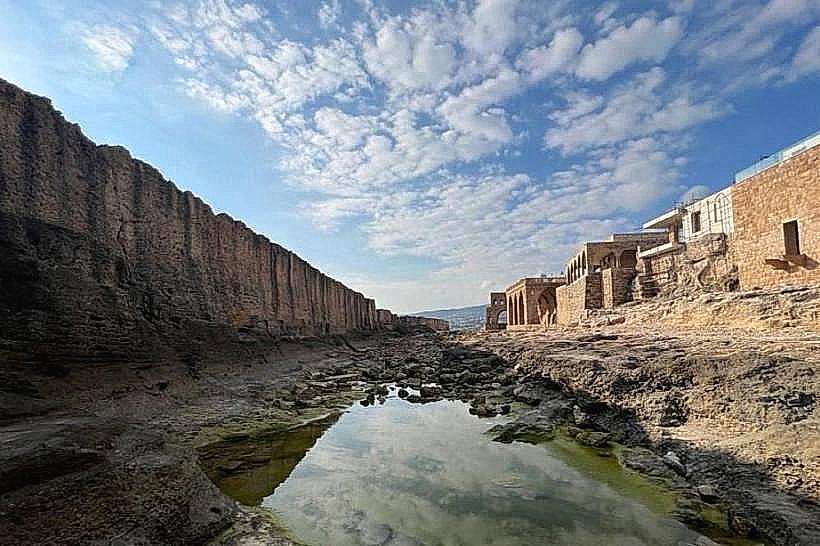
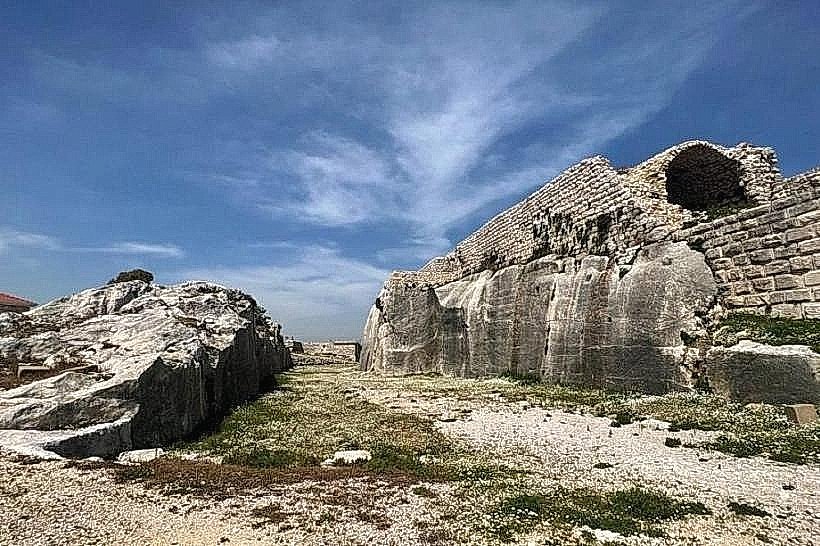
Phoenician Wall (Batroun Coast): 6.5km West