Landmark: Nabu Museum
City: Batroun
Country: Lebanon
Continent: Asia
Nabu Museum, Batroun, Lebanon, Asia
The Nabu Museum is a private cultural institution located on the Mediterranean coast in the village of El-Heri, near Chekka within the Batroun District of North Lebanon Governorate. It serves as a regional repository for contemporary and modern art from the Levant, alongside a preservation space for ancient Mesopotamian, Phoenician, and Roman antiquities.
Visual Characteristics
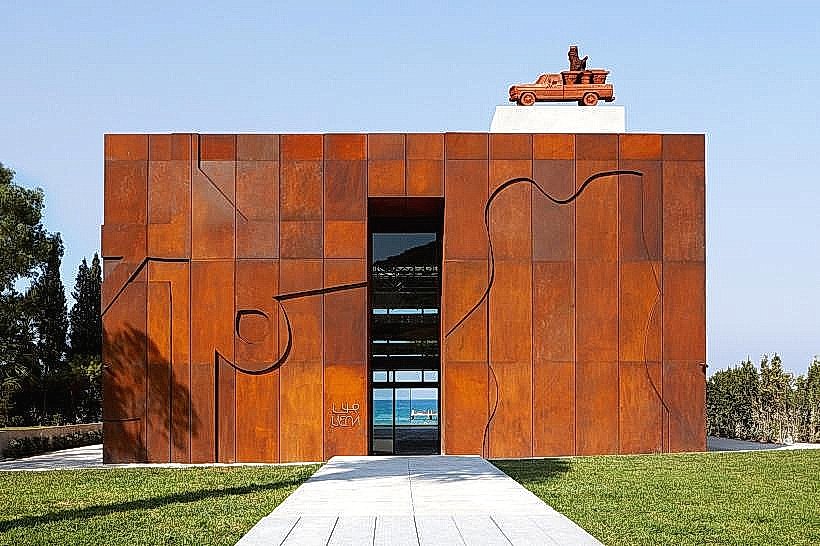
The museum building features a modernist architectural profile designed by Iraqi-Canadian artist Dia Azzawi and Lebanese architect Assem Salam. The exterior facade is completely enveloped in weather-resistant, dark green-patinated marine bronze panels that feature abstract calligraphic and geometric reliefs. The interior layout is defined by high-ceilinged, open-plan galleries with minimalist white walls, polished concrete flooring, and an expansive floor-to-ceiling glass wall that offers an unobstructed view of the adjacent sea and private beach area.
Location & Access Logistics
The facility occupies a seafront plot directly off the main maritime highway connecting Batroun to Tripoli, approximately 65 kilometers north of Beirut and 5 kilometers north of central Batroun. Drivers can access the site by taking the coastal highway past the Ras Chekka tunnel and exiting at the El-Heri coastal intersection. A private, secure asphalt parking lot is located directly within the museum gates. Public transportation options are limited to northern-bound intercity buses from Beirut that stop along the main highway, requiring a 500-meter walk toward the shoreline.
Historical & Ecological Origin
The museum was established in 2018 by local businessmen and art collectors Jawad Adra, Fady Barrage, and Zeina Adra. The institution was named after Nabu, the ancient Mesopotamian patron deity of literacy, wisdom, and scribes. The structural foundation sits directly on a low-lying coastal alluvial plain composed of maritime sands and marine limestone deposits characteristic of the North Lebanon shoreline.
Key Highlights & Activities
Visitors can conduct self-guided viewings of the rotating temporary exhibitions, which combine contemporary paintings, sculptures, and photographs with ancient archeological artifacts like cuneiform tablets, Phoenician amulets, and Roman glass. The outdoor seaside terrace allows for close inspection of large-scale contemporary sculptures. The museum routinely hosts specialized cultural lectures, book launches, and educational workshops inside its main hall.
Infrastructure & Amenities
The facility is equipped with modern infrastructure, including wheelchair-accessible ramps, Climate-Controlled exhibition galleries, and public restroom facilities located near the entrance foyer. Shade is available under the deep architectural overhangs of the seaside terrace and within the indoor galleries. Cellular network coverage (4G/5G) is stable throughout the property. A small boutique cafe operates inside the museum building, providing beverages and light snacks to visitors.
Best Time to Visit
The optimal time for interior viewing and architectural photography is during the mid-to-late afternoon, when the changing angle of the sun reflects off the textured bronze exterior panels and provides soft natural lighting through the massive sea-facing glass wall. The museum operates year-round, but the months from May to October provide the most favorable weather for utilizing the outdoor coastal terrace.
Facts & Legends
A verified architectural detail is that the dark green bronze panels covering the exterior were prefabricated in workshops in Germany before being shipped to Lebanon, designed specifically to oxidize over time under the influence of salt-laden sea air to create a naturally evolving protective patina. Structurally, the museum's permanent collection houses rare, intact Phoenician terracotta funerary masks that offer researchers an uninterrupted visual timeline of ancient coastal burial practices in the Levant.
Nearby Landmarks
Chekka Public Beach: 1.2km East
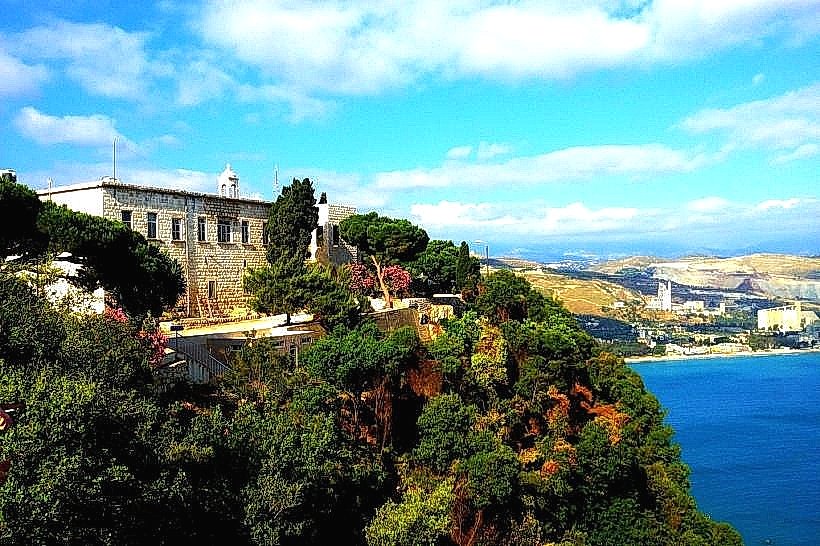
Lady of Noorieh Monastery (Saydet el-Nourieh): 2.8km Southwest
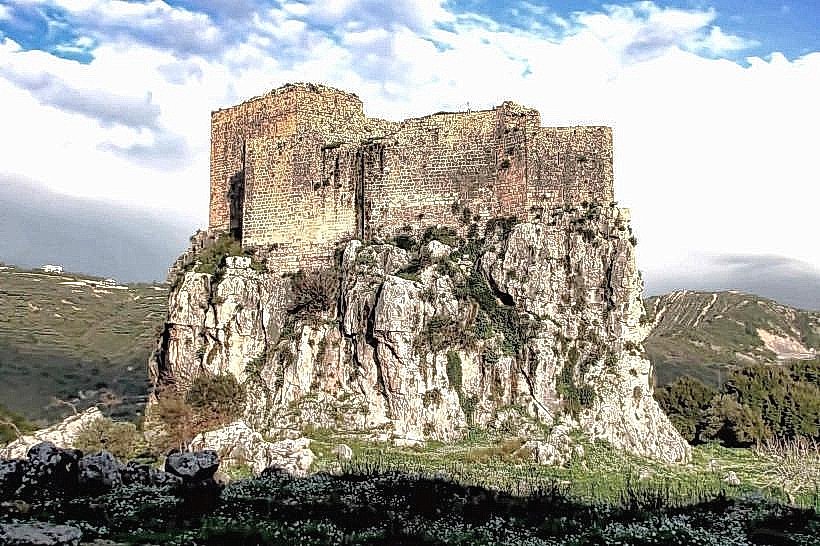
Mseilha Fort: 3.5km South
Smar Jbeil Citadel: 6.2km South