Landmark: Our Lady of the Sea (Saydet el-Bahr)
City: Batroun
Country: Lebanon
Continent: Asia
Our Lady of the Sea (Saydet el-Bahr), Batroun, Lebanon, Asia
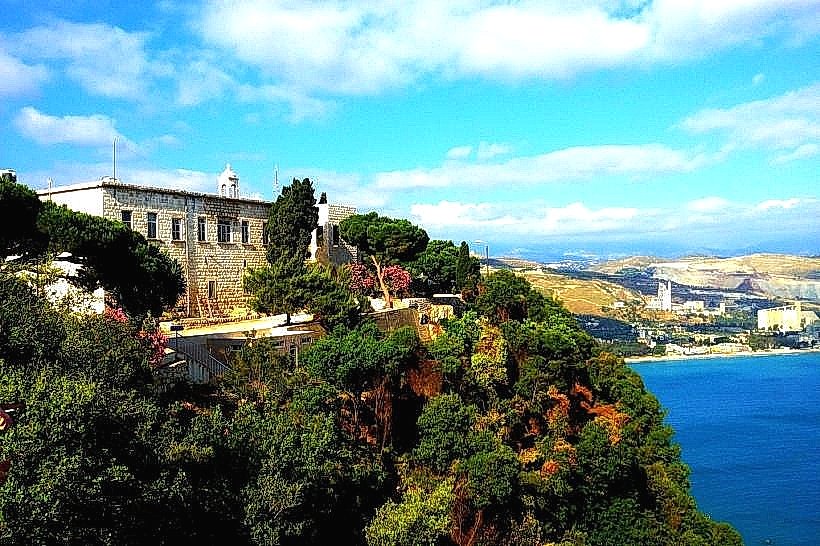
The Our Lady of the Sea Church (Saydet el-Bahr) is a historic Greek Orthodox chapel positioned on a rocky promontory along the western maritime edge of Batroun, Lebanon. It stands as a primary religious and coastal landmark for the city, serving as a functional place of worship and a symbol of maritime protection.
Visual Characteristics
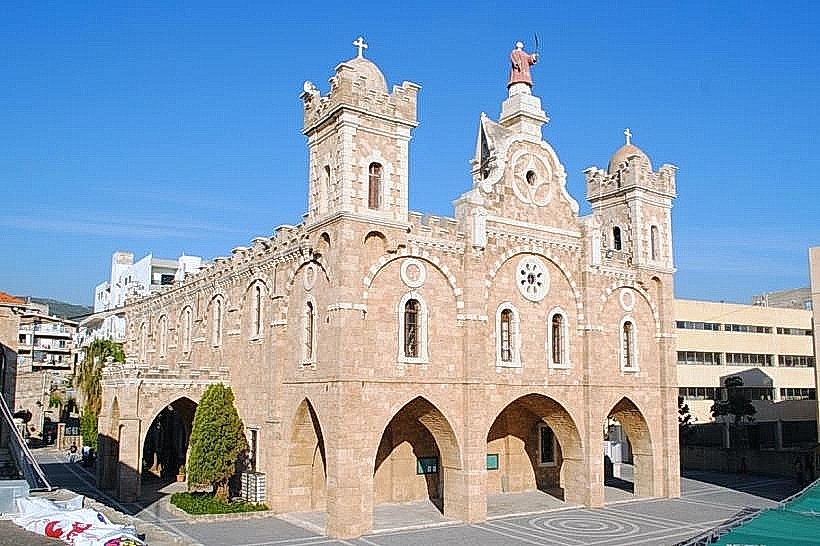
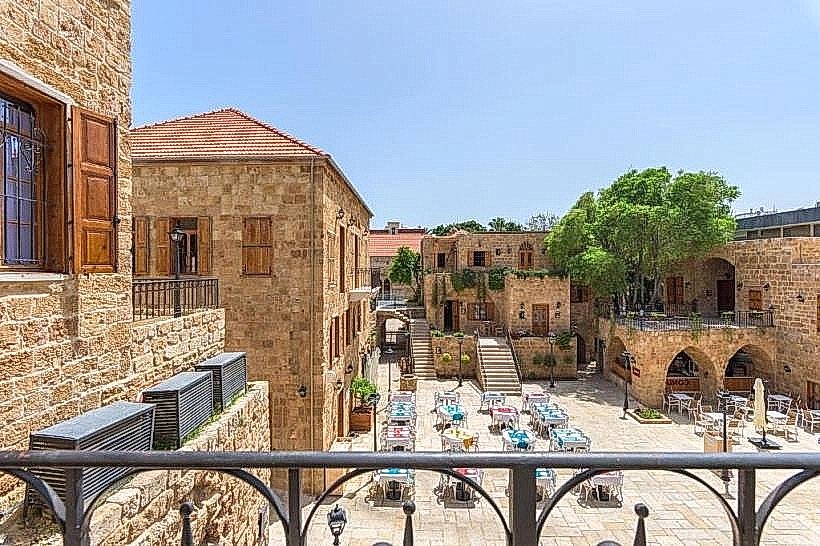
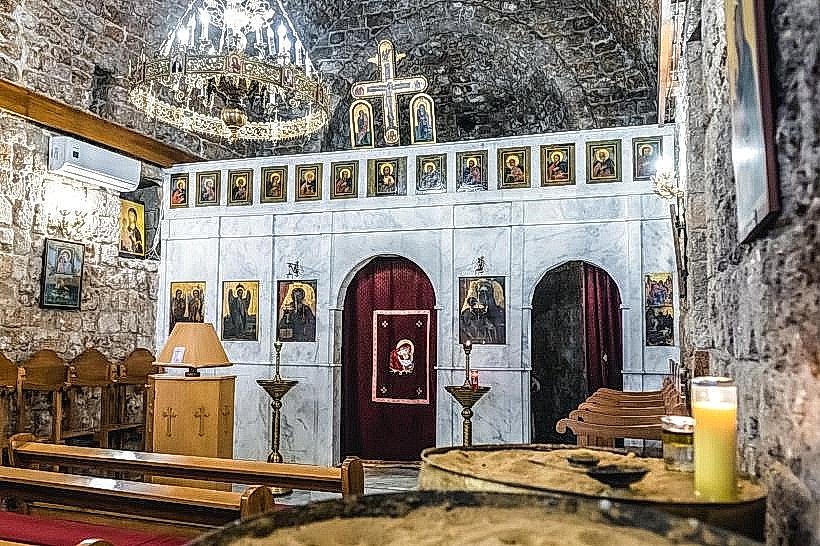
The chapel is a compact, single-cell structure constructed from dressed yellow ramleh sandstone blocks salvaged from the adjacent coast. The architecture is characterized by a low vaulted roof, thick defensive walls, and a small open-arched stone bell tower mounting the western facade. The interior features white plastered walls, a simple stone altar, and a collection of traditional Orthodox icons, while a prominent arched stone terrace extends from the western side directly over the sea.
Location & Access Logistics
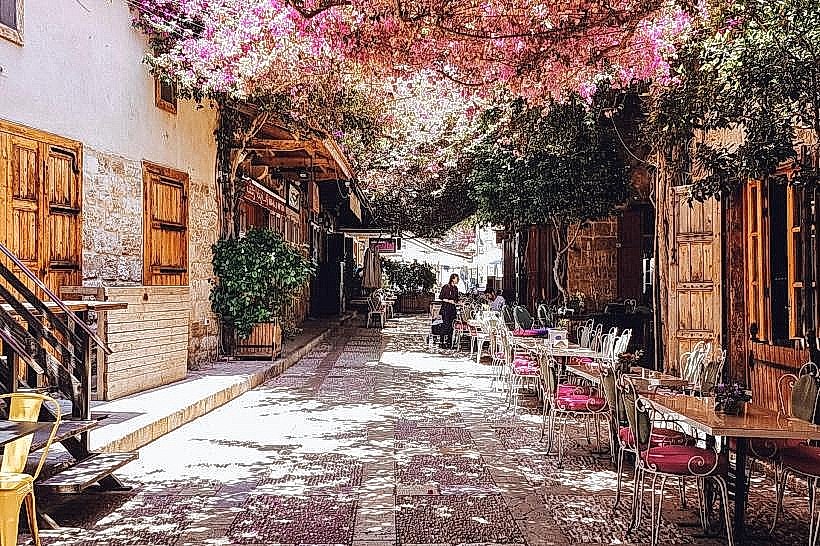
The church is situated at the westernmost point of the old town peninsula in Batroun, directly overlooking the Mediterranean shoreline. Access from Beirut (55 kilometers south) is via the main coastal highway, exiting west into the historic quarter of Batroun. Visitors can navigate the narrow stone alleys of the old town on foot to reach the church square. Public parking is available in a municipal lot immediately adjacent to the church terrace, and local buses from Beirut drop passengers on the highway, requiring a 15-minute walk westward.
Historical & Ecological Origin
The existing chapel structure was built during the 19th century under Ottoman rule, replacing a much older Byzantine-era church that had collapsed into the sea due to coastal erosion and seismic activity. The foundations rest directly on a rocky oolitic limestone platform formed by petrified sand dunes. It was designed to serve as a sanctuary for the local fishing community, who historically funded its maintenance.
Key Highlights & Activities
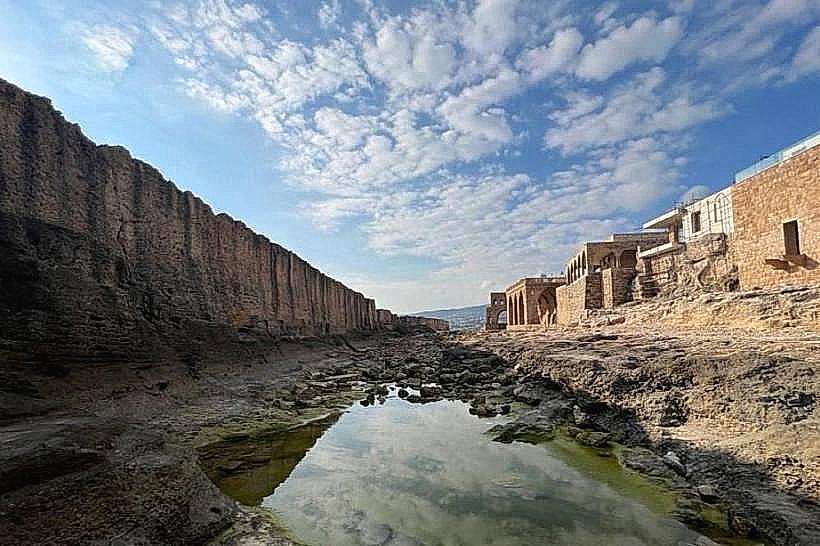
Visitors can view the interior vaulted masonry and the historical icons during open hours when services are not in progress. The outdoor stone terrace provides an elevated viewing platform for observing the ancient Phoenician Sea Wall and the coastal horizon. The site is a central point for local religious processions, particularly during maritime feast days.
Infrastructure & Amenities
The immediate church courtyard does not contain independent public restroom facilities, but options are available in the commercial venues nearby. Shade is provided by the stone arches of the western terrace and the shadow of the main building. Cellular network coverage (4G/5G) is stable across the entire site. Multiple seafood restaurants, cafes, and local lemonade stands operate within a 100-meter radius along the old port promenade.
Best Time to Visit
The late afternoon is the optimal time for photography, as the setting sun aligns directly with the western terrace and illuminates the sandstone facade against the sea. The dry months from April to November offer the most stable weather for visiting the exposed coastal promontory. Visiting during winter storms provides dramatic wave views but requires caution due to sea spray and slippery rock surfaces.
Facts & Legends
A verified architectural feature of the church is its western arched terrace, which was specifically engineered to act as a structural breakwater, absorbing the impact of high winter waves to prevent the foundation of the main chapel from eroding into the Mediterranean. Local maritime lore claims that the icon of Our Lady of the Sea has historically guided lost fishermen back to the Batroun harbor during sudden Mediterranean squalls, with the light from the chapel windows serving as a natural lighthouse.
Nearby Landmarks
Phoenician Sea Wall: 0.1km North
Saint George Maronite Church: 0.2km East
Old Souks of Batroun: 0.25km East
Makedonas Roman Theatre Ruins: 0.55km Northeast