City: Byblos
Country: Lebanon
Continent: Asia
Byblos, Lebanon, Asia
Byblos, known locally as Jbeil, serves as the primary administrative and touristic center of the Jbeil District. It is situated on a sandstone cliff along the Mediterranean coast, approximately 37 kilometers north of Beirut.
Historical Timeline
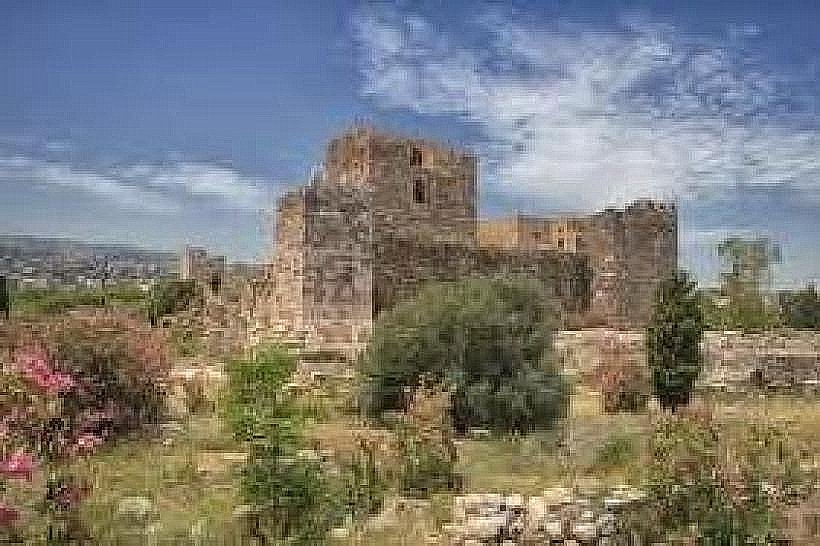
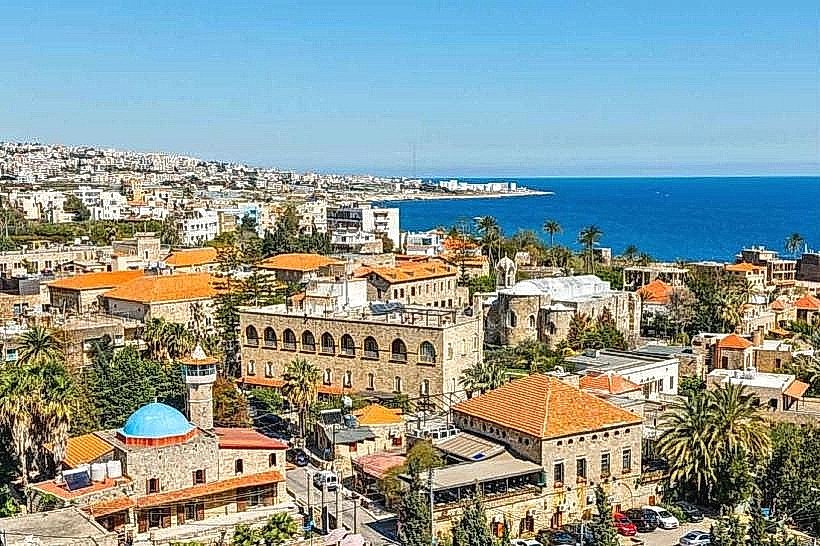
Byblos is one of the oldest continuously inhabited cities in the world, with archaeological evidence of settlement dating to 8000 BCE. It became a major Phoenician city-state by 3000 BCE, serving as the principal port for cedar exports to Egypt. The city transitioned through Persian, Hellenistic, Roman, Byzantine, and Arab rule before being captured by Crusaders in 1104, who constructed the prominent Gibelet Castle. The primary event shaping its current urban form was the 12th-century Crusader fortification and the subsequent Ottoman-era residential expansion that created the current "Old Town" layout.
Demographics & Population
The total population within the municipal limits is approximately 40,000, though the greater metropolitan area including surrounding hills houses roughly 100,000. The population is predominantly Maronite Christian with a significant Shia Muslim minority. The median age is approximately 33 years.
Urban Layout & Key Districts
The city is organized around its historical port and the adjacent archaeological site.
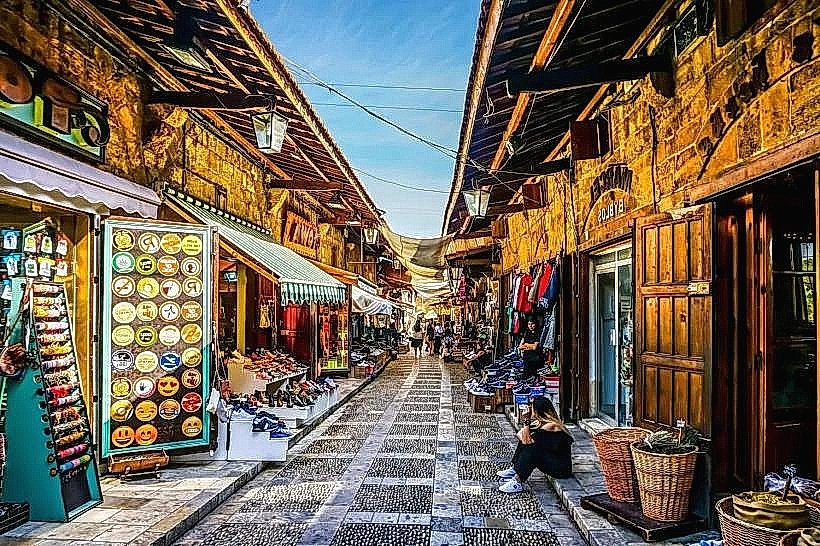
Old Town (The Souks): The pedestrian-heavy historical core located directly east of the harbor.
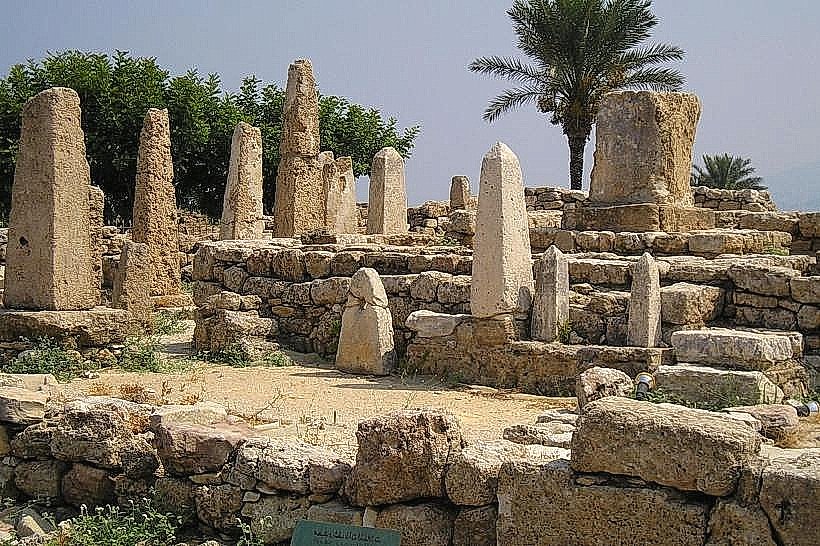
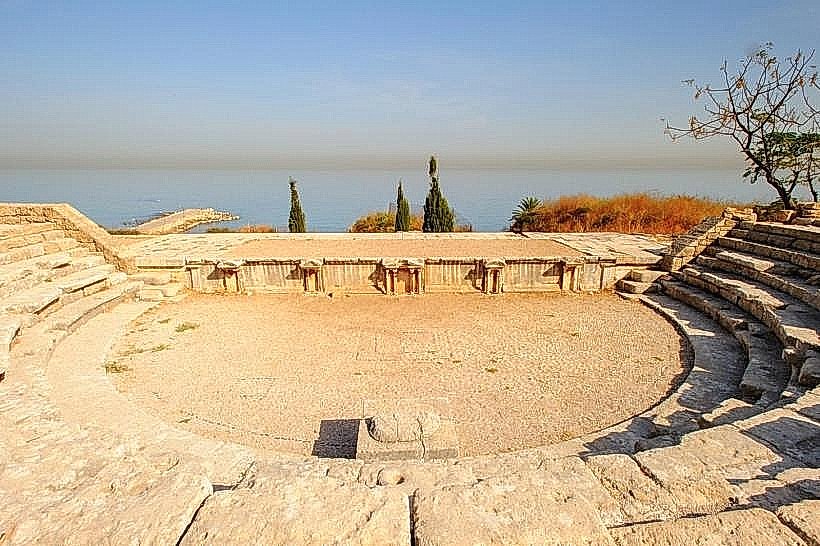
The Archaeological Site: A fenced inland area containing ruins from the Neolithic to the Crusader periods.
Voie Romaine: The modern commercial center and transit artery located east of the historical district.
Top City Landmarks
Byblos Castle: A 12th-century Crusader fortress built from indigenous limestone and Roman spolia.
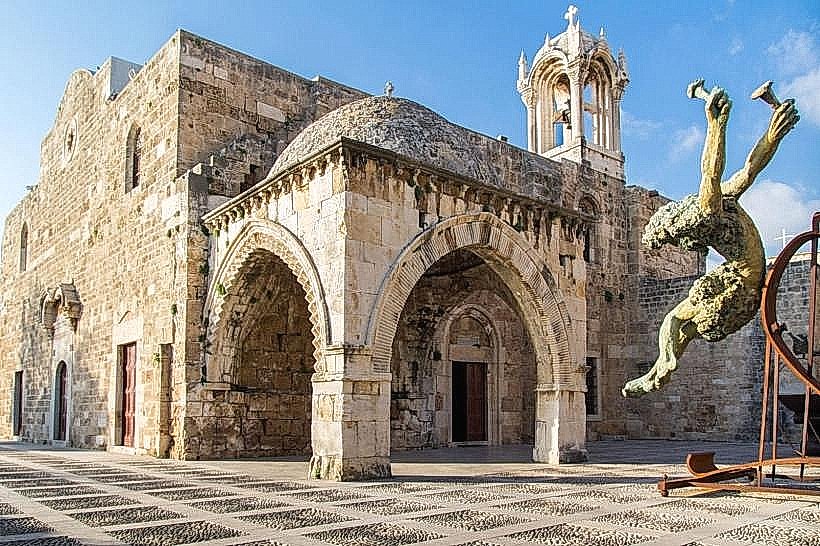
Church of Saint John the Baptist: A Romanesque cathedral constructed by the Crusaders in 1115.
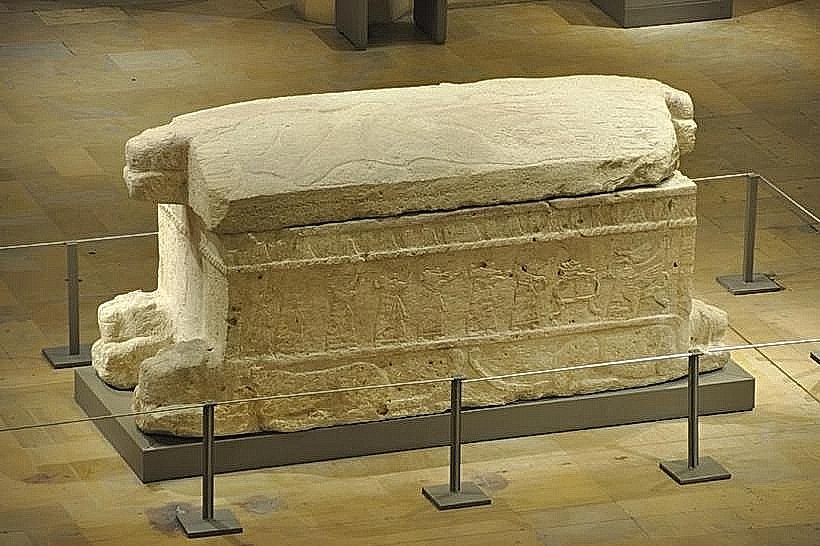
The Phoenician Royal Necropolis: A site containing nine underground shaft tombs, including the Sarcophagus of Ahiram.
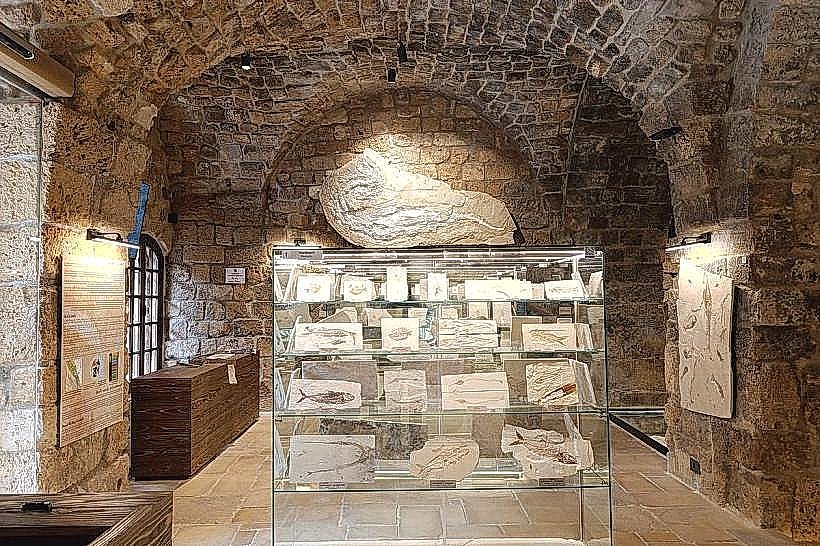
Byblos Fossil Museum: A facility housing 100-million-year-old marine fossils found in the nearby mountains.
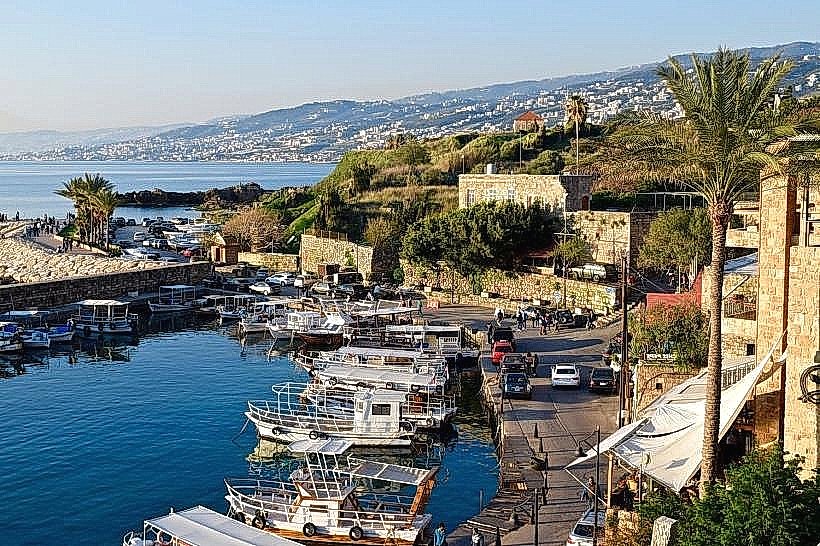
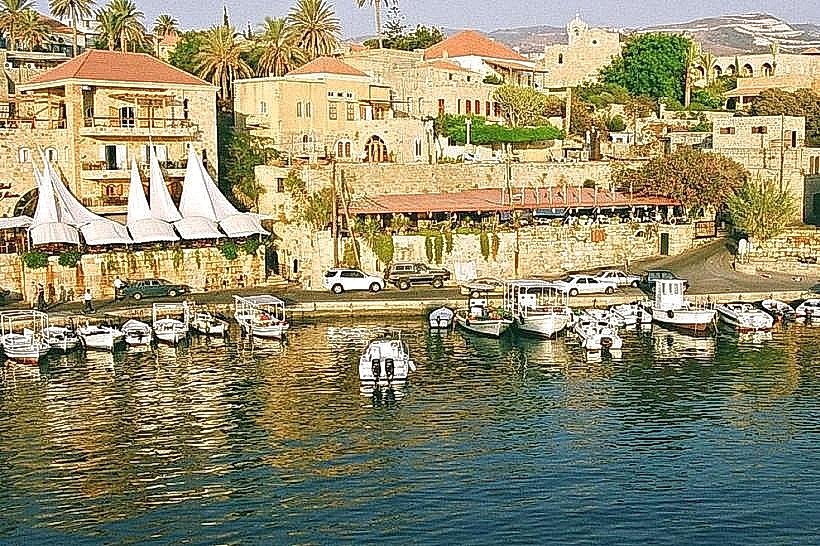
The Ancient Harbor: One of the oldest functional ports in the Mediterranean, now used by fishing and leisure boats.
Transportation Network
Movement within the historical center is exclusively pedestrian. For broader transit, the city relies on the North Lebanon Highway. White taxis with red plates and "Service" shared taxis are the primary transit modes. While Uber is available, availability is lower than in Beirut. Traffic density is severe at the city’s southern entrance and along the highway during weekends.
Safety & "Red Zones"
Byblos is consistently ranked as one of the safest cities in Lebanon. There are no designated "Red Zones" or neighborhoods to avoid. Visitors should exercise standard caution regarding personal belongings in the crowded Souks during peak summer evenings.
Digital & Financial Infrastructure
Average internet speed is 25-45 Mbps. Mobile carriers Alfa and Touch provide comprehensive 4G coverage. Card acceptance is high in hotels, upscale restaurants, and beach resorts, but cash (USD or LBP) is required for most shops in the Old Souk and for local transportation. ATMs are concentrated along the Voie Romaine.
Climate & Air Quality
The city has a Mediterranean climate. Summer (June–August) temperatures range from 24°C to 32°C with high humidity. Winter (December–February) is mild, ranging from 11°C to 18°C. Air quality is significantly better than in Beirut or Tripoli due to the lack of heavy industry and consistent sea breezes.
Culture & Social Norms
The social environment is liberal and tourism-oriented. Tipping of 10% is expected. Public greetings are Westernized (handshakes). Dress codes are relaxed, though modest attire is required for entering the Church of Saint John. Alcohol is widely available and served in most establishments within the Old Town and harbor area.
Accommodation Zones
Old Town/Harbor: Stay here for immediate walking access to historical sites and nightlife.
Mastita/Amchit: Stay in these adjacent coastal areas for large-scale beach resorts and quieter residential environments.
Local Cost Index
1 Espresso: 200,000 LBP ($2.10 USD)
1 Standard Lunch: 1,200,000 LBP ($13.00 USD)
1 Shared Taxi (Service) to Jounieh: 250,000 LBP ($2.75 USD)
Nearby Day Trips
Annaya: Home to the Monastery of Saint Maron and the shrine of Saint Charbel (17 km).
Afqa Grotto: Source of the Adonis River and site of ancient ruins (28 km).
Batroun: Coastal town known for its Phoenician wall and breweries (15 km).
Bentael Nature Reserve: A protected forest area for hiking (8 km).
Facts & Legends
The city is the namesake of the Bible; the Greeks imported papyrus from Egypt through this port, calling it "Byblos" (papyrus), which eventually became the term for "book." A verified historical oddity is the Sarcophagus of King Ahiram, found in the local necropolis, which bears the oldest known inscription of the fully developed Phoenician alphabet, the direct ancestor of almost all modern phonetic alphabets.