Landmark: Old Souk of Byblos
City: Byblos
Country: Lebanon
Continent: Asia
Old Souk of Byblos, Byblos, Lebanon, Asia
The Old Souk of Byblos is a medieval commercial marketplace located in the historic heart of Jbeil (Byblos), Lebanon. It serves as an active pedestrian bazaar specializing in local crafts, antiques, and regional textiles.
Visual Characteristics
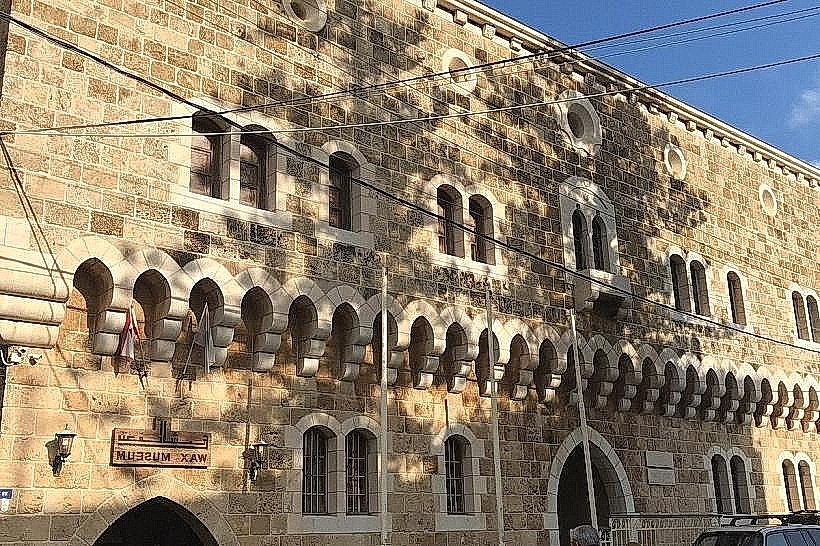
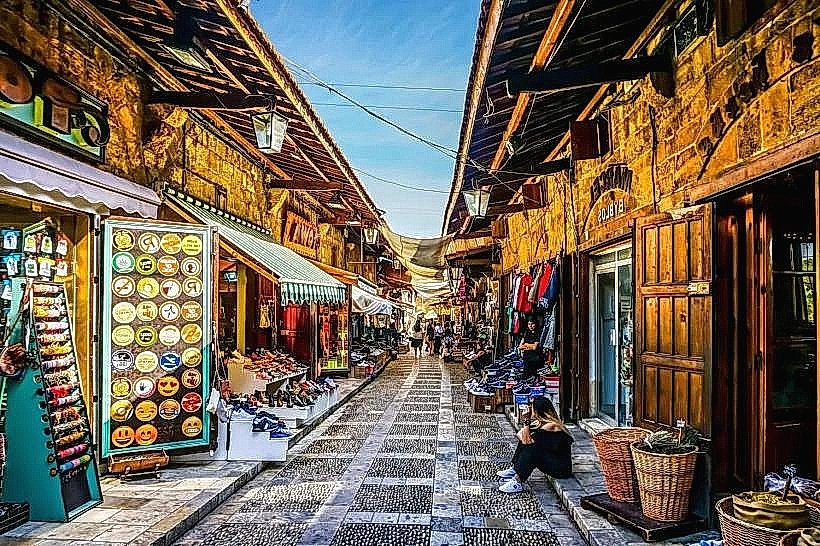
The marketplace is characterized by narrow cobblestone lanes flanked by one- and two-story sandstone buildings. The shops feature arched doorways, traditional wooden shutters, and decorative wrought-iron fixtures. Overhead, sections of the main thoroughfare are covered by vaulted stone ceilings or wooden trellises that filter natural sunlight, while the ground is paved entirely with weathered limestone pavers.
Location & Access Logistics
The souk is situated in the coastal old quarter of Byblos, approximately 38 kilometers north of Beirut via the Beirut-Tripoli highway. Vehicles must exit the highway at the main Byblos junction and head west toward the historic port. Paid municipal parking lots are located immediately at the eastern and southern entrances to the pedestrianized market zone. Public coastal buses drop passengers at the highway intersection, leaving a 600-meter walk westward down to the market entrance.
Historical & Ecological Origin
The existing structural architecture of the marketplace dates primarily to the Ottoman period in the late 19th century, though it was built directly over the foundations of earlier Mamluk and Crusader commercial sectors. It was originally engineered to serve as the central economic hub for local agricultural trade, silk merchants, and maritime goods arriving at the adjacent ancient harbor.
Key Highlights & Activities
Pedestrian exploration of the cobblestone alleys and shopping for artisanal goods, traditional Phoenician alphabet replicas, and local spices are the main activities. Photography of the uniform sandstone architecture and arched storefronts is common throughout the lanes. Casual dining and sampling of local Lebanese street food or traditional coffee can be done at various open-air stalls interspersed throughout the market.
Infrastructure & Amenities
The covered portions of the souk provide intermittent shade, but the main thoroughfares are exposed to weather conditions. Public restrooms are not directly available in the street grid but can be accessed inside the adjacent Byblos Citadel visitor center or within local restaurants. Cellular signal (4G/5G) is consistently strong and stable throughout the open-air market corridors. Scores of cafes, restaurants, banks, and convenience stores operate directly within the marketplace perimeter.
Best Time to Visit
The best time for photography is during the late afternoon from 4:00 PM to 6:00 PM when warm sunlight illuminates the sandstone walls, or during the evening when the paths are artificially lit. The souk is active seven days a week, with shops generally operating from 10:00 AM until late at night. The most comfortable months for walking the outdoor market are April through June and September through November.
Facts & Legends
During a major municipal rehabilitation project in the late 20th century, modern asphalt was stripped away to reveal the original Ottoman-era cobblestones beneath, which were carefully restored to preserve the historic street level. Local shopkeepers pass down accounts claiming that the foundational stones of several shops on the western edge contain hidden inscriptions carved by medieval stonemasons during the Crusader occupation.
Nearby Landmarks
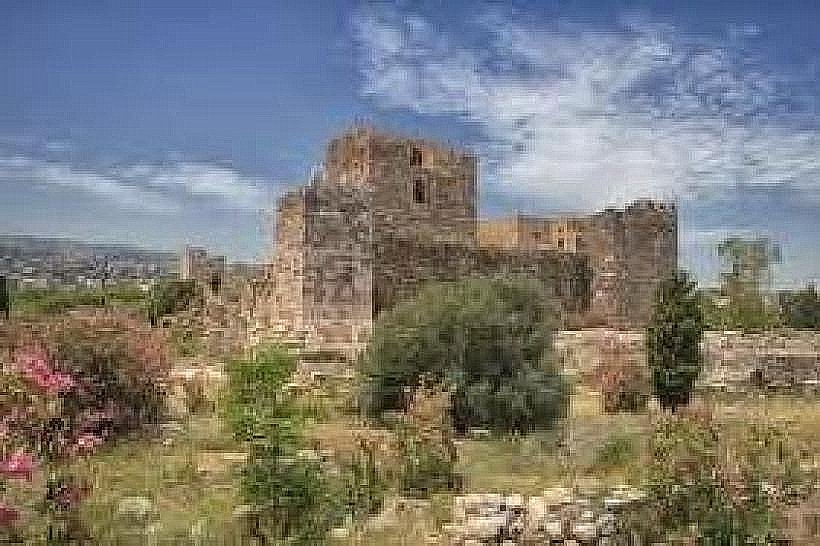
Byblos Castle: 0.1km West
Sultan Abdul Majid Mosque: 0.05km West
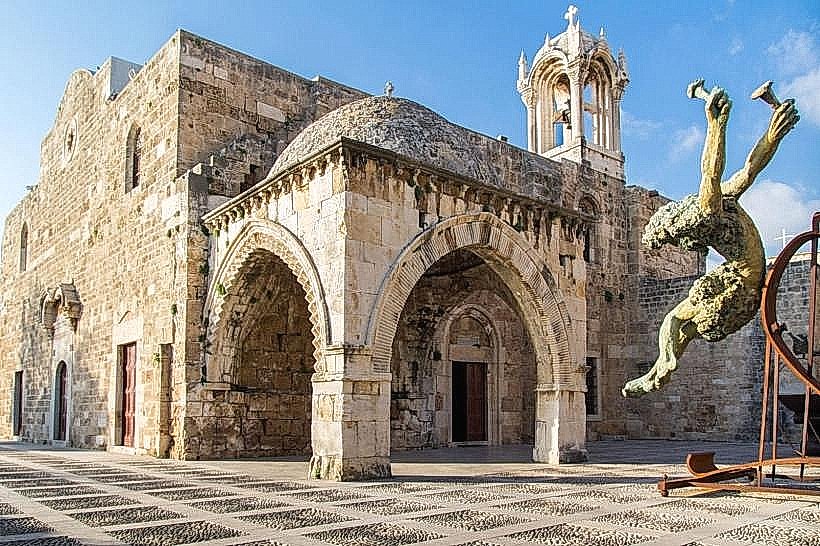
St. John-Marc Church: 0.25km West
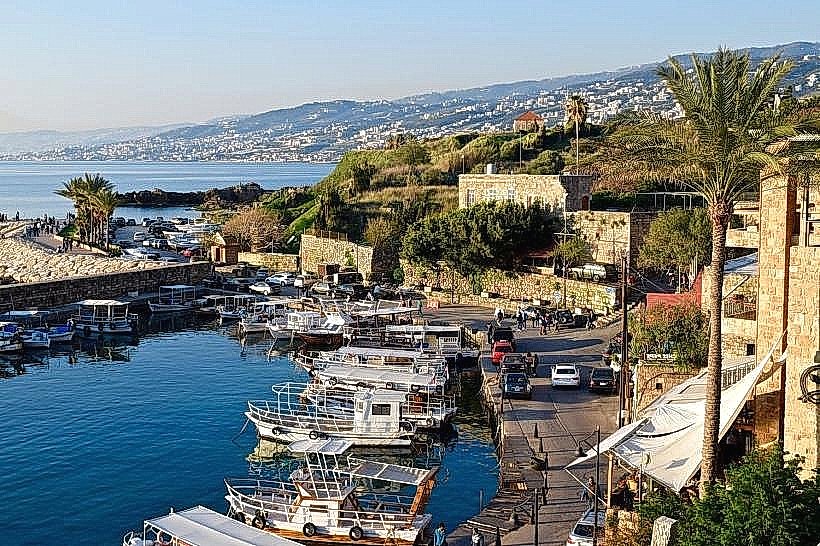
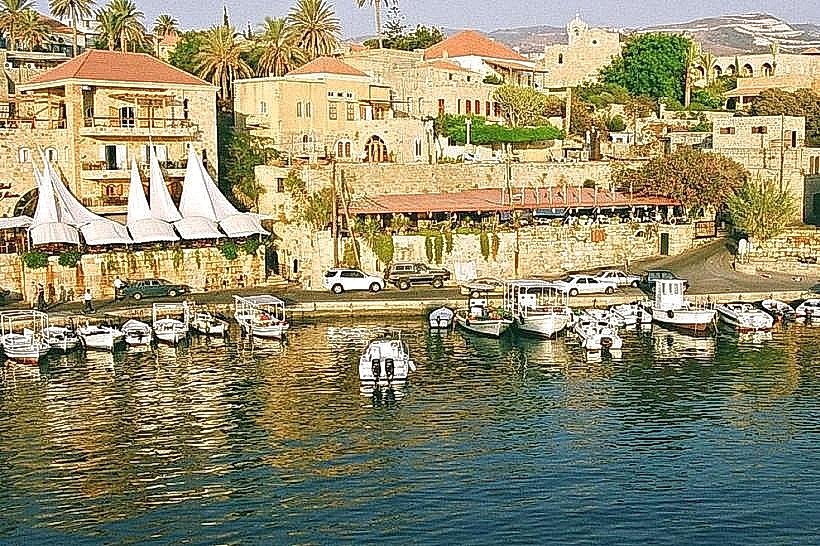
Byblos Historic Phoenician Port: 0.35km West