Landmark: Roman Theater
City: Byblos
Country: Lebanon
Continent: Asia
Roman Theater, Byblos, Lebanon, Asia
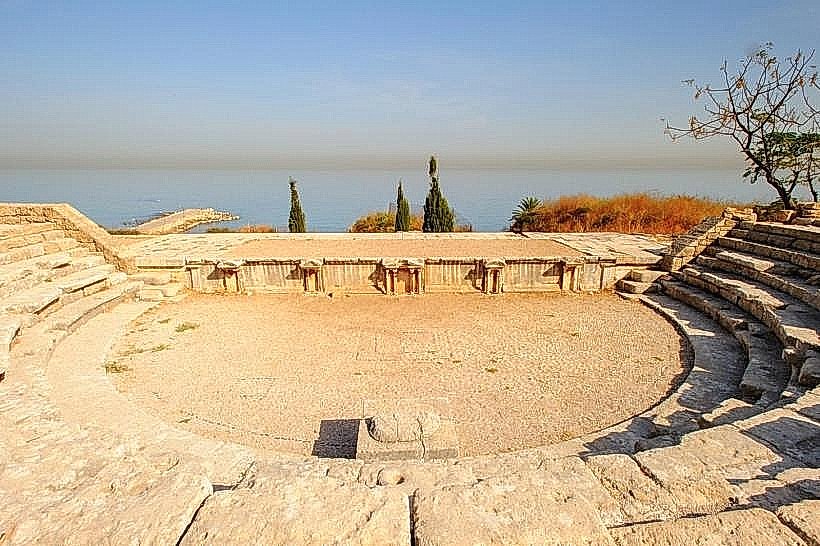
The Roman Theater is an ancient performance venue situated within the primary archaeological site of Byblos (Jbeil), Lebanon. The structure occupies a coastal bluff in the westernmost sector of the excavation park, overlooking the Mediterranean Sea.
Visual Characteristics
The monument is a semi-circular amphitheater constructed from local pale yellow limestone blocks. It features a reconstructed cavea (seating area) consisting of five tiers of stone benches divided by a central radial staircase. The semicircular orchestra floor is paved with smooth, fitted limestone flags, enclosing a preserved central mosaic segment that depicts Bacchus, the Roman god of wine, amidst geometric borders. The scaenae frons (stage background) is absent, leaving the open sea directly visible behind the low stage platform.
Location & Access Logistics
The theater is located inside the gated Byblos Archaeological Site on Rue de la Citadelle, approximately 38 kilometers north of central Beirut. Access from the capital is via the Beirut-Tripoli Highway (Route 51), taking the Jbeil exit and proceeding west toward the old harbor. Visitors must park at the municipal parking lot near the entrance of the historic quarter, 400 meters east of the ticketing gate. Public transit buses from Beirut’s Charles Helou Station drop passengers at the main Byblos highway junction, leaving a 15-minute westbound walk to the site entrance.
Historical & Ecological Origin
The theater was originally constructed in 218 BC during the early Roman period to serve as a venue for local theatrical and musical performances. The structure originally stood much larger, located in the north-eastern sector of the ancient city grid near the Roman colonnade. During excavations conducted by French archaeologist Maurice Dunand in the 1930s, the remaining third of the theater was disassembled block-by-block and relocated to its current coastal position to allow for the clearance of the deeper, underlying Early Bronze Age strata.
Key Highlights & Activities
Foot transit and sitting are permitted across the stone tiers of the cavea for panoramic views of the coastal edge. Visitors can inspect the geometric patterns of the floor mosaic situated at the center of the orchestra. The elevated top tier provides a clear vantage point for photographing the intersection of Roman stonework against the Mediterranean coastline.
Infrastructure & Amenities
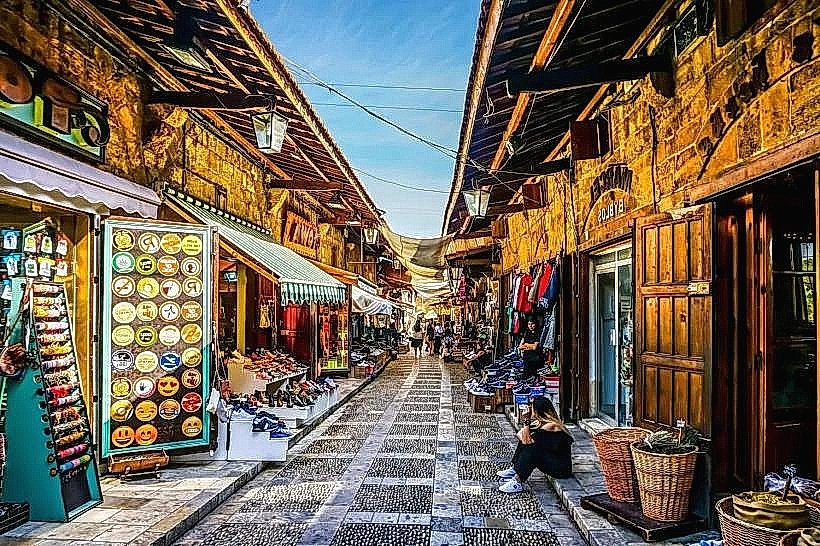
There are no restroom facilities, shade structures, or benches at the immediate theater installation; these amenities are located exclusively at the main visitor entrance center 300 meters north-east. The open-air coastal bluff offers zero protection from solar radiation or maritime winds, requiring personal sun and wind protection. Cellular coverage via regional operators Alfa and Touch is stable, delivering continuous 4G and 5G signals. Food and beverage options are located outside the archaeological park gates within the adjacent Old Souk.
Best Time to Visit
The optimal period for photography is from 16:30 to 18:30, when the setting sun illuminates the limestone seats directly from the west and highlights the texture of the stone blocks. The most favorable months for visiting are April through June and September through November to avoid extreme summer humidity or winter storms. Midday visits in July and August present elevated heat levels due to total exposure.
Facts & Legends
The relocation of the theater created a unique chronological anomaly: the Roman structure now rests topographically on top of much older Neolithic and Chalcolithic settlement layers that predate the Roman Empire by several millennia, a configuration engineered solely by 20th-century archaeology.
Nearby Landmarks
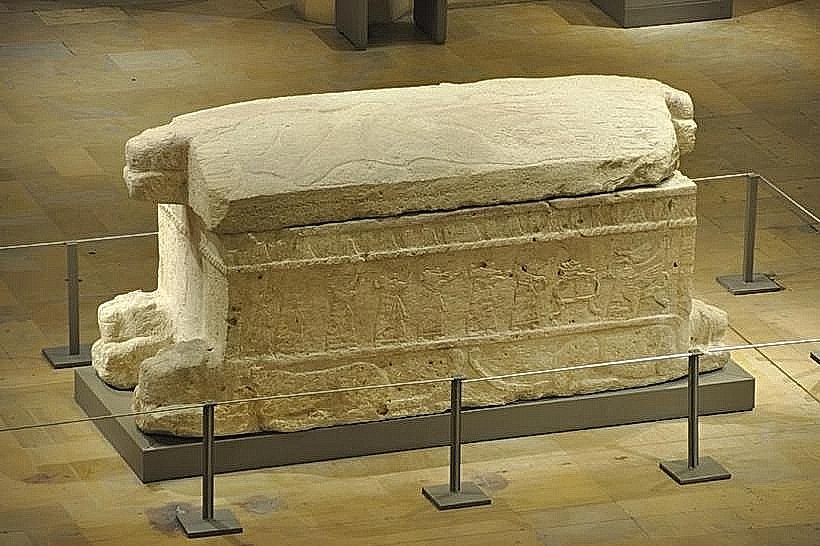
Royal Tombs – 0.1km East
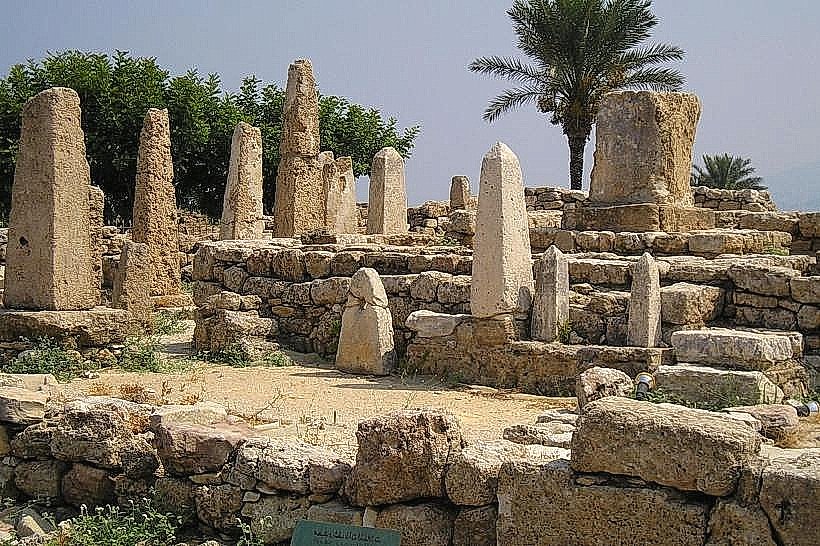
Obelisk Temple – 0.15km East
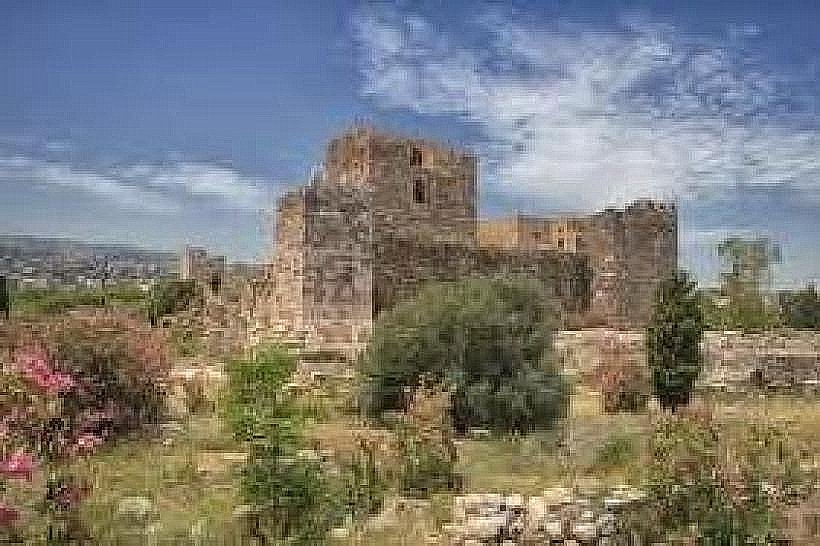
Byblos Citadel – 0.25km North-East
Ancient Phoenician Port – 0.3km North
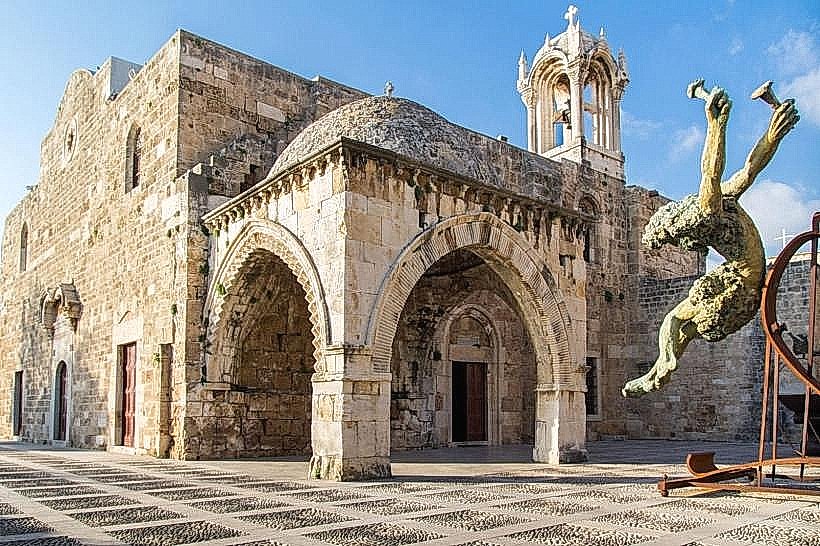
Saint John-Marc Church – 0.35km North-East