Landmark: Byblos Fossil Museum
City: Byblos
Country: Lebanon
Continent: Asia
Byblos Fossil Museum, Byblos, Lebanon, Asia
The Byblos Fossil Museum (Mémoire du Temps) is a specialized private geological museum located within the historic old souk of Jbeil (Byblos), Lebanon. It displays a comprehensive collection of prehistoric marine fossils excavated from the mountains of the Lebanese hinterland.
Visual Characteristics
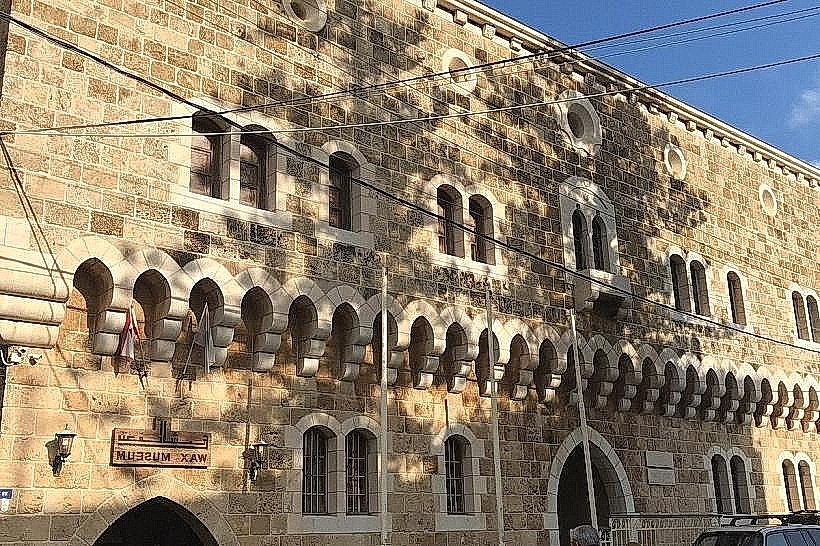
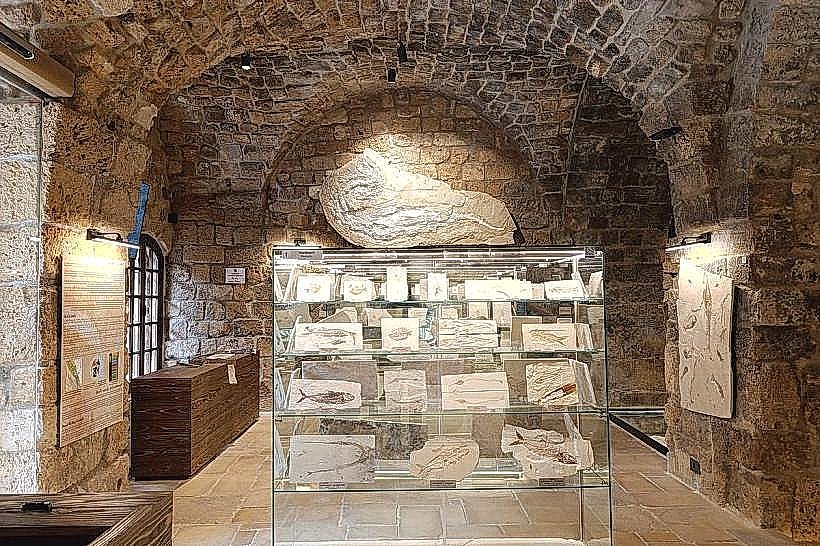
The museum is housed within a traditional single-story Ottoman-era building constructed from local yellow sandstone blocks. The interior features exposed stone walls, a vaulted ceiling, and a single-room exhibition layout equipped with custom-lit glass display cases. The exhibits showcase highly detailed, preserved specimens of ancient marine life embedded in light-colored limestone slabs.
Location & Access Logistics
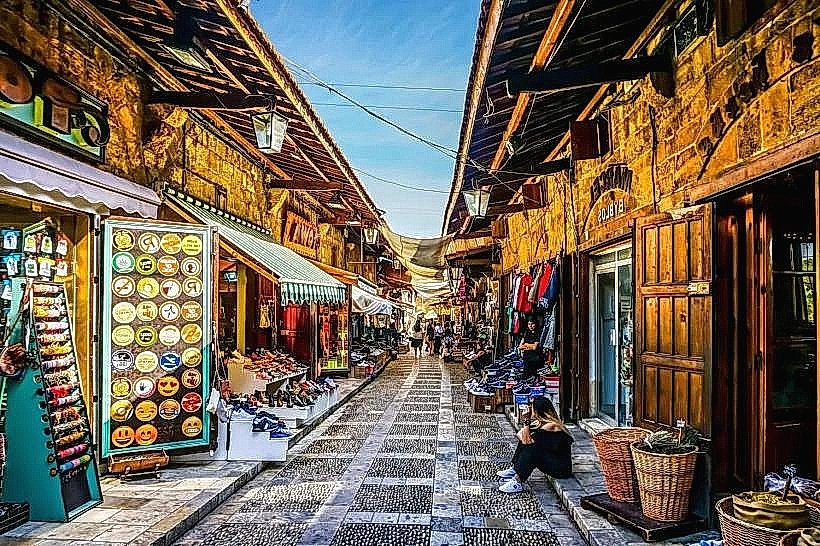
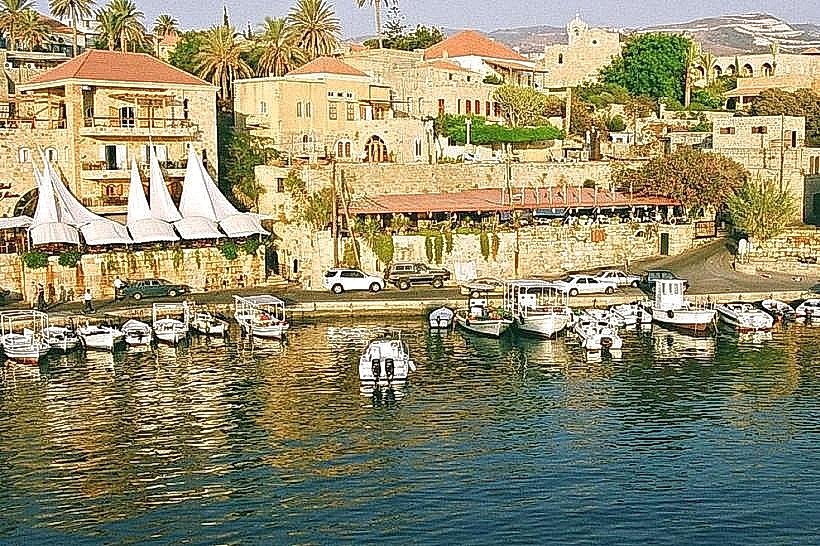
The landmark is situated directly on the main pedestrian cobblestone lane of the Old Souk of Byblos, roughly 38 kilometers north of Beirut. Access is via the coastal highway, exiting west toward the historic center. Vehicles must park at the municipal parking lots at the edge of the pedestrian zone, followed by a 200-meter walk into the market. Coastal public buses drop passengers at the Byblos highway junction, which is a 10-minute walk from the museum.
Historical & Ecological Origin
The museum was established in 1991 by the Abi Saad family to house and display specimens systematically excavated from the micro-layered limestone quarries of Hakel, Hjula, and Nammoura. These fossil beds date back approximately 100 million years to the Cenomanian stage of the Late Cretaceous epoch, when the region was entirely submerged under the ancient Tethys Ocean.
Key Highlights & Activities
Viewing exceptionally preserved fossils of prehistoric sharks, rays, flying fish, lobsters, and turtles is the primary activity. Educational explanations regarding the unique fossilization process that preserved soft tissues and fine skeletal details are provided by resident experts. Purchasing authenticated, legally collected fossil specimens and educational replicas is possible at the museum shop.
Infrastructure & Amenities
The museum interior is fully enclosed, sheltered, and climate-controlled, providing protection from outdoor weather conditions. There are no public restrooms inside the small exhibition room, but facilities are available in the immediate surrounding restaurants and at the nearby citadel. Cellular signal (4G/5G) is strong and stable inside the building. Food vendors, cafes, and amenities are abundant directly outside the entrance within the souk.
Best Time to Visit
The museum can be visited at any time of day as the exhibition relies entirely on indoor artificial display lighting. It is open daily from 9:00 AM to 6:00 PM. The ideal months for a visit correspond with the milder tourist seasons of spring (March to May) and autumn (September to November) to avoid the heavy summer crowds in the narrow souk lanes.
Facts & Legends
Several specimens from this collection represent entirely new species previously unknown to science, with some displaying intact fossilized pigment patterns and stomach contents. A geological fact highlighted at the site is that tectonic plate movements over millions of years elevated these ancient seafloor fossil beds from the ocean to mountain peaks located 800 meters above modern sea level.
Nearby Landmarks
Old Souk of Byblos: 0.0km (Located within the souk)
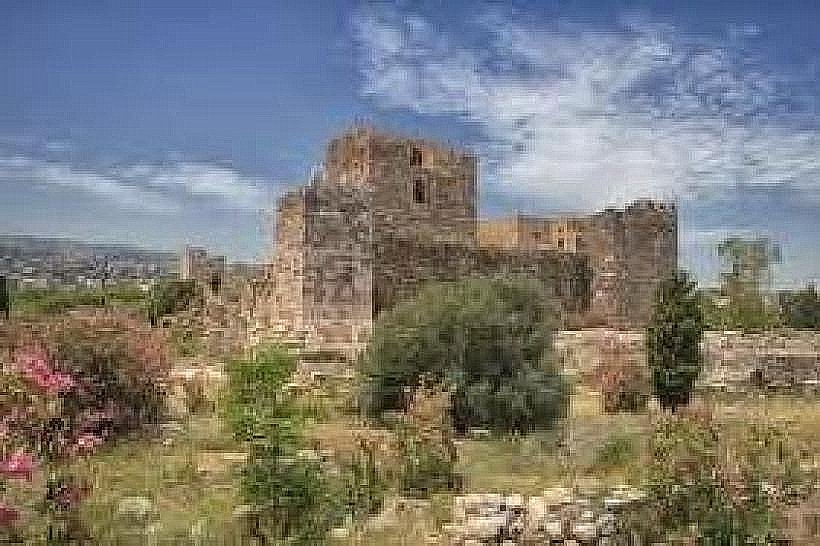
Byblos Castle: 0.15km West
Sultan Abdul Majid Mosque: 0.1km West
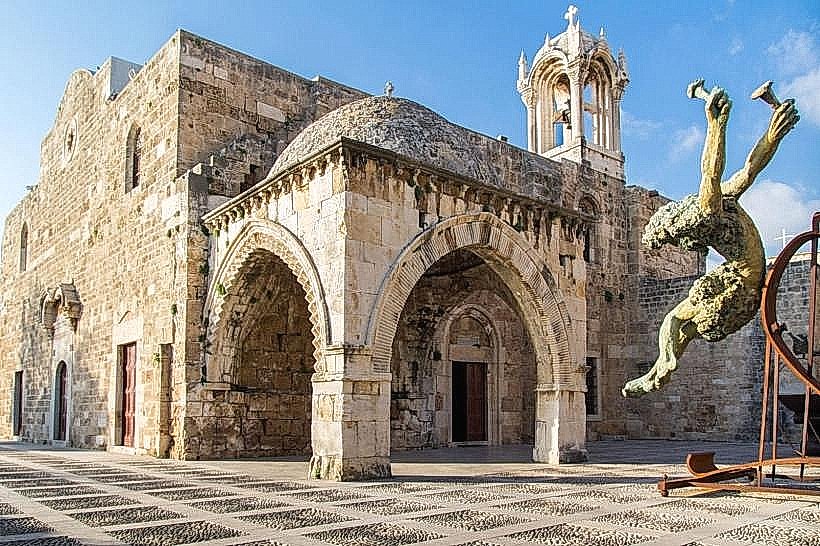
St. John-Marc Church: 0.3km West