Landmark: Byblos Wax Museum
City: Byblos
Country: Lebanon
Continent: Asia
Byblos Wax Museum, Byblos, Lebanon, Asia
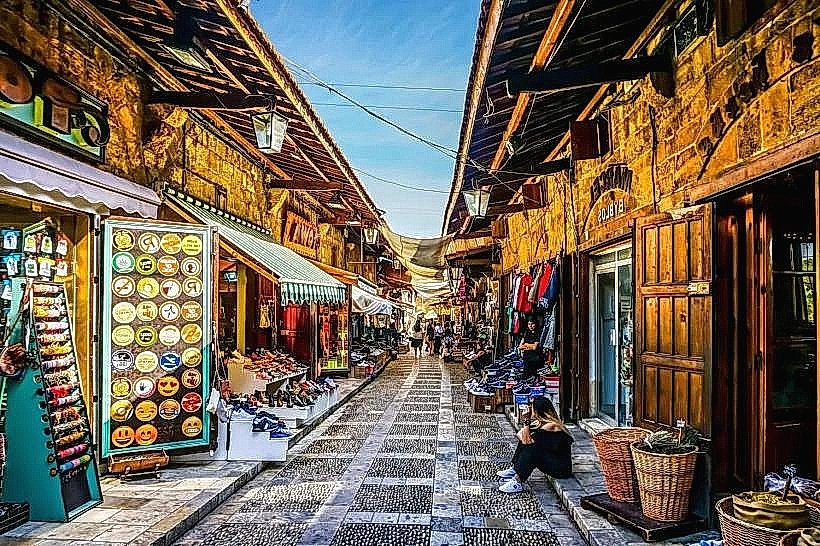
Byblos Wax Museum is a cultural exhibition facility located in the historic center of Byblos (Jbeil), Lebanon. The institution stands directly within the old pedestrian quarter, positioned adjacent to the medieval souks and the main archaeological site.
Visual Characteristics
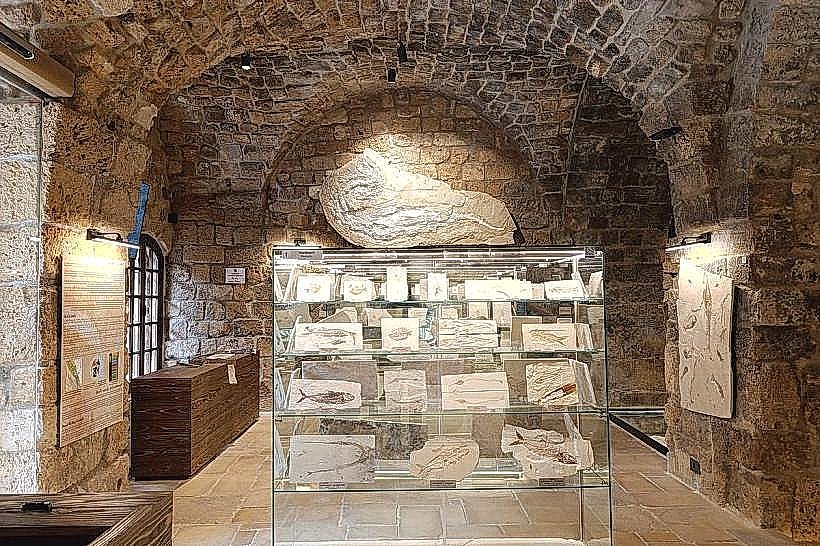
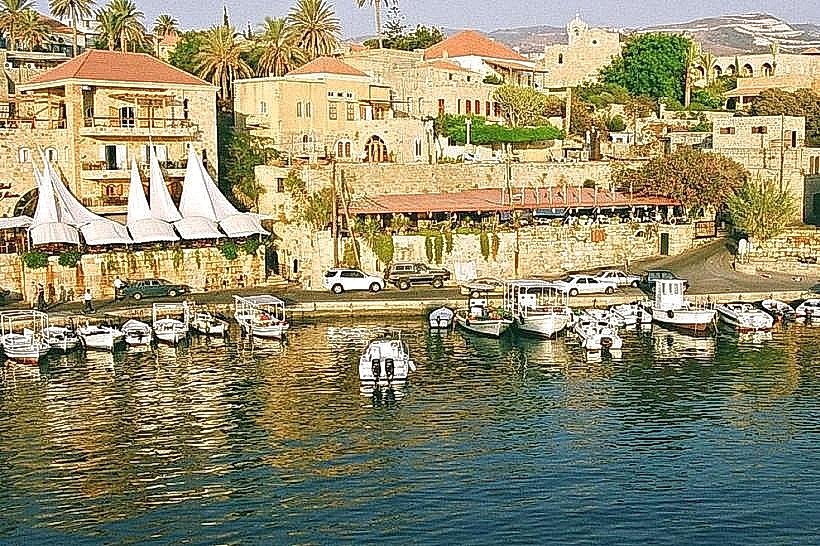
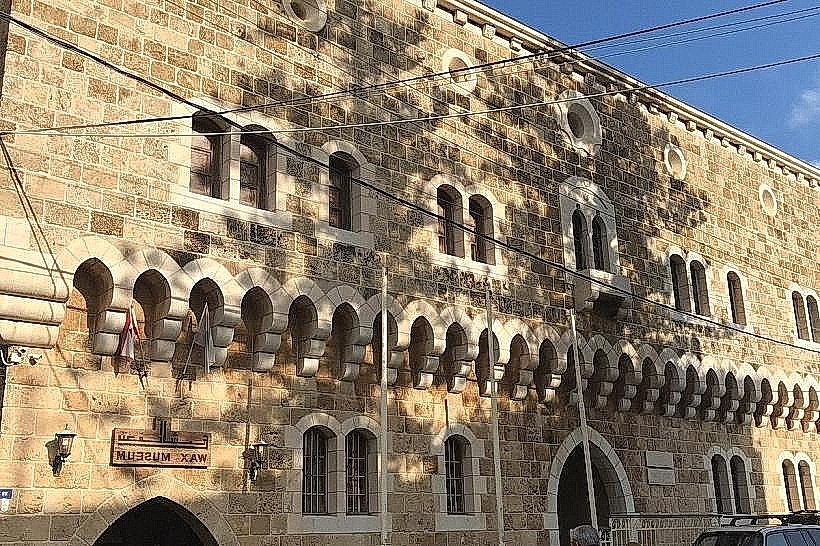
The museum occupies a traditional Lebanese stone residence constructed from yellow limestone with red-tiled roofing. The interior features vaulted stone ceilings, narrow corridors, and a series of low-lit chambers designed to showcase life-sized wax figures. The statues are dressed in historical costumes and arranged inside diorama stages outfitted with rustic tools, traditional textiles, and replicated ancient artifacts.
Location & Access Logistics
The facility is situated on a pedestrian alley in the Old Souk district of Byblos, approximately 38 kilometers north of Beirut. Access from the capital is via the Beirut-Tripoli Highway (Route 51), taking the Jbeil exit and heading west toward the historic center. The immediate area is entirely pedestrianized, requiring visitors to park at the main municipal lot near the entrance of the old town, located 250 meters east. Public buses from Beirut's Charles Helou Station stop at the Byblos highway intersection, which is a 12-minute walk from the museum.
Historical & Ecological Origin
The museum was established in 1970 by a group of Lebanese artists and historians to visually document the chronological history of the region. The building itself is a preserved late-Ottoman era residential structure, utilizing classic stone-masonry techniques common to Mount Lebanon architecture before being retrofitted to house the historical tableaus.
Key Highlights & Activities
Visitors follow a self-guided indoor walking path through chronological exhibits depicting scenes from the Phoenician maritime trade, Roman rule, Crusader conflicts, and traditional Lebanese rural life. Close inspection of the detailed costumes and historical weaponry reproductions is possible throughout the galleries. Photography of the wax dioramas and the vernacular vaulted architecture is permitted inside the facility.
Infrastructure & Amenities
Restroom facilities are available for patrons inside the museum building. The thick limestone walls of the traditional structure provide natural cooling and shade from outdoor temperatures, supplemented by internal ventilation systems. Mobile network reception from regional operators Alfa and Touch is stable, delivering 4G and 5G signals. The museum sits surrounded by the Old Souk commercial zone, offering immediate access to cafes, restaurants, and shops.
Best Time to Visit
The best time of day to visit is during the midday hours from 12:00 to 15:00 to avoid peak outdoor heat and utilize the indoor air conditioning. The museum is open year-round, making it an optimal indoor alternative during the rainy winter months of December through February or the humid summer months of July and August. Mid-week visits ensure lower foot traffic inside the narrow display corridors.
Facts & Legends
A notable logistical detail of the museum's history is that the original collection of wax figures was manufactured and sculpted in Paris by French artists before being transported to Lebanon to be installed within the medieval stone vaults.
Nearby Landmarks
Byblos Citadel – 0.25km South-East
Saint John-Marc Church – 0.1km South
Sultan Abdul Majid Mosque – 0.1km East
Ancient Phoenician Port – 0.45km South-West
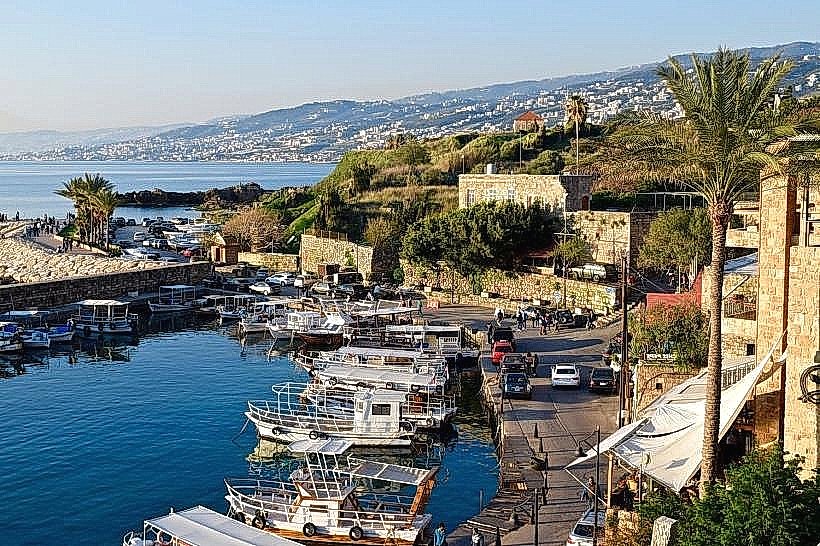
Byblos Old Souk – 0.05km East