Landmark: Pepe Abed Cultural Center
City: Byblos
Country: Lebanon
Continent: Asia
Pepe Abed Cultural Center, Byblos, Lebanon, Asia
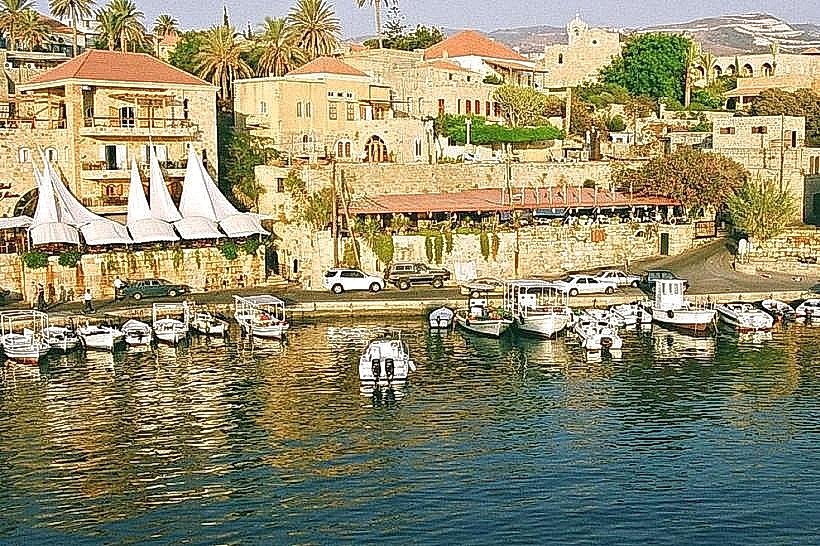
The Pepe Abed Cultural Center is a combined museum, private collection, and historical venue located in the ancient old harbor area of Byblos (Jbeil), Lebanon. The site preserves a vast collection of archaeological antiquities alongside historical photographs detailing mid-20th-century political and celebrity visits to the adjacent Byblos Fishing Club.
Visual Characteristics
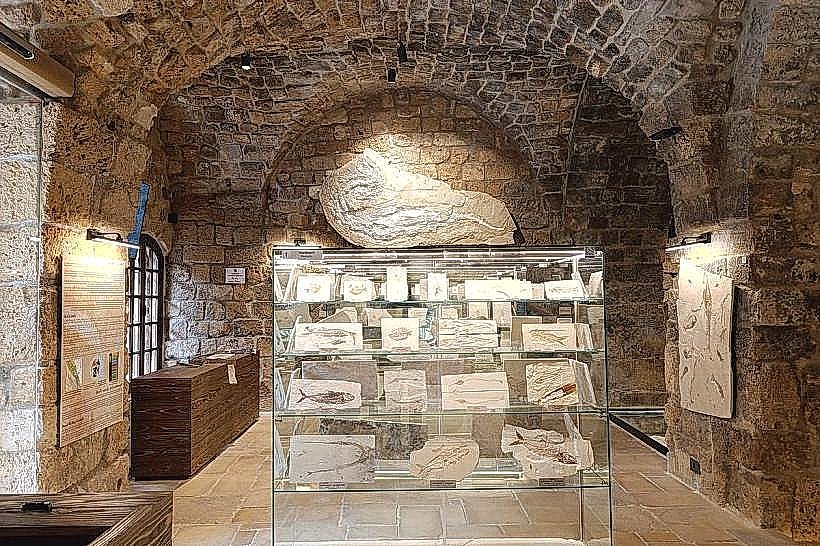
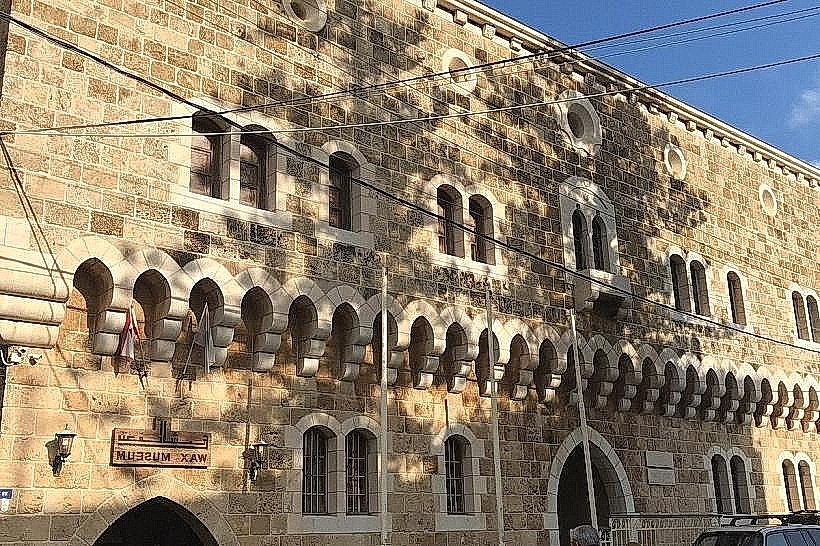
The cultural center occupies an 800-year-old stone residence constructed primarily from regional limestone blocks. The architecture features traditional Mediterranean coastal design with thick masonry walls, arched entryways, and low ceilings. Internally, the space is divided into display rooms with exposed stone finishes and wooden structural elements. The walls are covered with framed photographs of international public figures from the 1960s, while glass display cases house ancient maritime artifacts, pottery, and sculptures.
Location & Access Logistics
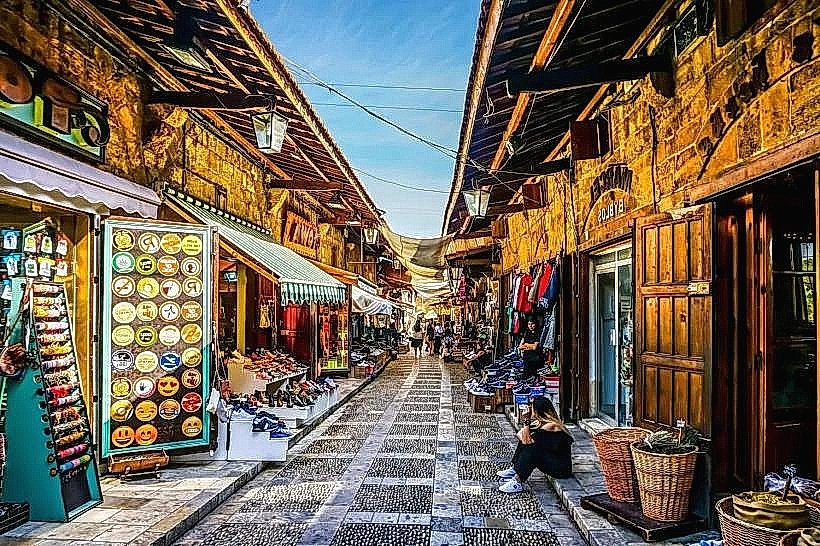
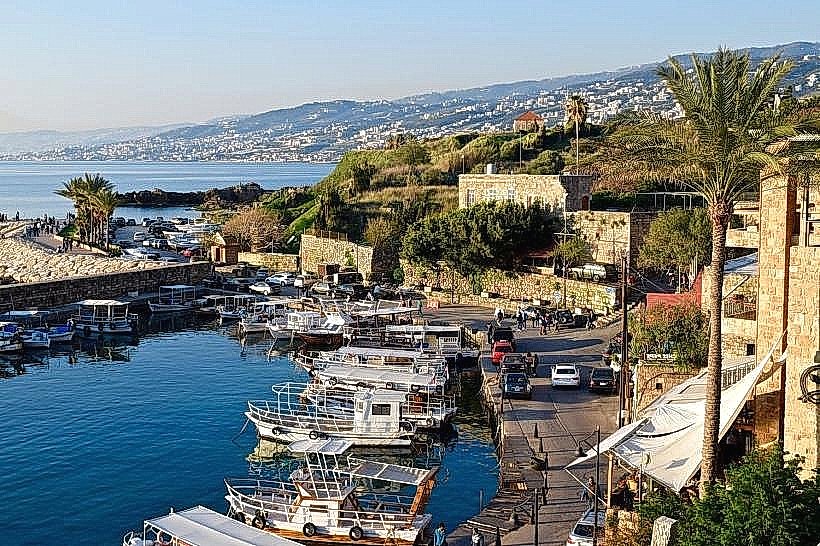
The facility is located on Pepe Abed Street directly within the Old Harbor region of Byblos, approximately 37 kilometers north of Beirut. Access from Beirut is via the Maritime Highway or the main Beirut-Tripoli Highway, exiting at the Jbeil interchange. Vehicles must park in the municipal parking lots near the entrance of the Old Souk, as the immediate harbor zone is restricted to pedestrian traffic. From the parking zones, the center is reachable via a 400-meter walk through the cobblestone streets of the Old Souk heading west toward the port. Public buses and minivans operating along the coastal highway drop passengers at the Jbeil highway intersection, requiring a 15-minute downhill walk to the harbor.
Historical & Ecological Origin
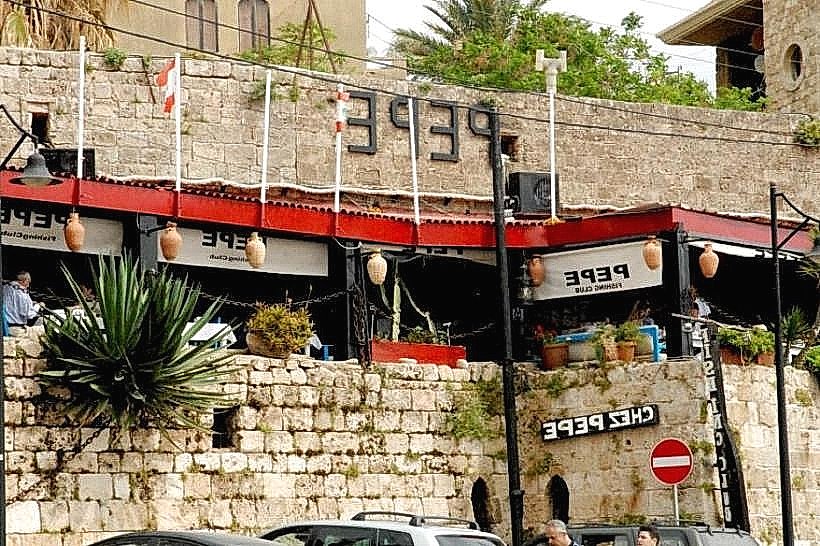
The building hosting the cultural center dates back to the Crusader period, constructed around the 12th century using original local stone and salvaged Roman materials. In 1962, Youssef Gergi Abed, known as Pépé Abed, a Lebanese businessman, explorer, and diver, established the museum next to his restaurant, the Byblos Fishing Club. The site was designed to house his personal collection of antiquities, which he retrieved during personal diving expeditions along the Lebanese coast. The facility operates under historical recognition and oversight from UNESCO.
Key Highlights & Activities
Viewing ancient Phoenician, Greek, and Roman maritime artifacts, including anchors, pottery fragments, and statuettes.
Examining the "Wall of Fame," which displays documented archival photographs of notable figures such as Brigitte Bardot, Marlon Brando, and Frank Sinatra visiting the site.
Walking through the preserved 12th-century architecture of the residence.
Accessing the adjacent harbor docks for photography of the maritime stone fortifications.
Infrastructure & Amenities
The facility is equipped with basic modern amenities. Indoor restrooms are available for visitors within the museum and the contiguous restaurant complex. Shade is provided entirely by the indoor thick stone structure, though the outdoor harbor terrace is exposed to direct sunlight. Cellular signal coverage is stable, with 4G and 5G networks accessible from Lebanese telecom providers Alfa and Touch. Food and beverage vendors are located directly on-site via the integrated restaurant, with additional dining options throughout the old town area.
Best Time to Visit
The optimal months for visiting are from April to June and September to November to avoid high summer temperatures. The museum operates daily from 10:00 AM to 6:00 PM. The best time of day for architectural photography and viewing the harbor views from the site is during late afternoon, specifically the golden hour prior to sunset, due to the western orientation of the port facing the Mediterranean Sea.
Facts & Legends
Pépé Abed was often referred to in mid-20th-century media as the "Hugh Hefner of the Middle East" due to his lifestyle and the international jet-set crowd he attracted to the harbor of Byblos. A local historical oddity involves a portion of the artifact collection: several of the Phoenician and Roman objects on display were legally pulled from the seabed by Abed himself during the mid-1950s and 1960s before modern maritime antiquities laws restricted private excavation.
Nearby Landmarks
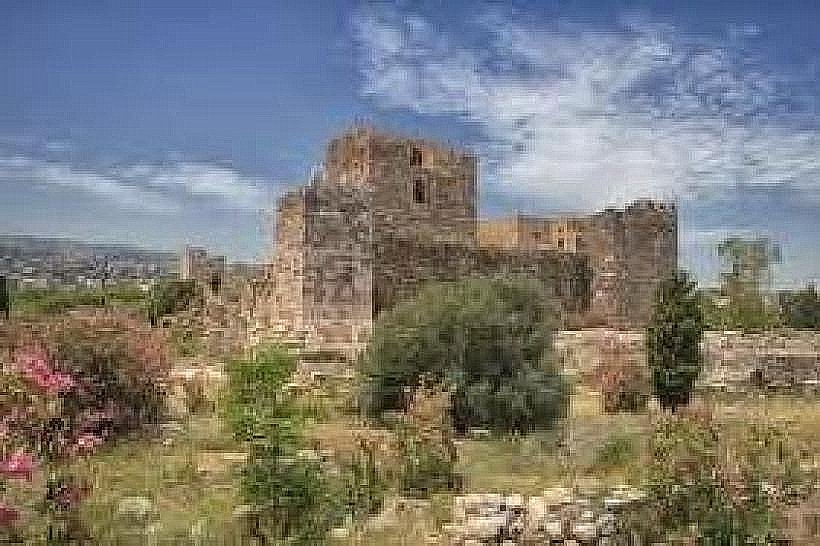
Byblos Crusader Citadel: 0.25km East
Byblos Old Souk: 0.3km East
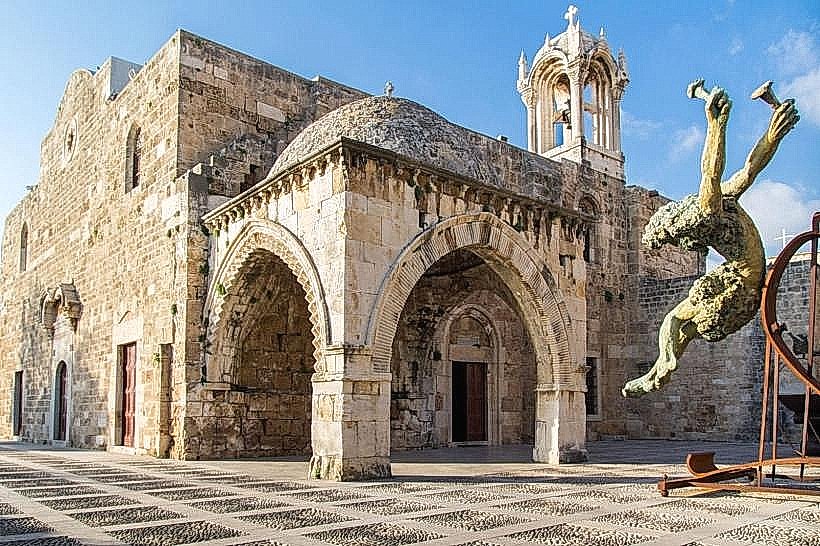
Saint Jean-Marc Church (St. John Mark des Croisés): 0.2km Northeast
Sultan Abdul Majid Mosque: 0.35km East
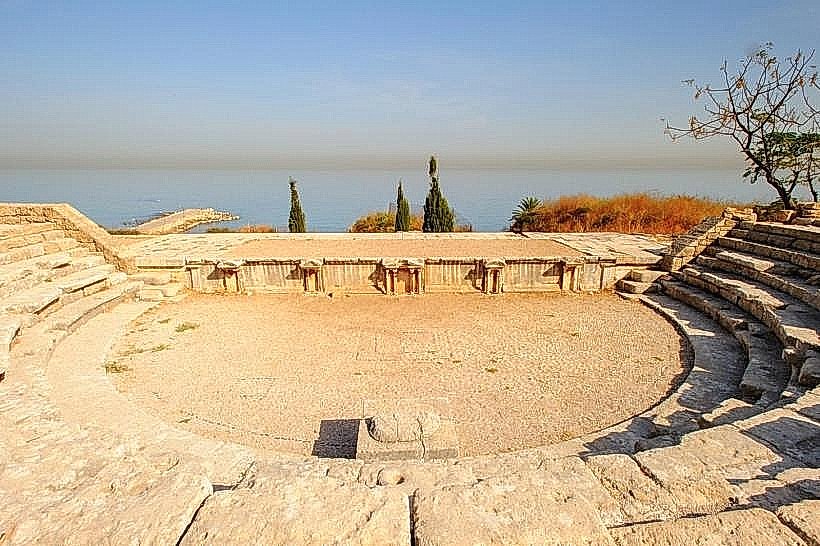
Byblos Roman Theater: 0.4km Southeast