Landmark: Byblos Castle
City: Byblos
Country: Lebanon
Continent: Asia
Byblos Castle, Byblos, Lebanon, Asia
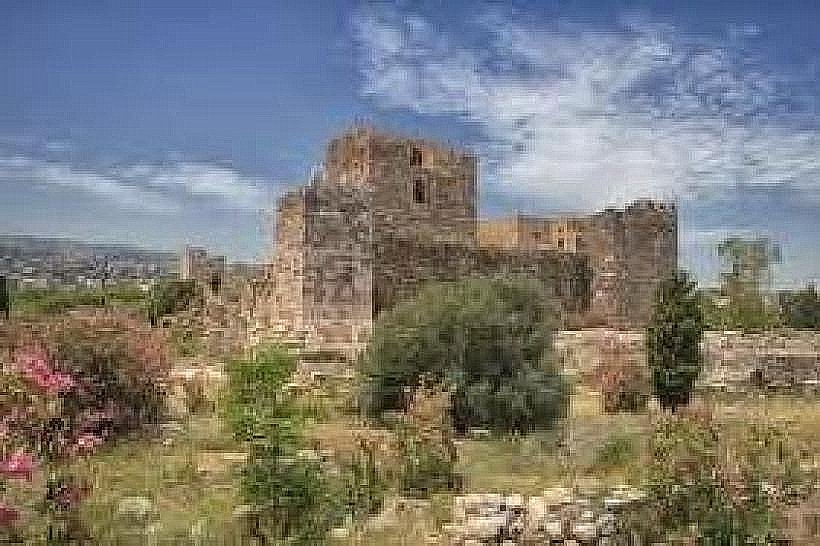
Byblos Citadel is a 12th-century Crusader fortification located in the coastal city of Jbeil (Byblos), Lebanon. It is situated within an expansive archaeological site that encompasses thousands of years of continuous human habitation.
Visual Characteristics
The fortress is constructed primarily from large, recycled Roman limestone blocks and ancient column shafts embedded horizontally into the masonry for structural reinforcement. It features a massive central keep surrounded by a defensive curtain wall with square corner towers and a protective dry moat. The interior contains barrel-vaulted chambers, stone staircases, and an open central courtyard providing access to upper defensive ramparts.
Location & Access Logistics
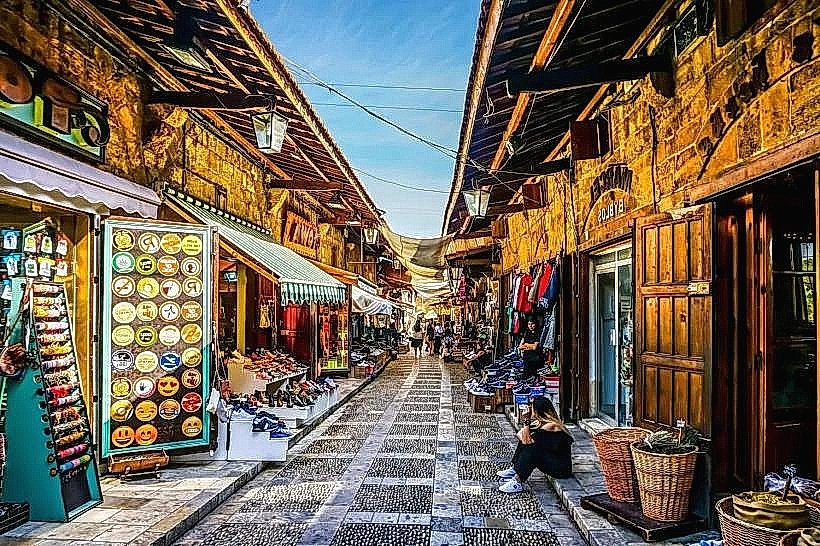
The landmark sits in the historic quarter of Byblos, approximately 38 kilometers north of the capital city, Beirut. Access from Beirut is via the main Beirut-Tripoli highway, exiting west toward the old port of Jbeil. Paid vehicular parking is available at the municipal lot immediately adjacent to the old souk entrance. Public buses and shared taxis operating along the coastal highway drop passengers at the Byblos intersection, followed by a 10-minute walk westward through the pedestrianized old market lanes.
Historical & Ecological Origin
The castle was constructed around 1104 by the Crusaders under the command of Raymond de Saint-Gilles, Count of Toulouse. It was engineered as a military stronghold to command the strategic maritime port of Byblos, built directly over the foundations of earlier Fatimid fortifications and using stone blocks excavated from adjacent Roman and Phoenician ruins.
Key Highlights & Activities
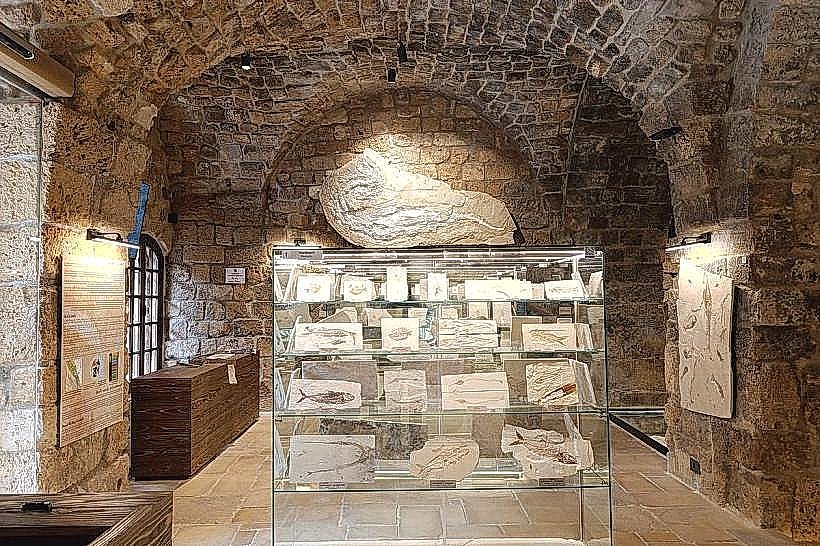
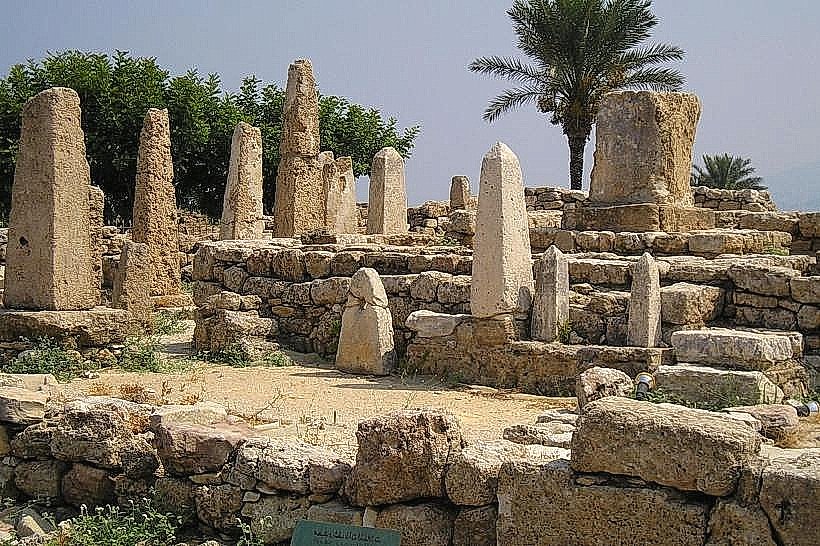
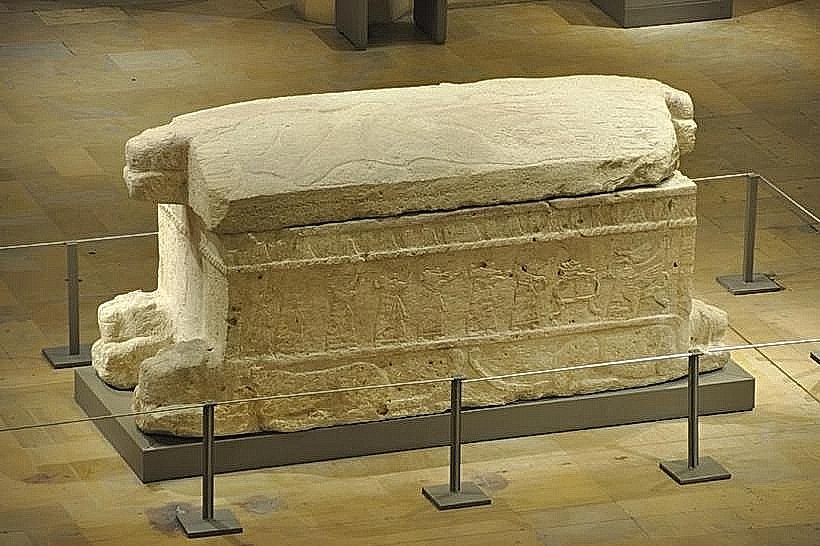
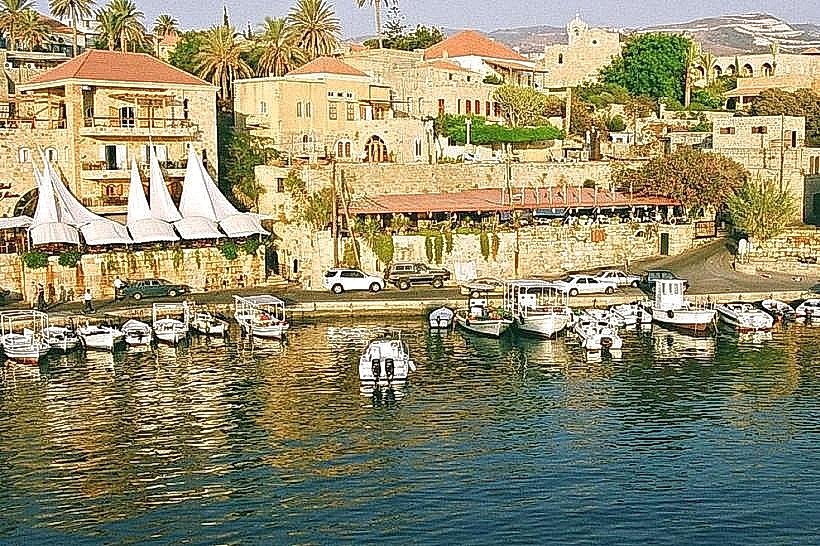
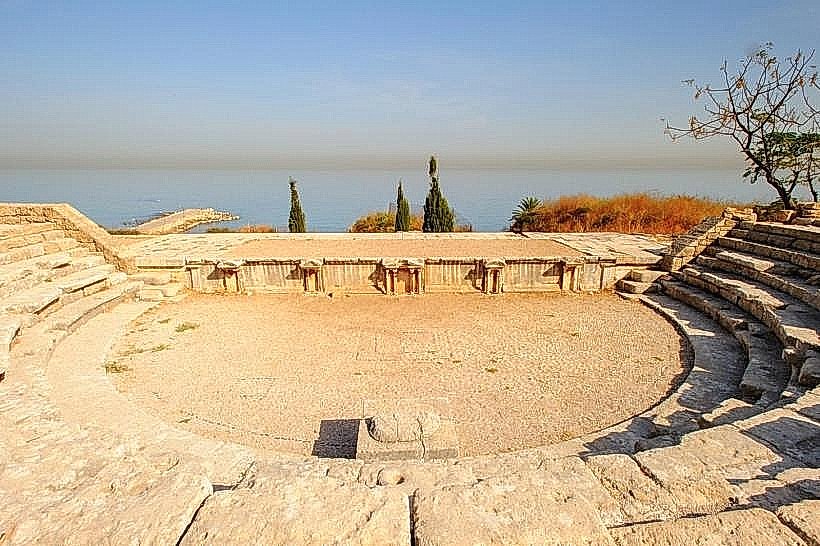
Exploring the interior vaulted halls and the small archaeological museum housed inside the central keep is the primary activity. Climbing the stone steps to the top of the ramparts provides panoramic views of the Phoenician port, the Mediterranean Sea, and the surrounding archaeological excavations. Walking the perimeter allows visitors to view the structural integration of ancient columns within the castle walls and explore the adjacent Roman Theater and royal Phoenician tombs.
Infrastructure & Amenities
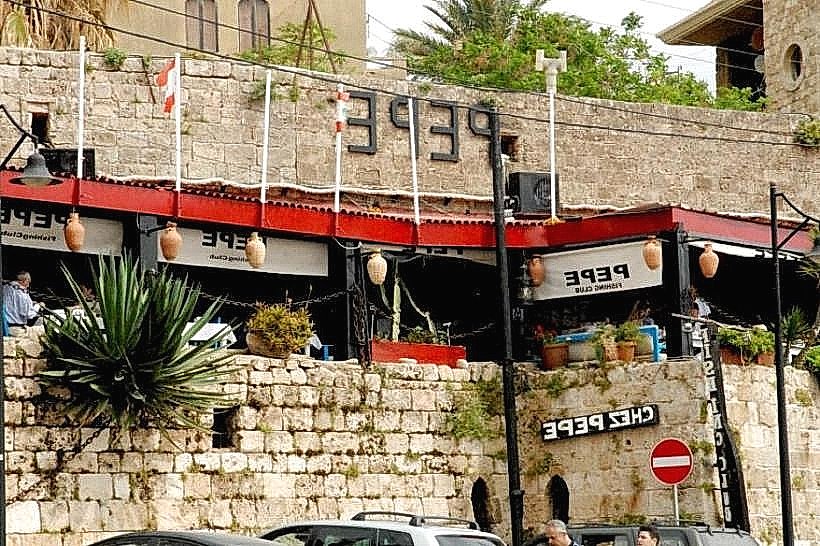
The interior chambers of the keep offer shade and shelter, while the rest of the sprawling archaeological park is entirely exposed to the elements. Public restrooms and a small ticket office are located at the main entrance gate. Cellular signal (4G/5G) is stable and strong throughout the site. Numerous restaurants, cafes, and souvenir shops operate immediately outside the archaeological park perimeter in the historic old souk.
Best Time to Visit
The optimal time for photography is during the late afternoon, between 4:00 PM and 6:00 PM, when the setting sun illuminates the western maritime limestone walls. The site is open daily from 8:30 AM until sunset. The most favorable months for an outdoor visit are March through May and October through November to avoid extreme summer humidity and heat.
Facts & Legends
Architectural surveys reveal that the Crusader builders extensively mined the adjacent ancient city ruins for building materials, which explains why dozens of granite Roman columns protrude horizontally from the outer fortress walls to bind the masonry blocks together. A local historical legend notes that Saladin captured the castle in 1188 and dismantled parts of its walls, which were later systematically rebuilt by the Crusaders using the exact same fallen stones when they retook the city in 1197.
Nearby Landmarks
Old Souk of Byblos: 0.1km East
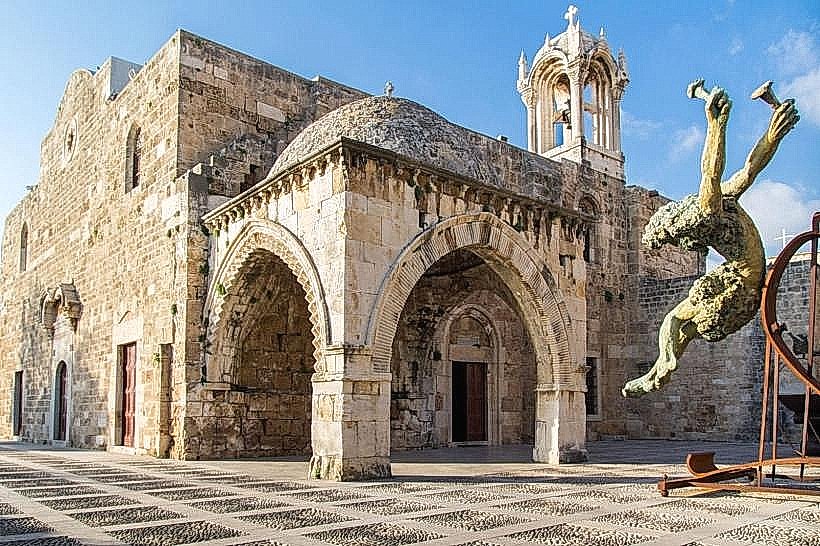
St. John-Marc Church: 0.2km Northwest
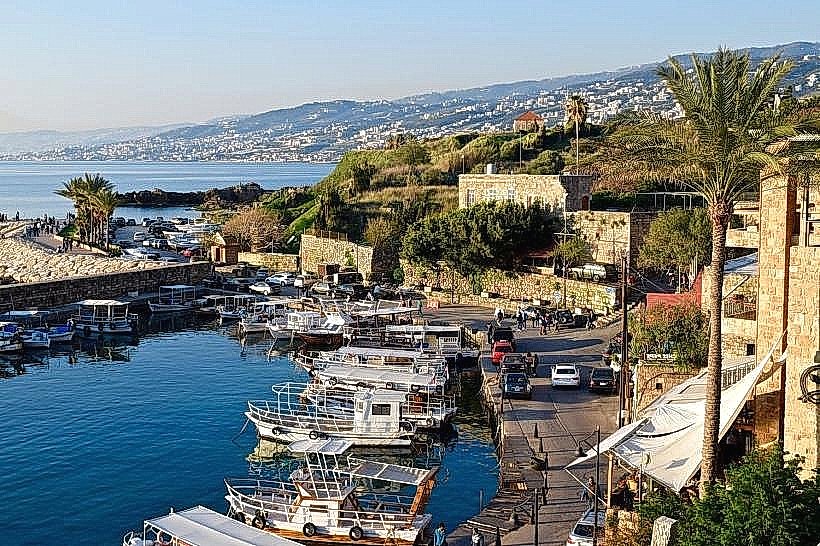
Byblos Historic Phoenician Port: 0.3km West
Sultan Abdul Majid Mosque: 0.15km East