Landmark: Baalbek Old Town
City: Baalbek
Country: Lebanon
Continent: Asia
Baalbek Old Town, Baalbek, Lebanon, Asia
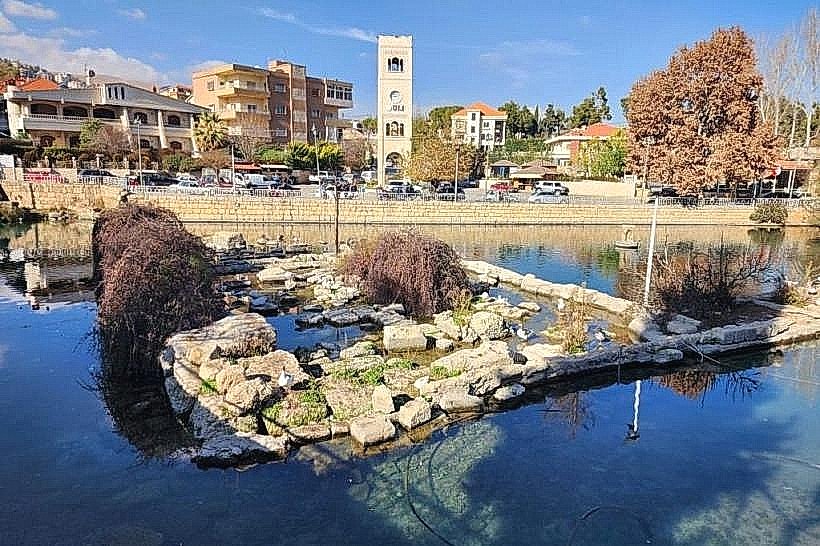
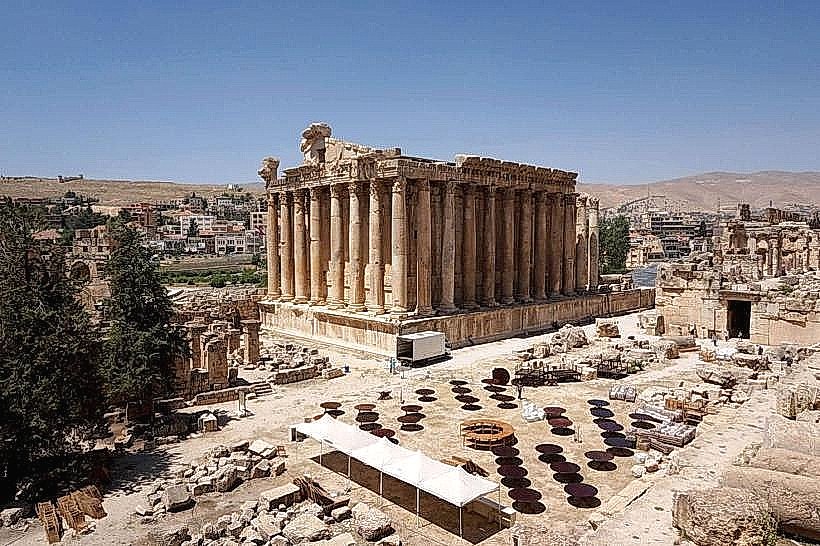
Baalbek Old Town is a historic urban district situated immediately adjacent to the ancient Roman temple complex in Baalbek, located within the Beqaa Valley of Lebanon. The quarter features a dense layout of traditional Levantine architecture, historical mosques, and active local marketplaces that have developed around the archaeological ruins over centuries.
Visual Characteristics
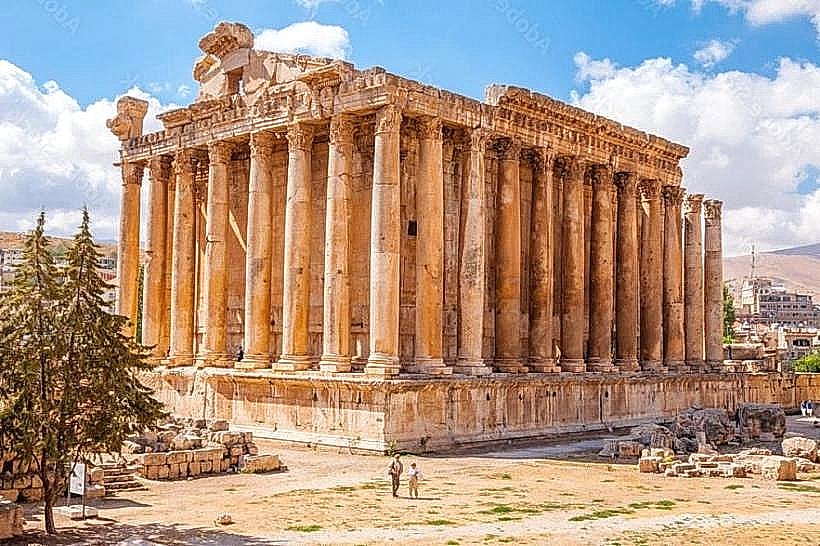
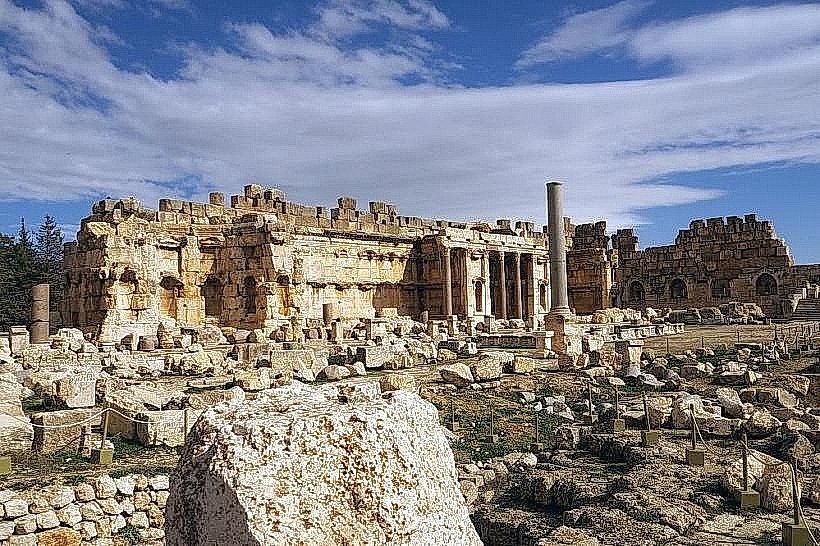
The district is characterized by narrow, winding cobblestone streets lined with two- to three-story buildings constructed from a mix of regional cream-colored limestone and modern concrete. Many older residences exhibit traditional Ottoman-era design elements, including arched windows, decorative iron balconies, and central courtyards. The area is visually defined by its proximity to the Roman ruins, with ancient stone fragments frequently integrated into the foundations of later buildings. Active souks feature open-fronted shops filled with local produce, textiles, and traditional crafts.
Location & Access Logistics
The Old Town is located directly east and south of the main Baalbek Archaeological Site, approximately 85 kilometers northeast of Beirut. Vehicles from Beirut travel via the Beirut-Damascus Highway (Route 30M) to Chtaura, then proceed north on the Baalbek-Riyak Highway, which leads directly into the town center. Parking is available in municipal lots near Baalbek Castle Road or along designated street spaces outside the dense pedestrian market zones. Public transport consists of shared minivans departing from Beirut’s Cola intersection to Chtaura, where passengers transfer to a Baalbek-bound minivan that stops at the central town square.
Historical & Ecological Origin
The Old Town developed progressively during the Mamluk and Ottoman periods, serving as a vital commercial hub along the caravan routes connecting Damascus with the Syrian coast. The urban layout was constructed using stones repurposed from the surrounding Roman and Byzantine structures following major regional earthquakes. The town sits on a high-altitude, semi-arid plateau at an elevation of approximately 1,170 meters, situated between the Lebanon and Anti-Lebanon mountain ranges near the fertile Ras Al Ain spring system.
Key Highlights & Activities
Walking through the historic Old Souk to observe traditional commerce, spice markets, and local copper smithing.
Exploring the narrow residential alleyways to photograph Ottoman-era stone facades and integrated Roman architectural fragments.
Sampling traditional regional culinary specialties, specifically Sfiha Baalbakiyye (open-faced minced meat pies), at local bakeries.
Viewing the exterior architecture of the historical Mamluk-era mosques distributed throughout the quarter.
Infrastructure & Amenities
The district functions as a lived-in municipal zone equipped with standard urban infrastructure. Public restrooms are available inside the adjacent archaeological park visitor center and within local mosques and larger restaurants. Shade is provided intermittently by the narrow configurations of the streetscapes and shop awnings. Cellular signal coverage is stable, with 4G and 5G networks maintained by regional providers Alfa and Touch. The area contains numerous pharmacies, banks, convenience stores, and dining establishments.
Best Time to Visit
The optimal months for visiting are April through June and September through November to avoid sub-zero winter temperatures and high summer heat. Market activity is highest during mid-morning from 9:00 AM to 1:00 PM. For photography, the late afternoon golden hour provides optimal lighting as the sun illuminates the limestone alleyways and casts elongated shadows through the historic archways.
Facts & Legends
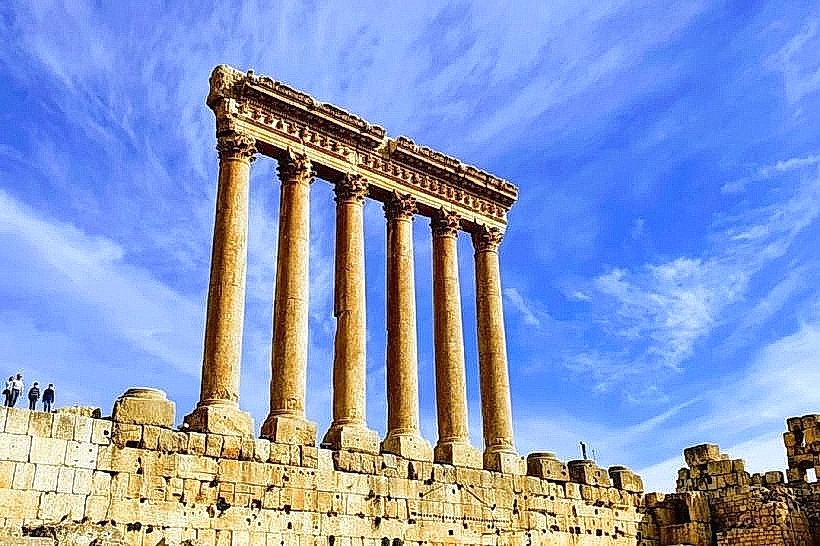
A verified historical oddity is that several residential basements and shop foundations within the Old Town directly seal over unexcavated Roman tunnels and vaults that originally extended from the main sanctuary complex. Local folklore persistent in the area claims that a vast network of subterranean escape routes runs entirely beneath the old quarter, linking the historical mosques directly to the deep foundations of the Temple of Jupiter.
Nearby Landmarks
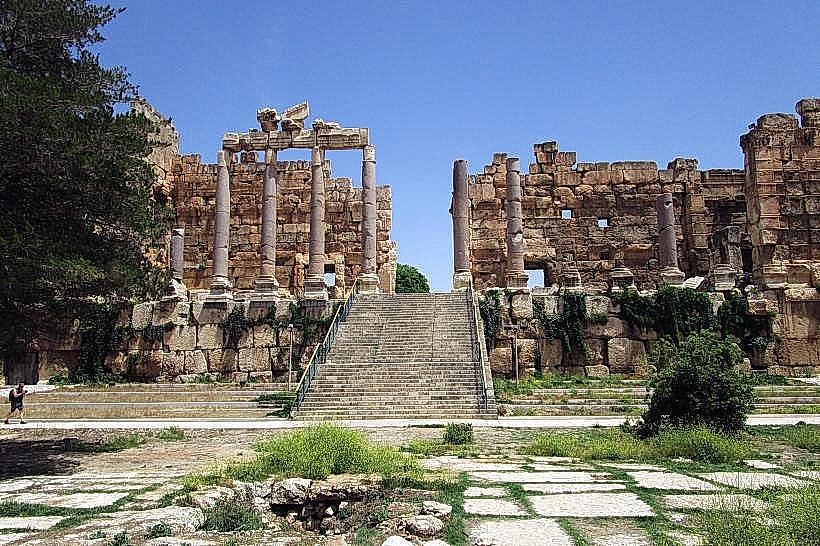
Propylaea: 0.2km West
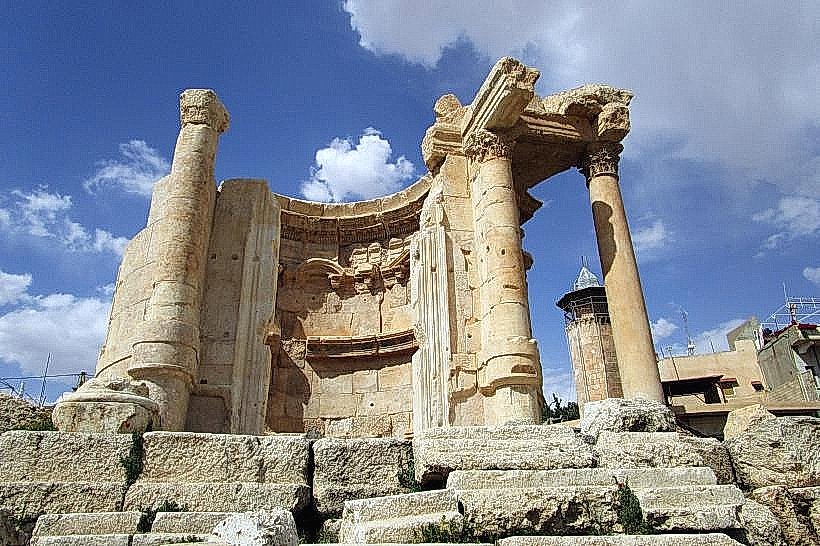
Temple of Venus: 0.25km West
Great Court: 0.35km West
Sayyida Khawla Shrine: 0.6km Southwest
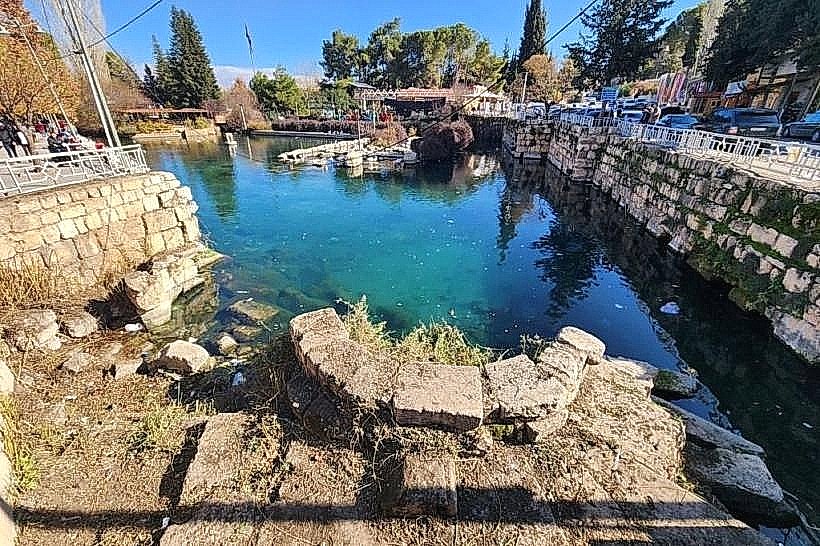
Ras Al Ain Spring: 1.1km Southeast