Landmark: Propylaea
City: Baalbek
Country: Lebanon
Continent: Asia
Propylaea, Baalbek, Lebanon, Asia
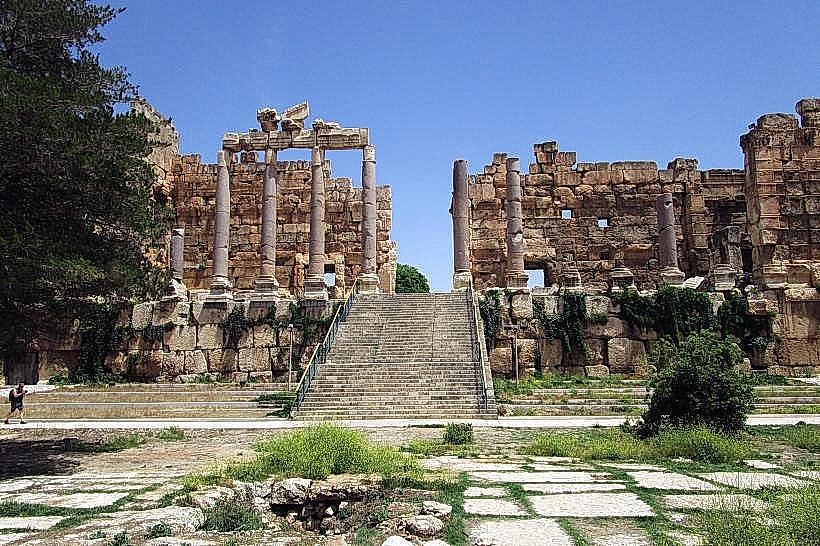
The Propylaea of Baalbek is the monumental gateway structure that marks the ancient formal entrance to the Heliopolis sanctuary complex in Baalbek, Lebanon. It is situated at the easternmost point of the main temple axis, serving as the architectural transition from the secular city into the sacred hexagonal and great courtyards.
Visual Characteristics
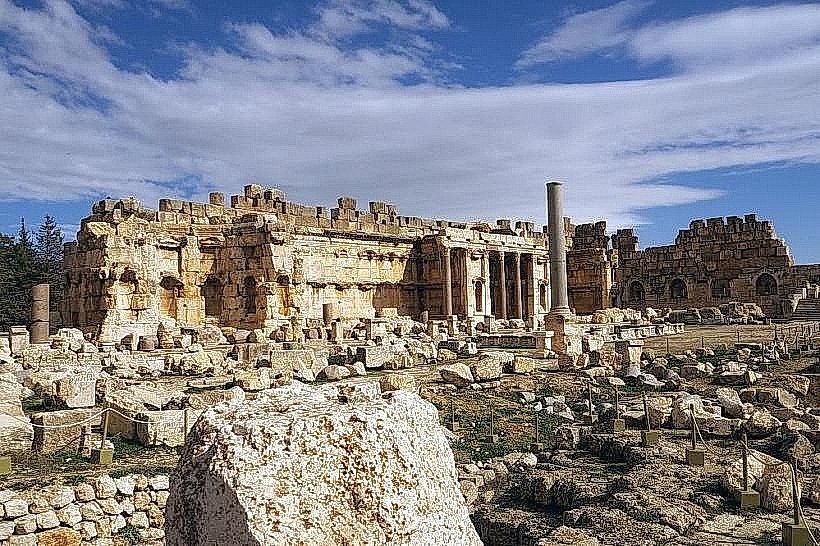
The structure consists of a monumental staircase 50 meters wide leading up to a raised portico flanked by two towering rectangular wings or towers. The portico was originally fronted by 12 Corinthian columns made of local cream-colored limestone, of which only the bases and restored segments remain. The rear wall of the portico features three massive doorways-the central one being the largest-decorated with deep-relief stone carvings of geometric patterns and classical moldings. The two flanking towers stand two stories high and feature Corinthian pilasters on their exterior walls.
Location & Access Logistics
The monument is located at the primary public entrance of the Baalbek Archaeological Site on Baalbek Castle Road, approximately 85 kilometers northeast of Beirut. Route access from Beirut is via the Beirut-Damascus Highway (Route 30M) to Chtaura, then proceeding directly north on the Baalbek-Riyak Highway. Visitors must park at the municipal parking facility located directly opposite the main ticket booth, which sits adjacent to this gateway. Public transport options include shared minivans from Beirut’s Cola intersection to Chtaura, where passengers transfer to a local Baalbek-bound minivan that terminates within a 10-minute walk of the structure.
Historical & Ecological Origin
Construction of the gateway began during the late 2nd century AD under Emperor Caracalla and was completed in the early 3rd century AD under the Severan dynasty. It was built to provide a dramatic, elevated entrance for pilgrims arriving at the sanctuary of the Heliopolitan Triad. During the Middle Ages, the structure was heavily modified and reinforced with fortification walls by Arab builders, who transformed the entire temple precinct into a defensive citadel. The site is positioned on the high-altitude, semi-arid steppe of the Beqaa Valley at an elevation of 1,145 meters.
Key Highlights & Activities
Ascending the 50-meter-wide grand stone staircase to reach the elevated portico level.
Examining the massive preserved bases of the 12 original Corinthian columns along the front facade.
Observing the intricate architectural moldings and relief carvings around the central monumental portal.
Inspecting the medieval defensive masonry integrated into the Roman towers by later Arab builders.
Infrastructure & Amenities
The monument is directly adjacent to the main ticketing office and visitor center of the archaeological park, which contains public restrooms. The exposed staircase and portico offer no shade, requiring visitors to utilize sun protection. Stable 4G and 5G cellular coverage is available across the area via networks Alfa and Touch. Souvenir shops, local guide services, cafes, and vendors selling bottled water are located immediately outside the entrance stairs.
Best Time to Visit
The recommended months for a visit are April through June and September through November to avoid extreme high-altitude winter conditions and intense summer heat. The site opens daily from 8:30 AM until sunset. The optimal time for photography is during the early morning hours, as the structure faces directly east and receives full, direct sunlight on its grand staircase and facade.
Facts & Legends
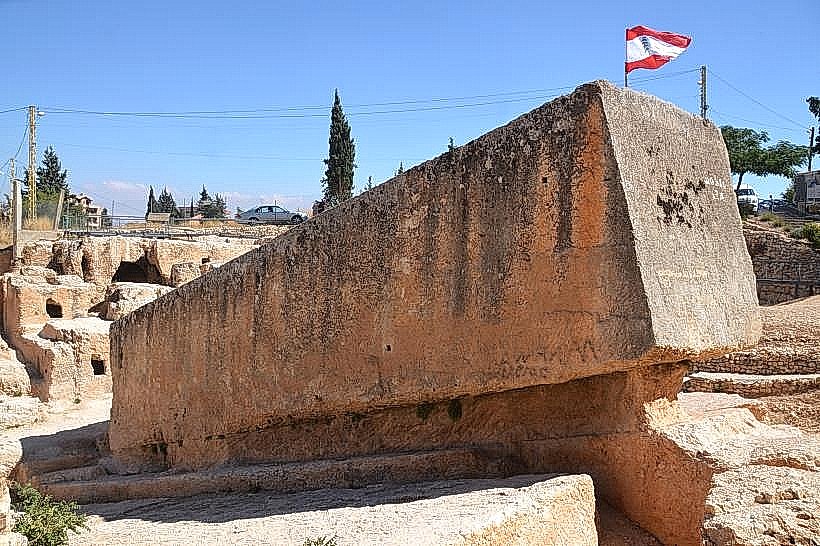
A verified historical oddity is that the German archaeological expeditions of the late 19th and early 20th centuries completely dismantled the medieval fortifications that had encased the gateway for centuries, restoring the original Roman profile seen today. Local folklore often claimed that the massive stones of the gateway were laid by ancient kings using alchemy or magic, as the local population could not reconcile how the immense blocks could be lifted up the hill without modern mechanical cranes.
Nearby Landmarks
Hexagonal Court: 0.02km West
Great Court: 0.1km West
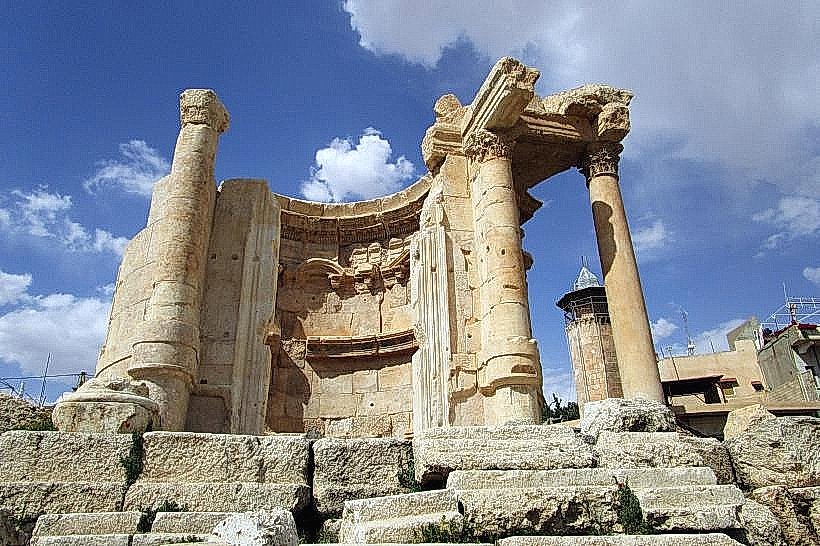
Temple of Venus: 0.15km Southeast
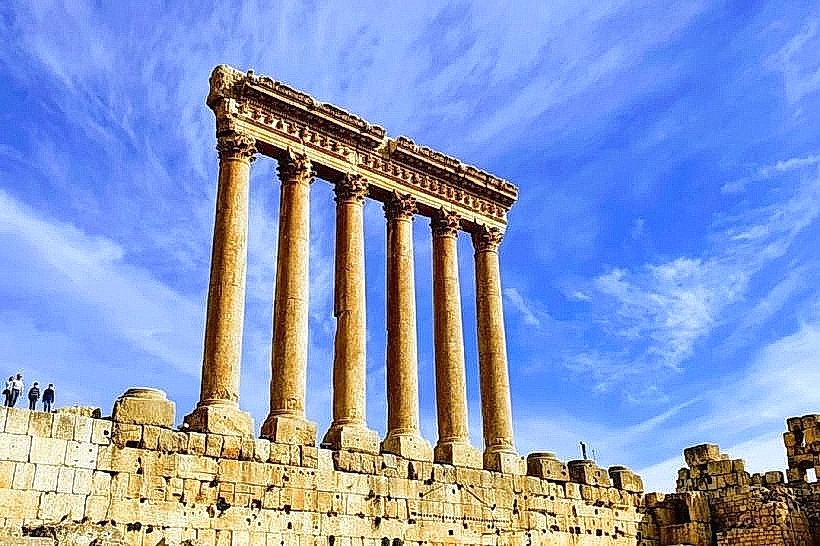
Temple of Jupiter: 0.25km West
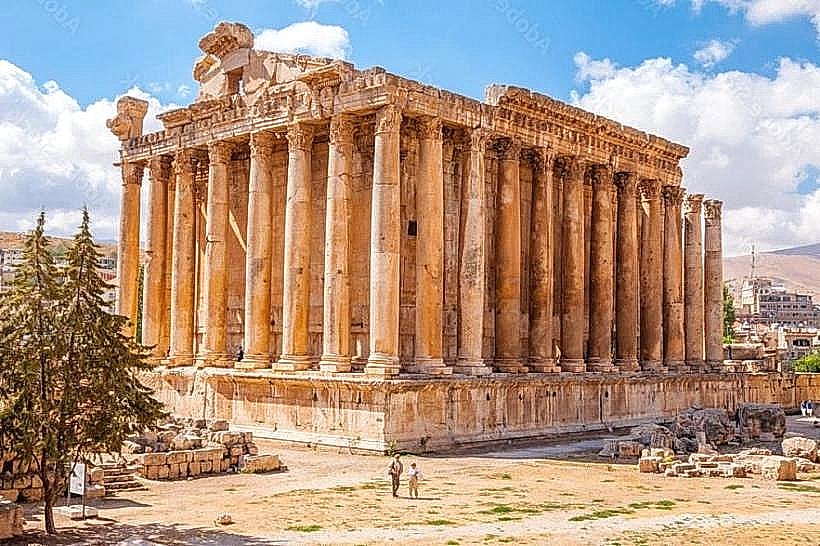
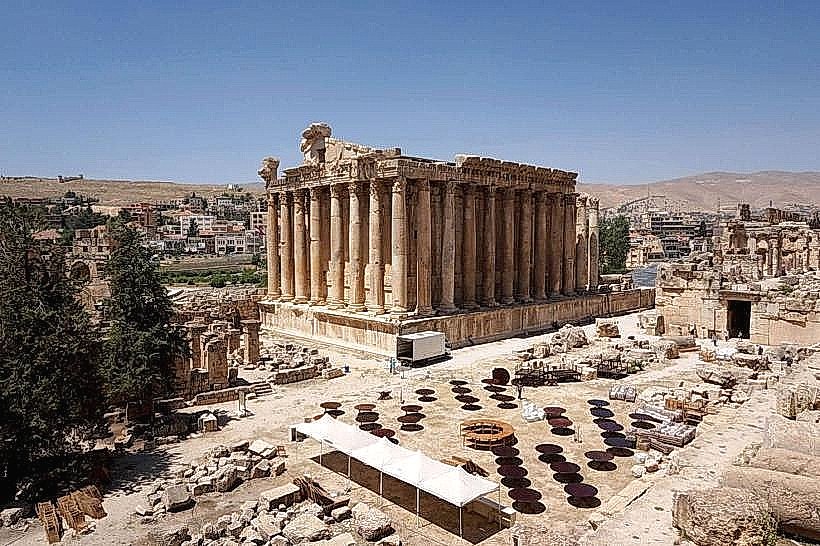
Temple of Bacchus: 0.3km Southwest