Landmark: Ras el-Ain Spring
City: Baalbek
Country: Lebanon
Continent: Asia
Ras el-Ain Spring, Baalbek, Lebanon, Asia
Ras el-Ain Spring is a natural freshwater source and historic pool located in the southeastern sector of Baalbek, Lebanon. It serves as the primary water source that historically sustained the ancient Roman city of Heliopolis and continues to supply the modern municipality.
Visual Characteristics
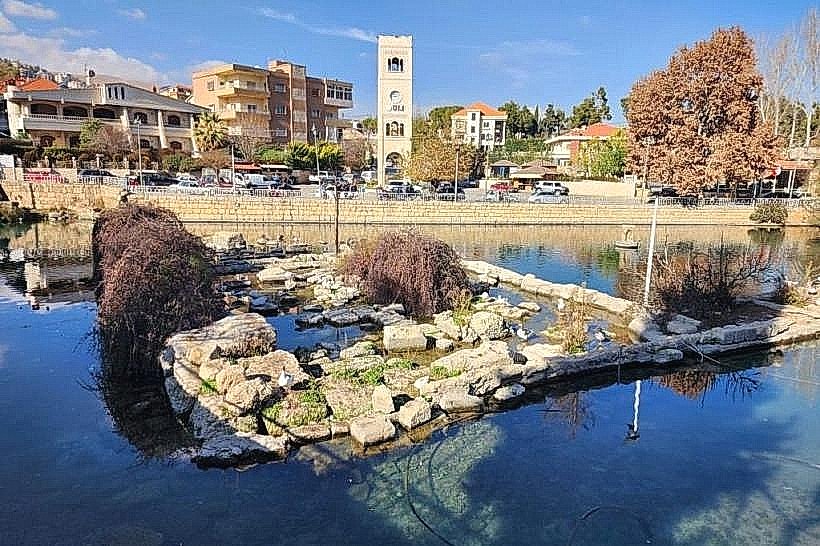
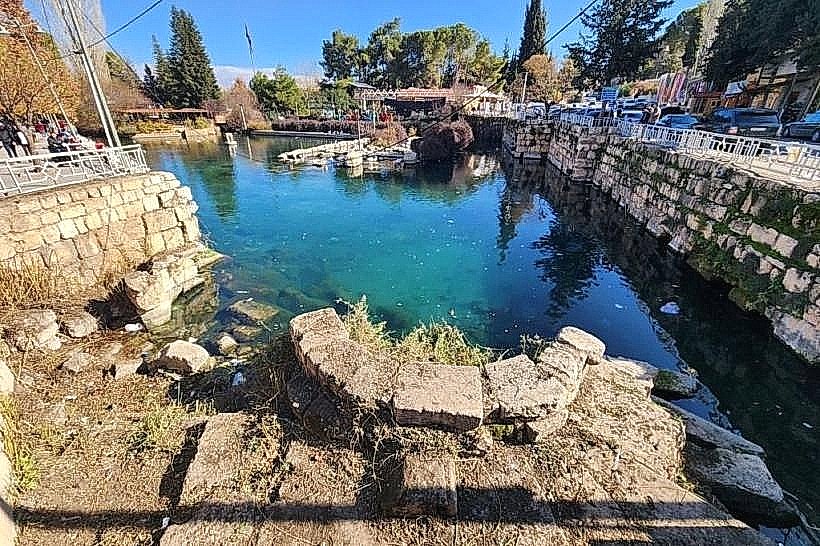
The site consists of a large, stone-lined rectangular reservoir basin that collects water directly from the underground aquifer. The masonry surrounding the pool features a combination of ancient Roman foundation blocks, medieval reinforcements, and modern concrete embankments. The water is clear, with dense aquatic vegetation visible along the floor of the basin. The spring is surrounded by a public park area characterized by mature willow and poplar trees, paved walking paths, and small concrete bridges spanning the outflow channels.
Location & Access Logistics
The spring is located on Ras El Ain Road, approximately 1.5 kilometers southeast of the main Baalbek Archaeological Site. Drivers from Beirut reach the area via the Beirut-Damascus Highway (Route 30M) to Chtaura, turning north onto the Baalbek-Riyak Highway, which connects directly to the internal town roads leading to the park. Free public parking spaces are available along the perimeter road of the Ras el-Ain park. Public transit minivans traveling to Baalbek terminate in the city center, from which visitors can walk 15 minutes southeast or take a local taxi directly to the spring enclosure.
Historical & Ecological Origin
The spring originates from the karst aquifer system of the Anti-Lebanon mountain range, discharging freshwater into the northern Beqaa Valley at an elevation of approximately 1,150 meters. During the Roman period, engineers enclosed the spring to regulate flow and constructed an extensive network of stone aqueducts to channel the water to the Temple of Jupiter complex and the public baths of Heliopolis. In the Mamluk and Ottoman eras, the site functioned as a public leisure area and a vital staging point for regional trade caravans.
Key Highlights & Activities
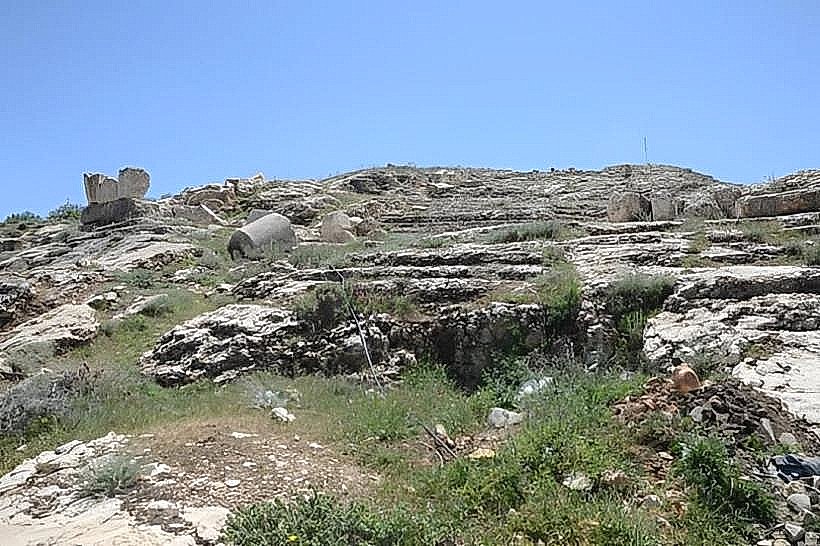
Observing the structural remnants of the ancient Roman stone channels at the source of the spring.
Walking along the paved perimeter pathways of the surrounding municipal park.
Photographing the reflective surface of the reservoir basin against the backdrop of the Anti-Lebanon mountains.
Viewing the historic mosques and shrines built directly adjacent to the water source.
Infrastructure & Amenities
The spring is situated within a fully developed municipal park that includes public benches, trash receptacles, and paved walkways. Public restrooms are available inside the local restaurants and cafes operating along the park edges. The surrounding tree canopy provides substantial natural shade throughout the daytime. Mobile cellular signal is consistent, with 4G and 5G network access provided by local networks Alfa and Touch. Numerous food stalls, ice cream vendors, and full-service restaurants are located immediately across the street from the park perimeter.
Best Time to Visit
The optimal months for visiting are April through June, when snowmelt from the surrounding mountains increases the spring's water volume to its maximum level. The public park remains accessible at all hours, though daytime visits between 8:00 AM and 6:00 PM are standard. The best time of day for photography is early morning or late afternoon, as the surrounding trees and mountain peaks cast long shadows across the open water basin during mid-day hours.
Facts & Legends
A verified historical oddity is that the modern concrete walls of the basin completely cover the original Roman masonry that was documented by early 20th-century German archaeological teams, who uncovered specialized water-filtering chambers designed by Roman engineers. Local folklore long claimed that the waters of Ras el-Ain possessed healing properties for respiratory ailments, leading historical pilgrims visiting the nearby temples to submerge themselves in the pool before entering the sacred precinct.
Nearby Landmarks
Baalbek Old Town: 1.1km Northwest
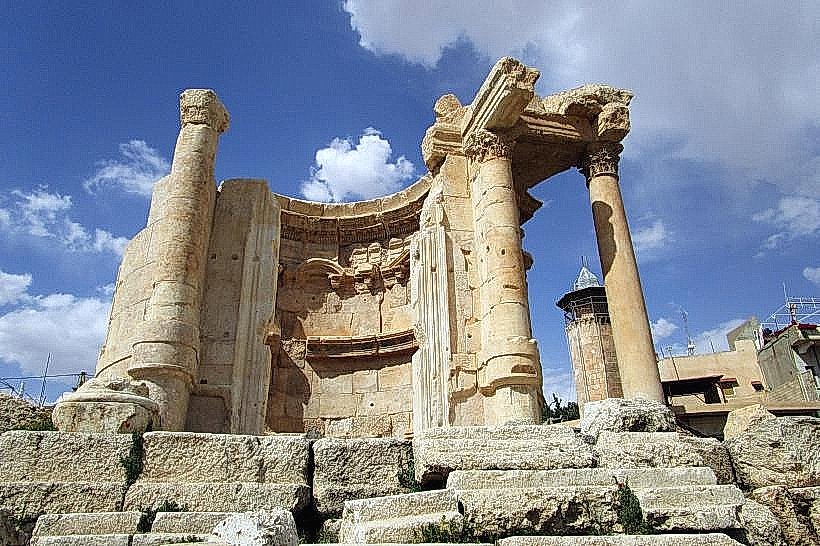
Temple of Venus: 1.4km Northwest
Great Court: 1.5km Northwest
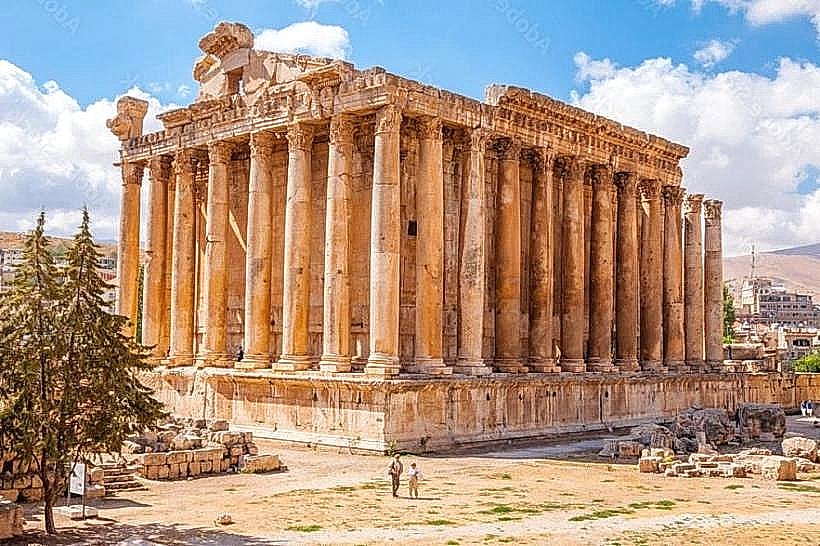
Temple of Bacchus: 1.5km Northwest
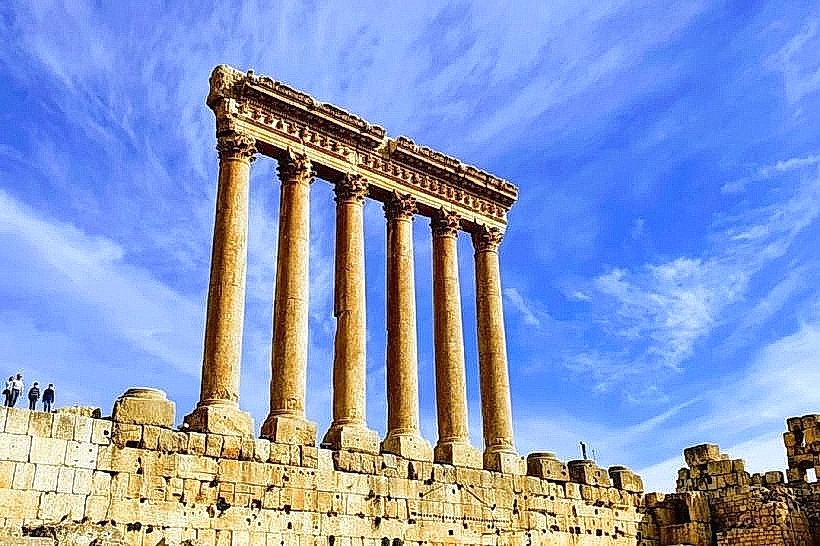
Temple of Jupiter: 1.6km Northwest