Landmark: Stone of the Pregnant Woman
City: Baalbek
Country: Lebanon
Continent: Asia
Stone of the Pregnant Woman, Baalbek, Lebanon, Asia
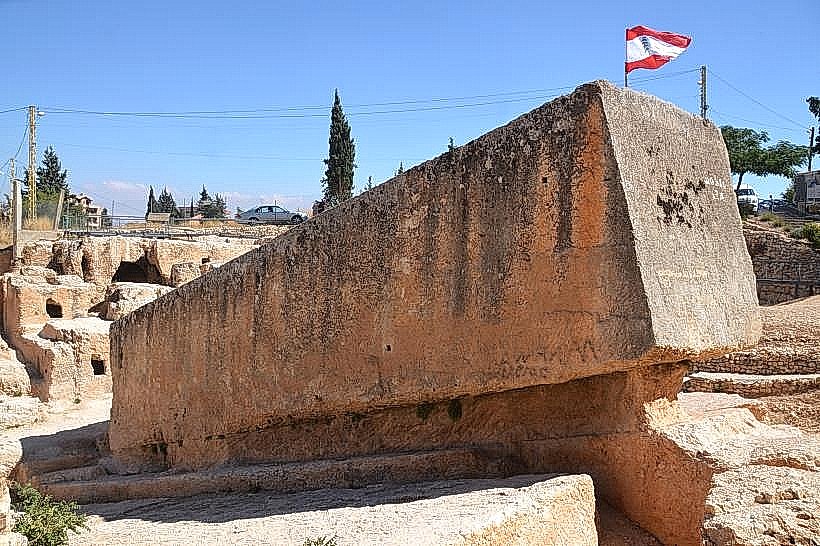
The Stone of the Pregnant Woman, known locally as Hadjar el-Hibla, is a massive Roman monolith located within an ancient limestone quarry in Baalbek, Lebanon. It ranks among the largest single stone blocks ever quarried by human civilization, remaining attached to the bedrock at its base.
Visual Characteristics
The monolith is a rectangular block of dense, cream-colored regional limestone measuring approximately 21.5 meters in length, 4.3 meters in width, and 4.2 meters in height. It slopes upward at an angle matching the incline of the quarry floor and weighs an estimated 1,000 tonnes. The surface displays distinct channel scars from ancient iron picking tools, wedges, and wooden levers used during the extraction process. The block sits adjacent to two even larger excavated monoliths discovered in the same quarry pit during subsequent archaeological investigations.
Location & Access Logistics
The quarry site is located on Al-Kayan Road at the southwestern entrance of Baalbek, approximately 1.2 kilometers southwest of the main Baalbek Archaeological Site and 84 kilometers northeast of Beirut. Vehicles traveling from Beirut follow the Beirut-Damascus Highway (Route 30M) to Chtaura, then head north via the Baalbek-Riyak Highway. A designated roadside parking area sits immediately adjacent to the quarry entrance. Public transport minivans departing from Beirut's Cola intersection toward Baalbek drop passengers near the main town entrance, requiring a 10-minute walk southward along the main access road to reach the monolith.
Historical & Ecological Origin
The stone was quarried during the 1st century AD under Roman imperial direction, intended for transport to the nearby Temple of Jupiter complex to serve as part of the monumental terrace foundations. Roman engineers abandoned the block in situ before extraction was finalized, likely due to its immense weight and the discovery of structural micro-fissures within the stone. The geological setting is a Pleistocene-era limestone formation situated on the high-altitude, semi-arid steppe of the northern Beqaa Valley, at an elevation of 1,140 meters.
Key Highlights & Activities
Inspecting the unsevered base section where the monolith remains physically connected to the living limestone bedrock.
Walking down into the excavated quarry trenches to view the two larger adjacent monoliths, including the 1,650-tonne block discovered in 2014.
Examining the preserved cutting marks and channels left by Roman quarry workers along the vertical stone faces.
Observing the panoramic view of the modern city of Baalbek and the distant anti-Lebanon mountains from the elevated lip of the quarry pit.
Infrastructure & Amenities
The site features a basic tourist infrastructure, including an entry gate, a concrete viewing platform, and safety railings around the deep excavation zones. Public restrooms are located at the small municipal visitor building on-site. The open quarry pit provides no shade, requiring sun protection during daytime visits. Mobile cellular signal is consistent, with 4G and 5G coverage provided by networks Alfa and Touch. Souvenir shops, beverage kiosks, and small local cafes operate directly across the street from the quarry entrance.
Best Time to Visit
The ideal months to visit are from April to June and September to November to avoid extreme winter frost and high summer heat. The site is open daily from 8:30 AM until sunset. The optimal time for photography is during the middle of the day when the sun is directly overhead, minimizing the deep shadows cast by the high quarry walls on the sides of the monolith, or during the late afternoon when the limestone takes on an orange hue.
Facts & Legends
A verified historical oddity is that the stone was partially buried under tons of municipal refuse and soil for centuries, serving as a landmark before systematic excavations cleared the entire pit down to the Roman floor level. Local folklore attributes the name to a long-standing belief that women who touched the stone would experience increased fertility, while an older myth claimed the block was placed there by a pregnant jinniyah possessing supernatural strength.
Nearby Landmarks
Sayyida Khawla Shrine: 0.7km North
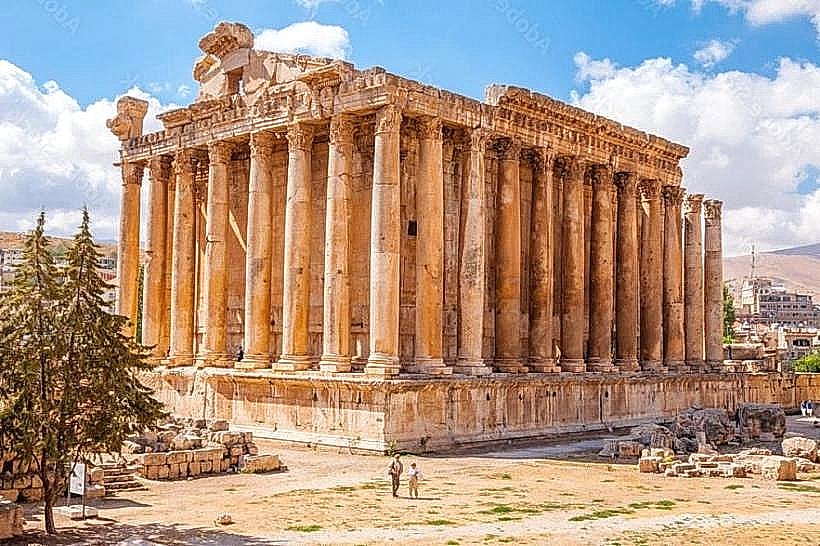
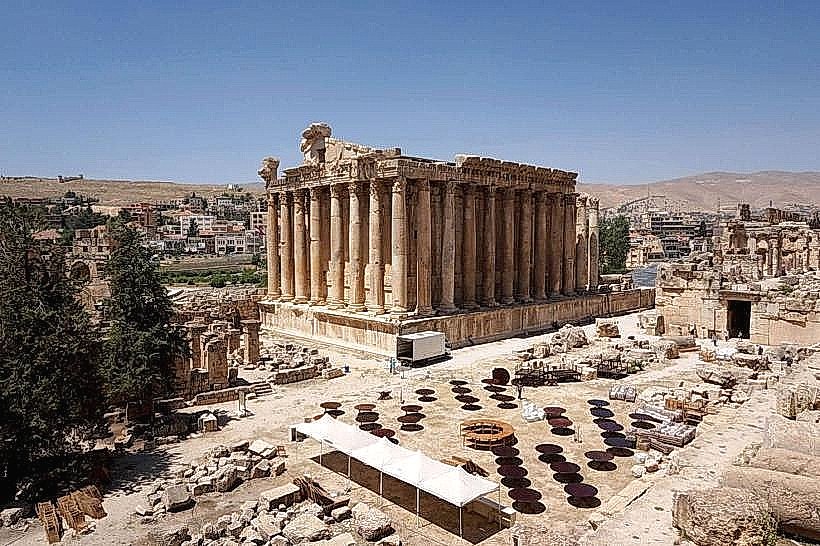
Temple of Bacchus: 1.2km Northeast
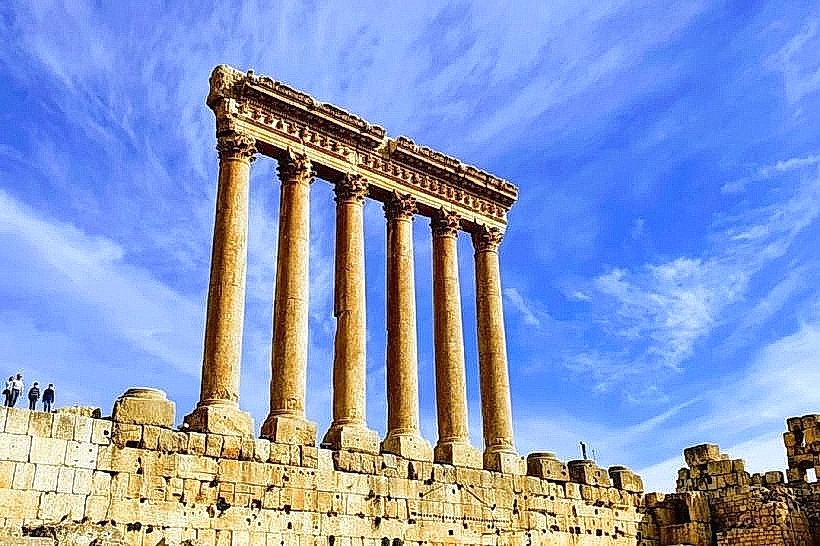
Temple of Jupiter: 1.2km Northeast
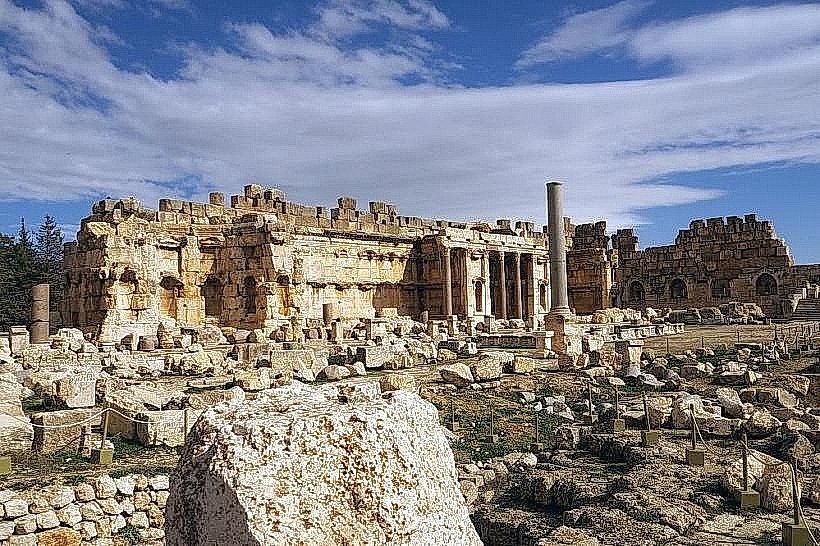
Great Court and Hexagonal Court: 1.3km Northeast
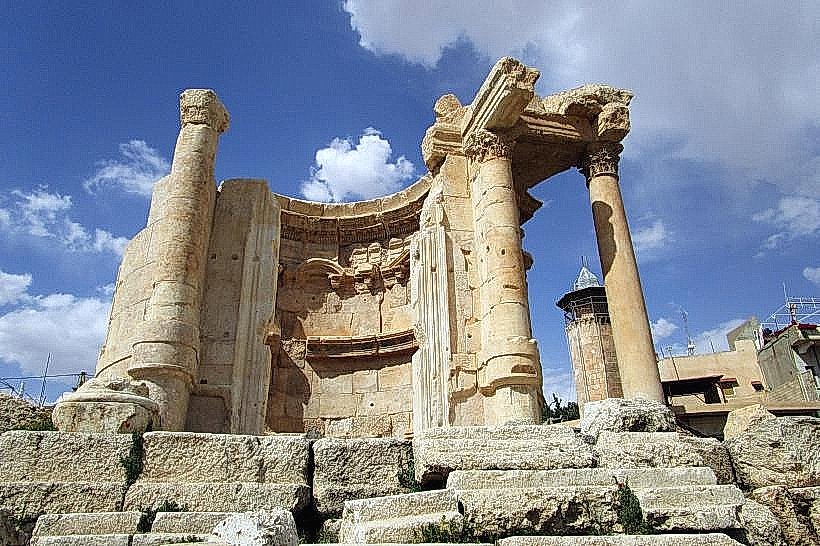
Temple of Venus: 1.3km Northeast