Landmark: Sheikh Abdallah Hill
City: Baalbek
Country: Lebanon
Continent: Asia
Sheikh Abdallah Hill, Baalbek, Lebanon, Asia
Sheikh Abdallah Hill, known locally as Tallet Sheikh Abdallah, is an elevated limestone ridge situated on the southern periphery of Baalbek in the Beqaa Valley of Lebanon. The hill serves as a strategic topographic viewpoint overlooking the modern city and holds significant historical, religious, and archaeological importance.
Visual Characteristics
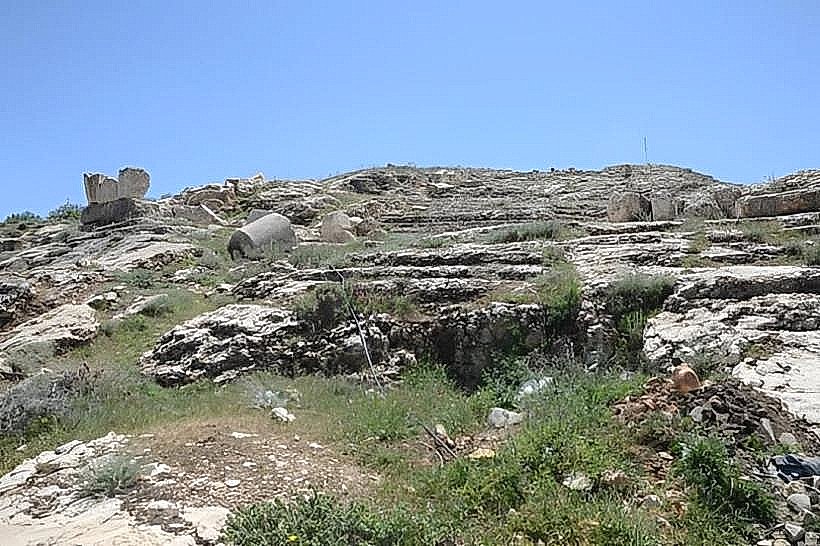
The hill is a prominent, semi-arid ridge composed of regional cream-colored limestone, rising several dozen meters above the surrounding valley floor. Its northern and western slopes are steep, featuring exposed rock formations and sparse Mediterranean scrub vegetation. The summit is leveled and dominated by a modern multi-story Shia religious complex and shrine characterized by large domes and minarets. Traces of ancient quarrying activities and cut stone steps are visible along the lower rocky inclines of the ridge.
Location & Access Logistics
The hill is located directly off Sheikh Abdallah Hill Road at the southern entrance of Baalbek, approximately 1 kilometer south of the main Baalbek Archaeological Site. Drivers from Beirut follow the Beirut-Damascus Highway (Route 30M) to Chtaura, then travel north along the Baalbek-Riyak Highway, which leads directly to the base of the hill. A paved winding road allows vehicular access directly to the summit, where dedicated parking spaces are available outside the shrine complex. Public transport minivans drop passengers at the main Baalbek southern intersection, from which the summit is reachable via a steep 15-minute uphill walk.
Historical & Ecological Origin
Geologically, the hill is an outcrop of the Cretaceous limestone formations that define the floor of the Beqaa Valley between the Lebanon and Anti-Lebanon mountain ranges. Historically, the hill was utilized during the Roman imperial era as a secondary stone quarry and a strategic lookout point protecting the southern approaches to Heliopolis. In the late 20th century, the site assumed prominent contemporary significance when the Islamic Revolutionary Guard Corps (IRGC) established a major operational headquarters and training camp here following the 1982 Israeli invasion of Lebanon. The summit has since been transformed into a religious and institutional complex.
Key Highlights & Activities
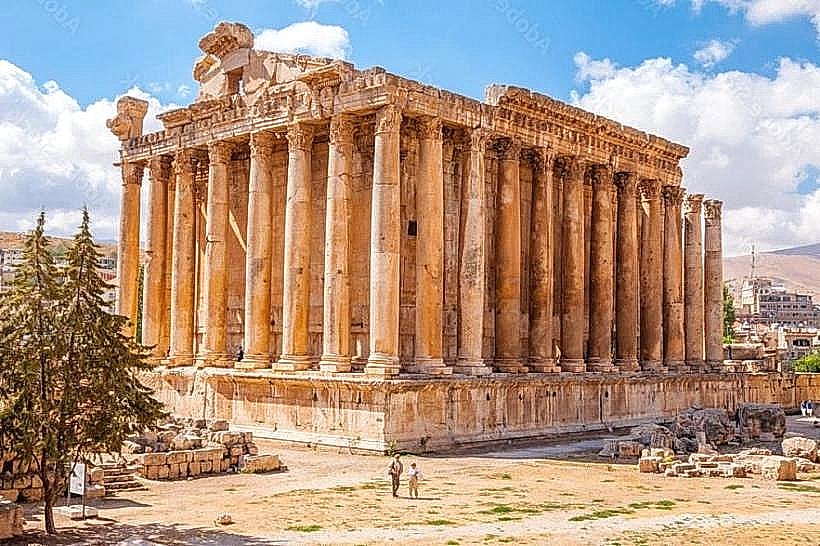
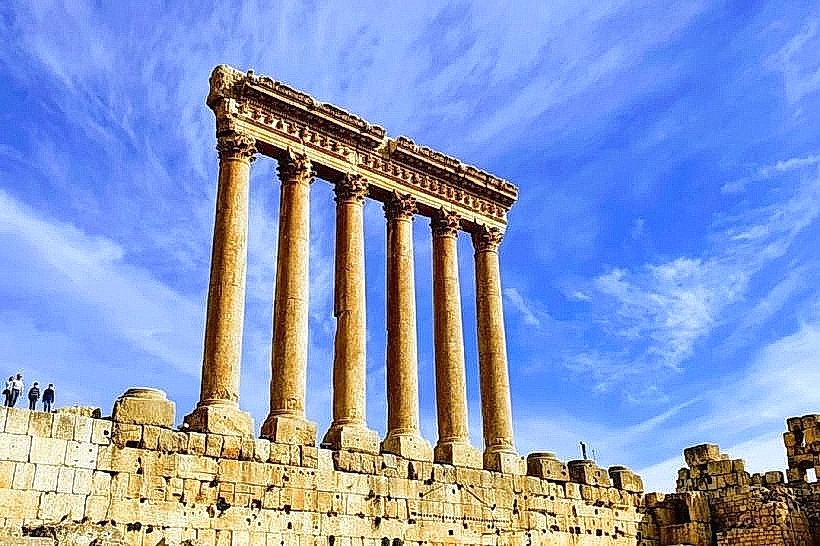
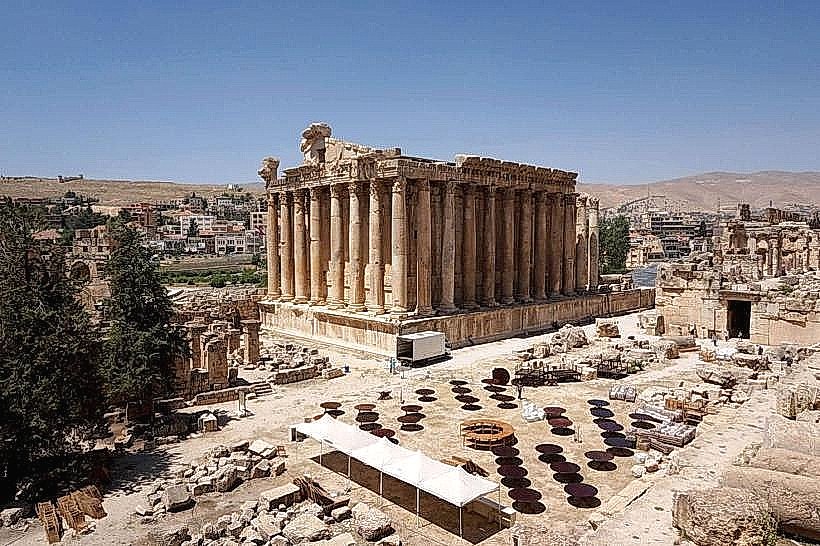
Observing the panoramic view of the entire Baalbek valley, including the standing columns of the Temple of Jupiter and the Temple of Bacchus.
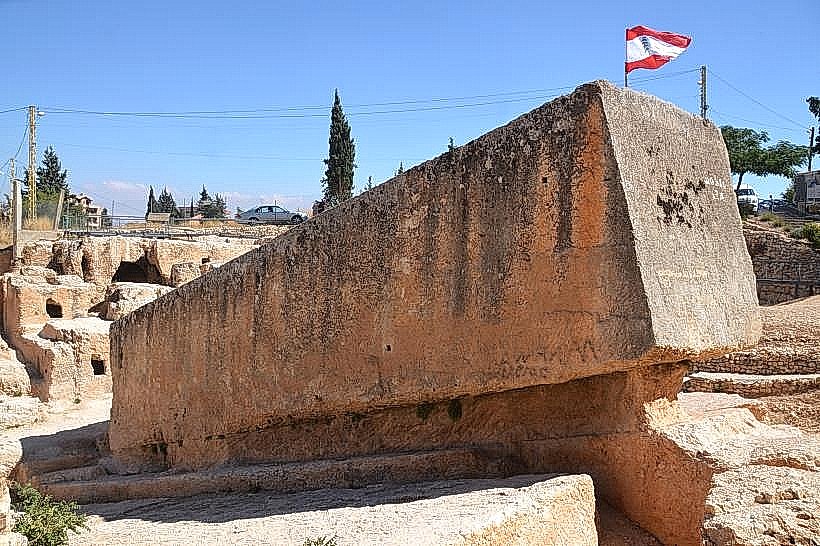
Inspecting the remnants of ancient Roman quarrying cuts and terracing along the rocky hillsides.
Viewing the external architecture of the modern religious complex and shrine established on the summit plateau.
Documenting the strategic layout of the hill relative to the historical caravan routes through the Beqaa Valley.
Infrastructure & Amenities
The summit features developed municipal and institutional infrastructure, including paved roads, walkways, and retaining walls. Public restrooms are available inside the religious complex for visitors. Shade is provided primarily by the building structures and a small number of planted pine trees near the summit viewpoint. Reliable 4G and 5G cellular connectivity is accessible via the national networks Alfa and Touch. Small convenience shops and snack vendors operate along the main access road near the base of the hill, with full urban amenities available 1 kilometer away in the town center.
Best Time to Visit
The recommended months for a visit are April through June and September through November to avoid extreme winter mountain cold and intense summer heat. The hill is accessible during daylight hours. The optimal time of day for panoramic photography is late afternoon, as the setting sun illuminates the modern city and the ancient Roman ruins below from a western angle, while casting the Anti-Lebanon mountains in clear relief.
Facts & Legends
A verified historical oddity is that during the 1980s, the barracks on this hill served as the primary command center for the nascent Hezbollah movement in the Beqaa Valley, making it a focal point of contemporary Lebanese political and military history. Local folklore states that the hill was named after a revered local holy man, Sheikh Abdallah, who chose the isolated summit for spiritual meditation, leading residents to consider the high ridge protected ground for centuries.
Nearby Landmarks
Sayyida Khawla Shrine: 0.45km Northwest
Stone of the Pregnant Woman (Ancient Quarry): 0.65km West
Temple of Bacchus: 1.0km North
Temple of Jupiter: 1.0km North
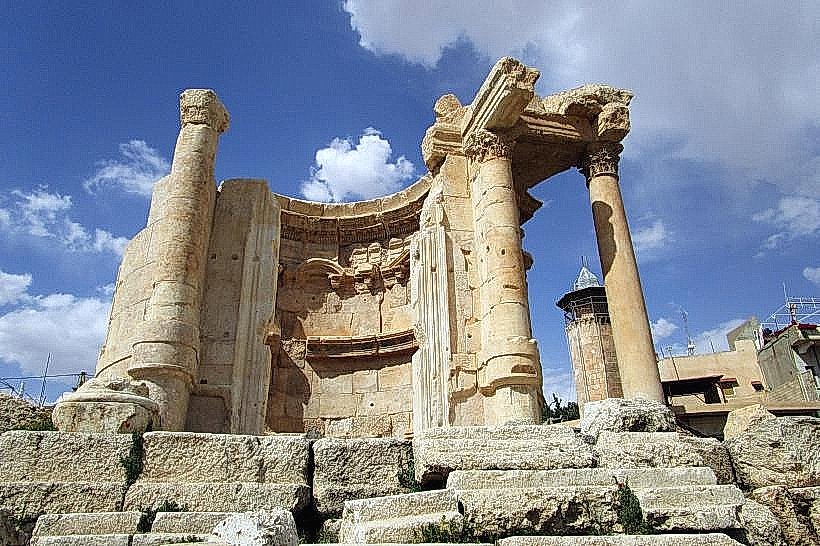
Baalbek Old Town: 1.1km Northeast