Landmark: Bird Island
City: Karongi
Country: Rwanda
Continent: Africa
Bird Island, Karongi, Rwanda, Africa
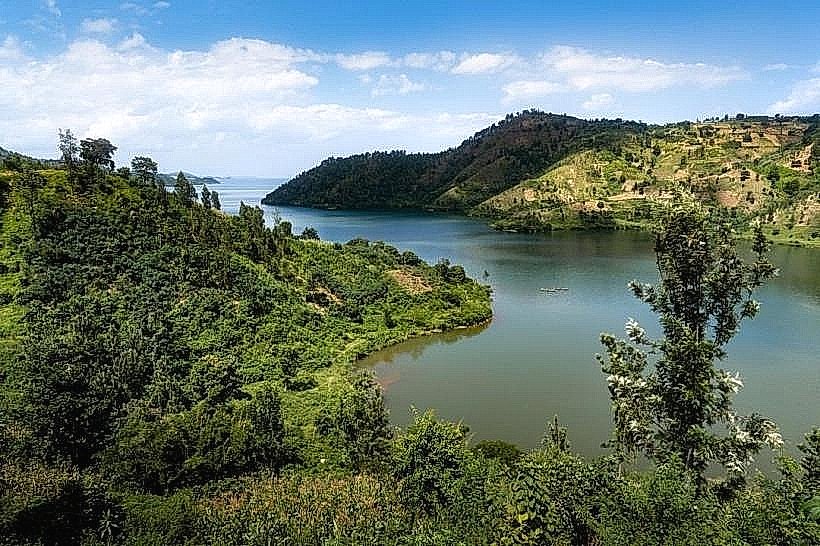
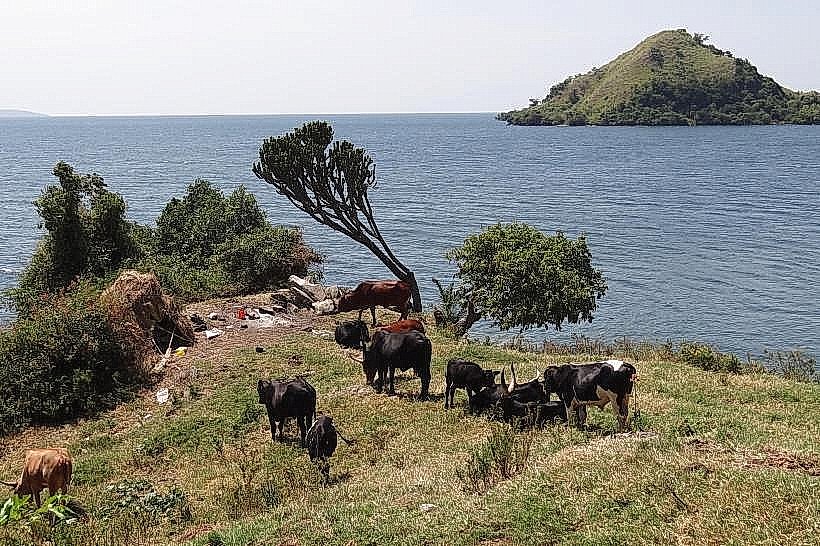
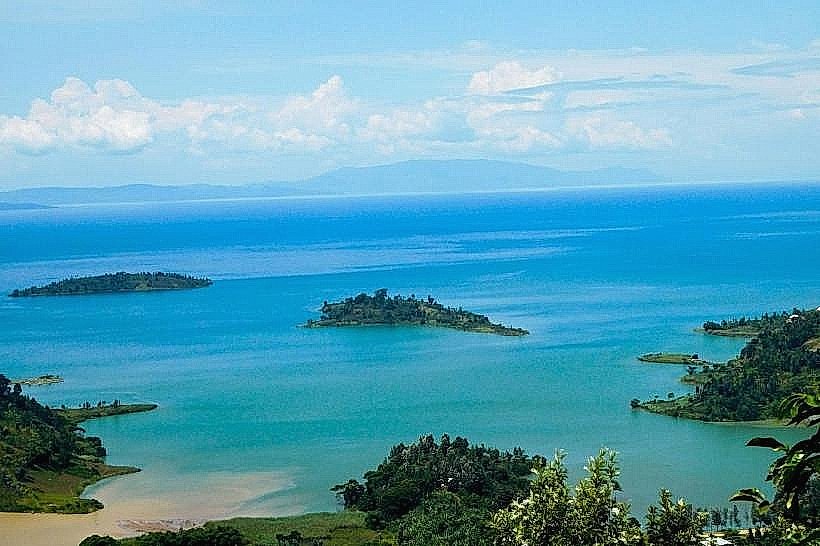
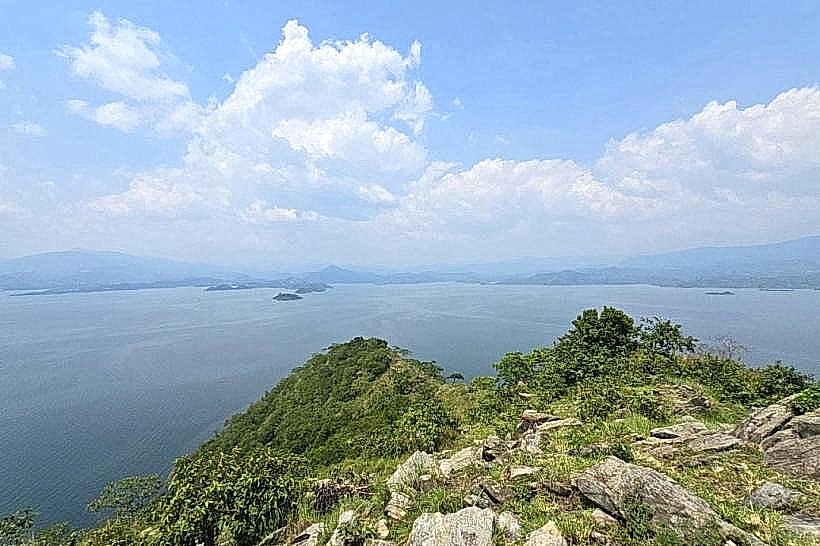
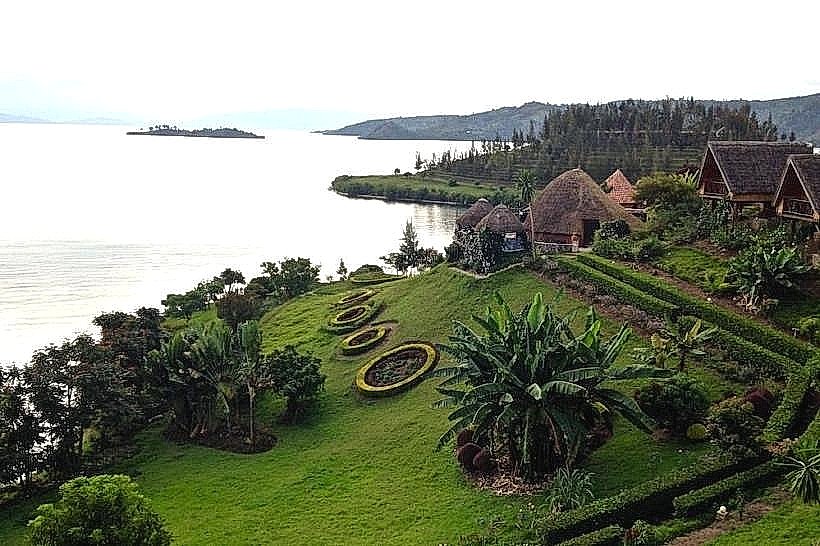
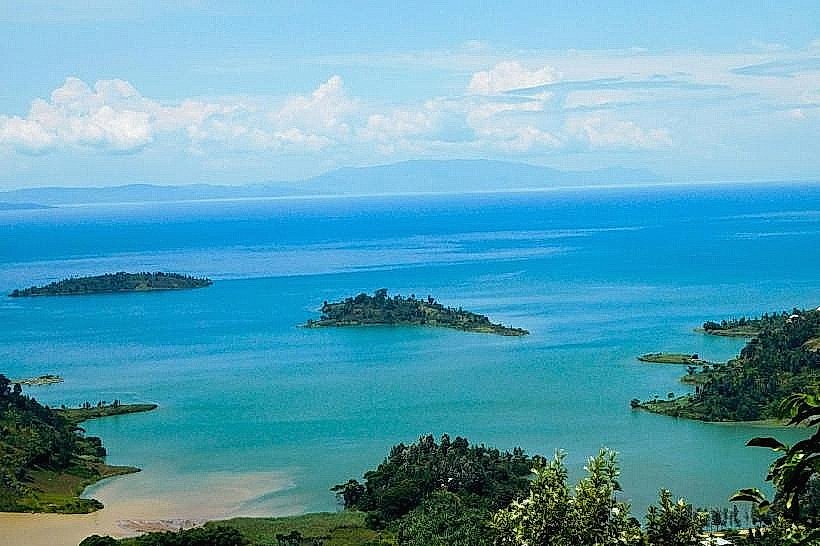
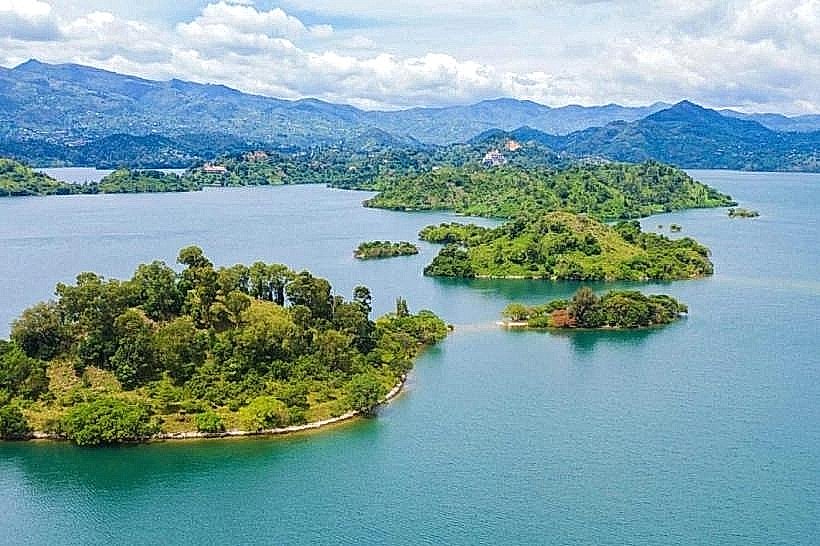
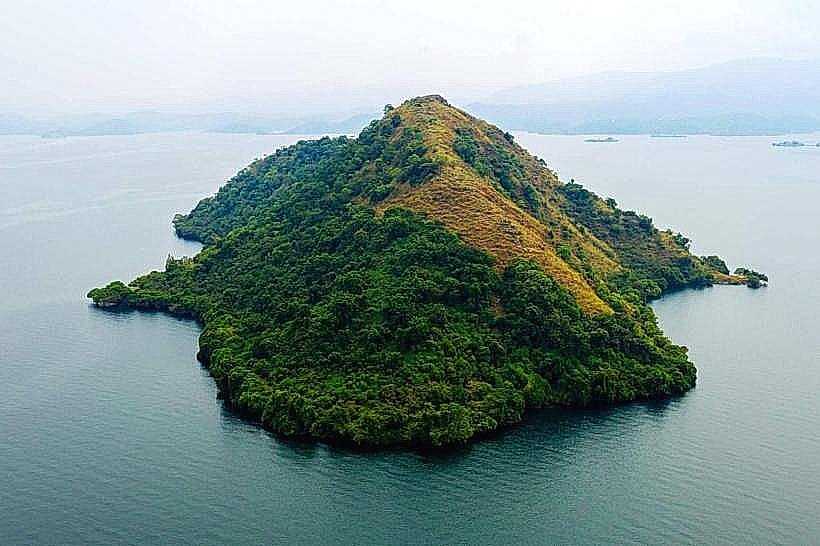
Bird Island, also known locally as Amahoro Island, is a small lacustrine landmass situated within Lake Kivu's Karongi bay. It functions as a private retreat and a significant nesting site for indigenous avian species in the Western Province of Rwanda.
Visual Characteristics
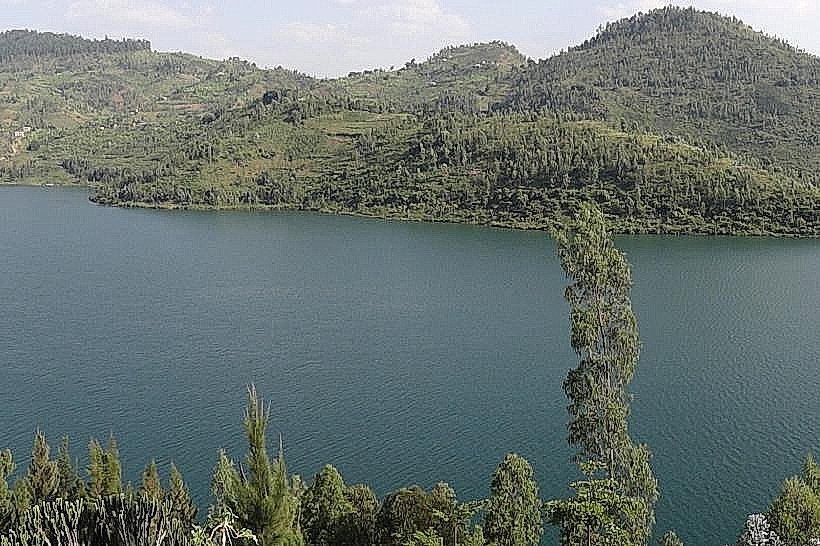
The island is characterized by a central rocky core surrounded by a thin perimeter of light-colored sand and volcanic pebbles. Dense clusters of eucalyptus, acacia, and tropical fruit trees provide a closed canopy over much of the interior. The surrounding waters are a deep turquoise, often exhibiting high clarity due to the sheltered position of the island within the bay.
Location & Access Logistics
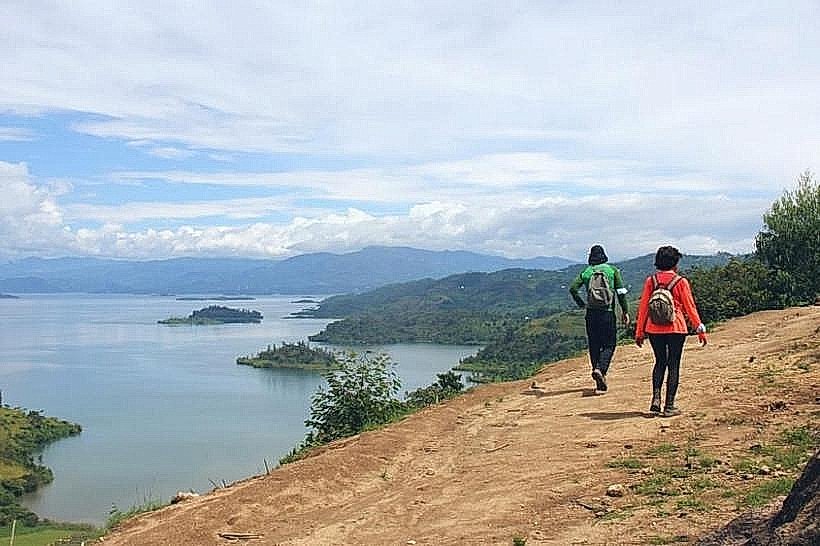
The island is located approximately 2.5km southwest of the Karongi (Kibuye) urban waterfront. Access is strictly via motorized wooden boat or kayak from the Karongi boat terminal or private hotel piers. Boat transfers take approximately 15 to 20 minutes; kayaking takes 45 to 60 minutes depending on wind conditions and water currents.
Historical & Ecological Origin
The island is a volcanic remnant formed during the tectonic rifting that created the Lake Kivu basin. Historically, it was developed into a private eco-tourism site to protect local biodiversity from mainland encroachment. It serves as a critical micro-ecosystem for the African Openbill stork and various species of kingfishers and weavers.
Key Highlights & Activities
Birdwatching is the primary activity, with peak activity observed during the early morning and late afternoon. Swimming is permitted in the shallow waters off the eastern beach. A circular walking trail allows for a 15-minute perimeter hike, and camping is available through prior arrangement with the island's management.
Infrastructure & Amenities
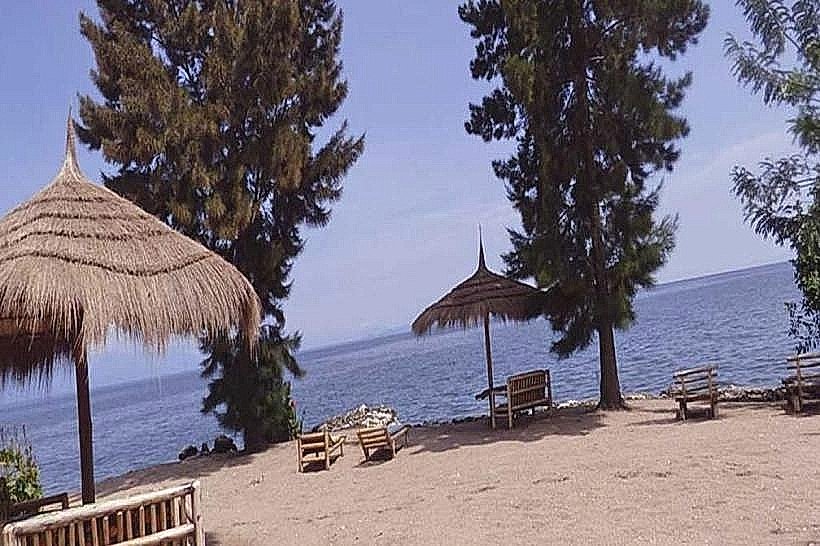
Infrastructure is minimal, consisting of a small bar/restaurant structure and a few thatched gazebos for shade. Basic pit latrines are the only available sanitation facilities. While 4G cellular signal is generally available from mainland towers, there is no grid electricity; limited power is provided by solar panels for essential lighting.
Best Time to Visit
The best months for visiting are during the dry seasons from June to August and December to February. Photography is most effective between 16:30 and 18:00 when the sun sets over the Congo mountains across the lake. High tide/low tide fluctuations are negligible as Lake Kivu is non-tidal.
Facts & Legends
The island's local name, "Amahoro," translates to "Peace" in Kinyarwanda, reflecting its historical use as a neutral ground and place of refuge. A specific tip for visitors: the island is one of the few places in the bay where the "Singing Fishermen" can be heard clearly as they paddle past in their three-hulled boats during the dusk departure.
Nearby Landmarks
Napoleon Island – 1.8km North
Karongi Beach – 2.5km Northeast
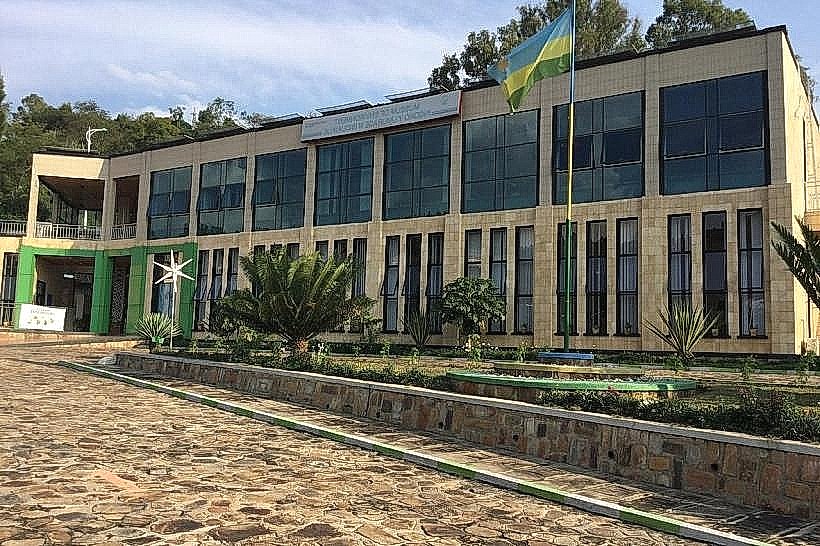
Museum of Environment – 3.1km Northeast
Monkey Island – 1.2km West