Landmark: Imbazi Museum
City: Musanze
Country: Rwanda
Continent: Africa
Imbazi Museum, Musanze, Rwanda, Africa
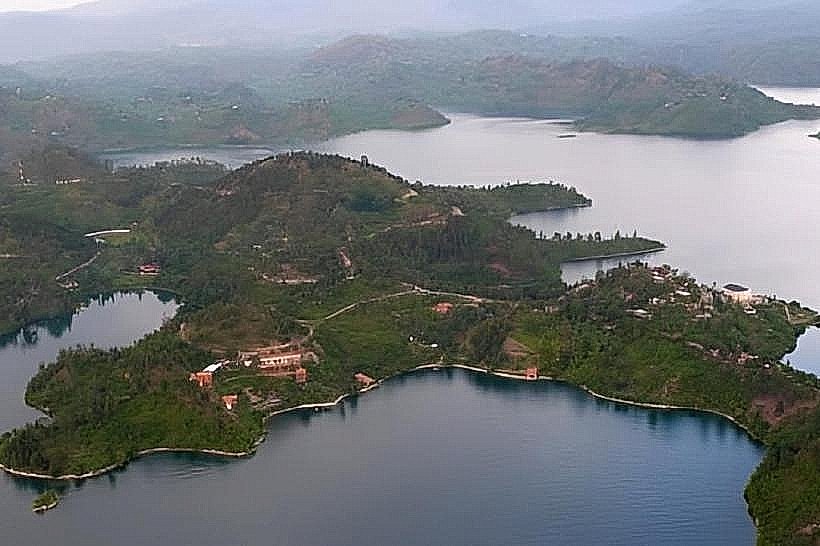
The Imbabazi Museum, formerly known as the Imbabazi Orphanage and Roz Carr’s Plantation, is a historical and cultural site located in the Mutura Sector of the Rubavu District. It is situated on a high-altitude plateau at the base of the Virunga Volcanoes, approximately 25km northeast of Gisenyi and 70km west of Musanze.
Visual Characteristics
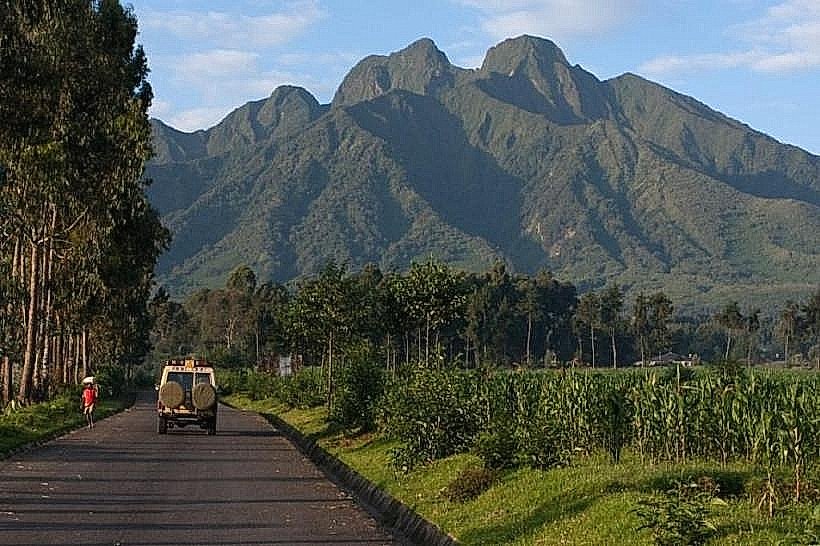
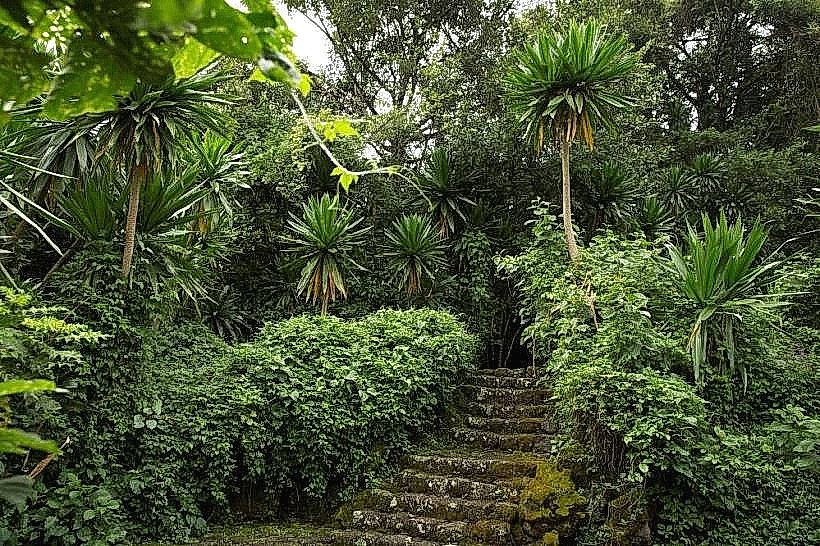
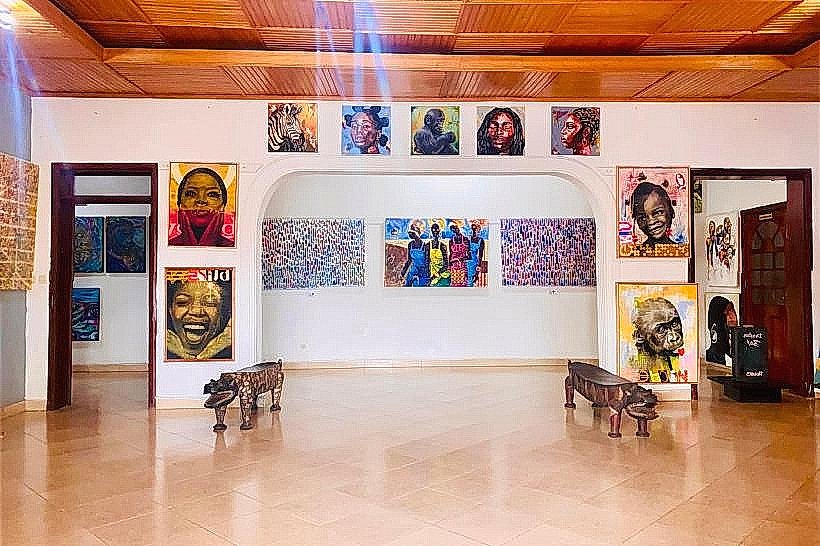
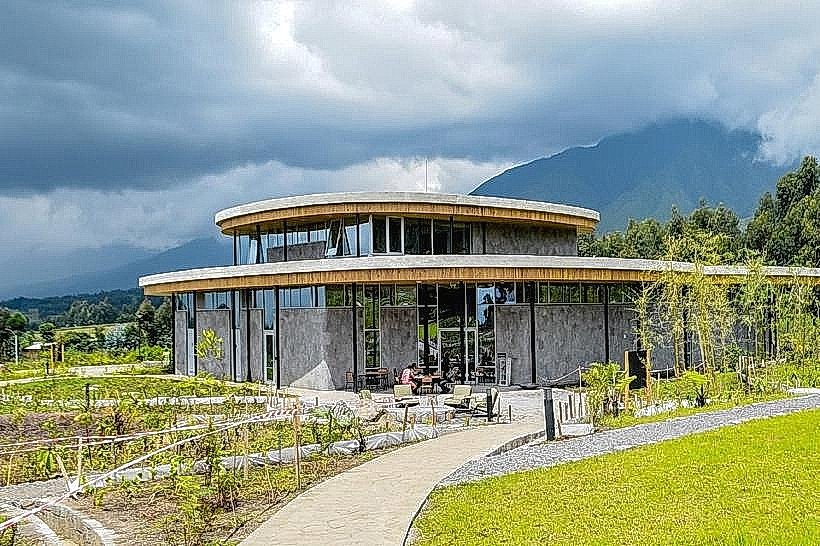
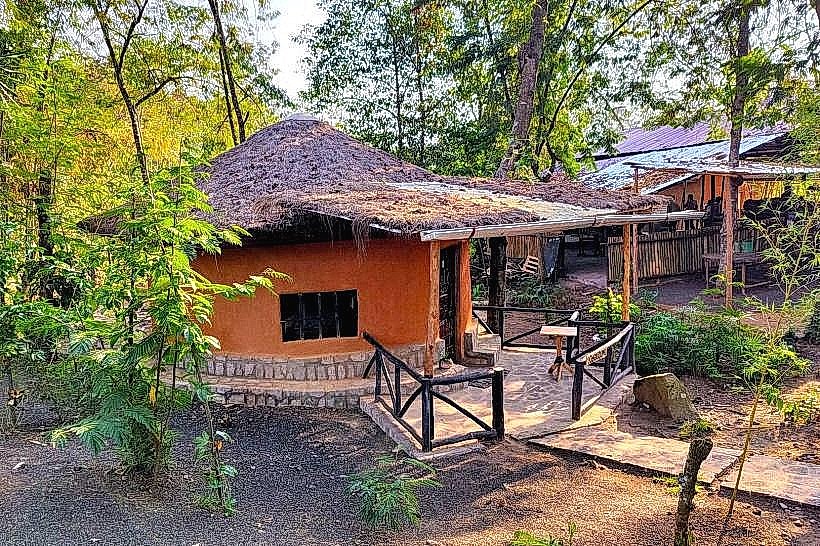
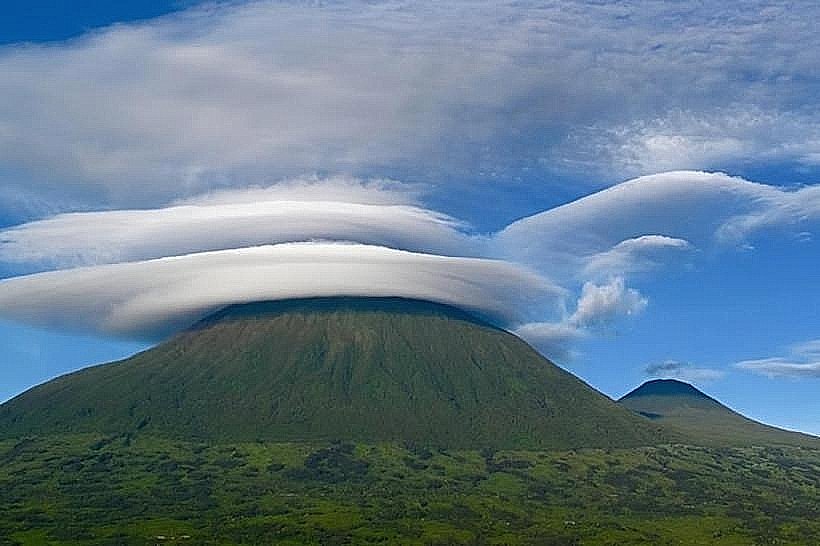
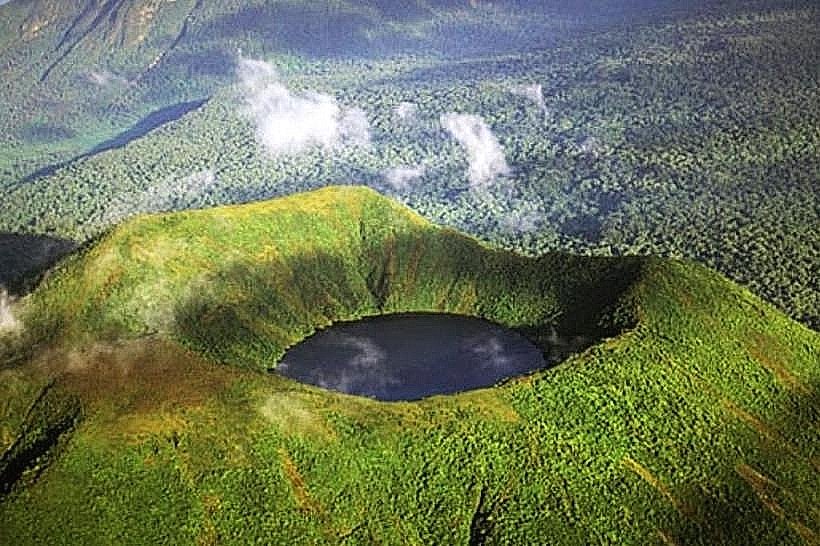
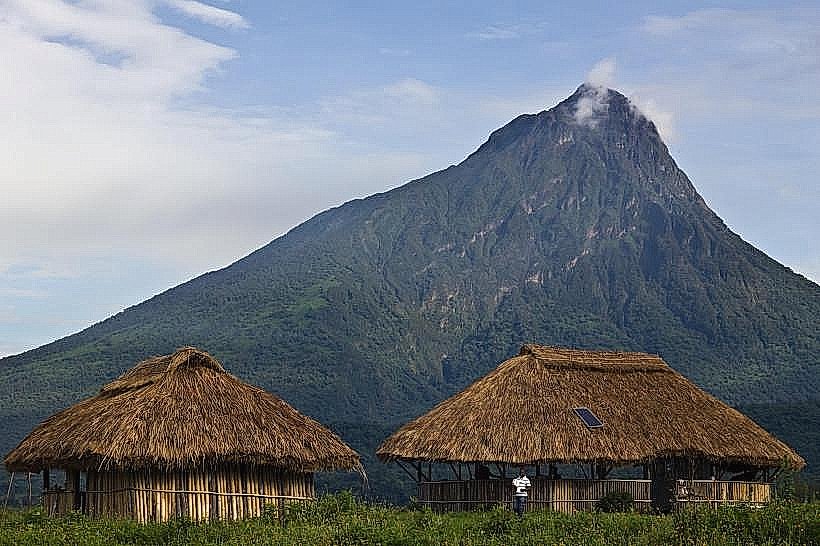
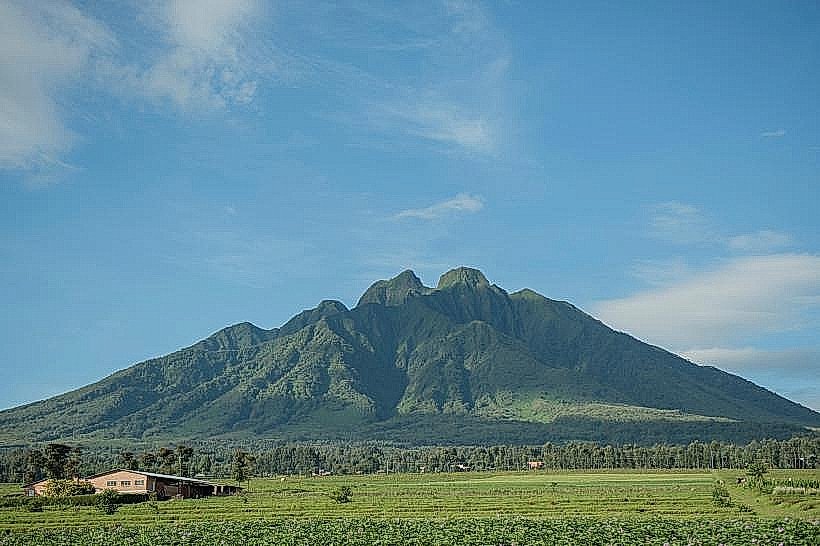
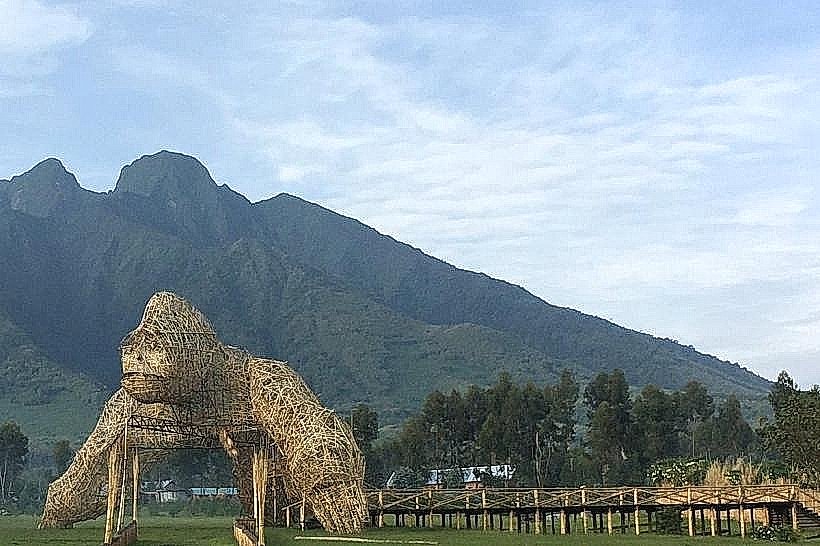
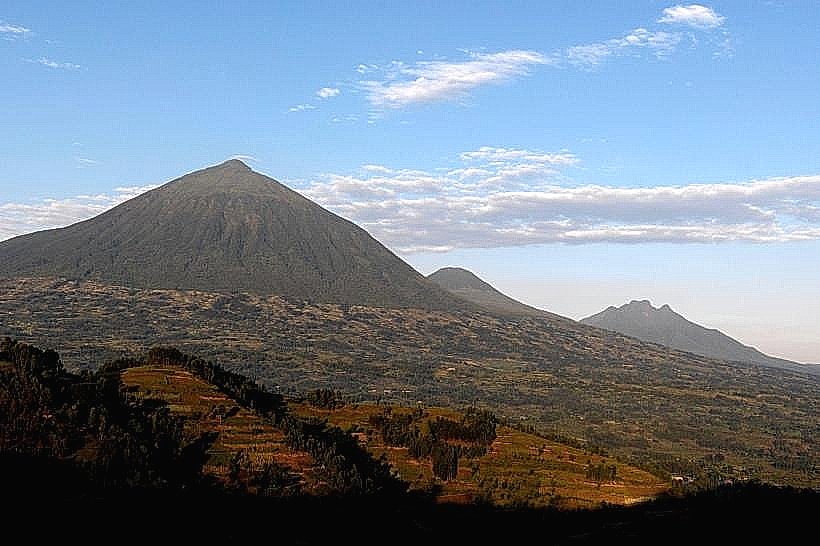
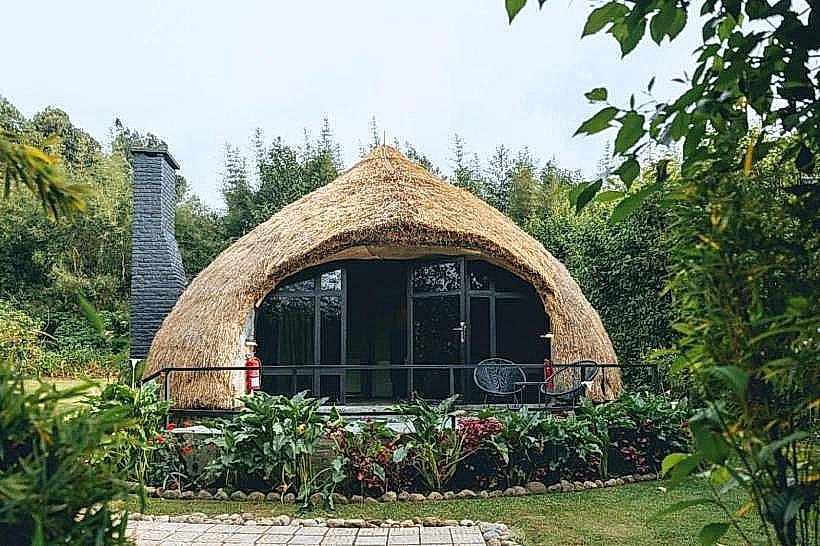
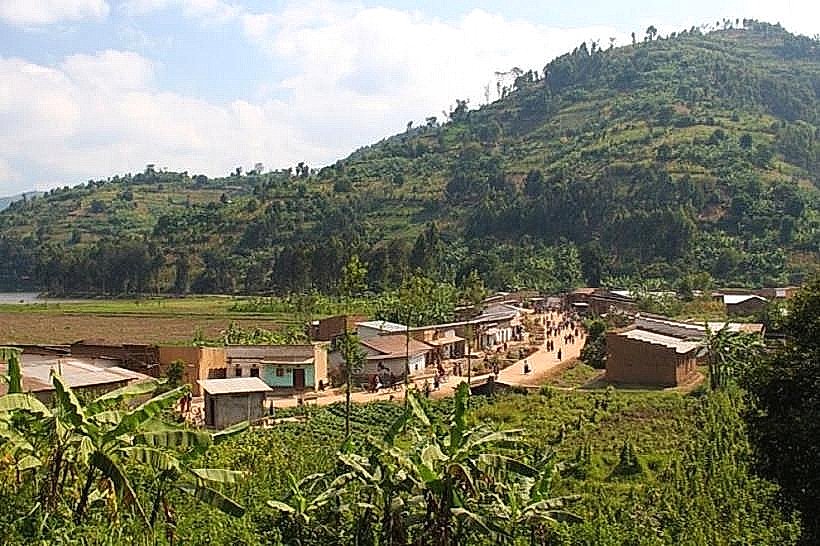
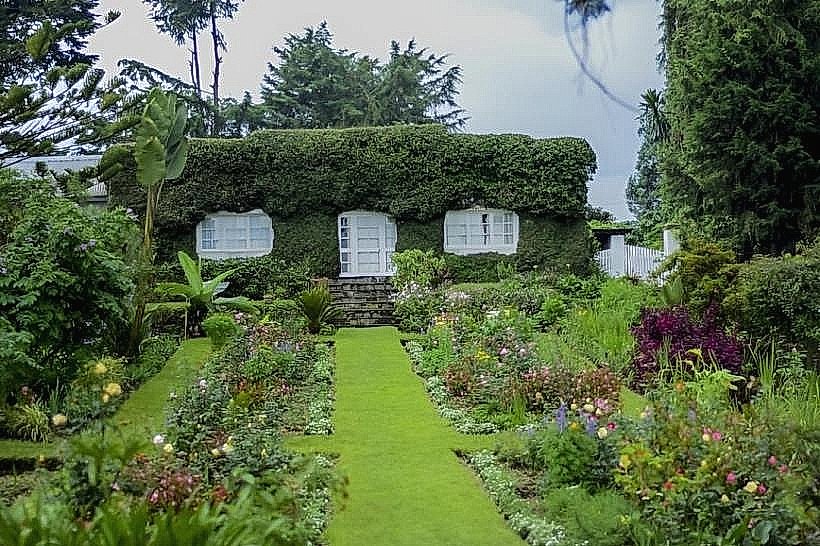
The museum occupies a restored colonial-style farmhouse constructed from volcanic stone and dark timber, featuring a wide veranda and a green corrugated iron roof. The architecture is defined by its integration into 15 acres of manicured English-style gardens, which contain over 200 varieties of flowers, including hydrangeas, roses, and indigenous lilies. The interior maintains a mid-20th-century aesthetic with original hardwood furniture, personal artifacts, and extensive photographic archives. The surrounding landscape consists of rolling hills, eucalyptus groves, and a direct view of the Sabyinyo and Mikeno volcanic peaks.
Location & Access Logistics
Access is via the unpaved but graded communal road branching off the main Musanze–Rubavu (RN4) highway at the Mukamira junction. From Gisenyi, the drive takes approximately 45 to 60 minutes. Private 4x4 vehicles are highly recommended due to the steep and rocky nature of the final 5km ascent. Public transport "matatus" serve the Mukamira trading center; from there, motorcycle taxis (motos) provide the only consistent transit to the museum gates. The site is enclosed by a stone perimeter wall with a single monitored entry point.
Historical & Ecological Origin
The site was established in 1948 by Rosamond Halsey Carr, an American fashion illustrator turned plantation owner. Originally a flower and pyrethrum farm, it was converted into the Imbabazi Orphanage in December 1994 to house children lost during the Genocide against the Tutsi. Following Carr's death in 2006, the facility transitioned into a museum and community hub managed by the Imbabazi Foundation. Geologically, the plantation sits on rich, well-drained volcanic soil (andisols) that supports the intensive floriculture for which the site is historically famous.
Key Highlights & Activities
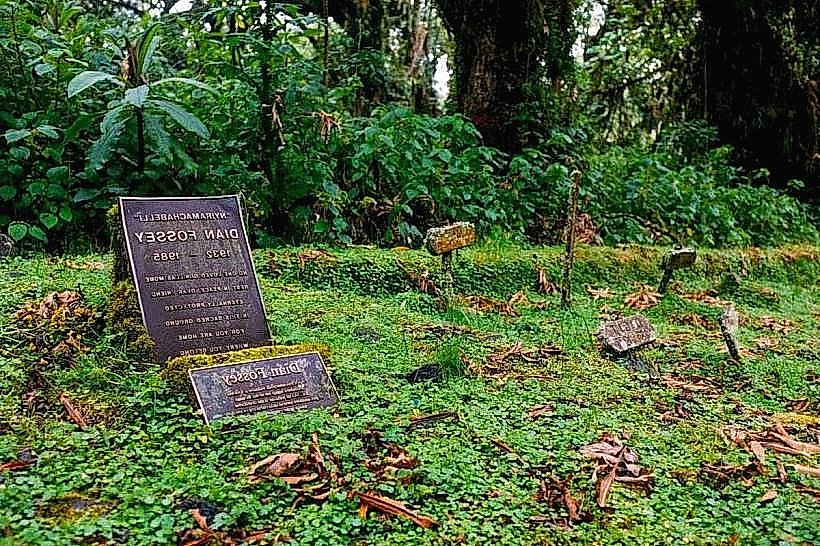
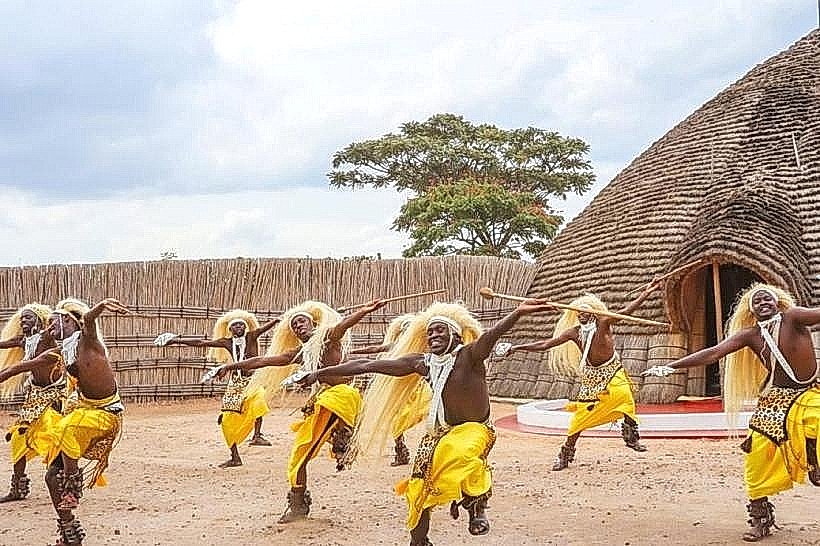
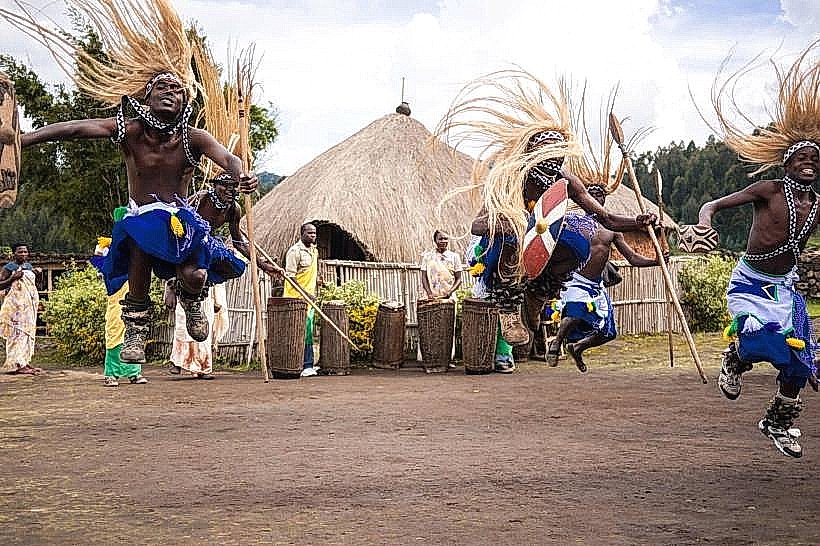
The primary activity is a guided tour of the "Carr House," which details Rosamond Carr’s 50-year history in Rwanda and her close friendship with primatologist Dian Fossey. Visitors can walk through the extensive flower gardens and the "Memory Lane" path. Cultural performances by the local Intore dance troupe are frequently staged for groups. The site also functions as a community center, providing vocational training in agriculture and ceramics. Photography is permitted in the gardens and designated museum rooms.
Infrastructure & Amenities
The facility includes a small visitor center and a gift shop selling "Made in Rwanda" handicrafts, ceramics, and seeds from the plantation's gardens. Modern public restrooms are available on-site. 4G cellular coverage is consistent, though 5G is intermittent due to the high-altitude terrain. Shaded seating is provided by the farmhouse veranda and several wooden gazebos within the garden. There are no full-service restaurants, but the staff provides tea, coffee, and light snacks for visitors.
Best Time to Visit
The best time for photography and viewing the gardens in full bloom is during the short rainy season (October–November) or the start of the long dry season (June). The museum is open daily from 09:00 to 17:00. Morning visits (09:30 to 11:30) are optimal for clear views of the volcanoes before the afternoon mist sets in. Pre-booking is recommended for guided tours and cultural performances.
Facts & Legends
A verified historical fact is that the Imbabazi Orphanage cared for more than 400 children between 1994 and its eventual closure as a residential facility in line with Rwanda's national de-institutionalization policy. A local legend suggests that the "Mugongo" hill behind the plantation was a traditional meeting place for ancient Rwandan kings traveling between the central and western provinces. A unique logistical detail: the "Imbabazi" name translates to "a place where you will receive motherly love and care."
Nearby Landmarks
Volcanoes National Park (Western Sector) – 8.0km East
Gishwati-Mukura National Park – 15.0km South
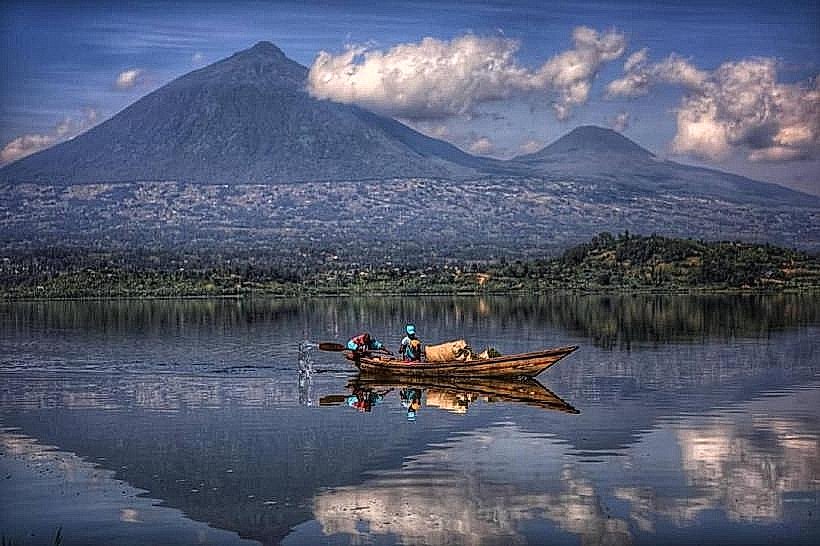
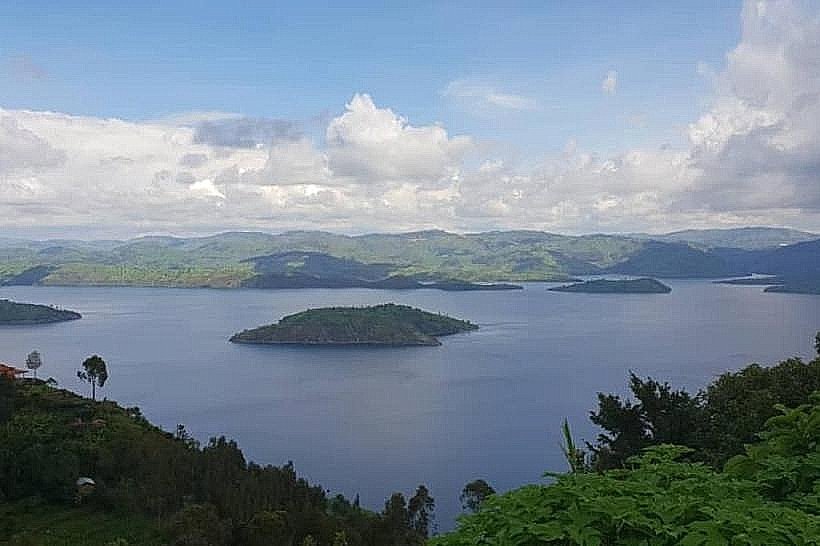
Lake Kivu (Gisenyi Waterfront) – 25.0km Southwest
Pfunda Tea Estate – 18.0km Southwest
Mount Karisimbi Trailhead – 12.0km Northeast