Landmark: Volcanoes National Park
City: Musanze
Country: Rwanda
Continent: Africa
Volcanoes National Park, Musanze, Rwanda, Africa
Volcanoes National Park is a protected area in northwestern Rwanda that covers 160 square kilometers of primeval rainforest. It borders Virunga National Park in the Democratic Republic of Congo and Mgahinga Gorilla National Park in Uganda, forming a continuous transboundary conservation zone.
Visual Characteristics
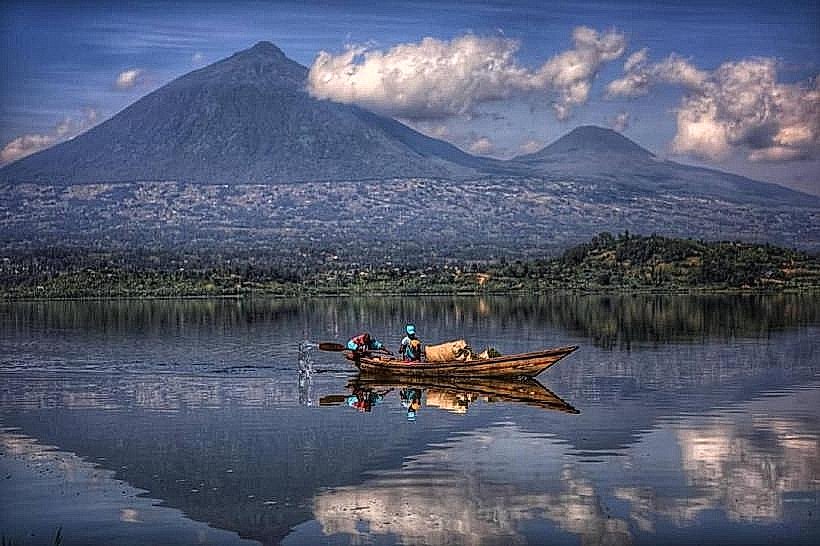
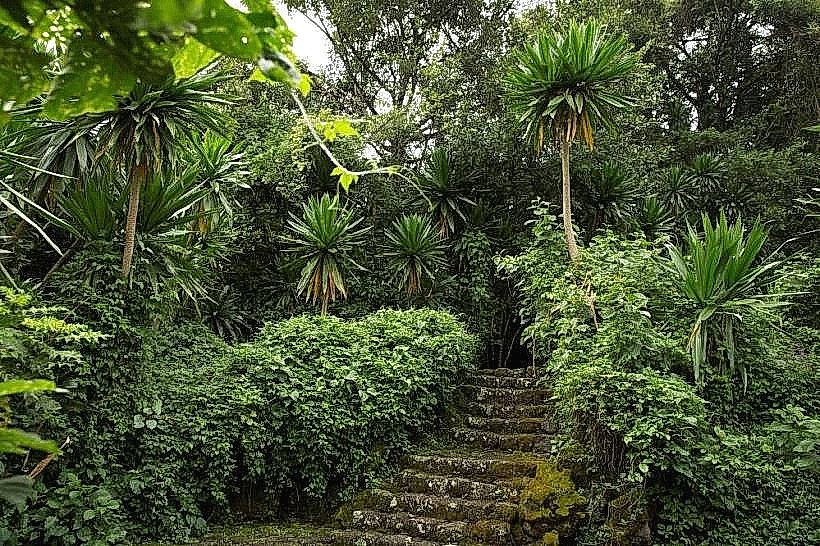
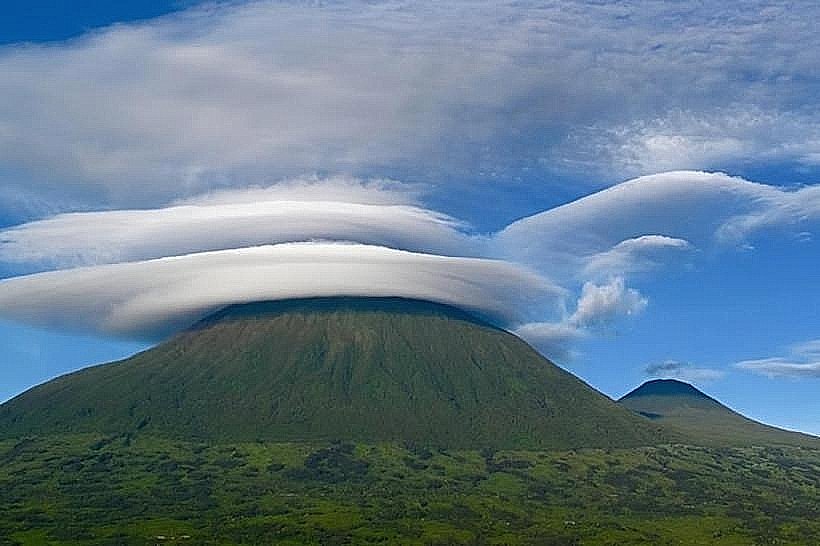
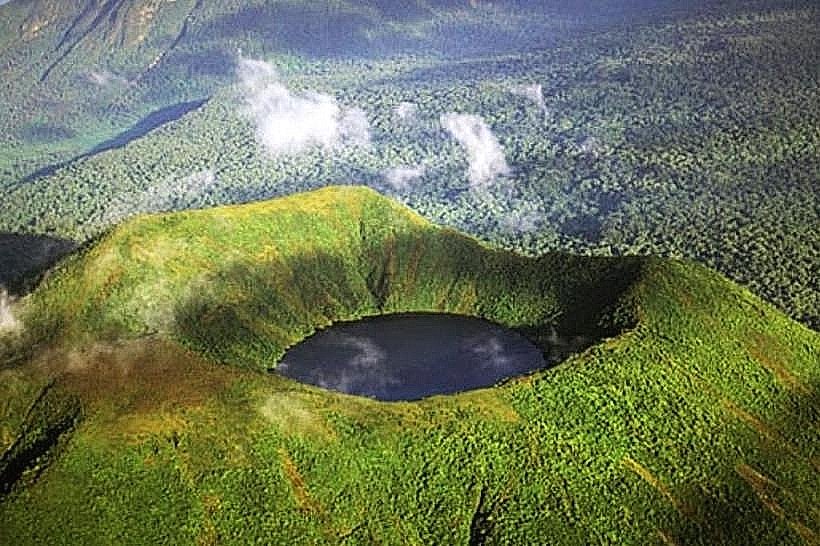
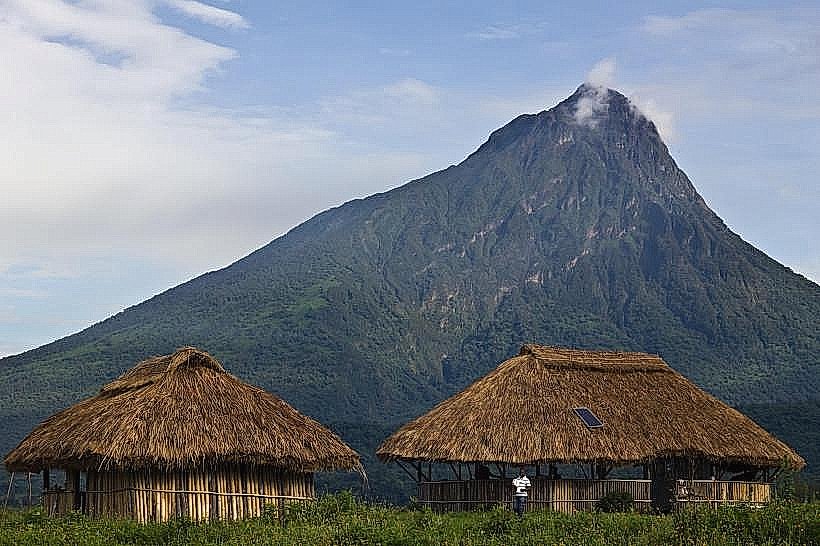
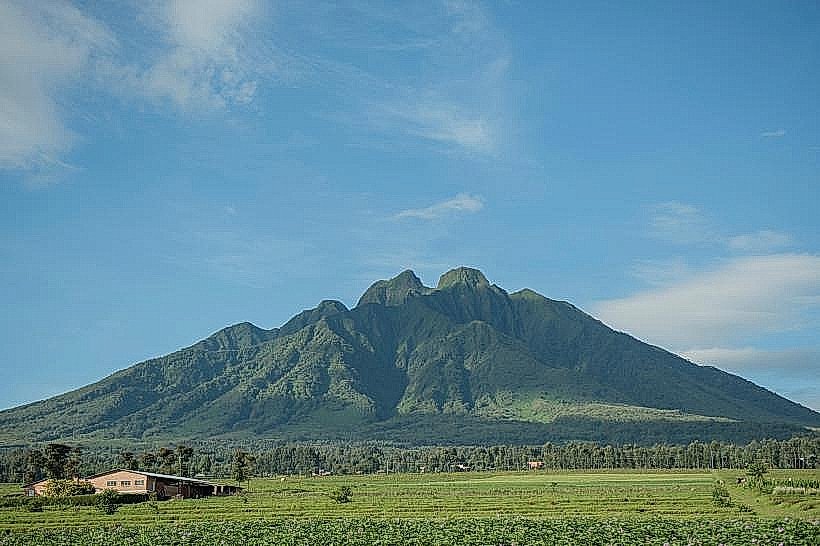
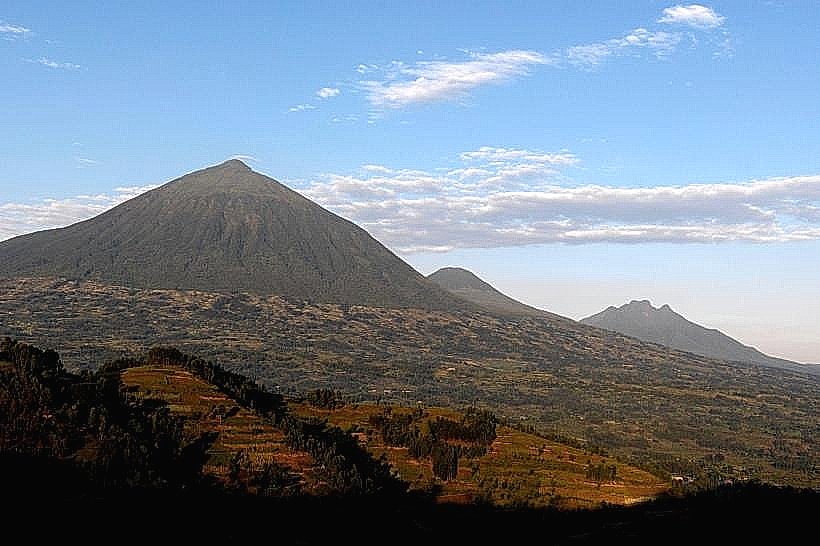
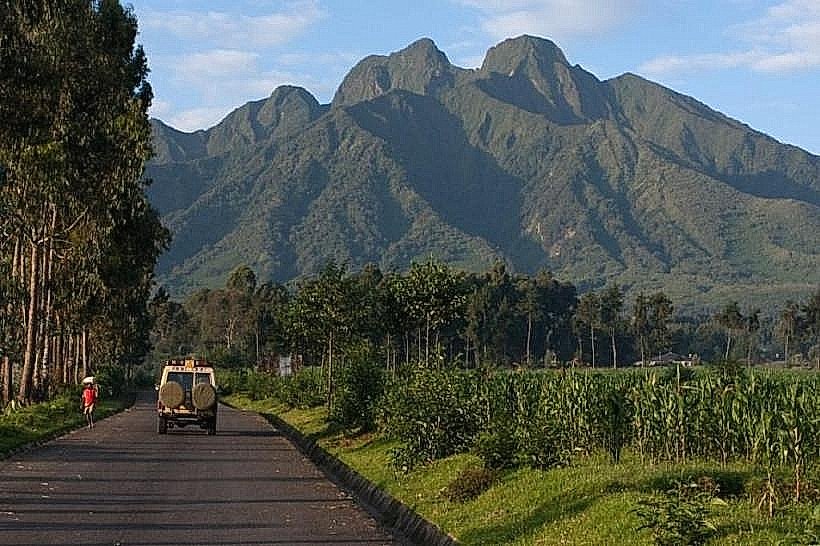
The park is dominated by five of the eight volcanoes of the Virunga Mountains: Karisimbi, Bisoke, Muhabura, Gahinga, and Sabyinyo. The landscape consists of distinct altitudinal vegetation zones, ranging from dense bamboo forests at lower elevations to sub-alpine Afro-montane moorlands characterized by giant lobelias and groundsels. The terrain is rugged, with steep volcanic slopes, deep craters, and a ground cover of thick, moisture-laden ferns and mosses.
Location & Access Logistics
The park headquarters is located in Kinigi, approximately 12km north of the town of Musanze and 105km from Kigali. Access from Kigali is via the paved RN4 highway, a journey of approximately 2.5 to 3 hours by private vehicle. Public transport minibuses (matatus) run frequently from Kigali’s Nyabugogo terminal to Musanze; from Musanze, visitors must use private 4x4 vehicles or motorcycle taxis (motos) to reach the Kinigi briefing center. Most trekking activities require high-clearance 4x4 vehicles due to the unpaved, rocky nature of the park's access roads.
Historical & Ecological Origin
Established in 1925 as a small area between Karisimbi, Bisoke, and Mikeno, it was the first national park to be created in Africa. Its primary ecological purpose was to protect the mountain gorilla (Gorilla beringei beringei) from poaching. Geologically, the park sits on the Albertine Rift, with its volcanoes formed by tectonic activity starting roughly 2.5 million years ago. It gained international prominence as the base for primatologist Dian Fossey’s research, which began in 1967.
Key Highlights & Activities
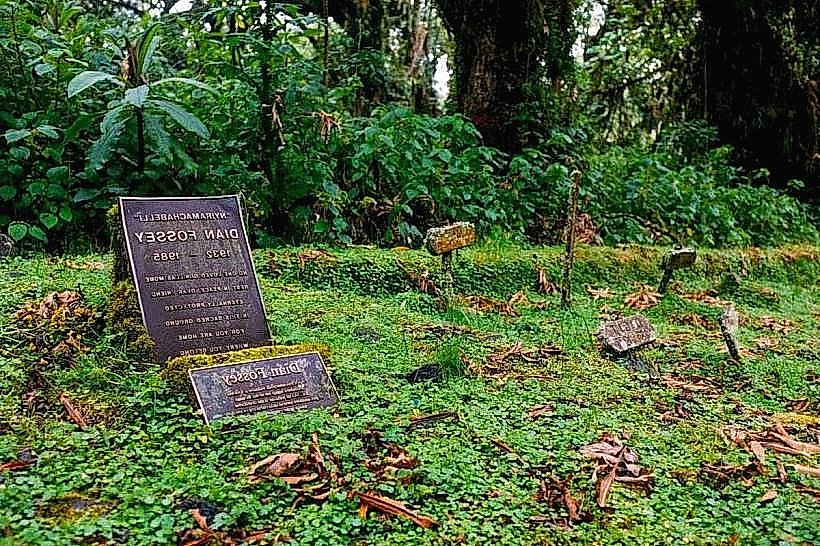
Mountain gorilla trekking is the primary activity, requiring pre-purchased permits and restricted to one hour of observation per day. Other specific actions include trekking for the endangered golden monkey, hiking to the tomb of Dian Fossey at the Karisoke Research Center, and climbing Mount Bisoke to view its crater lake. Bird watching is a significant activity, with over 178 species recorded, including 13 species endemic to the Albertine Rift.
Infrastructure & Amenities
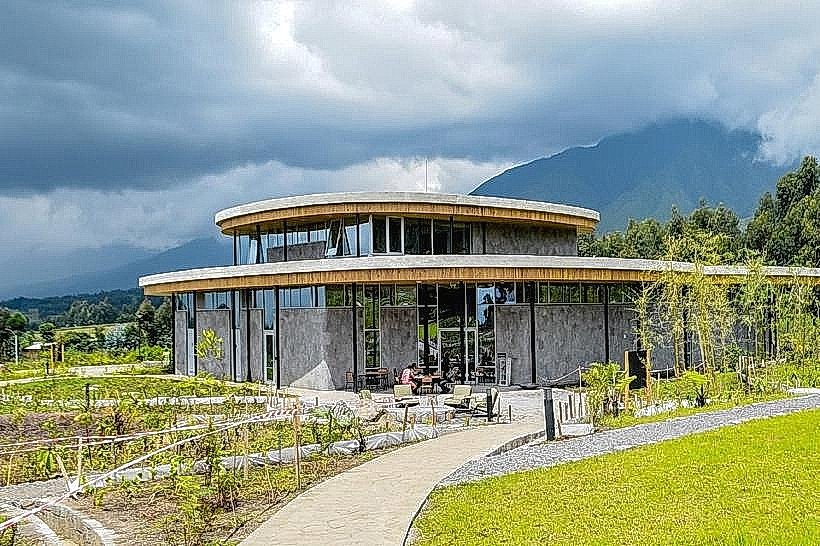
The Kinigi visitor center provides modern restrooms, a briefing hall, and a small coffee shop. Within the park, there are no toilets, shaded structures, or food vendors; trekkers must carry all necessary water and rations. 4G cell phone signal is generally available at the park headquarters and lower elevations but becomes intermittent or non-existent deep within the forest or on higher volcanic peaks. Professional porters are available for hire at the briefing site to assist with gear.
Best Time to Visit
The best months for trekking are the dry seasons from June to August and December to February, which provide the most stable ground conditions. For photography, the early morning (07:00 to 09:00) offers soft light and atmospheric mountain mist, though low-light lenses are necessary under the dense forest canopy. The park remains open year-round, but heavy rains in April and May can make trails extremely muddy and steep sections hazardous.
Facts & Legends
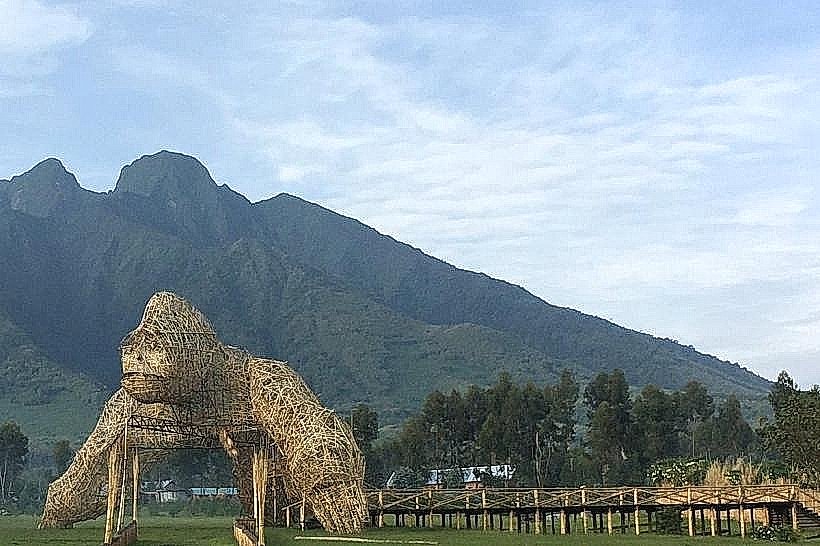
Local legend holds that the peaks of the Virungas are the resting places of ancestral spirits, with Mount Muhabura specifically named "The Guide" because it served as a navigational landmark for travelers throughout the region. A verified historical oddity is that the park was the site of the world's first "gorilla naming ceremony," known as Kwita Izina, a tradition derived from Rwandan culture that has been held annually since 2005 to celebrate the birth of new mountain gorillas.
Nearby Landmarks
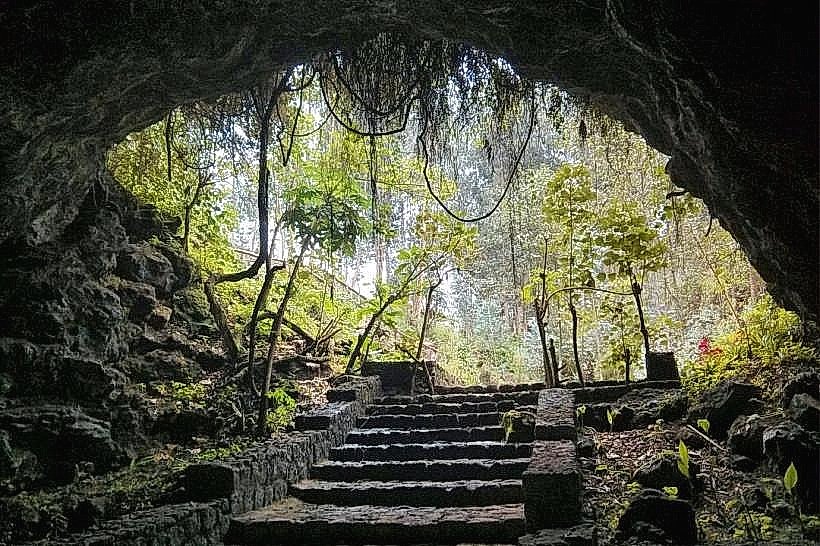
Musanze Caves – 11.5km Southeast
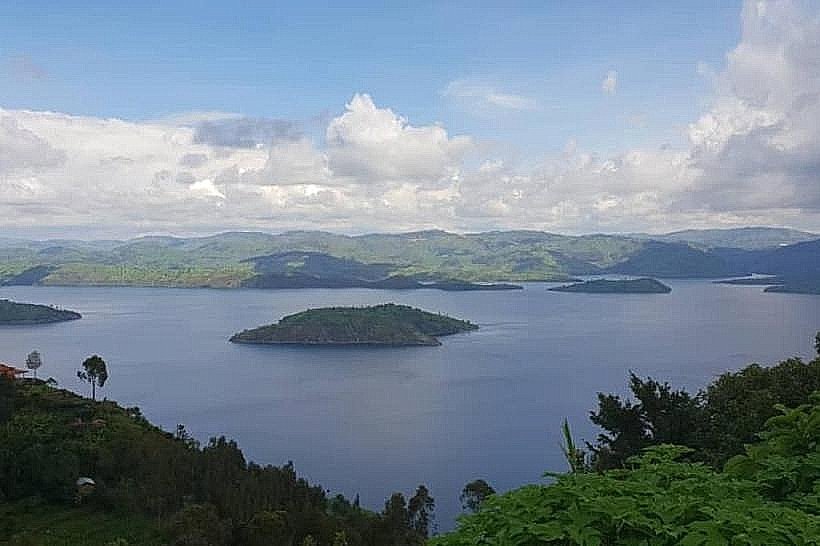
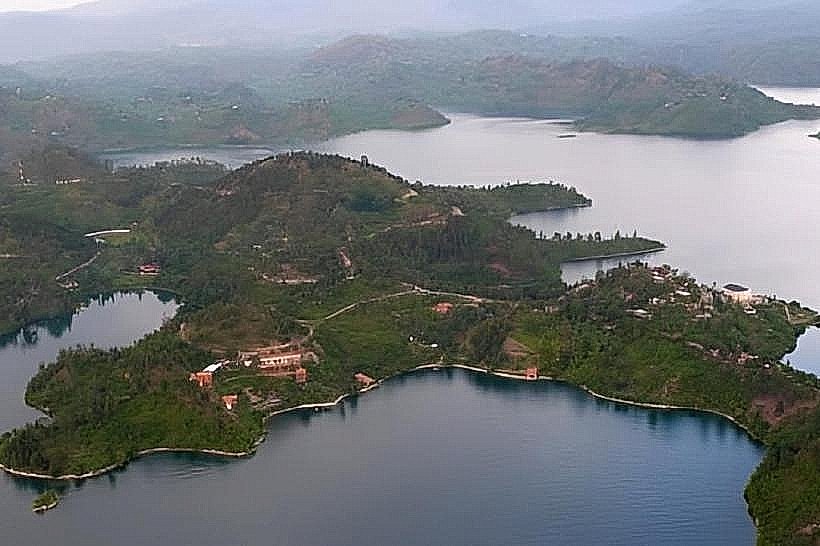
Twin Lakes (Burera and Ruhondo) – 22km East
Ellen DeGeneres Campus of the Dian Fossey Gorilla Fund – 4.2km South
Red Rocks Rwanda Intercultural Center – 8.5km South
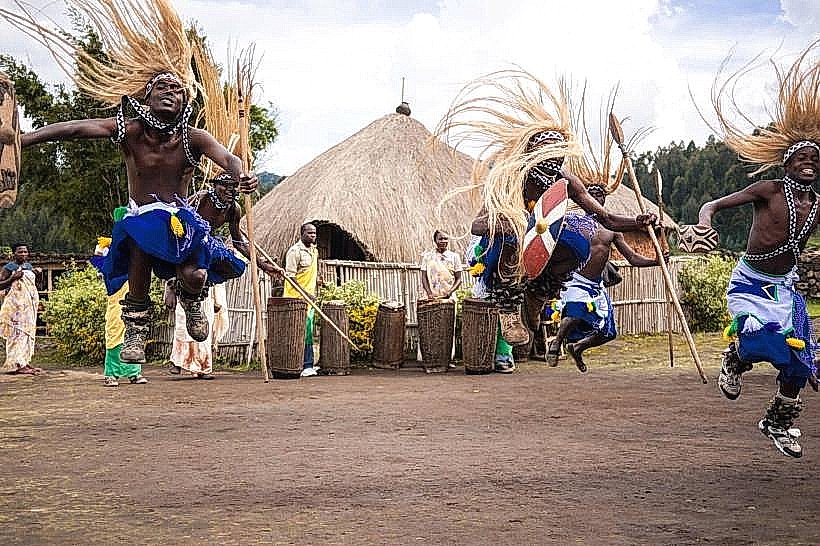
Iby’Iwacu Cultural Village – 1.5km South