Landmark: Nkotsi Village
City: Musanze
Country: Rwanda
Continent: Africa
Nkotsi Village, Musanze, Rwanda, Africa
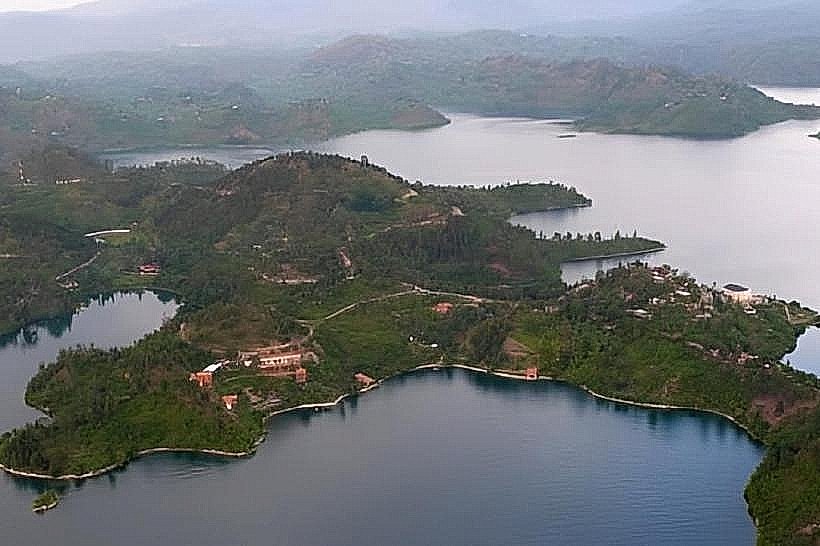
Nkotsi Village (also known as the Bikara-Nkotsi area) is a historically significant rural settlement located in the Musanze District of the Northern Province. It is situated approximately 8km southwest of the Musanze town center, positioned on the fertile volcanic plateau between Mount Mukungwa and the base of the Virunga chain.
Visual Characteristics
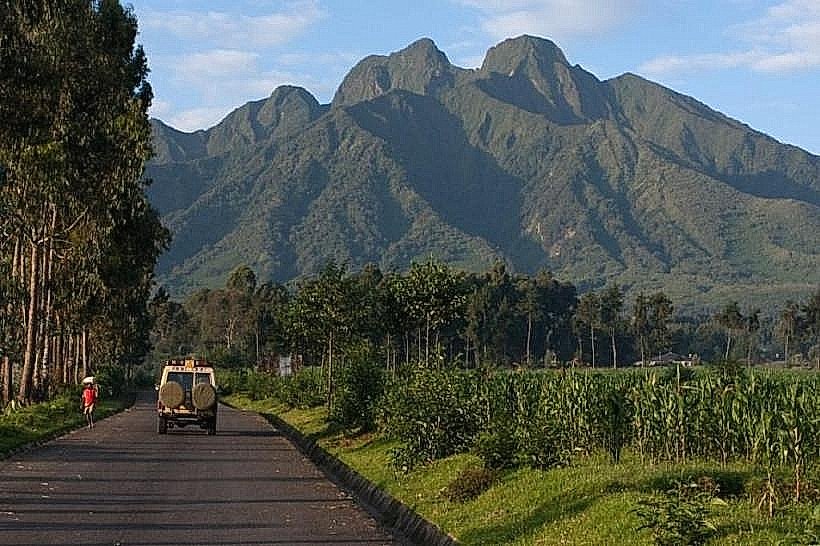
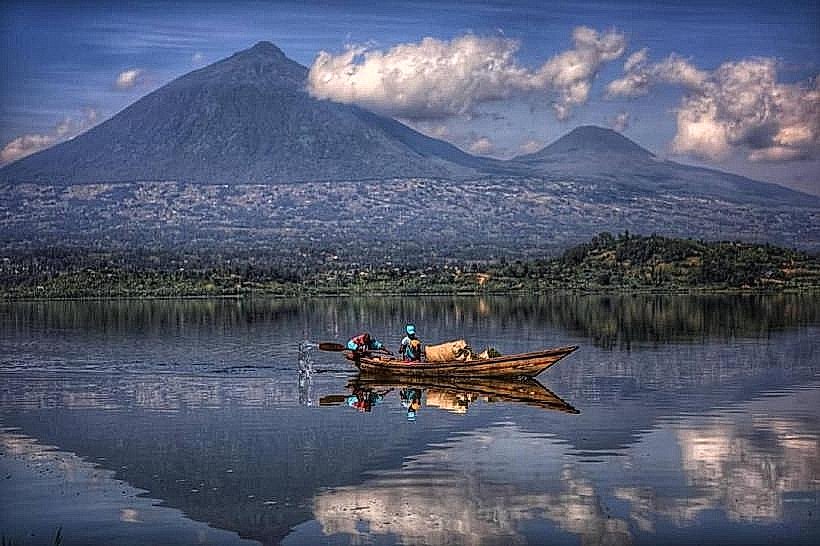
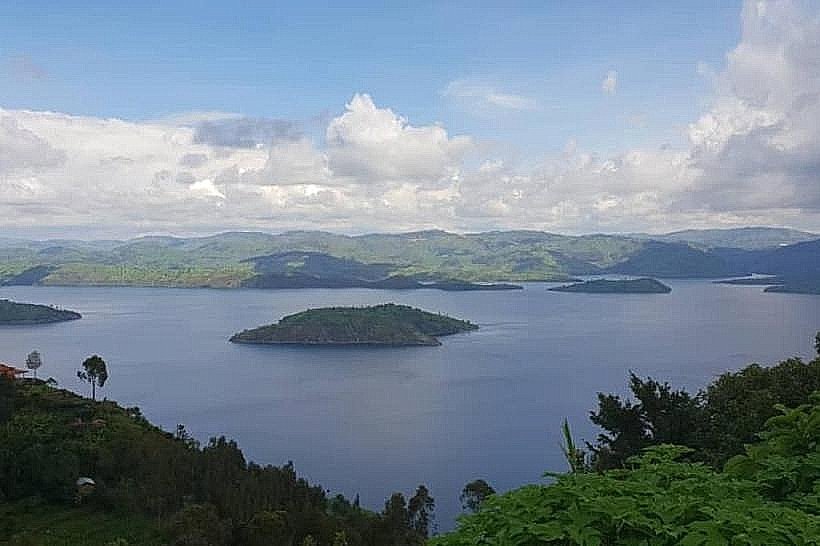
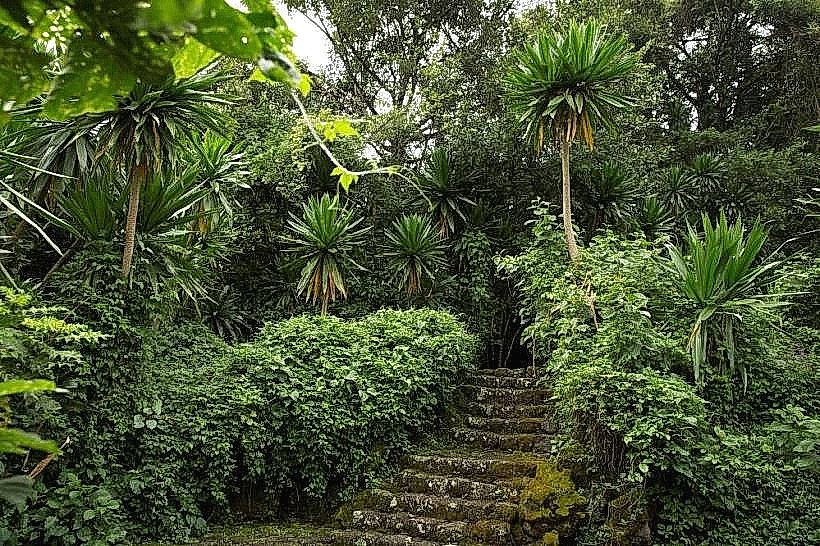
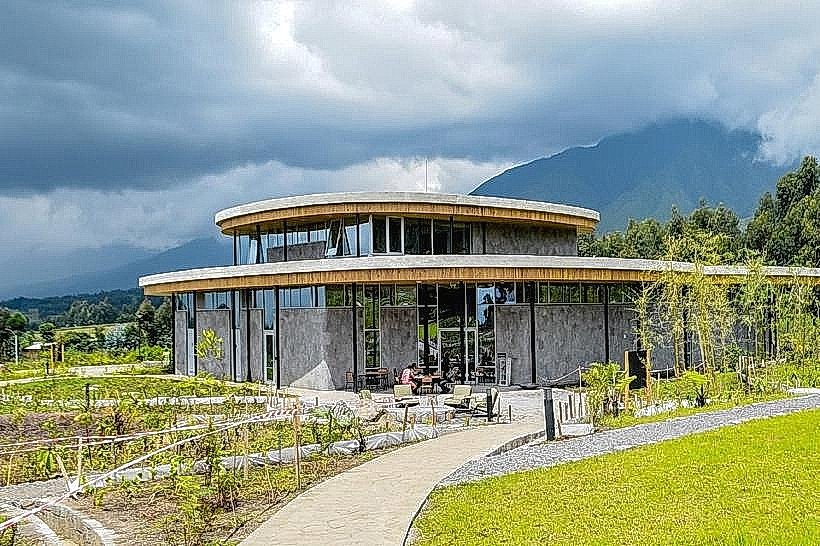
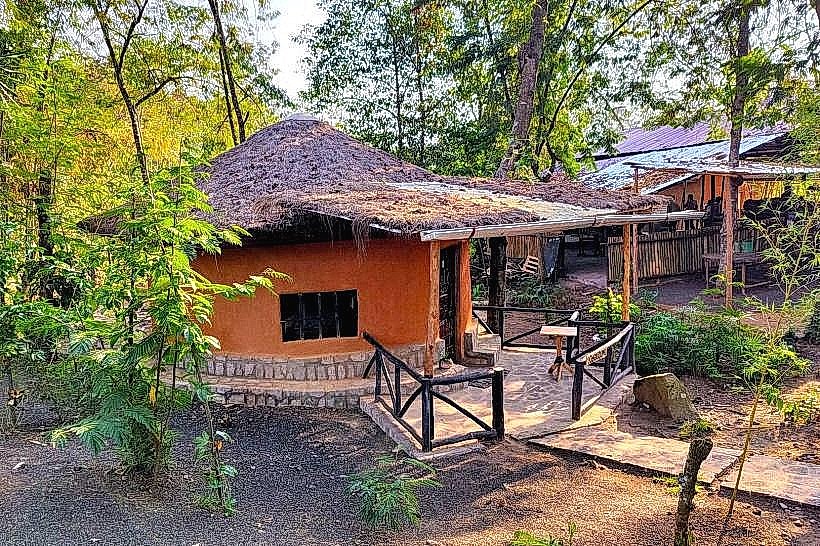
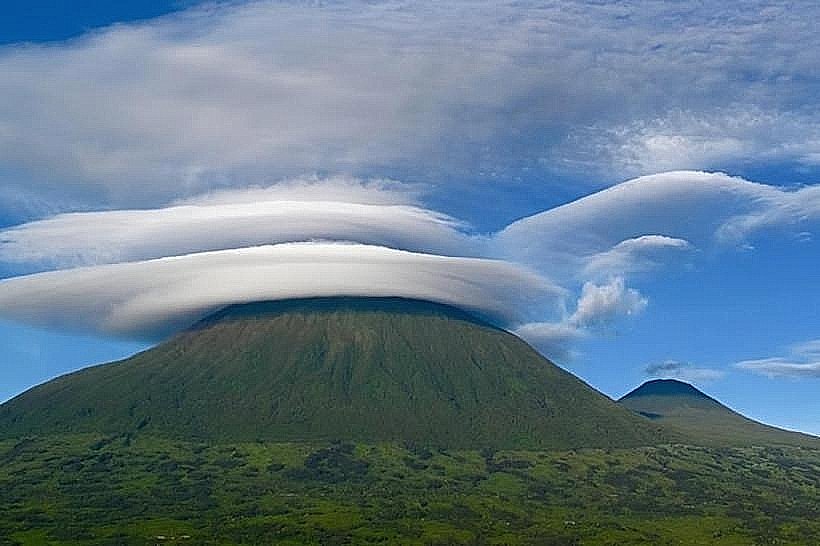
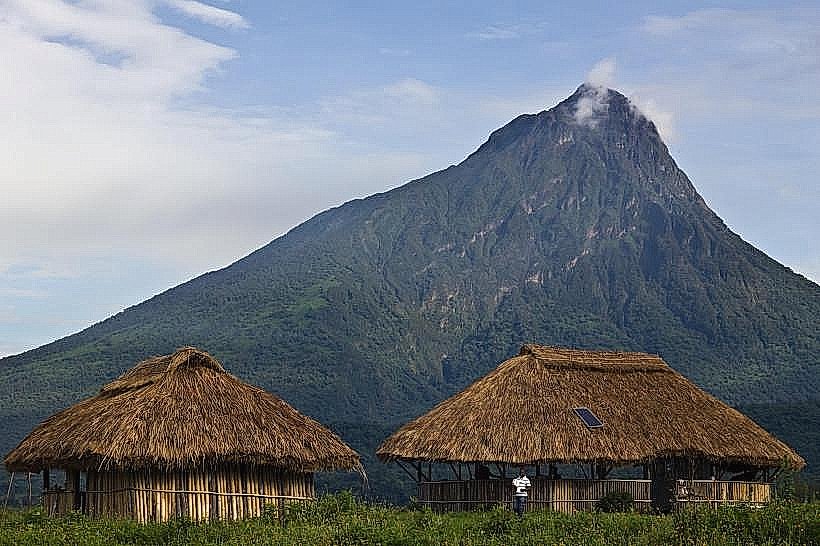
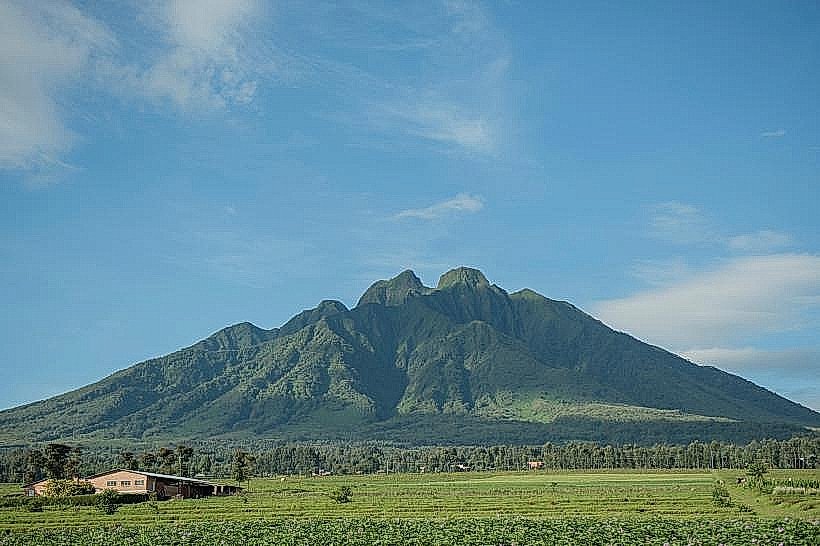
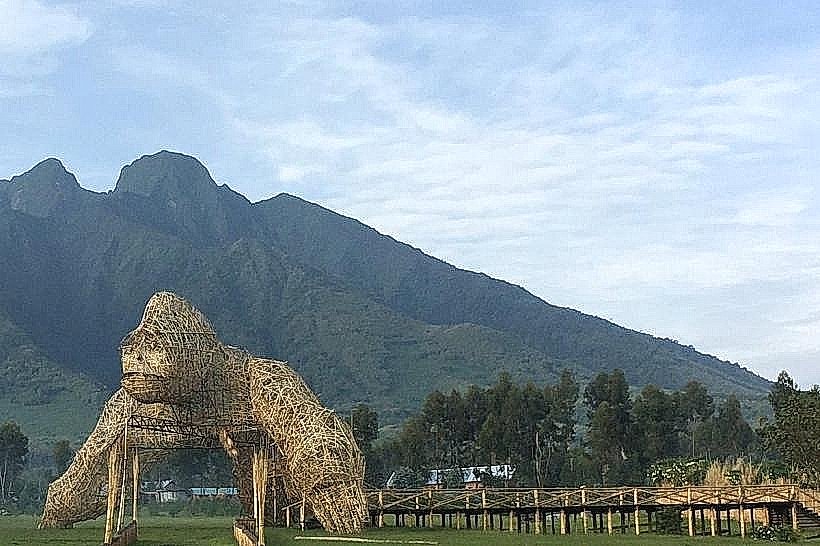
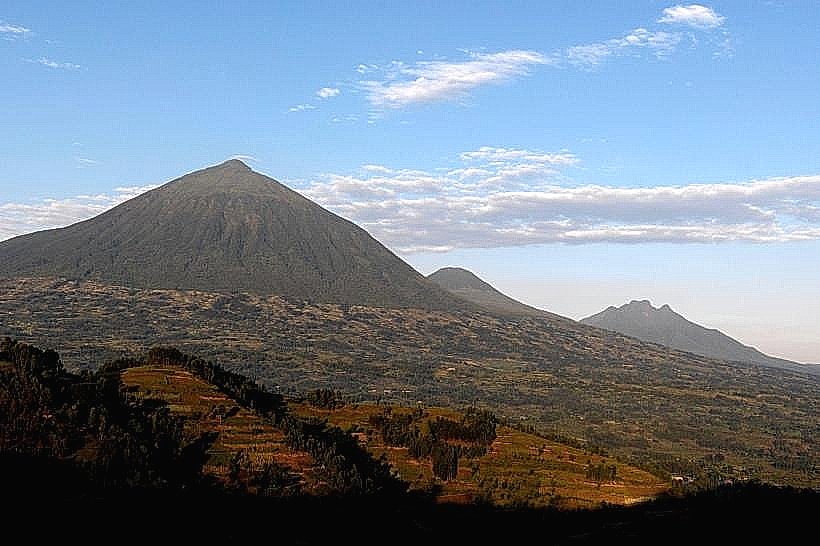
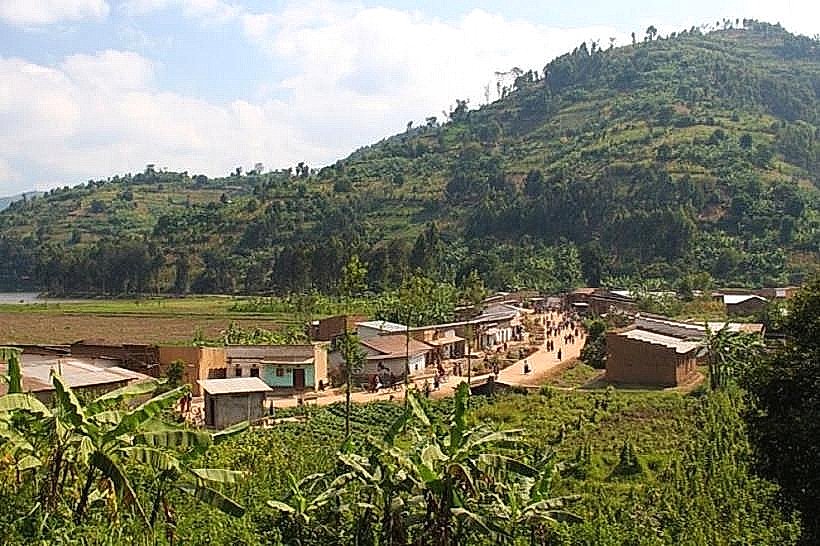
The village is characterized by a traditional agrarian landscape featuring small, rectangular masonry houses with corrugated iron roofs, surrounded by intensive terraced farming. The area is defined by its deep, dark volcanic soil and lush vegetation, including eucalyptus groves and sprawling potato and bean fields. A central visual landmark is the Nkotsi and Bikara historical site, an open-air precinct marked by ancient indigenous trees and stone-lined ritual areas. The topography is gently undulating, offering clear views of the five primary Virunga volcanoes to the north.
Location & Access Logistics
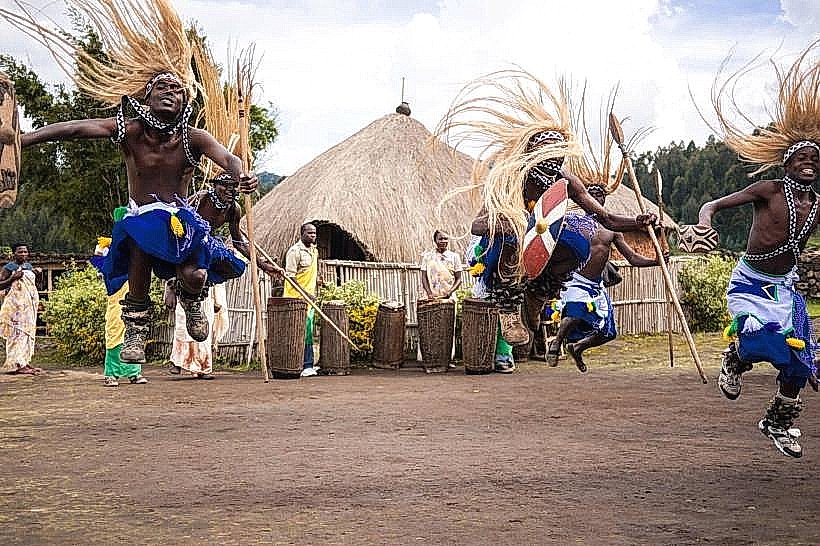
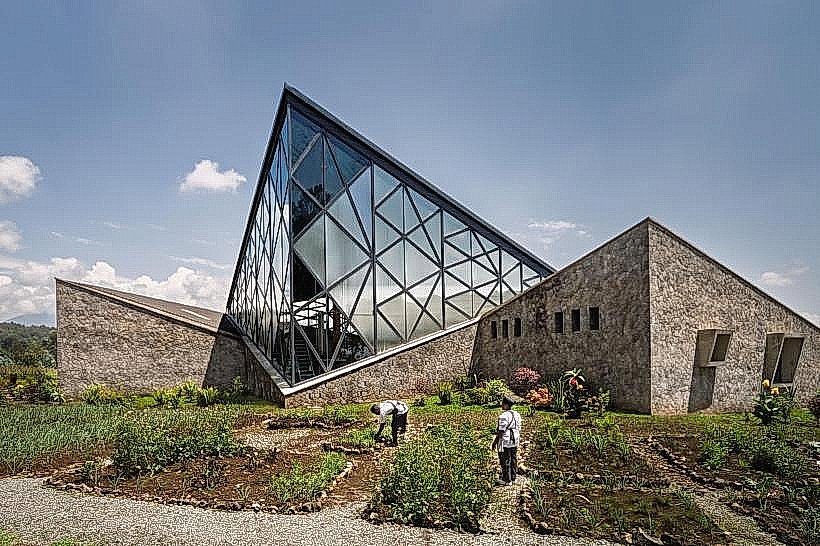
Access is via the unpaved but graded communal road branching south off the main Musanze–Rubavu (RN4) highway. From Musanze town, the drive takes approximately 20 to 25 minutes. While 4x4 vehicles are recommended during the rainy season, the village is accessible by standard vehicles in dry weather. Public transport "matatus" (minibuses) serve the nearby Nyakinama trading center; from there, motorcycle taxis (motos) provide direct transit to the village interior. The site is a primary stop for those visiting the Red Rocks Rwanda cultural center.
Historical & Ecological Origin
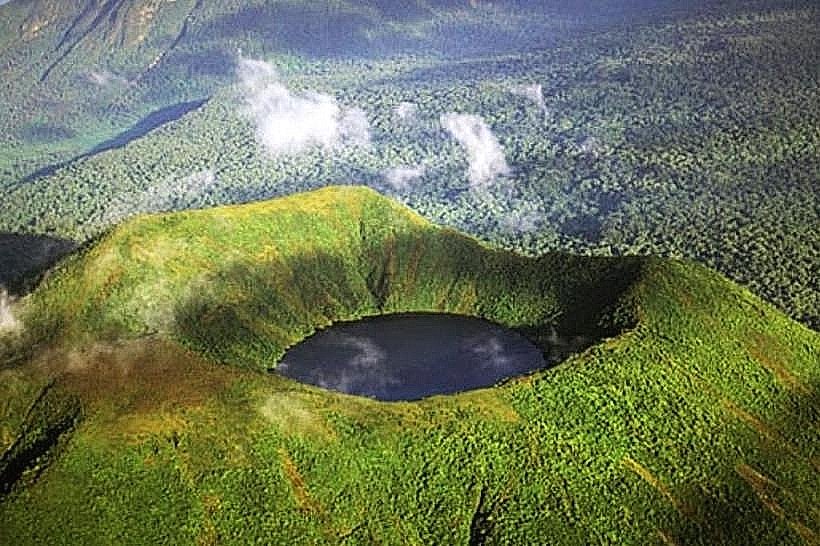
Nkotsi holds immense cultural importance as one of the "Cradle of Rwanda" sites. Historically, it served as the coronation grounds for the earliest Rwandan kings (Abami). The site was chosen for its strategic elevation and proximity to the sacred Buhanga forest. Geologically, the village sits on the volcanic fertile foothills of the Albertine Rift, characterized by high-yield andisols. The preservation of the historical site is linked to local taboos that protected the ancient trees and stones used in royal enthronement rituals for centuries.
Key Highlights & Activities
Historical Tours: The primary activity is visiting the ritual sites where ancient kings were consecrated. Local guides explain the significance of the "coronation stones" and the specific trees used in the ceremonies.
Agro-Tourism: Visitors can participate in traditional farming activities, including harvesting volcanic potatoes or learning about indigenous beekeeping techniques.
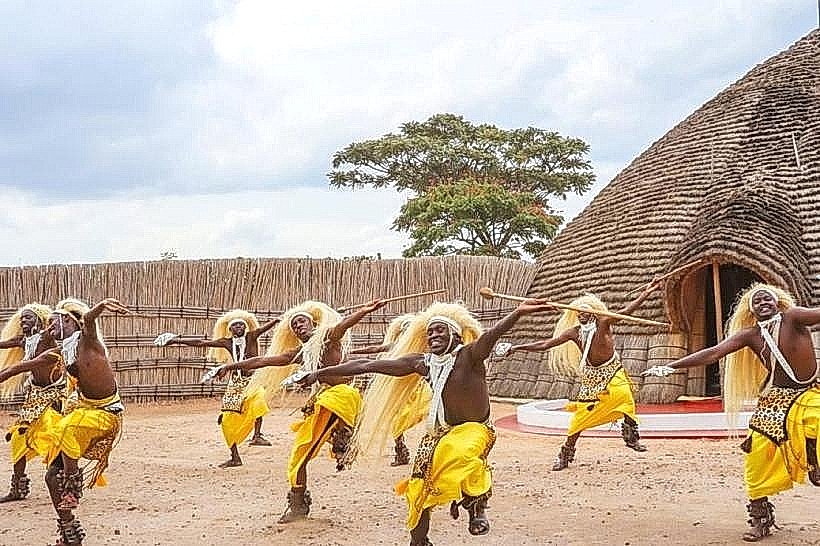
Village Walks: Guided walks through the homesteads provide insight into rural Rwandan social structures and architectural evolution from grass-thatched to modern masonry.
Handicraft Observation: The village is a hub for local basket weaving (Agaseke) and traditional pottery, with several community cooperatives operating in the area.
Infrastructure & Amenities
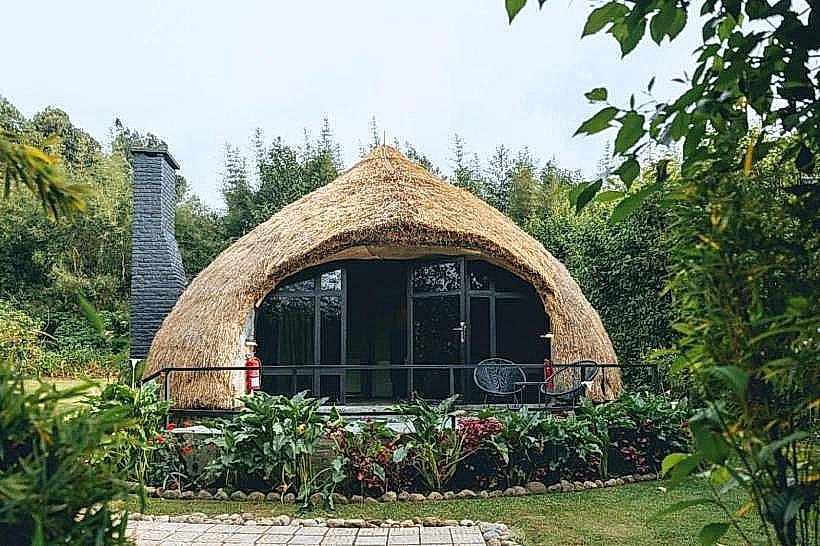
Infrastructure is localized and focused on community-based tourism. Small kiosks in the village center sell basic provisions and bottled water. 4G cellular coverage is consistent, though 5G is intermittent due to the rural topography. There are no formal public restrooms; facilities are limited to those provided by the Red Rocks Rwanda complex or local guesthouses. Shaded seating is available under the ancient "coronation trees" and within the community meeting halls.
Best Time to Visit
The village is best visited during the dry seasons (June–August and December–February) when the unpaved access roads are most stable. For photography, the early morning (07:00 to 09:00) offers soft light over the terraced hills and the best chance for cloud-free views of the volcanoes. Late afternoon (16:00 to 17:30) is optimal for observing the community returning from the fields and engaging in social activities.
Facts & Legends
A verified historical fact is that Nkotsi and Bikara are officially recognized by the Institute of National Museums of Rwanda as critical heritage sites for understanding the pre-colonial monarchy. A local legend suggests that the specific "King's Stone" in the village center cannot be moved by human strength alone and is protected by the spirits of the ancient monarchs. A unique logistical detail: the village is part of a "Green Village" initiative, utilizing biogas digesters for clean energy in several households.
Nearby Landmarks
Red Rocks Rwanda – 1.2km North
Buhanga Eco-Park – 3.0km North
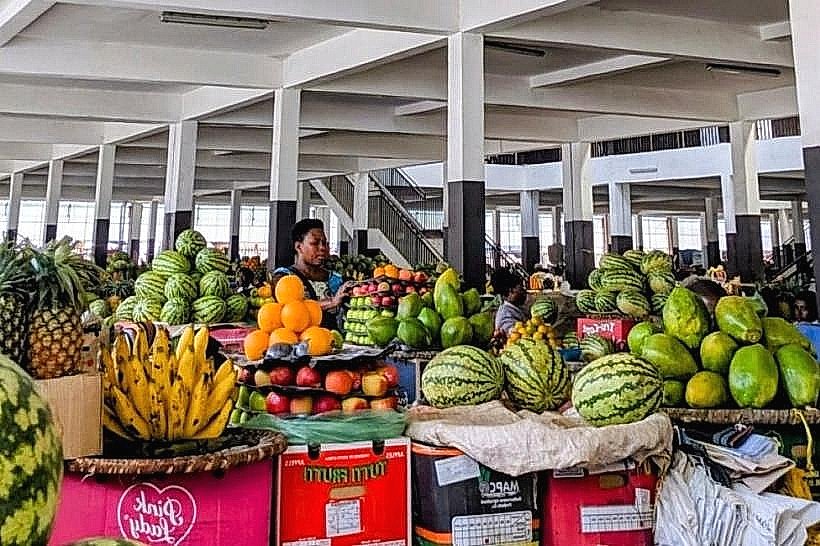
Musanze Modern Market – 8.5km Northeast
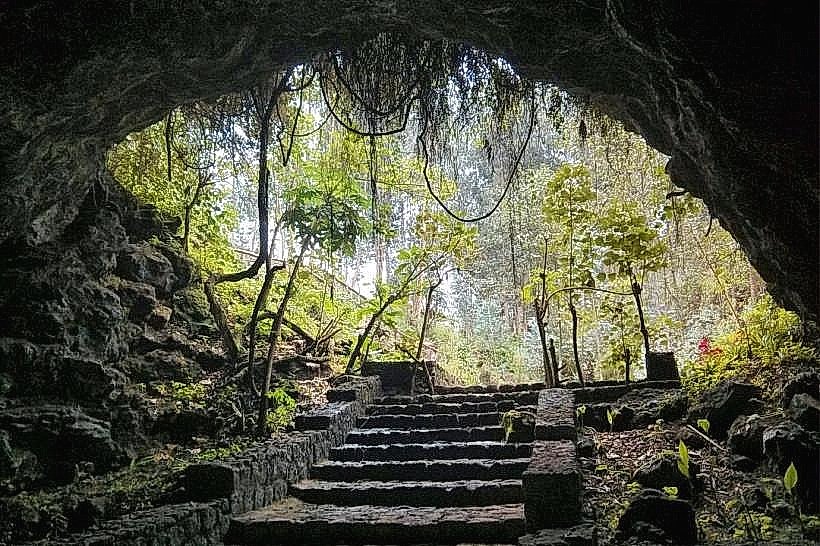
Musanze Caves – 7.5km North
Volcanoes National Park Boundary – 11.0km North