Landmark: Mount Bisoke
City: Musanze
Country: Rwanda
Continent: Africa
Mount Bisoke, Musanze, Rwanda, Africa
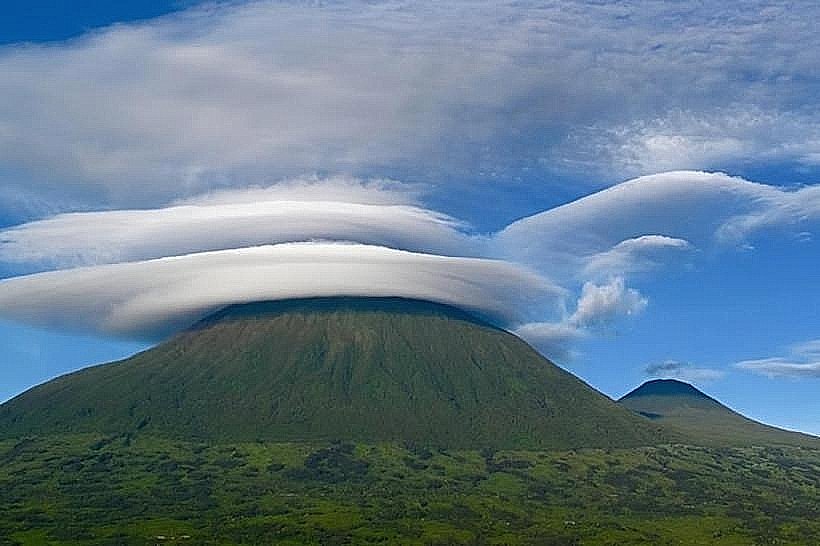
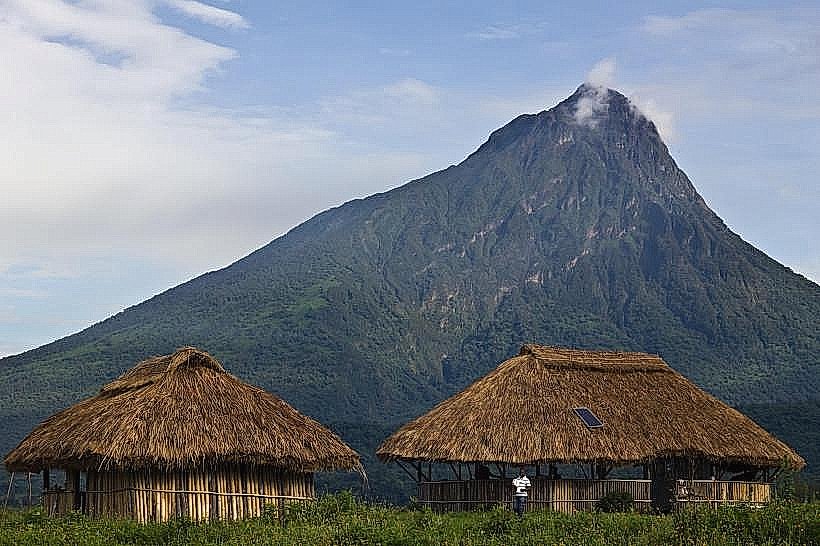
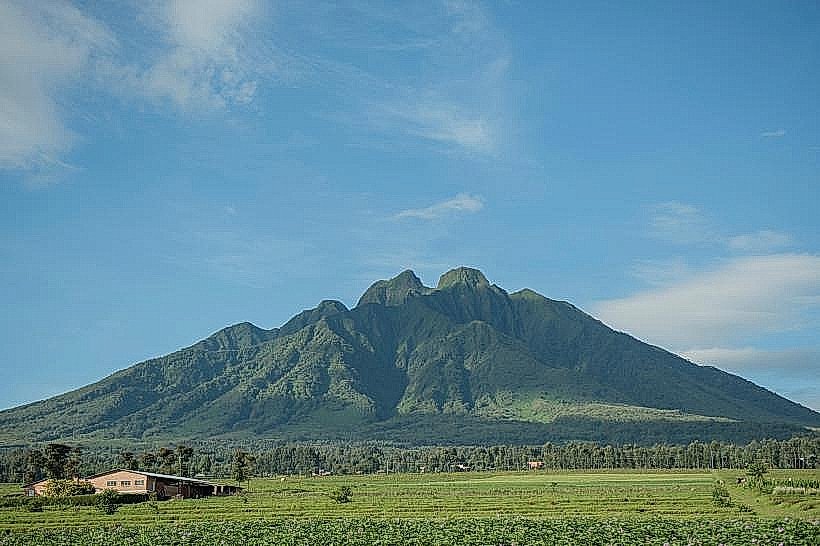
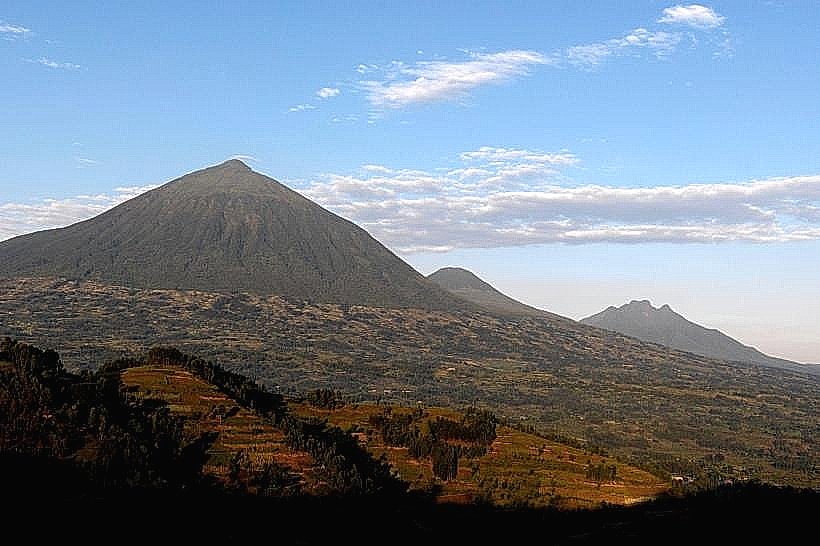
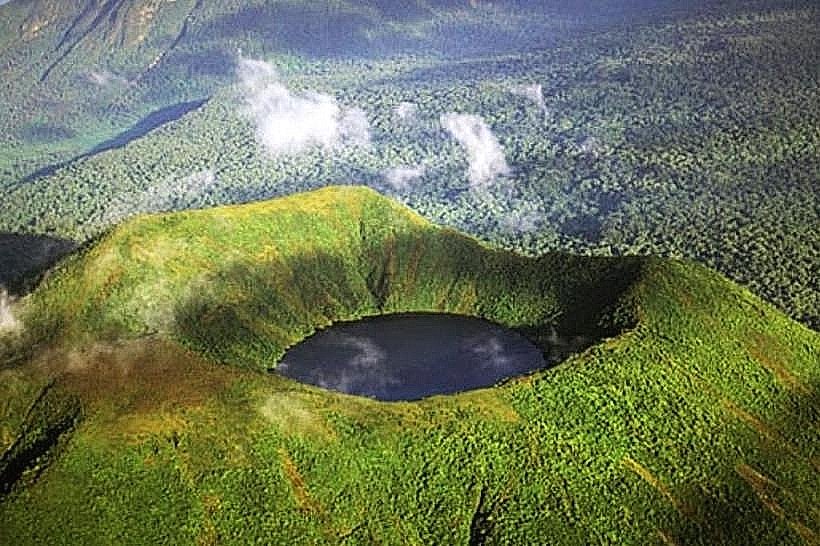
Mount Bisoke is a dormant stratovolcano within the Virunga Mountains, rising to an elevation of 3,711 meters. It is situated on the border between Rwanda and the Democratic Republic of the Congo, with the summit and its primary crater lake located entirely within Rwanda’s Volcanoes National Park.
Visual Characteristics
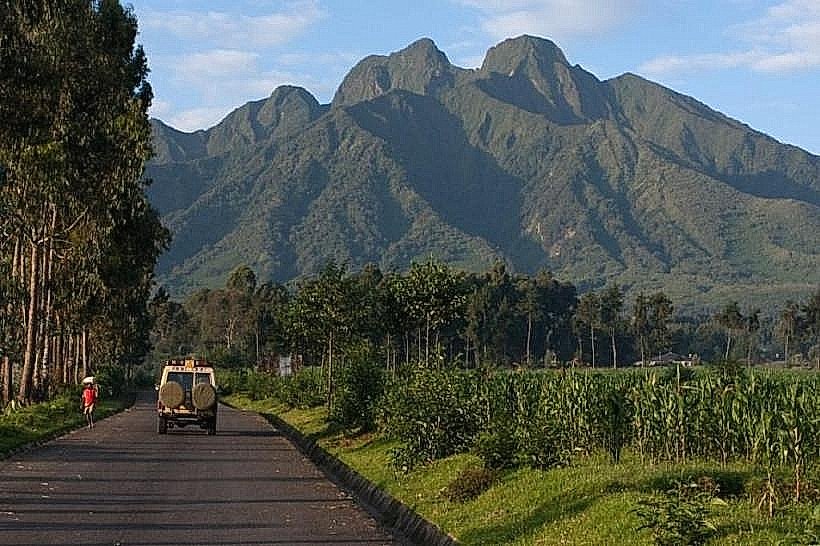
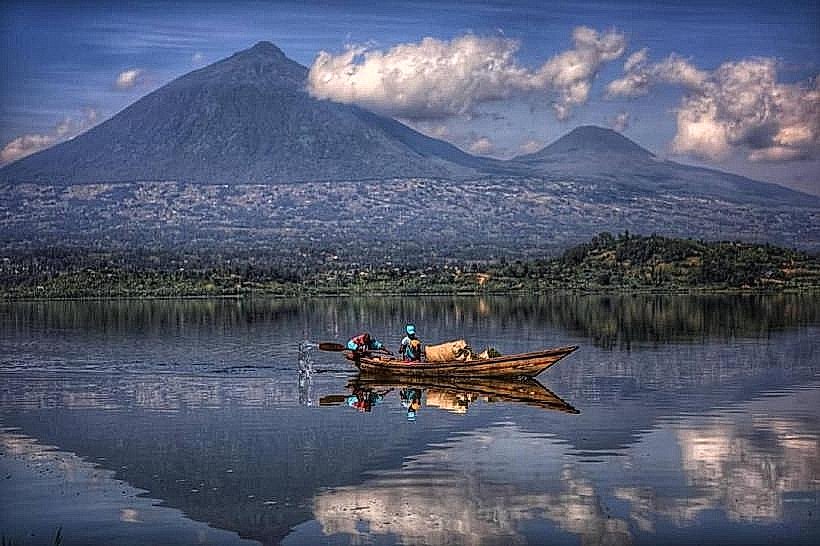
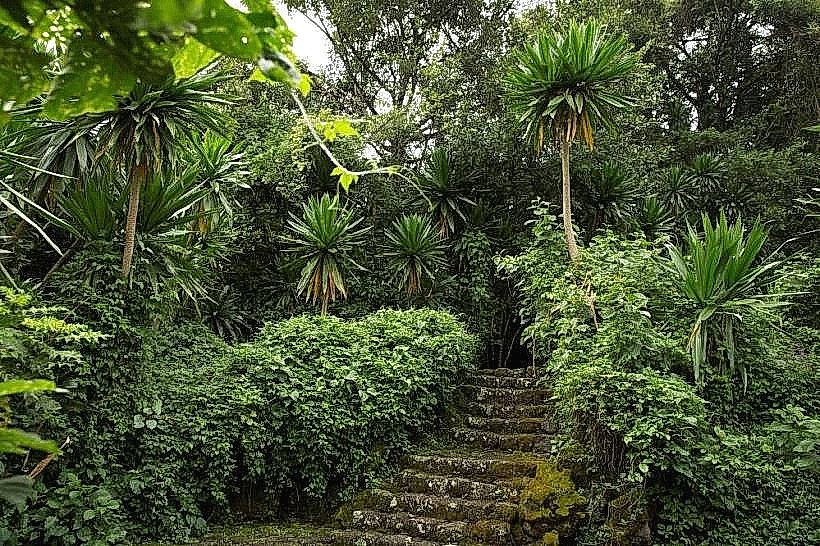
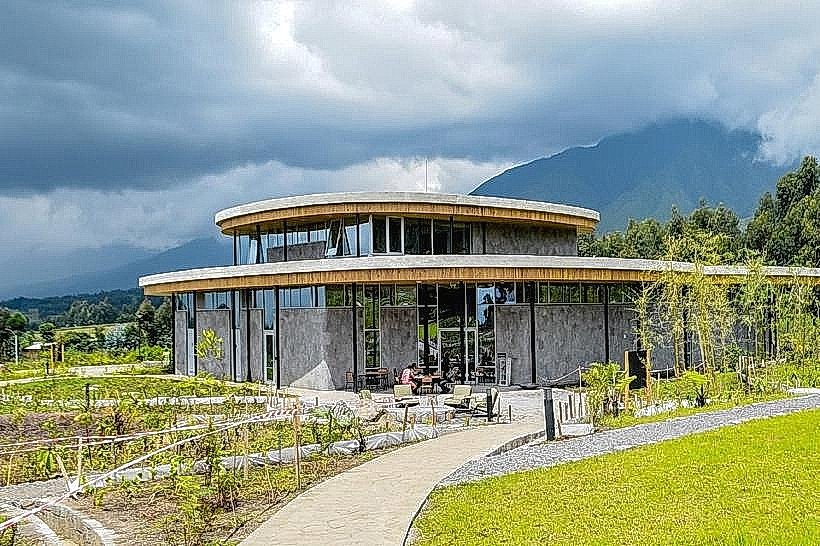
The mountain is defined by its symmetrical volcanic cone and a prominent 400-meter-wide crater lake at the summit, known for its still, greenish-grey waters. The vegetation transitions through distinct altitudinal zones: dense bamboo forests at the base (2,400m), hagenia-hypericum woodlands in the mid-section, and afro-alpine meadows featuring giant lobelias and senecios toward the peak. The terrain is characterized by steep slopes, volcanic scree, and frequent low-hanging mist that obscures the summit.
Location & Access Logistics
Bisoke is located approximately 35km northeast of Lake Kivu and 13km north of the town of Musanze. Access begins at the Kinigi Park Headquarters, where hikers must report at 07:00 for a briefing. From Kinigi, a 40-minute drive in a 4x4 vehicle is required to reach the trailhead. The hike is a round-trip endeavor typically taking 6 to 7 hours-approximately 4 hours for the ascent and 2 to 3 hours for the descent. A permit from the Rwanda Development Board (RDB) is mandatory, costing $75 for international tourists.
Historical & Ecological Origin
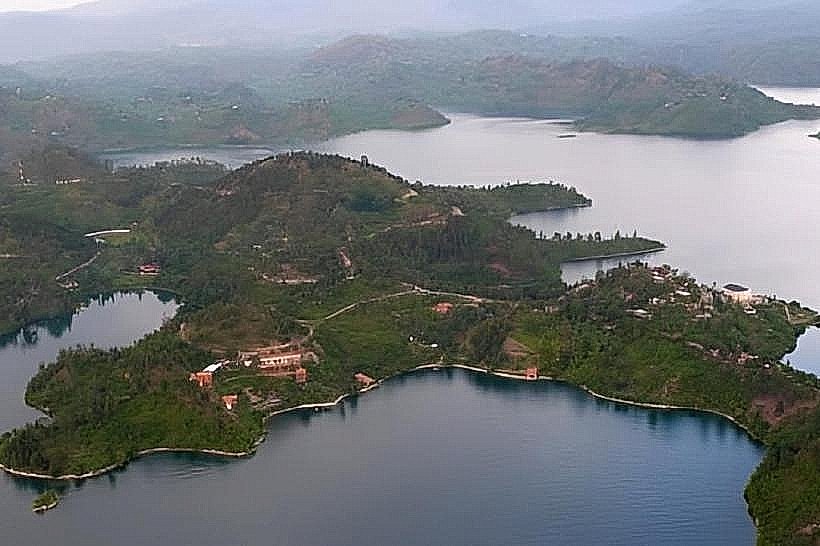
Part of the Albertine Rift, Bisoke was formed by tectonic activity on the divergent boundary of the East African Rift. Its most recent eruption occurred in August 1957, which formed two small cones on the north flank. The name "Bisoke" is derived from the Swahili/Kinyarwanda term for "soaked with water," referencing the two crater lakes on the mountain (the summit lake and Lake Ngezi). Ecologically, it serves as a critical habitat for the endangered mountain gorilla and the golden monkey.
Key Highlights & Activities
The primary activity is the summit trek to the crater lake. While not a technical climb, the high altitude and steep, often muddy trails provide a significant physical challenge. A secondary, shorter trail leads to Lake Ngezi, a smaller scenic crater lake on the mountain's flank. Although gorilla trekking is a separate activity, hikers occasionally encounter habituated gorilla groups or golden monkeys during the ascent. Bird watching is productive, with several Albertine Rift endemics present in the hagenia forest zone.
Infrastructure & Amenities
Infrastructure on the mountain is non-existent; there are no shelters, toilets, or benches beyond the trailhead. Public restrooms and briefing facilities are located at the Kinigi headquarters. Every group is accompanied by an armed park ranger and a professional guide. Professional porters are available for hire at the trailhead (approximately $10–$15) to carry gear and assist with steep sections. 4G cellular signal is available at the base but disappears in the higher forest zones.
Best Time to Visit
The dry seasons-June to September and December to February-are optimal for hiking. During these periods, the volcanic soil is firmer and visibility of the crater lake is highest. In the rainy seasons (March–May and October–November), the trail becomes extremely slippery, and the summit is frequently shrouded in heavy clouds, making the 1,200-meter vertical gain significantly more difficult.
Facts & Legends
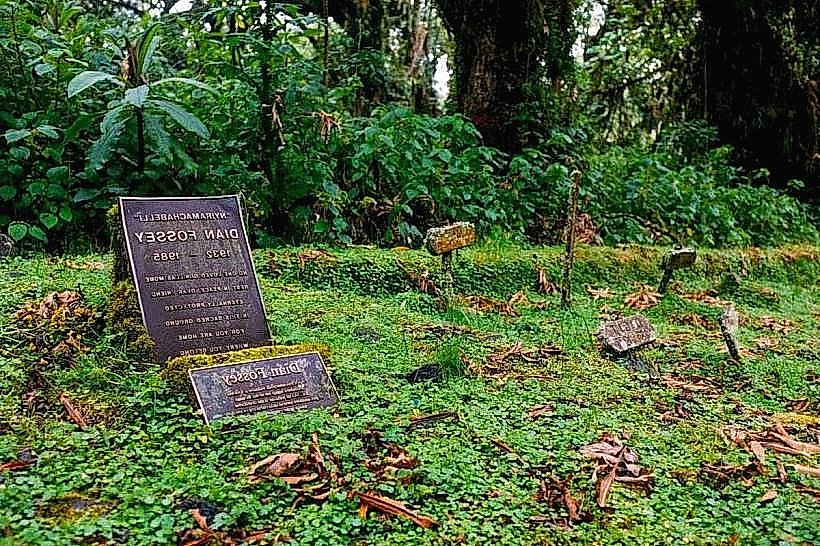
A verified geological fact is that Bisoke is technically an active volcano, despite its last eruption being over 60 years ago; seismic monitors are maintained in the area by regional observatories. A unique local regulation: swimming or boating in the summit crater lake is strictly prohibited to preserve the water's chemical balance and ecological integrity. The mountain is also historically linked to Dian Fossey, whose Karisoke Research Center ruins lie in the valley between Bisoke and Mount Karisimbi.
Nearby Landmarks
Karisoke Research Center (Ruins) – 2.1km South
Mount Karisimbi – 4.5km Southwest
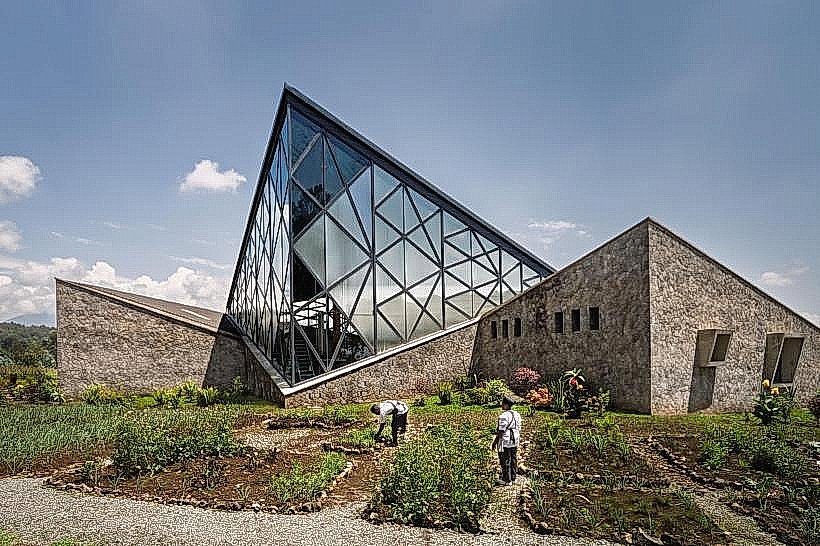
Ellen DeGeneres Campus – 4.0km Southeast
Kinigi Park Headquarters – 13.0km Southeast
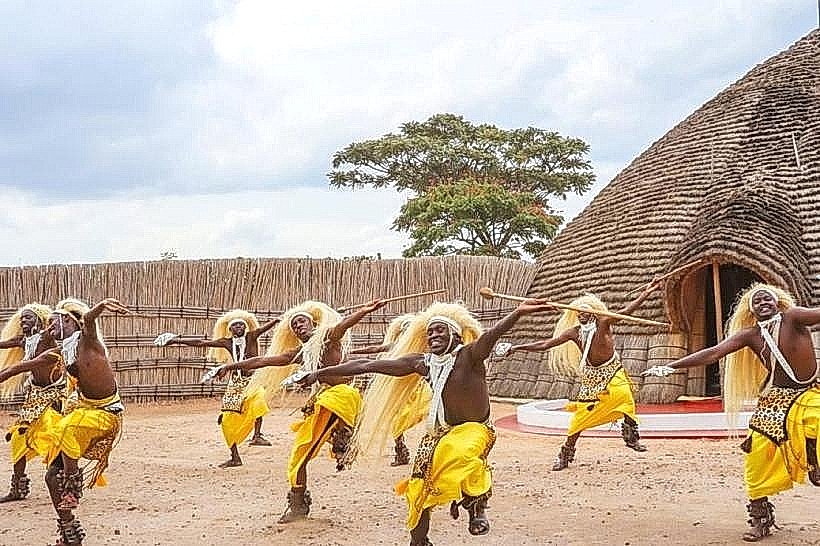
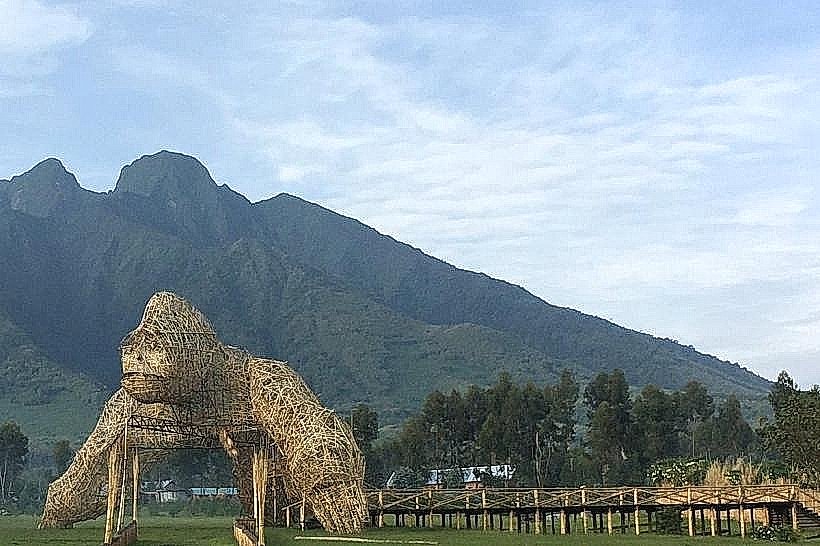
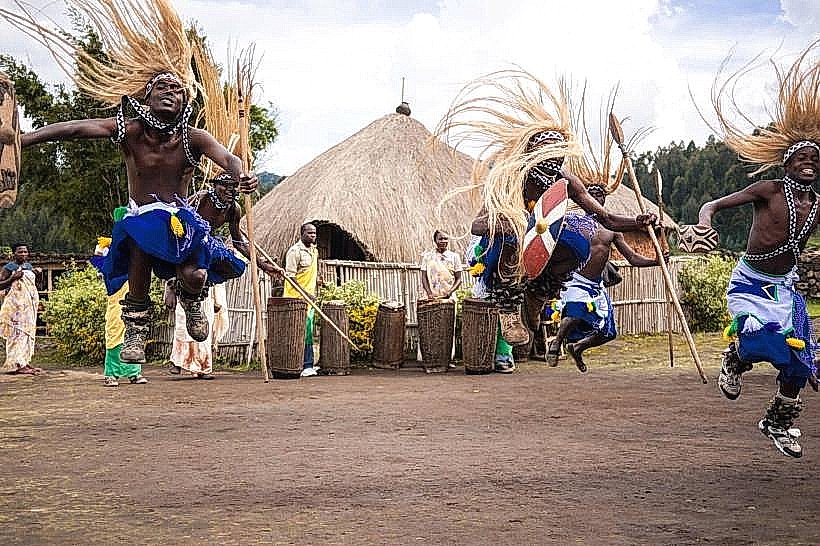
Iby’Iwacu Cultural Village – 12.0km Southeast