Landmark: Twin Lakes
City: Musanze
Country: Rwanda
Continent: Africa
Twin Lakes, Musanze, Rwanda, Africa
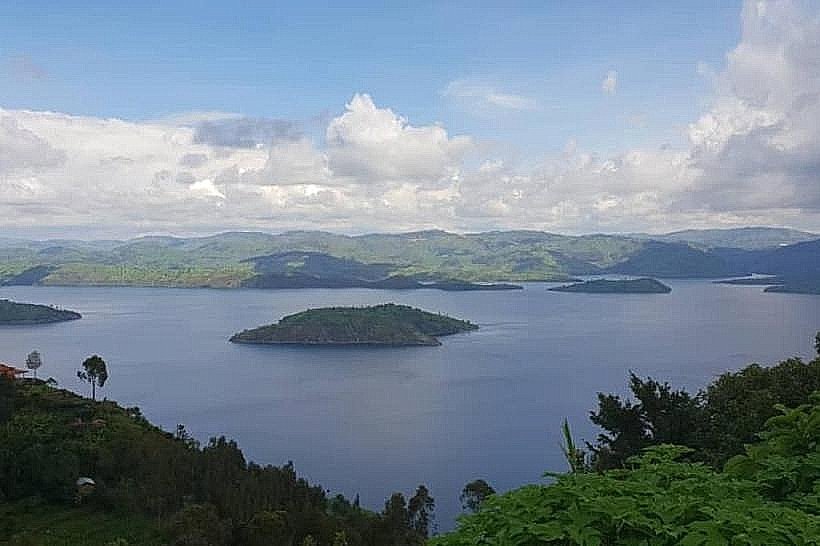
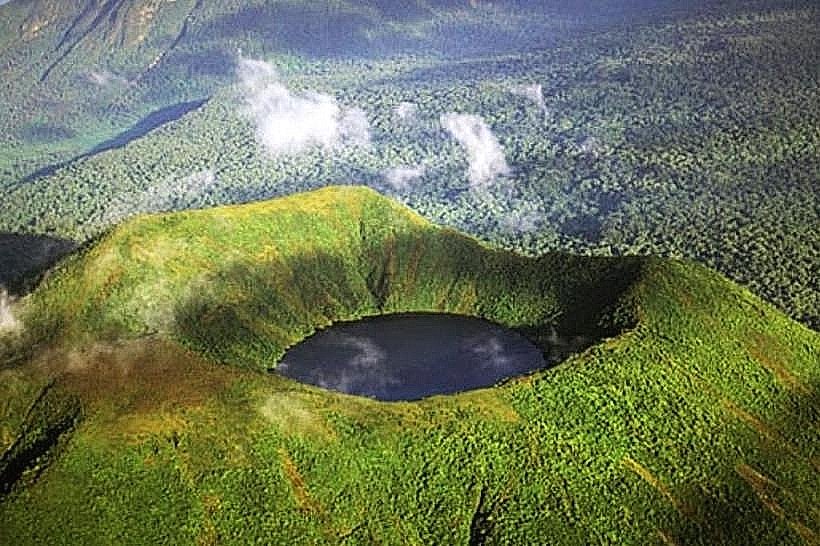
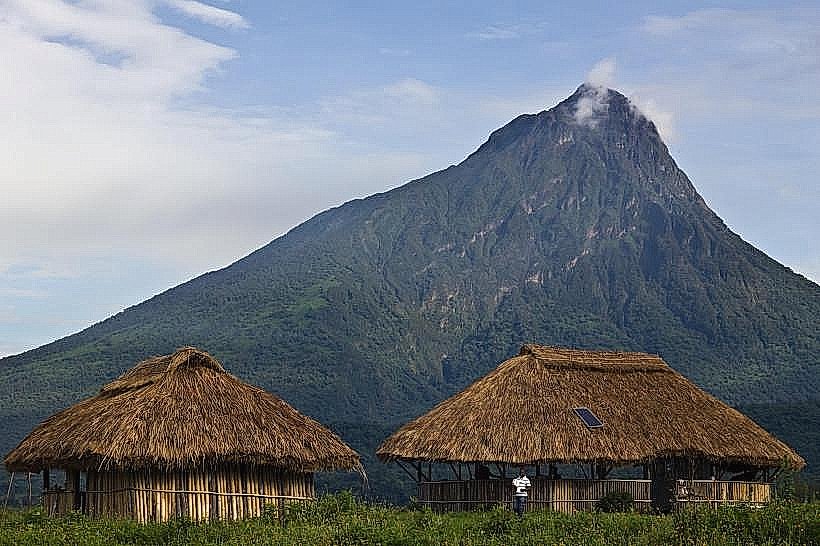
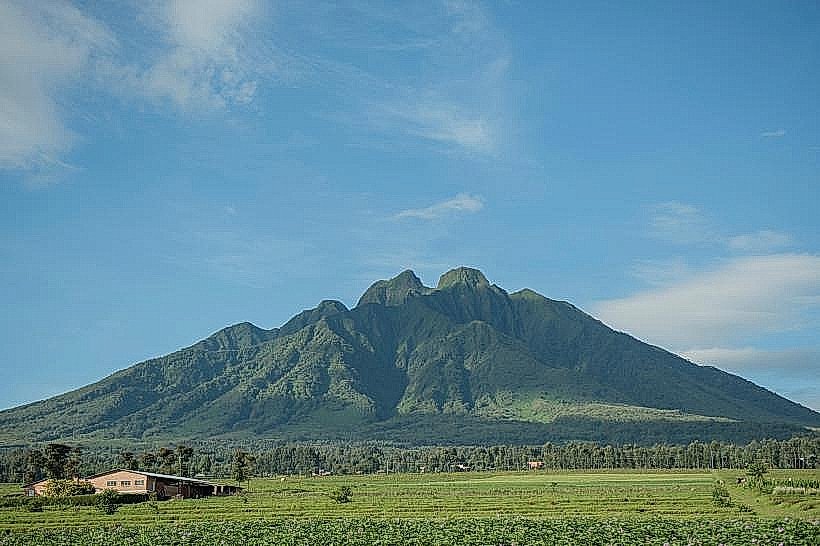
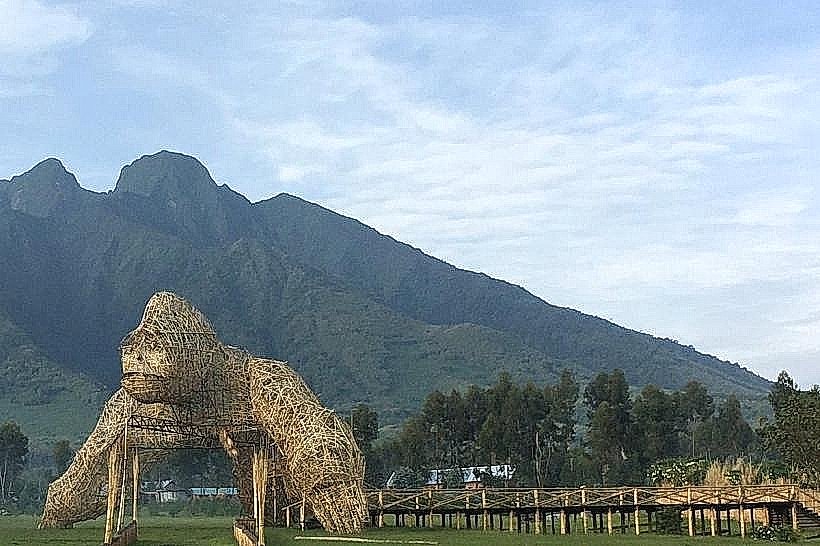
The Twin Lakes, comprised of Lake Burera and Lake Ruhondo, are high-altitude freshwater bodies located in the Burera and Musanze Districts of Rwanda's Northern Province. They are situated at the base of the Virunga Volcanoes, approximately 15km northeast of the Musanze town center.
Visual Characteristics
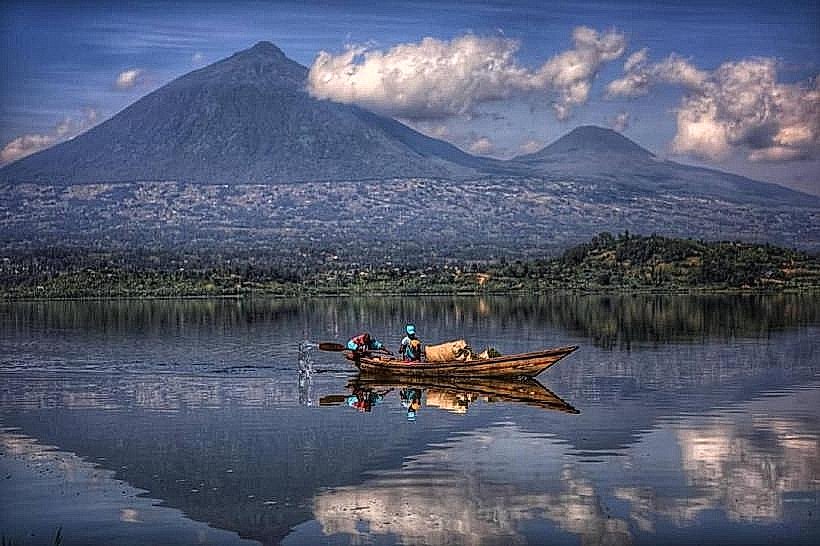
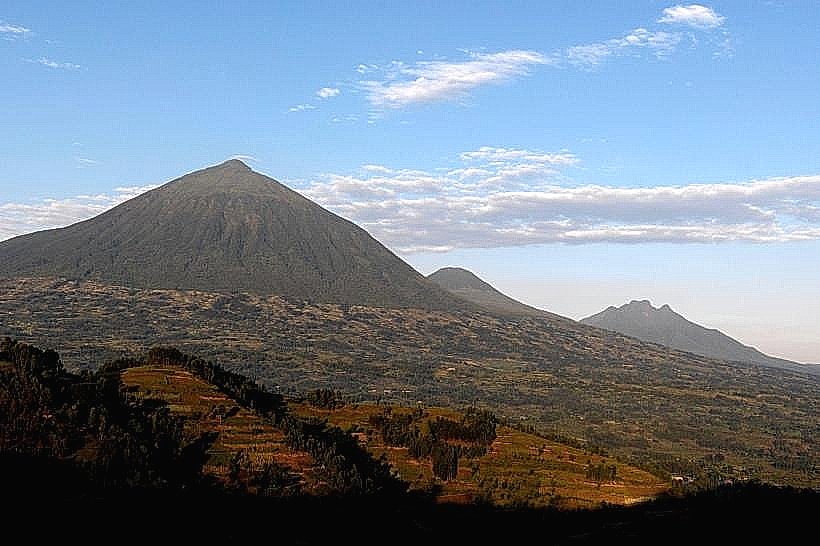
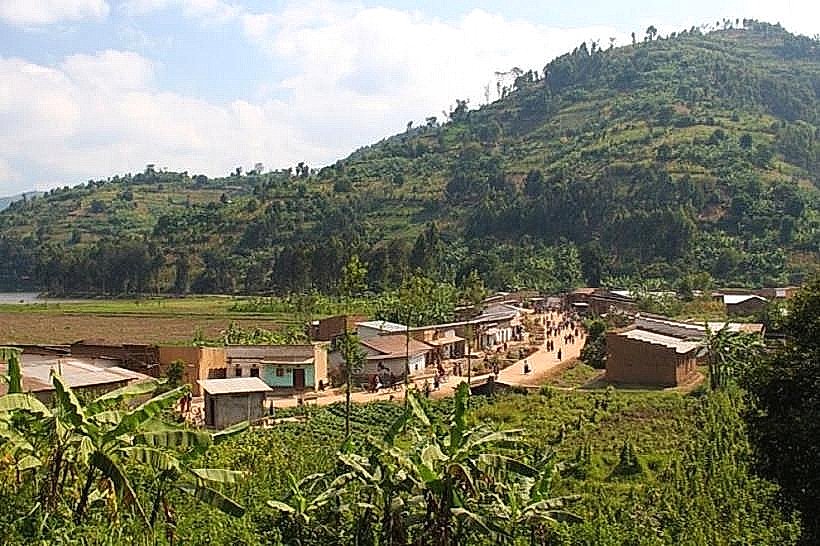
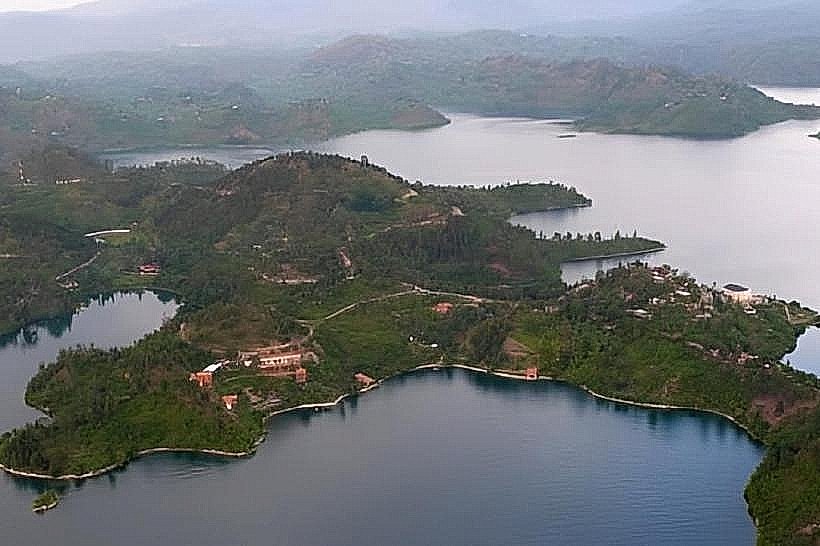
The lakes are characterized by deep, sapphire-blue waters and jagged, irregular shorelines featuring numerous steep-sided peninsulas. Lake Burera sits at an elevation of 1,862 meters, while Lake Ruhondo is positioned 100 meters lower at 1,764 meters. The two are separated by a 1-kilometer-wide strip of volcanic rock known as the "Ntaruka neck." The landscape is defined by high volcanic ridges and intensely cultivated terraced hillsides that drop sharply into the water. The lakes contain several major islands, including Cyuza and Munanira, which are covered in dense indigenous vegetation.
Location & Access Logistics
Access is via the paved RN4 highway to Musanze, followed by a 45-minute drive on winding, unpaved roads. The most common approach is via the Cyanika-gate road or the mountain track through Kidaho. Private 4x4 vehicles are required for navigating the steep, gravel-heavy lakeside terrain. Public transport "matatus" serve the Burera district office and nearby trading centers; from there, motorcycle taxis (motos) provide transit to boat landing sites. Traditional wooden canoes and small motorized boats serve as the primary transport between islands.
Historical & Ecological Origin
The Twin Lakes were formed approximately 10,000 years ago during the late Pleistocene epoch. Lava flows from the Virunga volcanoes, particularly Mount Muhabura, blocked regional river systems, creating natural dams that flooded the valleys. Geologically, these are "lava-dammed lakes." Lake Burera reaches a maximum depth of 173 meters, while Ruhondo is shallower at 68 meters. They serve a critical industrial function via the Ntaruka Hydroelectric Power Plant, which utilizes the 100-meter elevation drop between the two lakes to generate electricity.
Key Highlights & Activities
The primary activity is the "Twin Lakes Cruise," involving boat trips to explore the islands and peninsulas. Camping is established on Cyuza Island. Bird watching is a specialized action, with frequent sightings of malachite kingfishers, cormorants, and grey crowned cranes along the reed beds. Hiking the ridgeline between the lakes provides a 360-degree vantage point of the Virunga Massif. Visitors can observe traditional dugout canoe fishing and artisanal agriculture on the steep slopes.
Infrastructure & Amenities
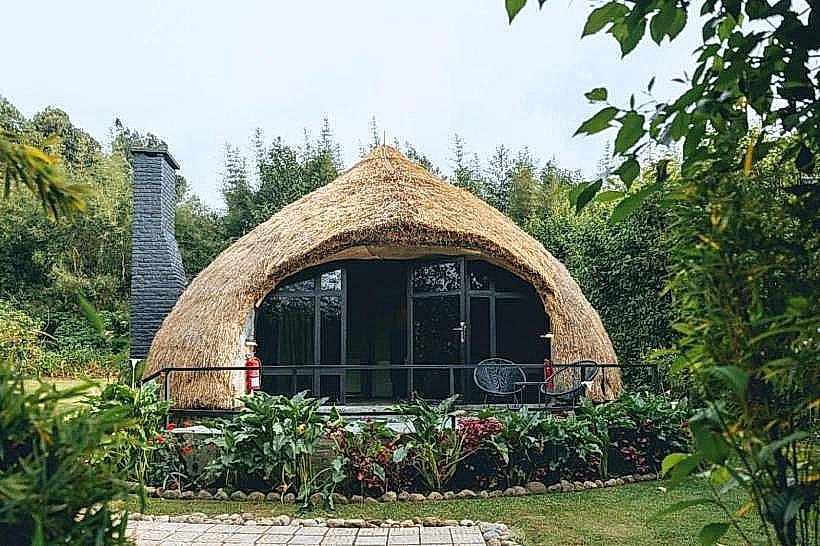
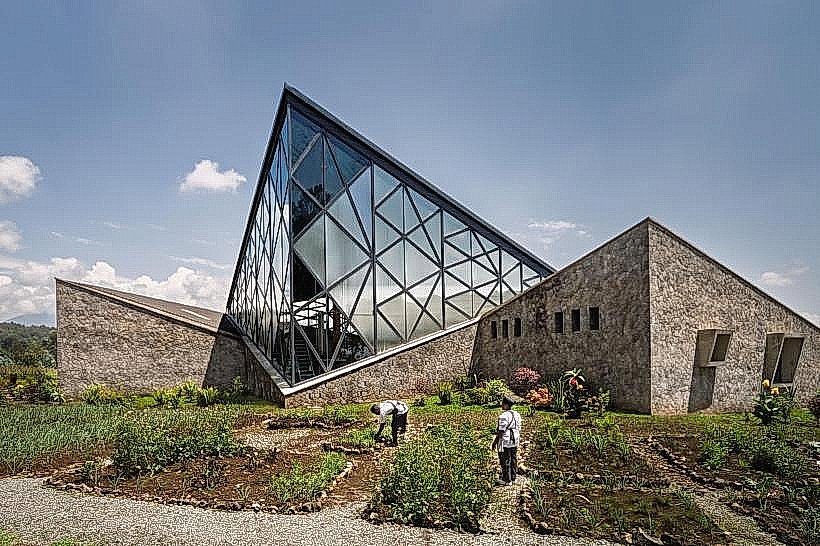
Infrastructure is concentrated in boutique eco-lodges and the Ntaruka power station area. Modern public restrooms are only available within these private establishments. 4G and 5G cellular coverage is consistent across the open water. There are no centralized public food courts; visitors must be self-sufficient or utilize lodge-based dining. Small local kiosks in the Kidaho and Ntaruka trading centers sell bottled water and basic provisions.
Best Time to Visit
The best time for photography is 06:30 to 08:30 when the water is calm and the volcanoes are most likely to be clear of cloud cover. The dry seasons (June–August and December–February) offer the most stable hiking and driving conditions. Late afternoon (16:30 to 17:45) provides optimal lighting for the western peninsulas and the volcanic silhouettes.
Facts & Legends
A verified technical fact is that Lake Burera acts as a primary reservoir for the national grid, with its water levels strictly regulated by the Rwanda Energy Group (REG). Local legend suggests the lakes were created by ancient rainmakers who struck the volcanic soil to provide water for traveling armies. A unique logistical detail: despite their proximity, the 100-meter height difference prevents fish species from migrating naturally between the two bodies of water.
Nearby Landmarks
Mount Muhabura – 8.5km North
Ntaruka Hydroelectric Power Station – 0.5km South
Volcanoes National Park – 12.0km Northwest
Musanze Town Center – 15.0km Southwest
Cyanika Border Post (Uganda) – 14.0km North