Landmark: Bandia Wildlife Reserve
City: Thies
Country: Senegal
Continent: Africa
Bandia Wildlife Reserve, Thies, Senegal, Africa
The Bandia Wildlife Reserve (Réserve de Bandia) is a privately owned nature sanctuary located in the Thies Region of western Senegal. It spans approximately 3,500 hectares of protected botanical and zoological gardens, serving as a primary site for the reintroduction of African megafauna to the coastal region.
Visual Characteristics
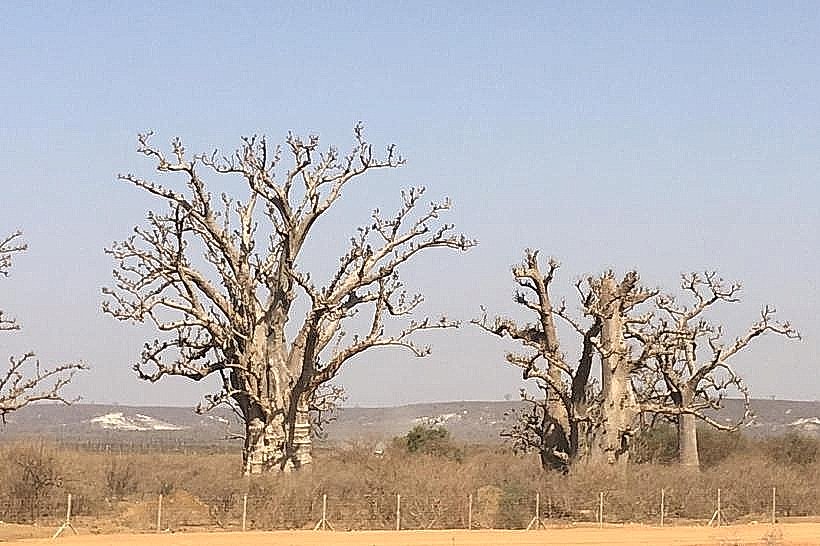
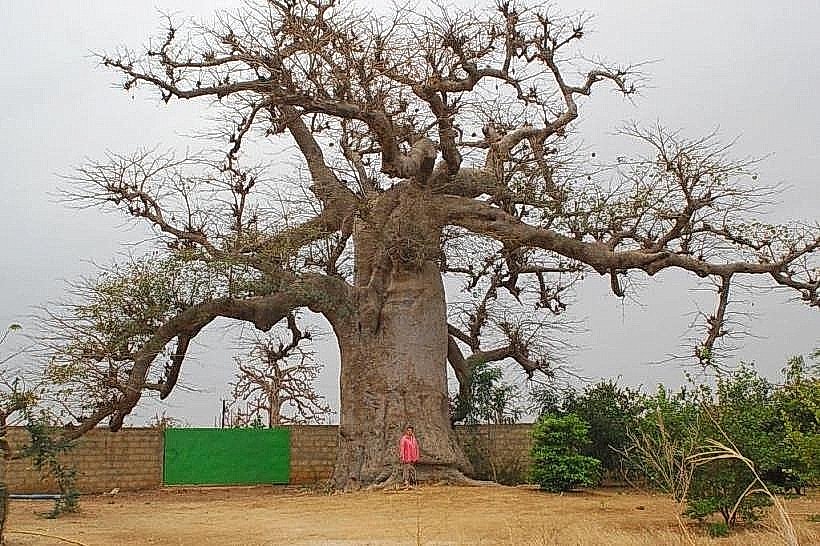
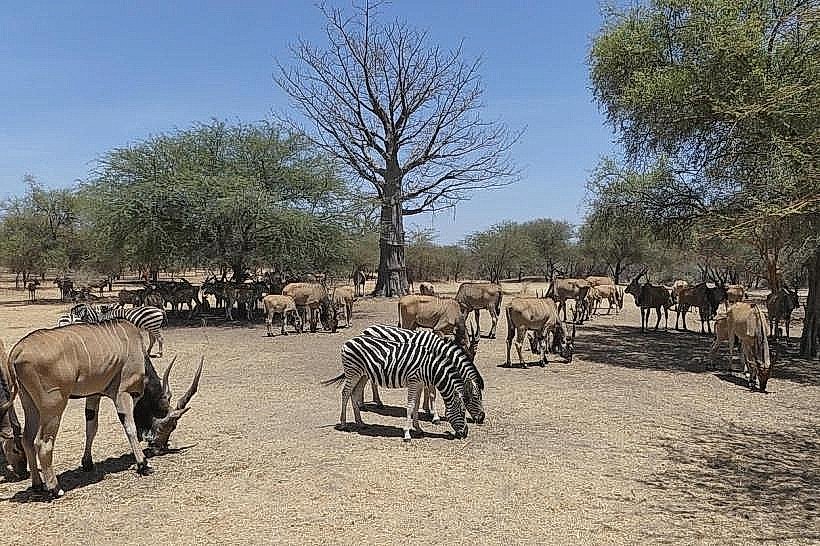
The landscape is dominated by a dense "Classified Forest" of ancient Baobab trees (Adansonia digitata) and thorny Acacia scrub. The terrain is flat to gently undulating, with reddish-orange sandy tracks bisecting the grey-green savanna. During the dry season, the vegetation is sparse and skeletal, while the rainy season transforms the reserve into a lush, tropical canopy. Large watering holes serve as central visual points where diverse species congregate.
Location & Access Logistics
The reserve is situated on the N1 highway, approximately 65km southeast of Dakar and 15km from the coastal resort area of Saly Portudal.
Access: Accessible via the A1 toll highway (Exit: Sindia/Bandia). The Blaise Diagne International Airport (DSS) is located 20km to the north.
Transit: Visitors typically arrive via private vehicle or organized tour bus. Self-drive is permitted, but the use of the reserve’s open-top 4x4 safari vehicles with a professional guide is standard for wildlife spotting.
Parking: Large, secure unpaved parking lots are located at the main entrance and restaurant complex.
Historical & Ecological Origin
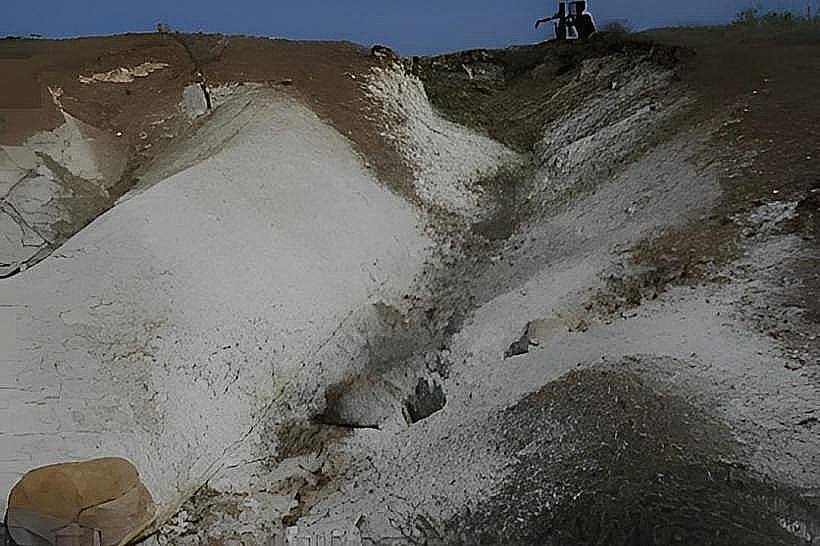
Established in 1990, the reserve was created to restore the biodiversity that had been depleted in the region due to hunting and habitat loss. It is a fenced ecological enclave that functions as a semi-wild environment. Geologically, it sits on a limestone and clay base covered by the sandy soils of the Petite Côte. The reserve plays a critical role in the conservation of the Western Giant Eland and other species relocated from South Africa and Northern Senegal.
Key Highlights & Activities
Specific actions within the reserve include:
Guided Safari: A 2-to-3-hour drive to observe giraffes, white rhinoceros, zebras, impalas, oryx, and Cape buffalo.
Crocodile Pool: A specialized area near the restaurant where Nile crocodiles and various water birds can be observed at close range.
Hyena Enclosure: A separate, secure viewing area for spotted hyenas.
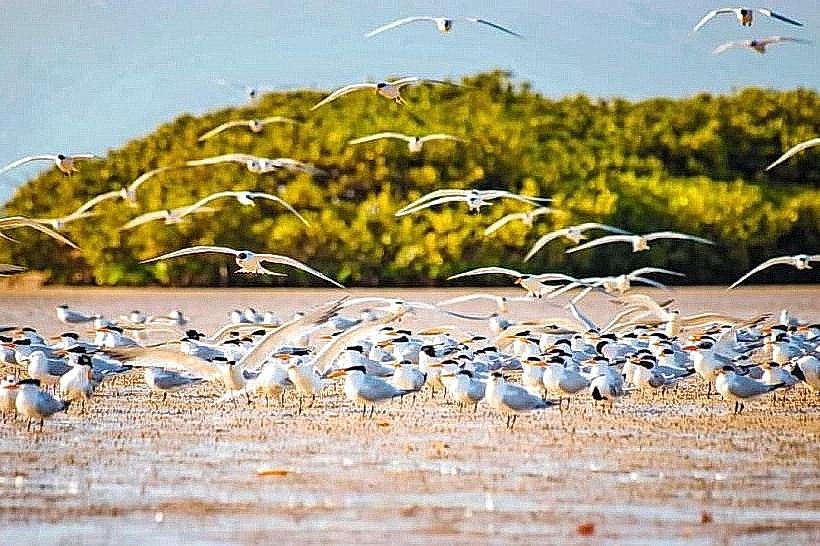
Birdwatching: The reserve hosts over 120 species, including the Abyssinian roller and various hornbills.
Infrastructure & Amenities
The reserve features a high-standard tourist infrastructure:
Restaurant: An open-air "Le Buffle" restaurant overlooking a watering hole.
Connectivity: 4G cellular signals are robust near the entrance but may fluctuate in the deeper forest zones.
Shade: The restaurant and reception areas are well-shaded; however, the safari vehicles provide the only shade during the tour.
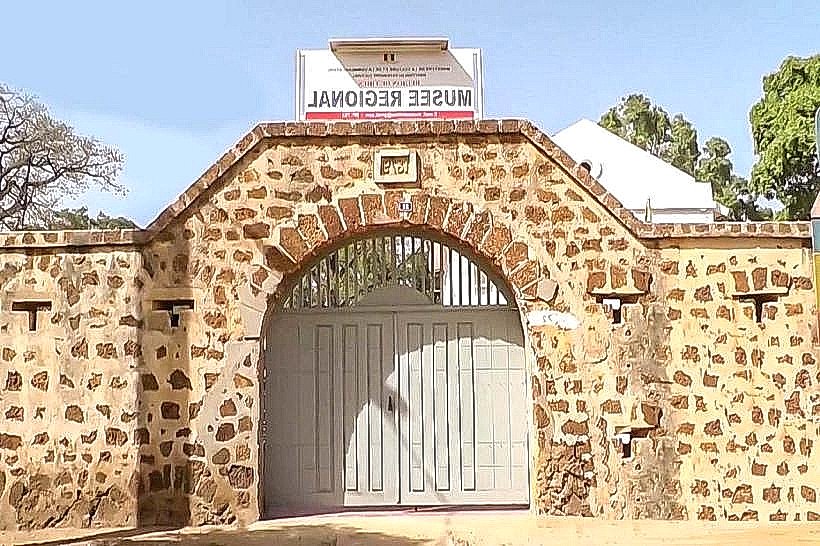
Facilities: Modern restrooms, a boutique selling local crafts, and a small museum are located at the main hub.
Best Time to Visit
The optimal period for wildlife viewing is the dry season (December to May). During this time, animals are forced to congregate around the permanent watering holes, making them easier to locate. Morning safaris (08:00–10:00) are recommended for higher animal activity and cooler temperatures. Afternoon visits (16:00–18:00) offer the best light for photography of the Baobabs and rhinoceros.
Facts & Legends
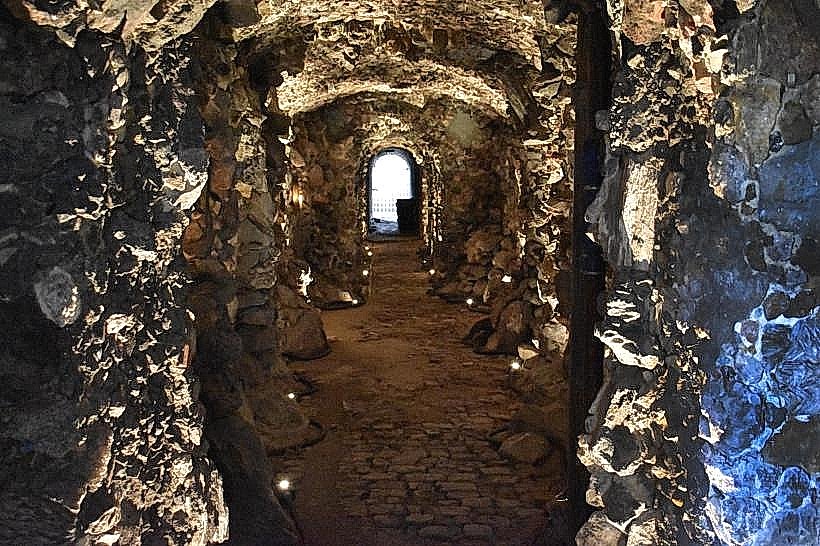
A historical highlight within the reserve is the Serer Tomb of the Griots. Located inside a hollowed-out ancient Baobab tree, this site was traditionally used as a burial chamber for the "Griots" (praise singers and oral historians), as Serer custom once forbade burying them in the ground. A specific tip: look for the "Somali Ostrich" variants, which are distinct from the local North African species and were part of the reserve's international reintroduction program.
Nearby Landmarks
Accrobaobab Adventure Park – 0.5km (Directly opposite entrance)
Sindia Village – 5.0km South
Saly Portudal Resort Area – 15.0km Southwest
Popenguine Nature Reserve – 18.0km West
Somone Lagoon – 12.0km Southwest