Landmark: Toubab Dialaw
City: Thies
Country: Senegal
Continent: Africa
Toubab Dialaw, Thies, Senegal, Africa
Toubab Dialaw is a coastal village and artistic community located on the Petite Côte of Senegal, approximately 60km south of Dakar. It is positioned between the larger towns of Bargny and Popenguine.
Visual Characteristics
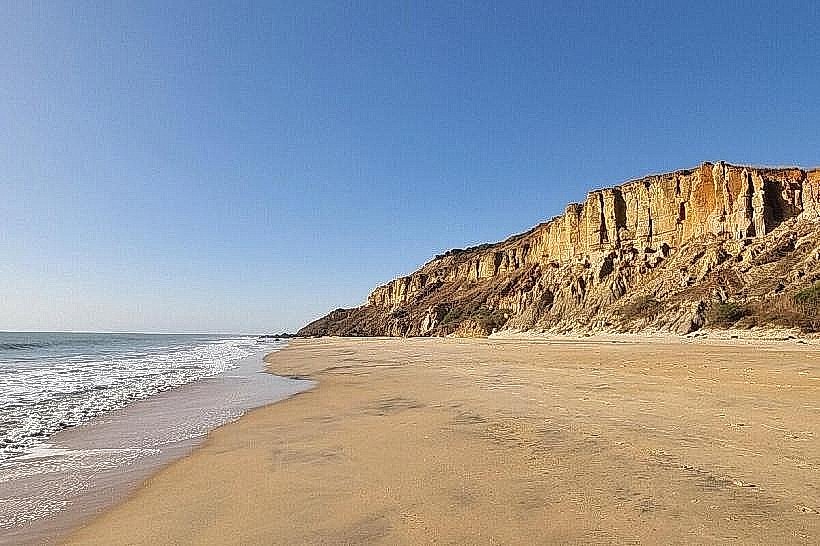
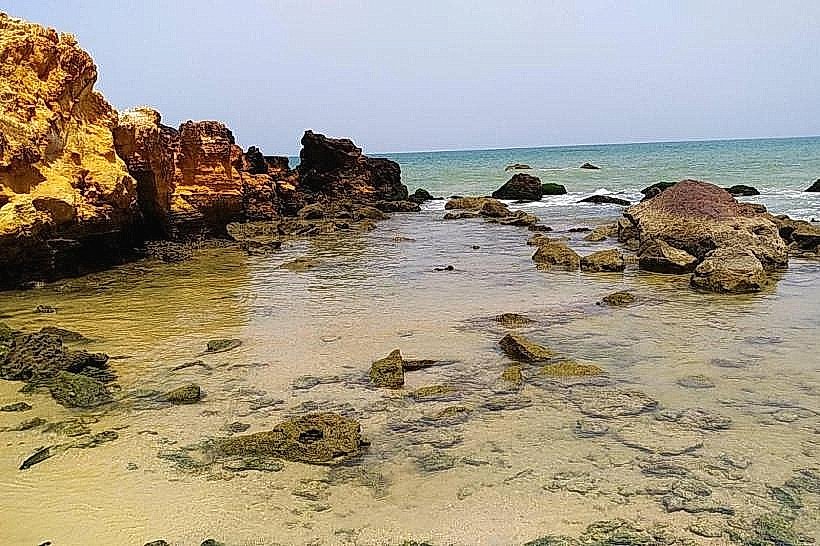
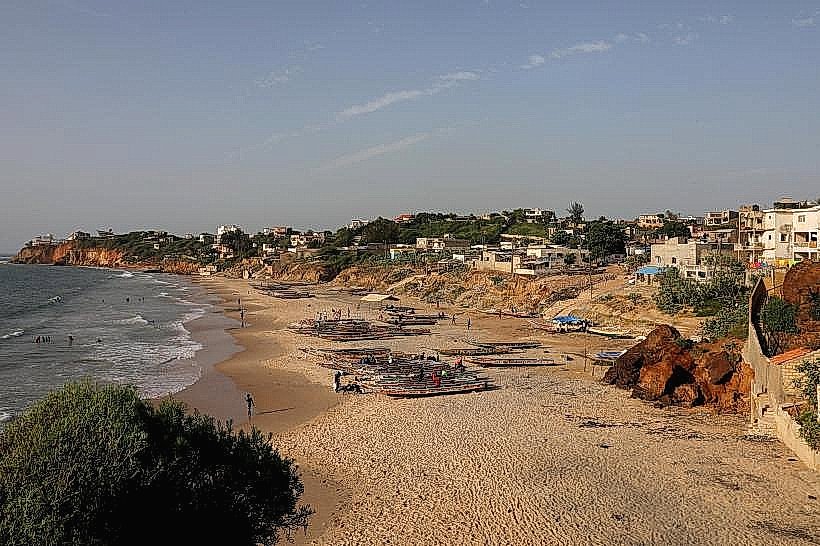
The village is defined by its rugged, ochre-colored volcanic cliffs that drop directly into the Atlantic Ocean. Unlike the flat, sandy stretches of nearby Saly, Toubab Dialaw features a more topographical landscape with houses built into the hillsides.
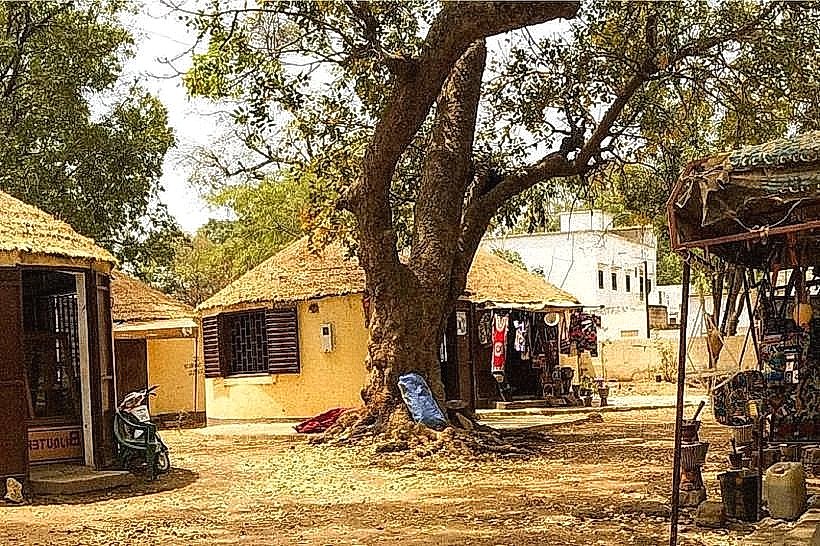
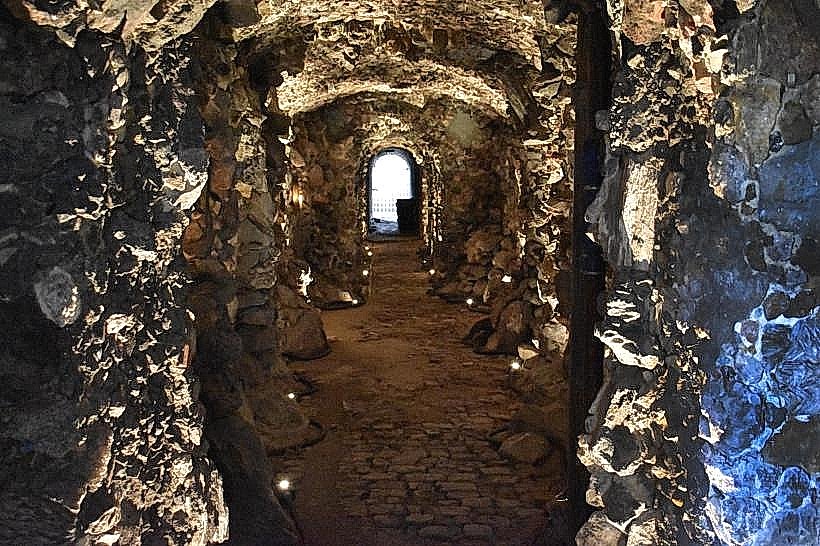
Architecture: Characterized by "Ecological Architecture," many buildings utilize local materials like carved stone, laterite, and seashells. The structures are often organic in shape, with spiral staircases and mosaic tiling.
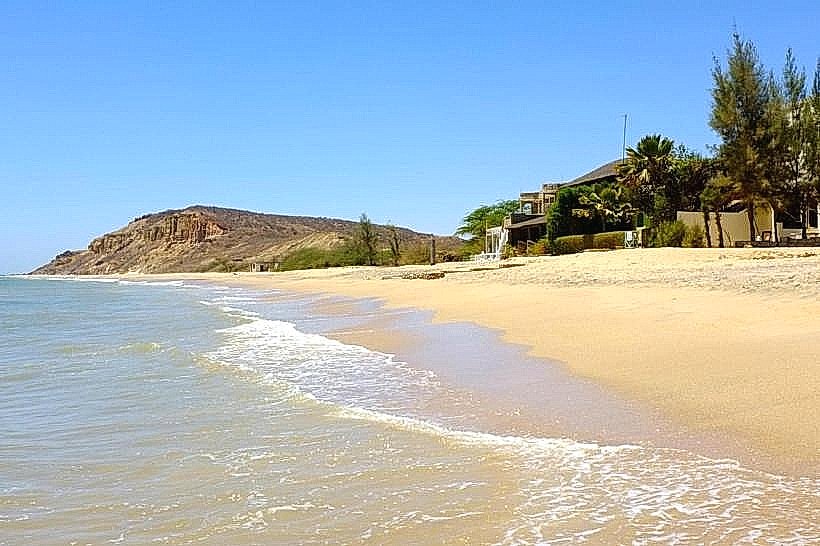
Beaches: Narrow strips of fine sand are interspersed with rocky outcrops and tide pools.
Atmosphere: A bohemian, tranquil environment that contrasts with the high-density urban sprawl of the Dakar peninsula.
Location & Access Logistics
Toubab Dialaw is situated in the Thies Region, near the southern edge of the Dakar Region.
Access: Reached via the A1 toll highway (Exit: Diamniadio or Sindia). The drive from the Blaise Diagne International Airport (DSS) is approximately 20–30 minutes (15km).
Transit: Accessible by private car or "sept-places" from the Diamniadio hub. Within the village, the steep, sandy terrain makes walking or the use of local "clando" taxis necessary.
Parking: Limited and informal; most parking is located at the top of the cliffs or within the courtyards of local guesthouses.
Historical & Ecological Origin
Originally a small Lébou fishing village, the area transformed into an international artistic hub in the late 20th century. The name "Toubab Dialaw" historically refers to the "White Man of Dialaw," though today it is synonymous with cultural exchange. Geologically, it sits on the Cape Verde peninsula's volcanic fringe, which provides the distinctive red-rock formations. The surrounding area remains part of a fragile coastal ecosystem sensitive to erosion.
Key Highlights & Activities
Sobobade: A cultural center and lodge founded by Gérard Chenet, featuring open-air theater, music workshops, and unique stone architecture.
Ecole des Sables: Located just outside the village, this is a world-renowned international center for traditional and contemporary African dance, founded by Germaine Acogny.
Fishing Culture: Observation of the traditional "pirogues" returning to the beach in the late afternoon with the daily catch.
Hiking: Coastal trails along the cliff tops lead toward Popenguine, offering panoramic ocean views.
Infrastructure & Amenities
Connectivity: 4G and 5G cellular signals are generally strong, though some "dead zones" exist at the base of the cliffs.
Water & Power: Connected to the national grid, but ecological lodges often utilize solar power and rainwater harvesting.
Dining: Numerous small terrace restaurants overlooking the ocean serve local seafood (thiof) and French-Senegalese fusion.
Health: Basic health huts are available; the nearest major hospitals are in Mbour or Diamniadio.
Best Time to Visit
The optimal period is the dry season (November to June). The village is particularly vibrant during dance festivals or workshops at the Ecole des Sables. Late afternoon (17:00–19:00) is the best time for photography as the setting sun illuminates the red cliffs and the Atlantic horizon.
Facts & Legends
A local fact is that Toubab Dialaw has become a preferred retreat for West African intellectuals and international artists due to its "creative silence." A local tip for visitors: the tides change significantly here; ensure you check the tide charts before walking along the base of the cliffs, as certain beach paths become inaccessible at high tide.
Nearby Landmarks
Blaise Diagne International Airport (DSS) – 15km Northeast
Popenguine Nature Reserve – 10km South
Diamniadio Industrial Zone – 18km North
Ecole des Sables – 2km North
Somone Lagoon – 20km South