Landmark: Regional Museum of Thiès
City: Thies
Country: Senegal
Continent: Africa
Regional Museum of Thiès, Thies, Senegal, Africa
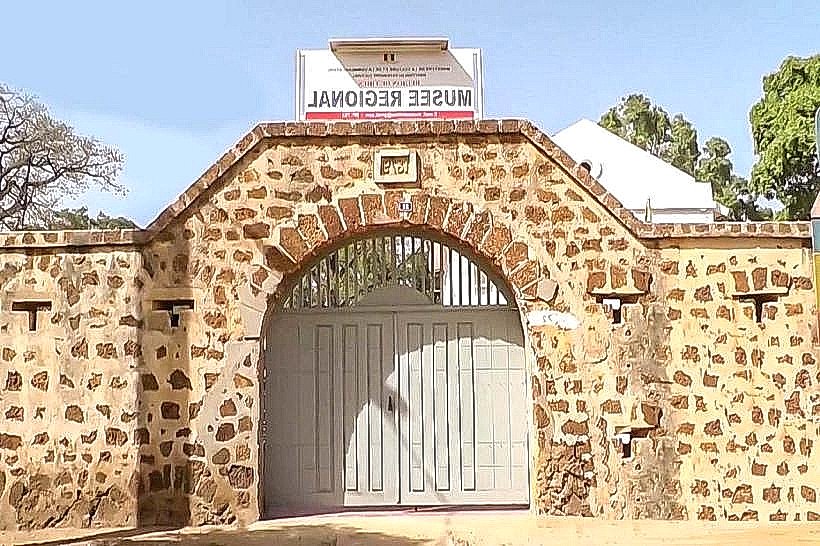
The Regional Museum of Thiès (Musée Régional de Thiès) is a historical and cultural institution located in the city of Thiès, Senegal. It is housed within the fortified walls of a former colonial military base known as Fort Faidherbe.
Visual Characteristics
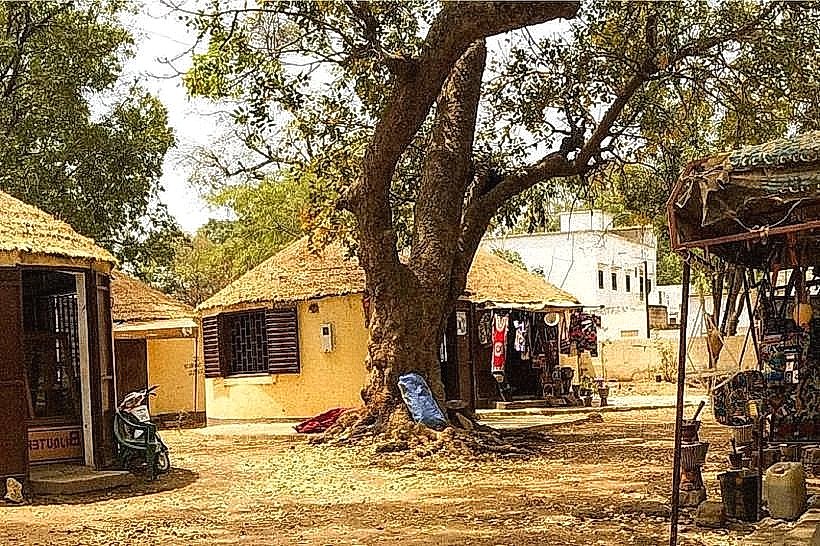
The museum is a classic example of 19th-century French colonial military architecture. It features thick masonry walls, red-tiled roofing, and deep, arched verandas designed to provide shade. The exterior is finished in a weathered ochre-yellow lime wash with white stone accents. The interior galleries consist of high-ceilinged rooms with original wooden beams and tiled floors, organized around a central courtyard that contains several historic cannons and shaded seating areas under mature neem trees.
Location & Access Logistics
The museum is situated in the Quartier Dixième of Thiès, near the city center and the primary administrative district.
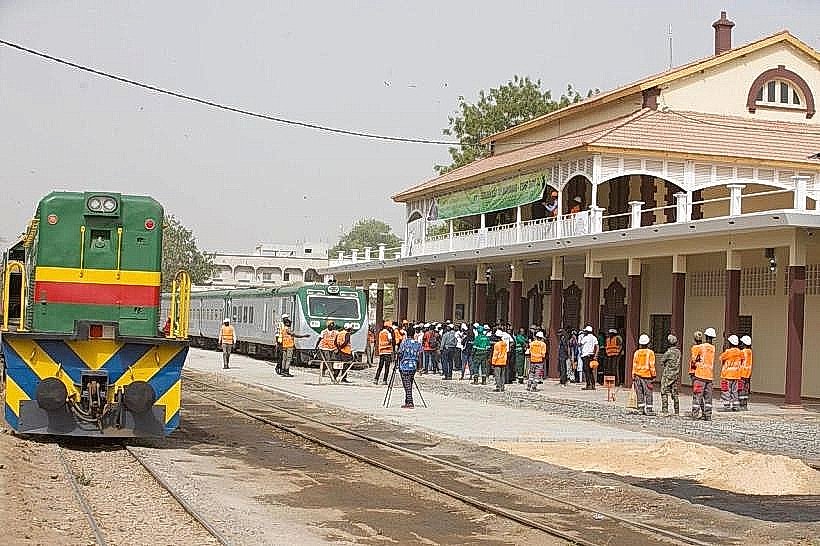
Access: It is located on the main road connecting the Thies-railway-station_thies" class="underline">Thiès Railway Station to the Place de France. Visitors can arrive via local yellow-and-black taxis or horse-drawn calèches.
Parking: Limited street parking is available along the fort's perimeter walls.
Entry: A small admission fee is typically required for non-residents. The site is generally open Tuesday through Saturday, with a midday break (12:30–15:00).
Historical & Ecological Origin
The building was constructed in the 1860s as a strategic military outpost (Fort Faidherbe) during the French expansion into the interior of Senegal. It served as a command center for the "Rail and Peanut" axis. In 1993, the fort was repurposed as a regional museum to preserve the specific history of the Thiès region, which is defined by the intersection of traditional Serer and Wolof cultures with the industrial legacy of the Dakar-Niger railway.
Key Highlights & Activities
The museum's collection is divided into several thematic sections:
Prehistory: Displays of Neolithic stone tools and megalithic artifacts found in the surrounding plateau.
Railroad History: A significant exhibit dedicated to the 1947 railway strike and the technical development of the Thiès rail workshops.
Ethnography: Traditional Serer and Wolof costumes, musical instruments, and agricultural implements.
Contemporary Art: A rotating gallery featuring works from the nearby National School of Arts and the Manufactures de Thiès.
Infrastructure & Amenities
Connectivity: 4G and 5G cellular signals are robust within the fort.
Shade: The thick walls and covered verandas provide a naturally cool environment, even when outside temperatures exceed 35°C.
Facilities: Basic restrooms are located near the administrative office.
Guides: Local English and French-speaking guides are usually available to provide detailed historical context on the railway strike and military history.
Best Time to Visit
The best time to visit is in the morning (09:00–11:00) before the heat of the day. For those interested in the industrial history of the city, visiting during the dry season (November to May) allows for a comfortable walk around the outdoor artillery displays. The museum is a quiet alternative to the busier artisanal village and provides a necessary historical foundation for understanding the city's layout.
Facts & Legends
A historical oddity is that the museum's walls still bear the structural modifications made during the era when it was a high-security military prison. A local "secret" is that the museum archives contain rare original photographs of the 1947 railway workers' leaders, whose strike inspired Ousmane Sembène’s famous novel, God's Bits of Wood.
Nearby Landmarks
Thiès Railway Station – 0.8km West
Place de France – 0.5km Northwest
Thiès Artisanal Village – 1.8km East
Manufactures Sénégalaises des Arts Décoratifs (MSAD) – 1.2km North
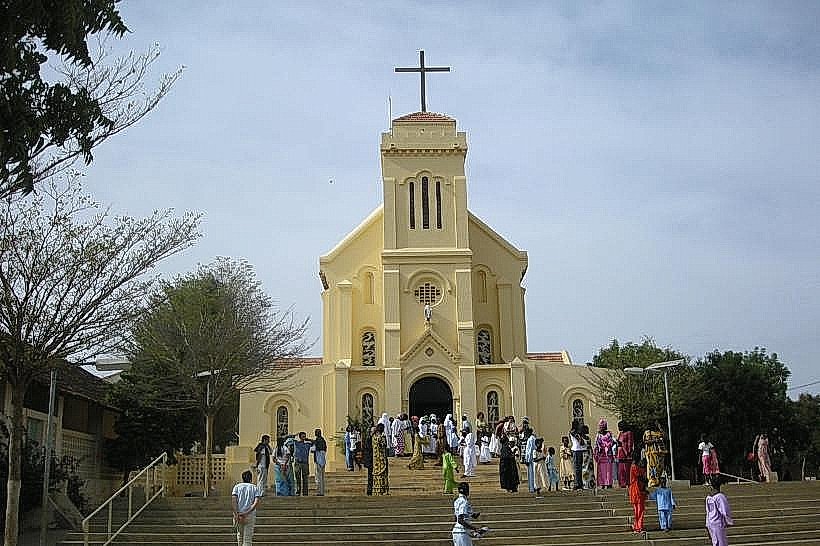
Thiès Cathedral – 0.6km South