Landmark: Bin Ali Tomb
City: Salalah
Country: Oman
Continent: Asia
Bin Ali Tomb, Salalah, Oman, Asia
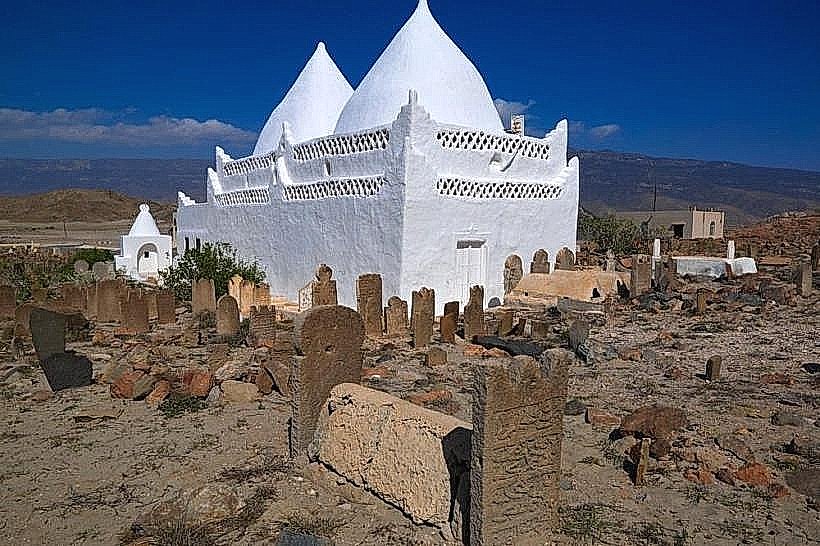
Bin Ali Tomb is a prominent Islamic mausoleum and architectural landmark situated in the coastal town of Mirbat. The site is located approximately 75 kilometers east of Salalah, positioned at the edge of a large historical cemetery on the western entrance of the town.
Visual Characteristics
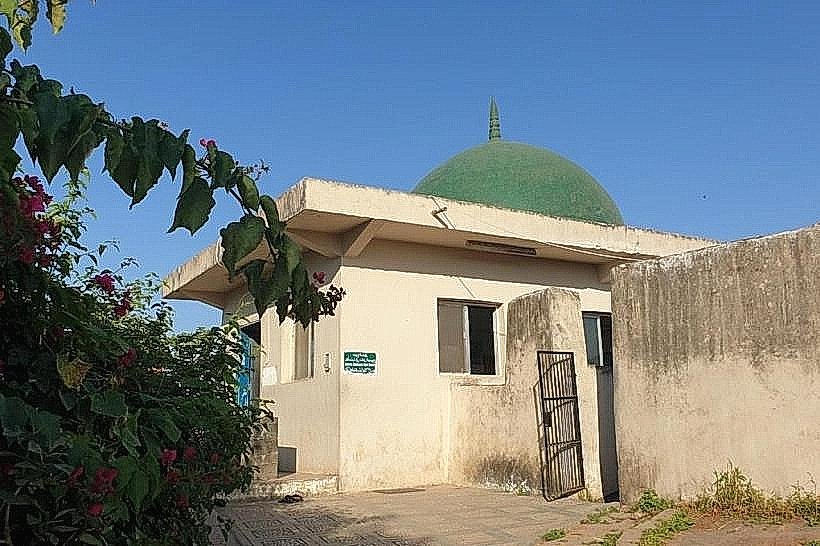
The tomb is a white-washed masonry structure featuring two distinct conical domes (domical vaults) and a rectangular base with crenellated rooflines. The exterior is finished with traditional lime plaster, which is maintained to a brilliant white. The interior houses the sarcophagus of the saint, adorned with green textiles and decorative Arabic calligraphy. The surrounding cemetery contains hundreds of vertical limestone grave markers, many featuring weathered inscriptions in ancient scripts.
Location & Access Logistics
Access is via the Salalah-Mirbat Road (Route 49), a modern dual carriageway. The drive from Salalah takes approximately 45 to 55 minutes. The tomb is highly visible from the main road as it enters Mirbat. There is a paved parking area adjacent to the cemetery gates. While no public bus service stops directly at the tomb, it is a standard destination for taxis and is within walking distance for those visiting the center of Mirbat.
Historical & Ecological Origin
The tomb was built in the 14th century (roughly 1311 AD) to house the remains of Muhammad bin Ali al-Alawi, a respected religious scholar and descendant of the Prophet Muhammad's son-in-law. The architecture represents a classic example of medieval Hadhrami-influenced design adapted for the Dhofar coast. The site is situated on a coastal plateau composed of fossiliferous limestone and stabilized sand dunes.
Key Highlights & Activities
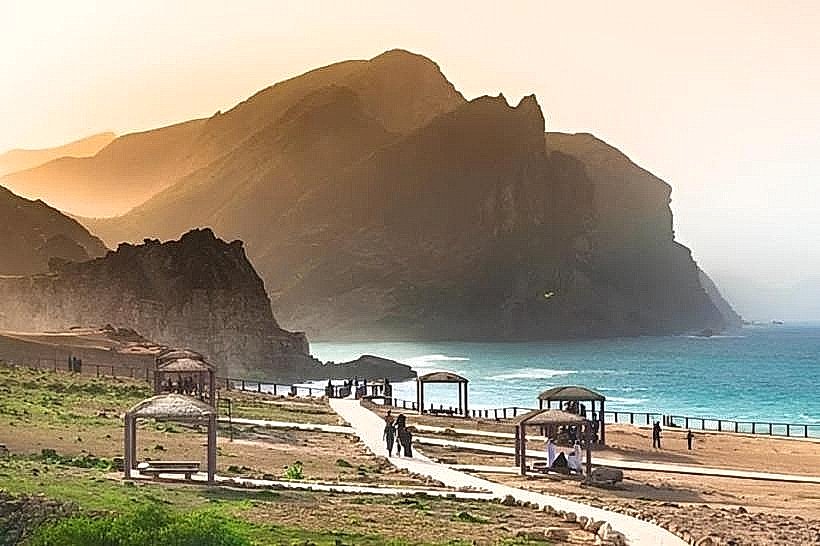
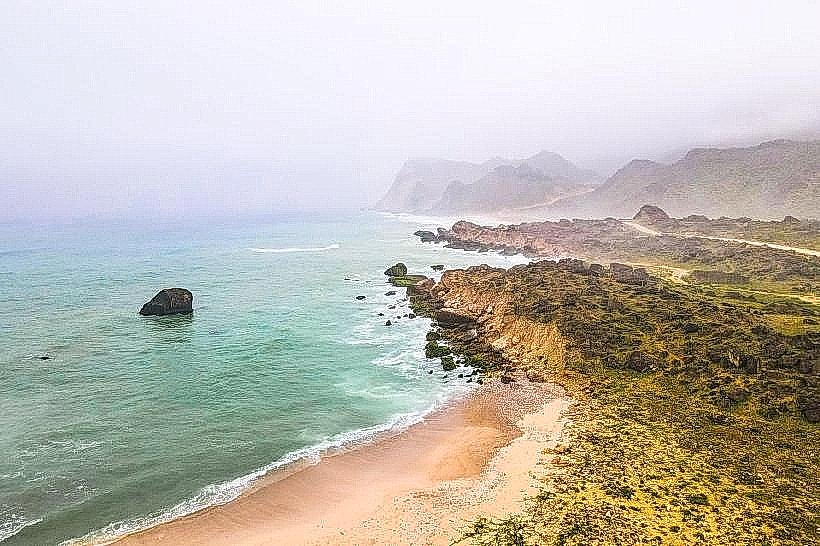
Visitors can examine the unique double-dome architecture and the intricate carvings on the historical gravestones in the surrounding cemetery. While the interior is primarily a place of prayer for the local community, respectful visitors are often permitted to view the shrine area. The elevated position of the cemetery provides a clear view of the Mirbat shoreline and the surrounding plain. Photography of the exterior against the backdrop of the Samhan mountains is a primary activity.
Infrastructure & Amenities
The site includes a small prayer hall (mosque) and basic public restrooms located near the parking area. There are no food vendors or shops on the immediate grounds, but the town of Mirbat, with its restaurants, grocery stores, and cafes, is less than 1 kilometer away. Cell phone signal (4G/5G) is stable and reliable across the entire site.
Best Time to Visit
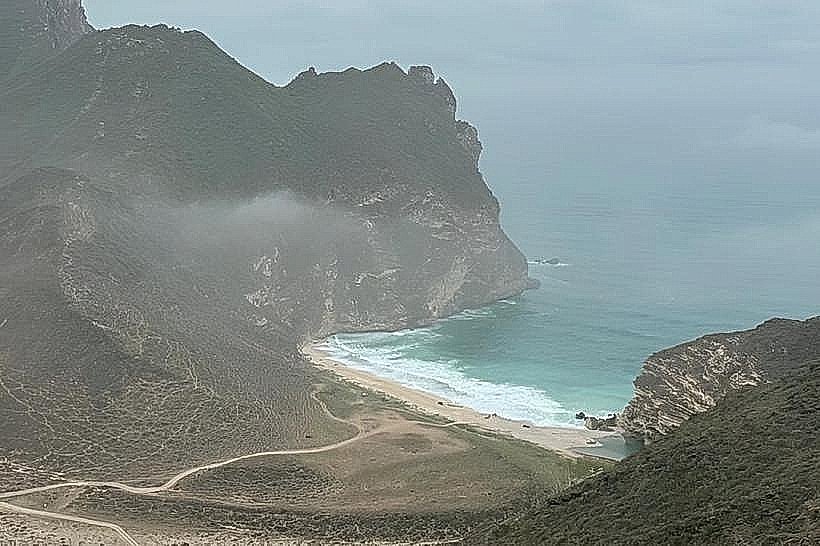
The best time for photography is in the late afternoon, when the sun illuminates the white domes against the blue sky or the mist of the mountains. The winter months (October to March) provide the most comfortable walking temperatures. During the Khareef (July to September), the white building creates a sharp visual contrast with the surrounding green landscape and grey mist.
Facts & Legends
A verified historical oddity is that the tomb serves as a navigational landmark; for centuries, local sailors used the white domes of Bin Ali to orient themselves when approaching the harbor of Mirbat. Local tradition suggests that the tomb’s presence has protected the town from severe maritime storms throughout history. A tip for visitors is to look for the oldest grave markers in the northern section of the cemetery, which feature unique floral motifs not found in modern Omani masonry.
Nearby Landmarks
Mirbat Castle (1.5km East)
Old Merchant Houses of Mirbat (1.8km East)
Mirbat Fishing Harbor (2.2km East)
Anti-Gravity Point (25km West)