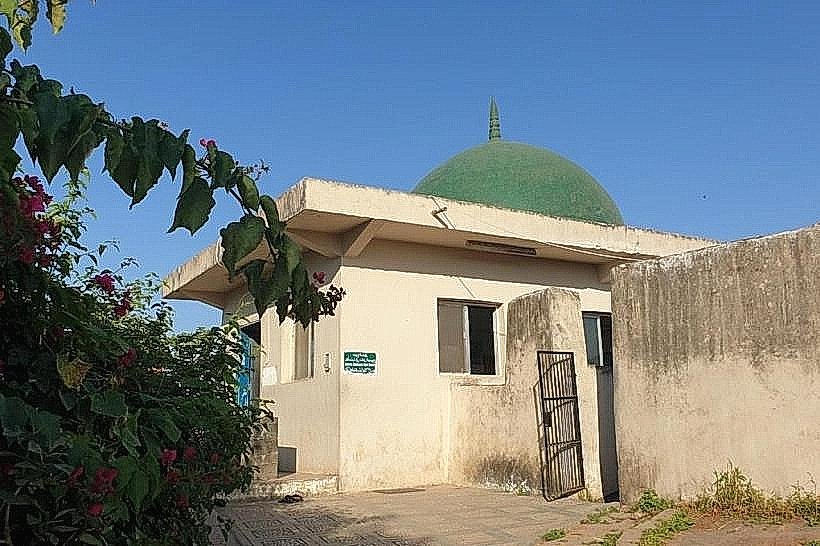
Landmark: Nabi Ayoub’s Tomb
City: Salalah
Country: Oman
Continent: Asia
Nabi Ayoub’s Tomb, Salalah, Oman, Asia
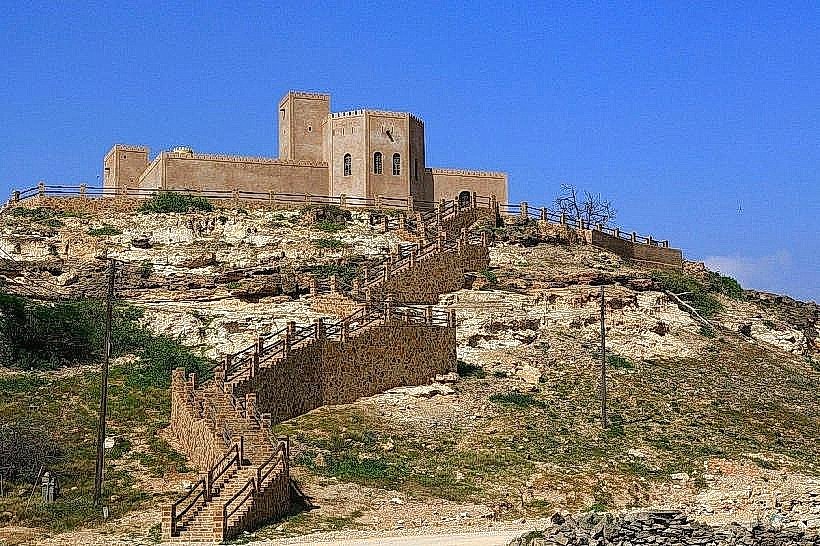
Nabi Ayoub’s Tomb is a religious mausoleum located on the summit of Jabal Ittin in the Dhofar mountain range. The site is situated approximately 25 kilometers northwest of the city center of Salalah in southern Oman.
Visual Characteristics
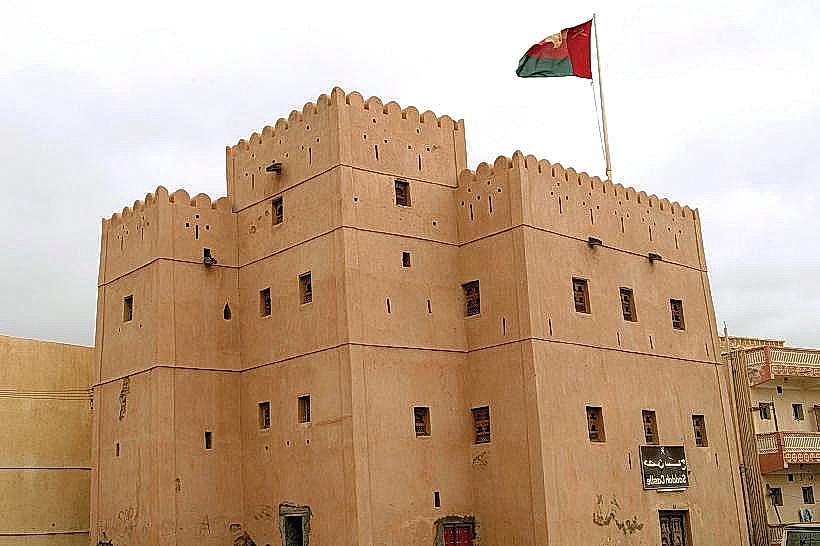
The landmark consists of a small, rectangular masonry building topped with a central green dome. The exterior walls are finished with white lime plaster and feature simple arched window openings. Inside, the central grave measures approximately 4 meters in length and is covered with a green ceremonial cloth embroidered with Quranic verses and floral patterns. The floor is covered with traditional prayer rugs, and a stone slab near the entrance displays a preserved footprint attributed to the prophet.
Location & Access Logistics
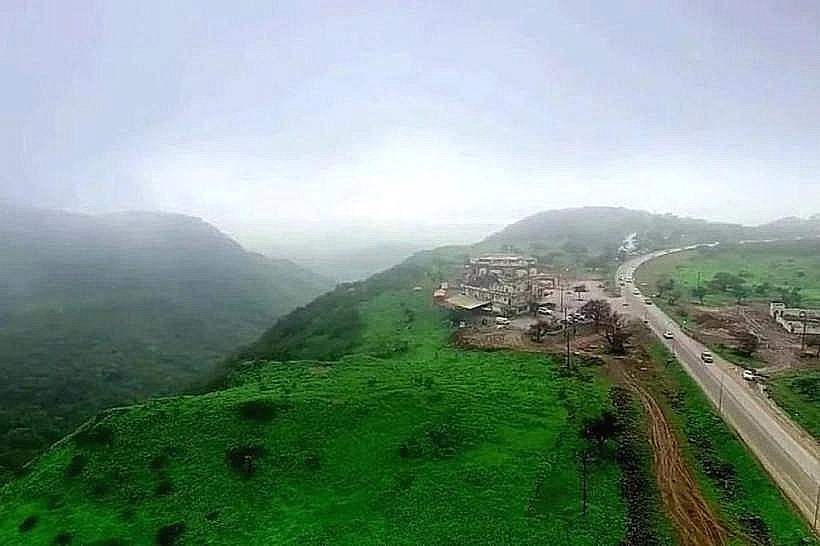
The site is accessible from Salalah via the Ittin Road (Route 47), which ascends the Qara Mountains. It is roughly a 30-minute drive from Salalah International Airport. There is a dedicated asphalt parking area at the summit adjacent to the gate. No scheduled public bus service reaches the peak; visitors typically arrive via private vehicle, taxi, or organized tour operators.
Historical & Ecological Origin
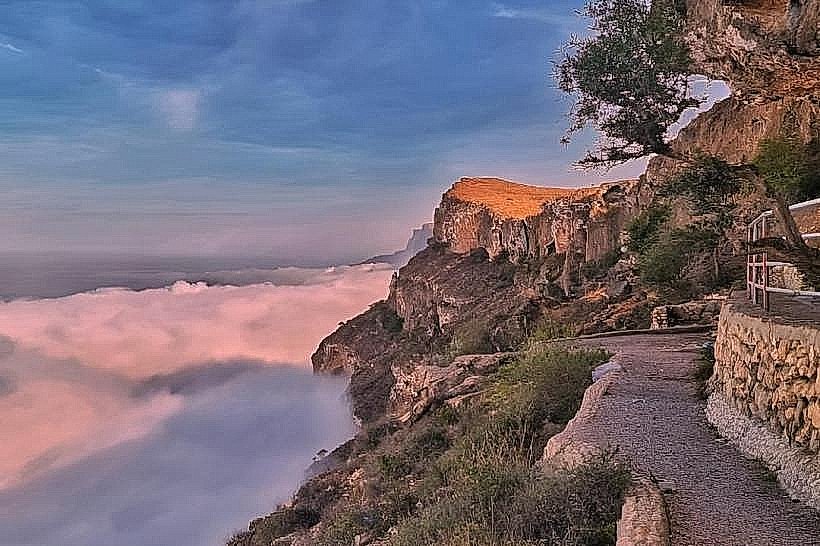
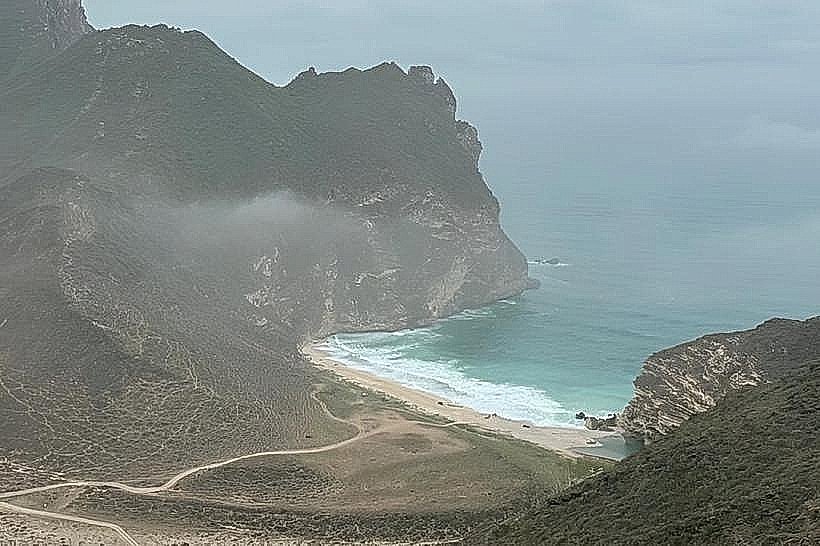
The current structure was rebuilt in the 20th century to house a grave traditionally attributed to the Prophet Job (Ayoub). The site is situated within the Al Qara mountain range, a limestone formation characterized by karst topography. Historically, the location has served as an interfaith pilgrimage site for centuries, linked to both Quranic and Biblical narratives regarding the prophet's life and endurance.
Key Highlights & Activities
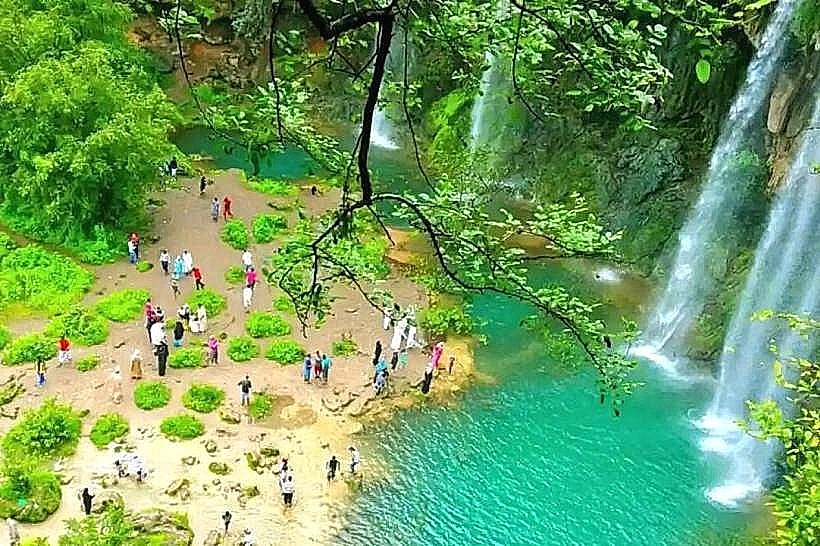
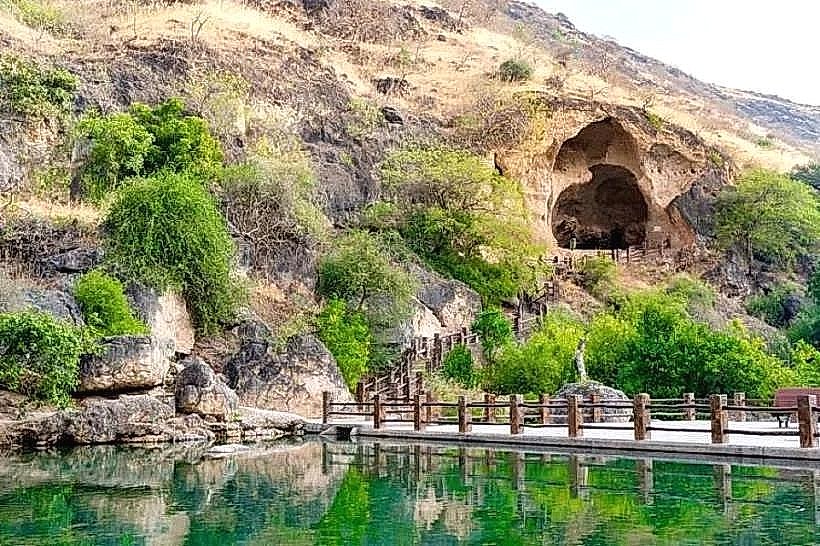
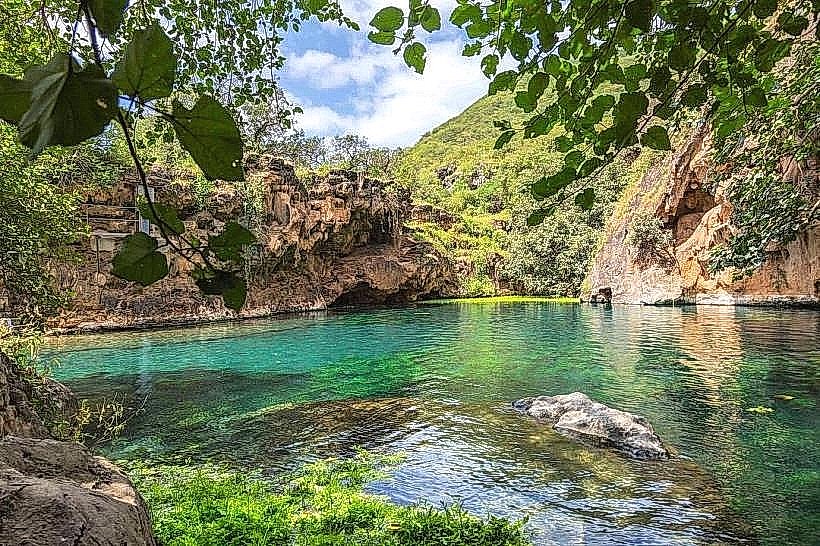
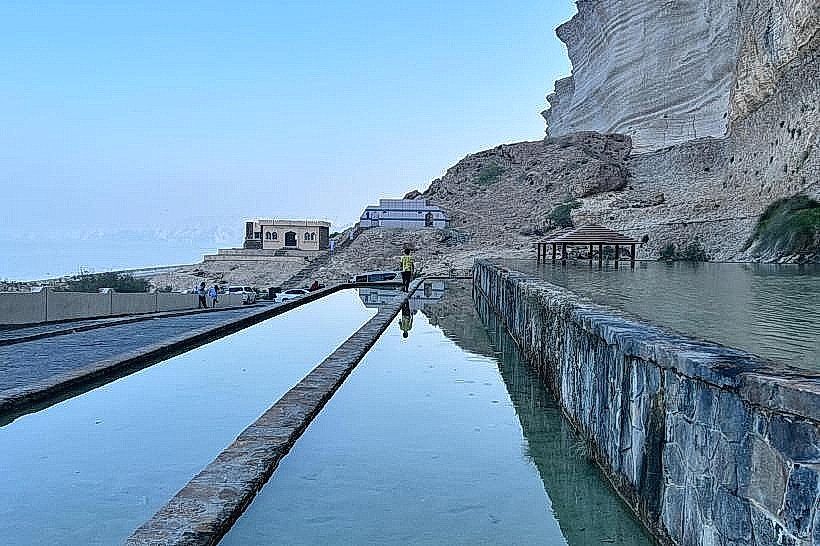
Visitors may enter the mausoleum to view the 4-meter grave and the sacred footprint embedded in the stone floor. Photography is permitted in the courtyard and external areas, though silence must be maintained inside the prayer room. A short paved walkway leads from the parking lot through a small garden of flowering shrubs to the shrine. On the hillside below the mosque, a natural spring flows into a small stone-walled bathing area.
Infrastructure & Amenities
The site includes a small mosque for prayer and basic restroom facilities for visitors. There are no food vendors or shops on the immediate grounds, though a restaurant is located approximately 7 kilometers down the mountain road at Atin. Cell phone signal (4G) is generally available but can be intermittent during heavy fog or mist.
Best Time to Visit
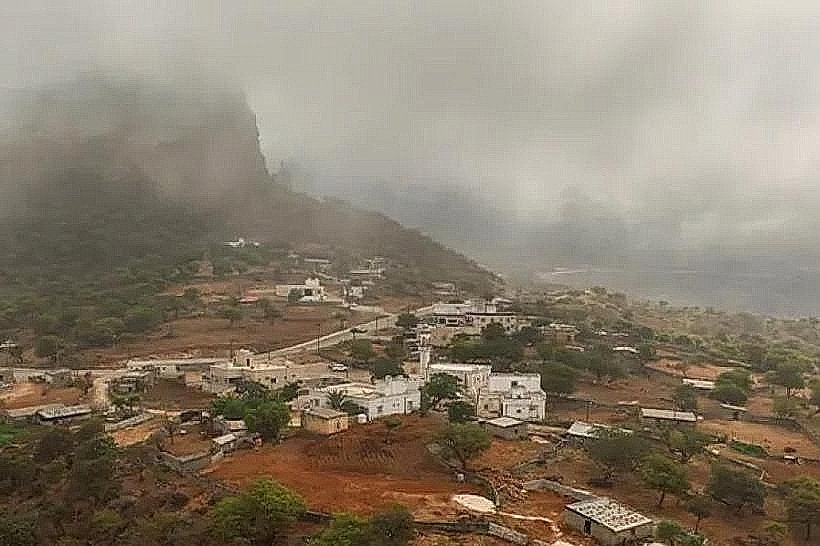
The most distinct conditions occur during the Khareef (monsoon) season from late June to early September, when the mountains are covered in dense fog and green vegetation. For photography, late afternoon offers the most consistent lighting when the mist clears. To avoid large crowds and tour buses, the early morning hours on weekdays are recommended.
Facts & Legends
Local tradition maintains that the 4-meter length of the grave reflects the actual physical stature of the prophet. A prominent legend states that the nearby spring gushed forth after the prophet struck the ground with his foot upon God's command to provide water for his healing. Additionally, one interior wall is specifically aligned toward Jerusalem, indicating the prayer direction used prior to the Islamic shift toward Mecca.
Nearby Landmarks
Ayn Jarziz (6.5km South)
Ittin Recreation Park (12km Southeast)
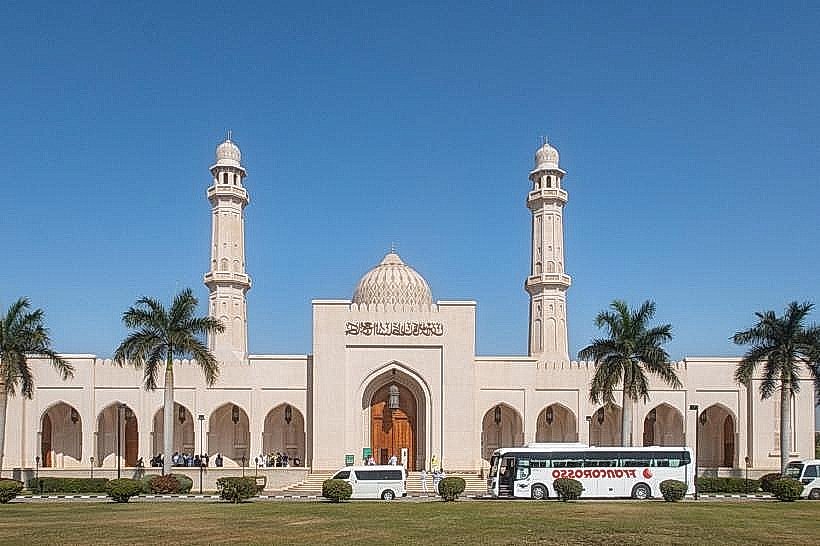
Sultan Qaboos Mosque (22km Southeast)
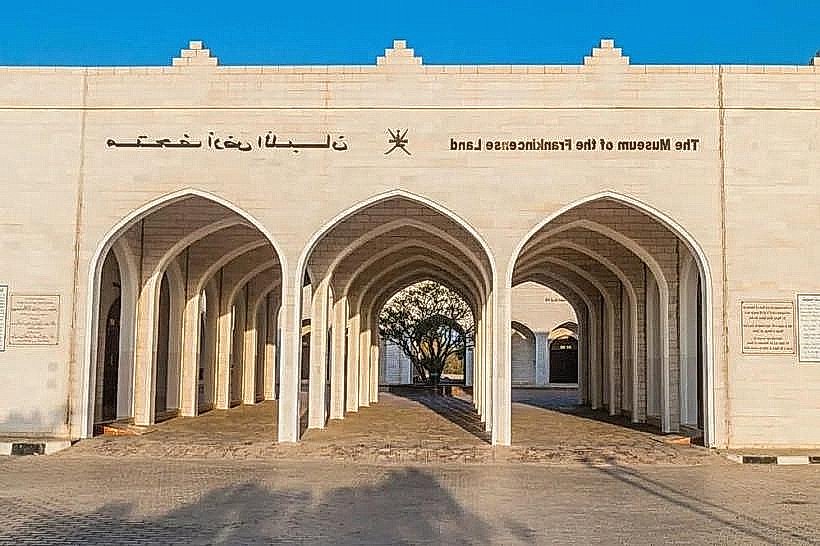
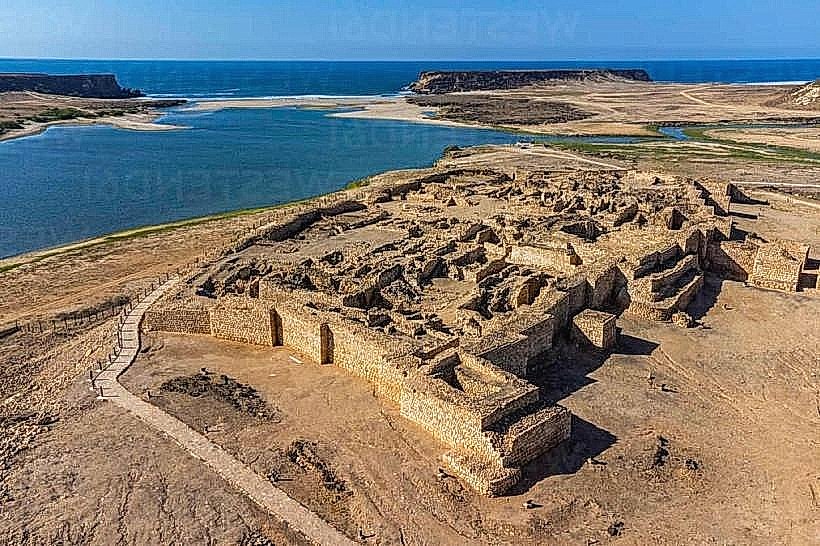
Museum of the Frankincense Land (24km Southeast)