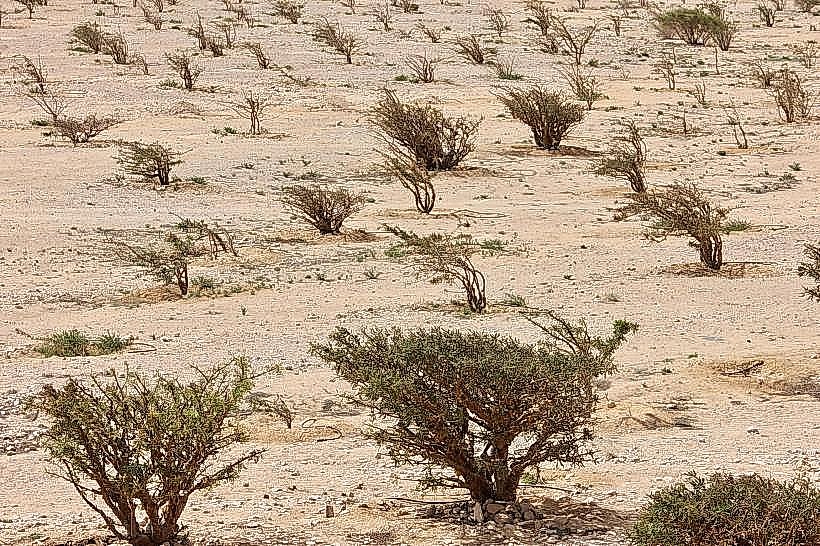
Landmark: Wadi Dawkah Frankincense Trees
City: Salalah
Country: Oman
Continent: Asia
Wadi Dawkah Frankincense Trees, Salalah, Oman, Asia
Wadi Dawkah is an protected desert valley and UNESCO World Heritage site situated in the Dhofar region. The location is approximately 40 kilometers north of Salalah, positioned within the arid rain shadow of the Qara Mountains.
Visual Characteristics
The terrain consists of a flat, gravelly wadi bed characterized by pale, sun-bleached limestone and flint. The primary feature is a dense concentration of thousands of Boswellia sacra trees, which are small, deciduous shrubs with peeling, papery bark and gnarled, twisted branches. The vegetation is sparse, with trees spaced to accommodate the limited groundwater in the arid soil, appearing silvery-grey during the dry season and budding with small white flowers after rare rainfall.
Location & Access Logistics
The site is located directly off the Muscat-Salalah Road (Route 31). It is a 35 to 45-minute drive from the city center of Salalah. The entrance is marked by a paved turnoff leading to a central gravel parking area. While most visitors arrive via private vehicle or tour operator, the wadi is technically accessible by regional buses traveling between Salalah and Muscat, though there is no dedicated shuttle service.
Historical & Ecological Origin
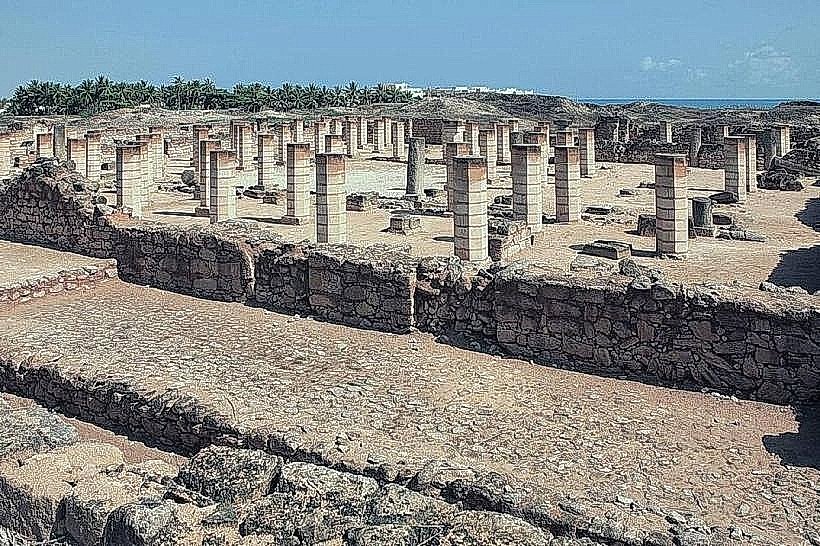
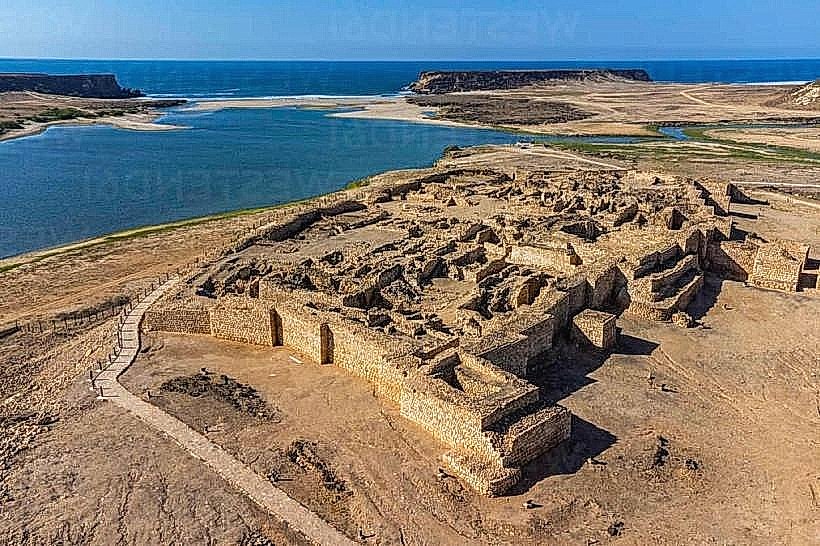
Wadi Dawkah is a natural park established to protect the ancient frankincense trade route and the ecological health of the Boswellia sacra species. Historically, this wadi served as a major collection point for frankincense resin, which was harvested and transported to the ancient ports of Al Baleed and Sumhuram. The geological substrate consists of alluvial deposits over Eocene limestone, creating the specific alkaline soil required for high-quality resin production.
Key Highlights & Activities
Visitors can walk along designated gravel paths to observe the different growth stages of the frankincense trees. Educational signage provides technical details on the "tapping" process, where incisions are made in the bark to extract the sap. Guided educational walks are available through local tourism boards, focusing on the historical importance of the resin in global commerce.
Infrastructure & Amenities
The site features a small visitor information center and a shaded observation pavilion near the parking area. Public restrooms are available on-site. There are no food vendors or restaurants within the wadi boundaries; travelers must bring their own water. 4G cell phone signal is consistently available throughout the main visitor area.
Best Time to Visit
The best months for visiting are from November to February when temperatures are moderate for walking through the open valley. For photography, the first two hours after sunrise provide long shadows that emphasize the texture of the tree bark. Harvesting typically occurs during the hottest summer months, though the wadi remains open to the public year-round.
Facts & Legends
A verified historical oddity is that the resin produced in this specific wadi was once considered so valuable it was traded for its weight in gold and used in the personal rites of Roman Emperors and Egyptian Pharaohs. Local lore suggests that the trees are protected by desert spirits, and tradition dictates that one must never harvest resin without a specific ritual of gratitude to ensure the tree does not "bleed" to death.
Nearby Landmarks
Thumrait Desert Town (35km North)
Jabal Ittin Viewpoint (38km Southwest)
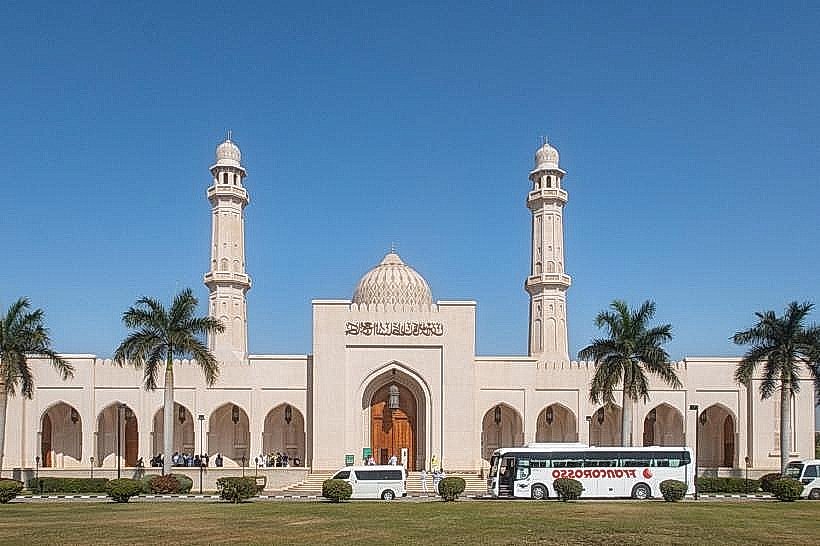
Sultan Qaboos Mosque (42km South)
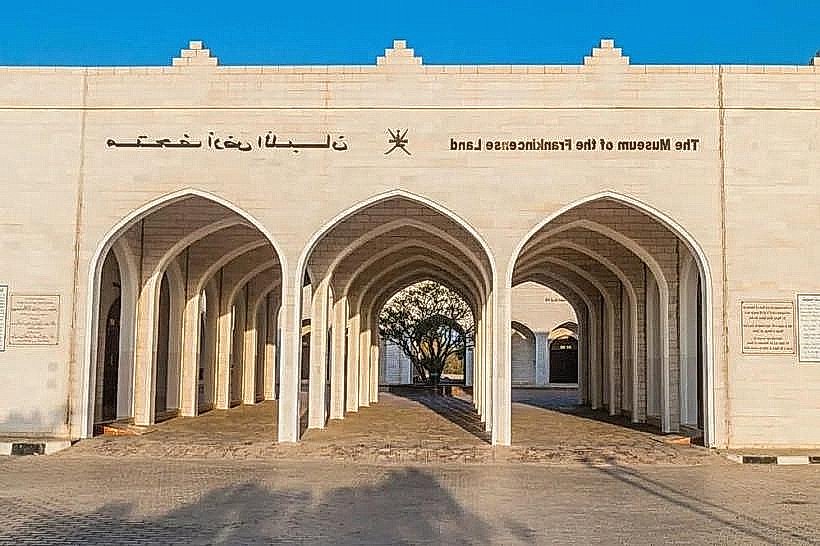
Museum of the Frankincense Land (45km South)