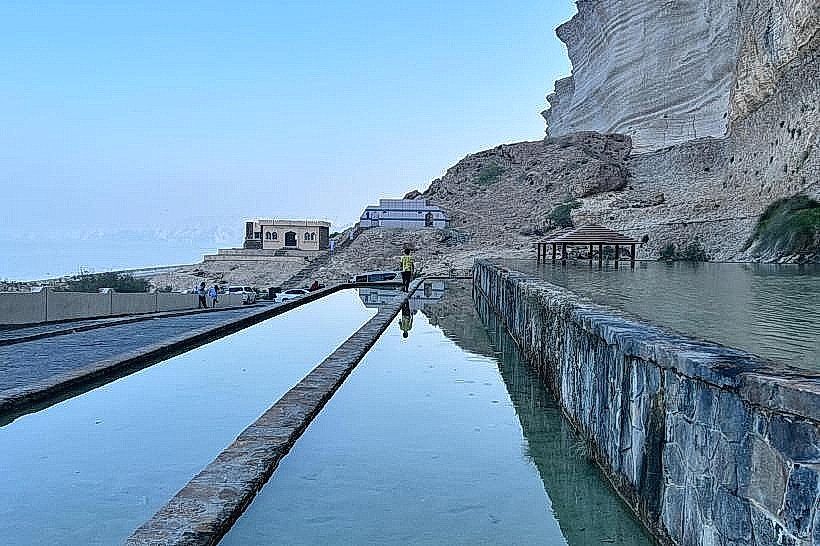
Landmark: Hasik Waterfall
City: Salalah
Country: Oman
Continent: Asia
Hasik Waterfall, Salalah, Oman, Asia
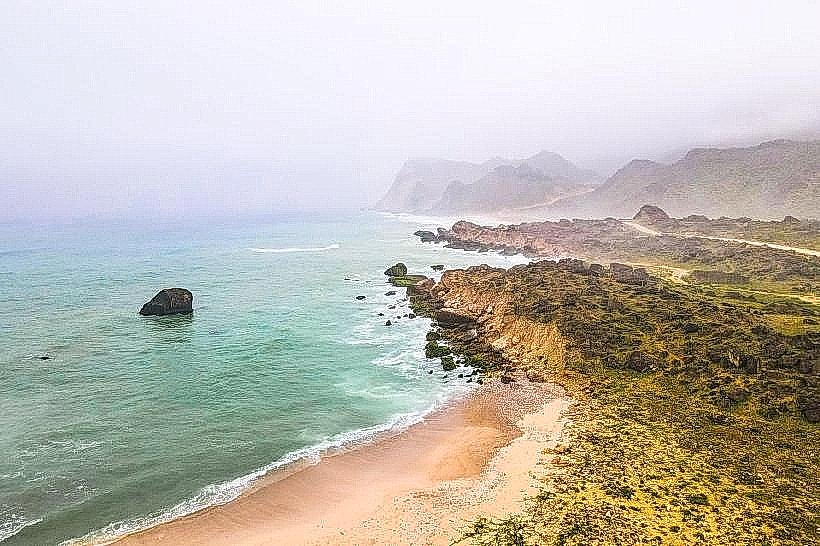
Hasik Waterfall is a seasonal cascade located in the Dhofar Governorate of southern Oman. The site is situated approximately 175 kilometers northeast of Salalah, positioned at the base of the Samhan mountain range near the coastal village of Hasik.
Visual Characteristics
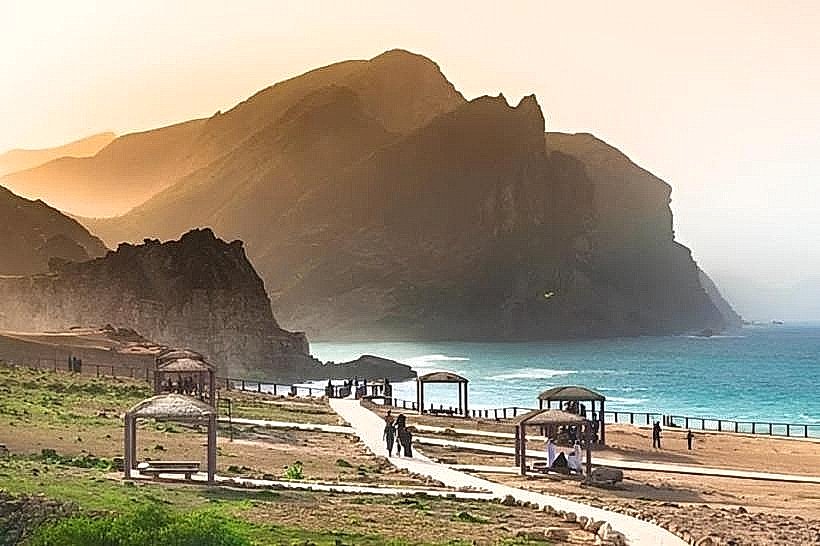
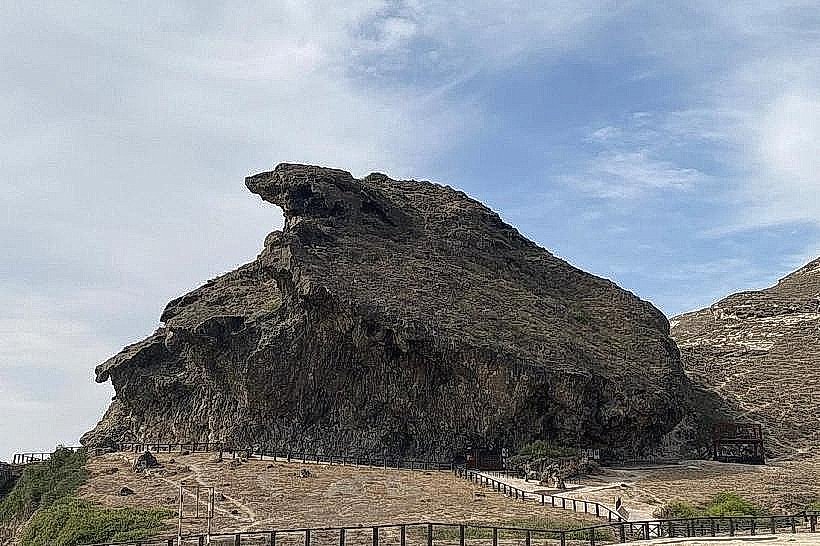
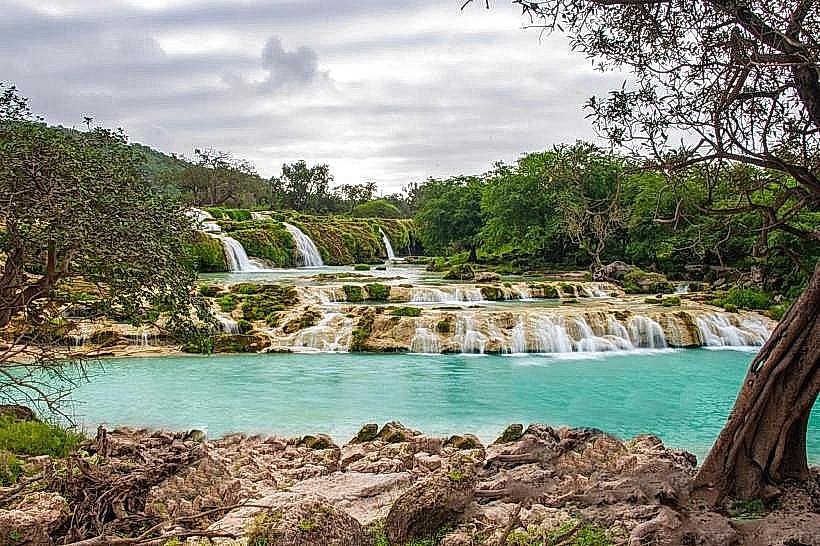
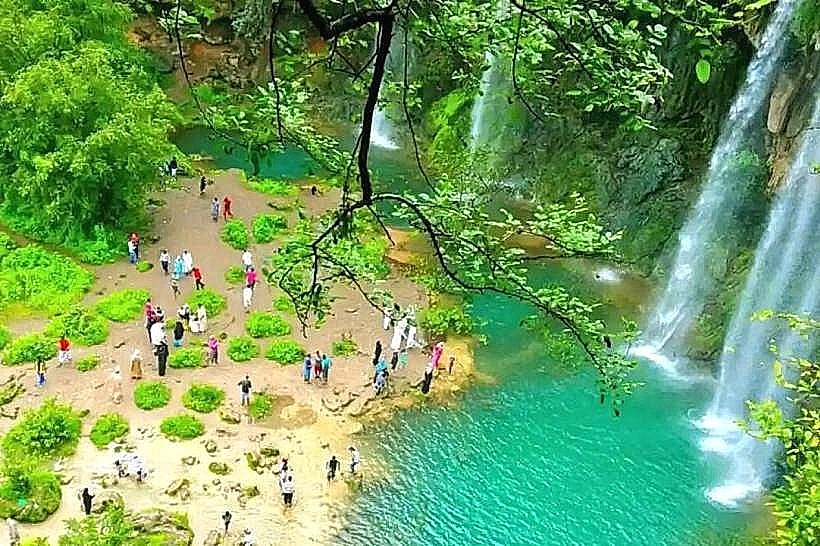
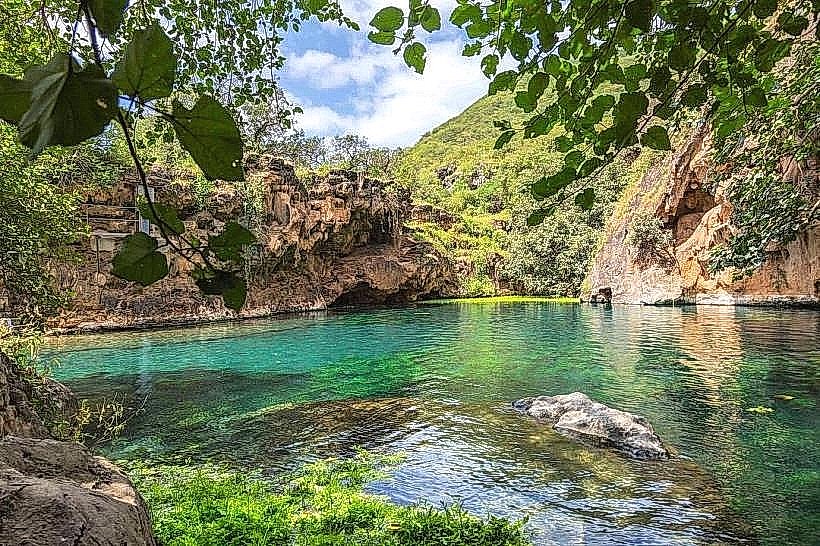
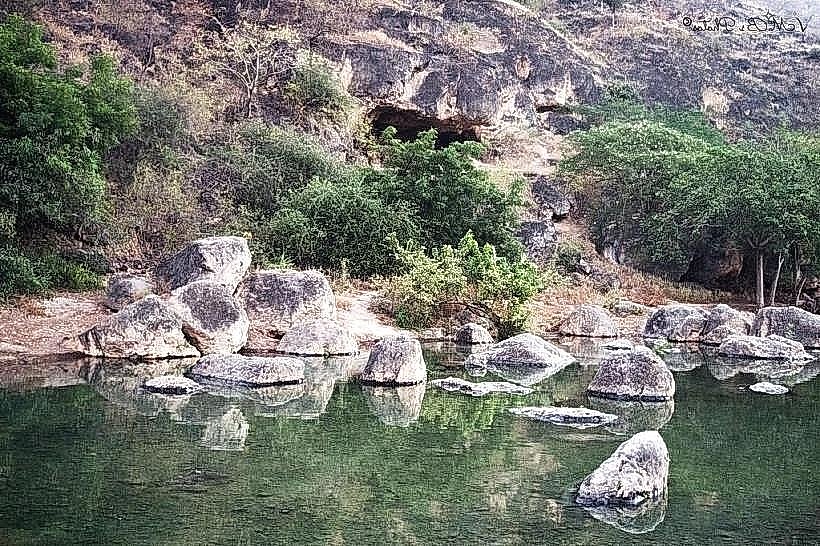
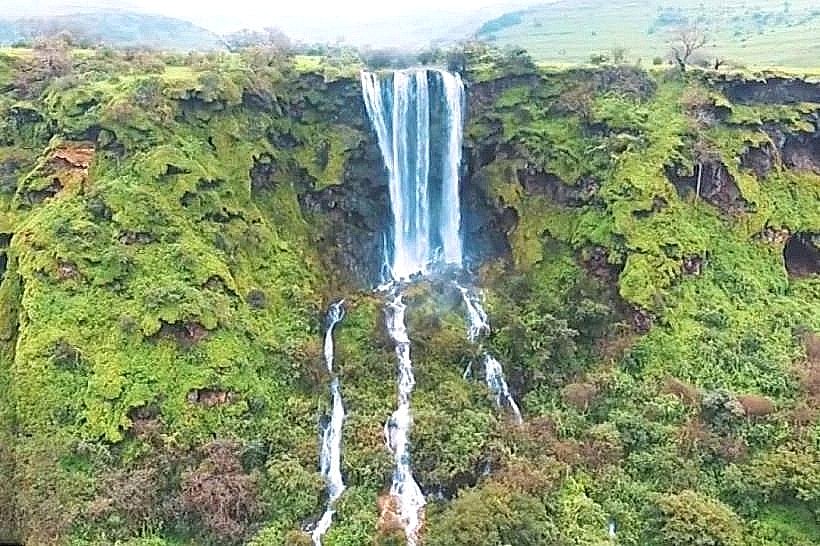
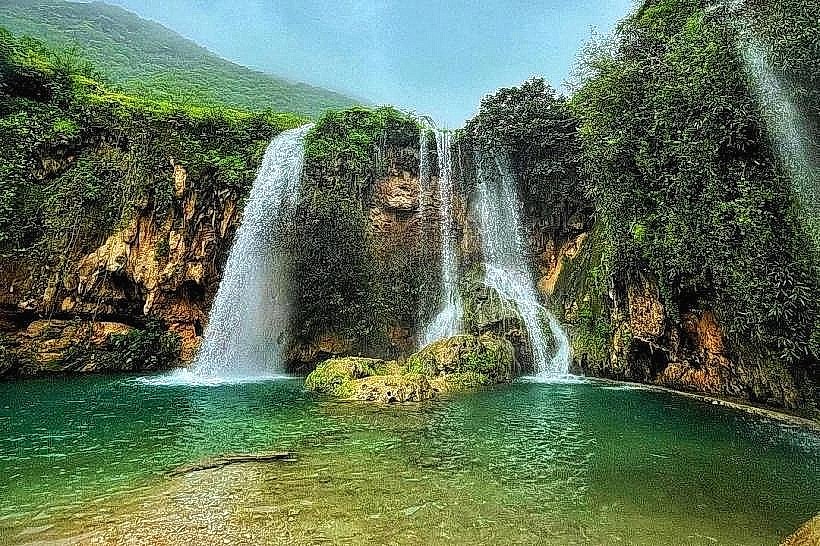
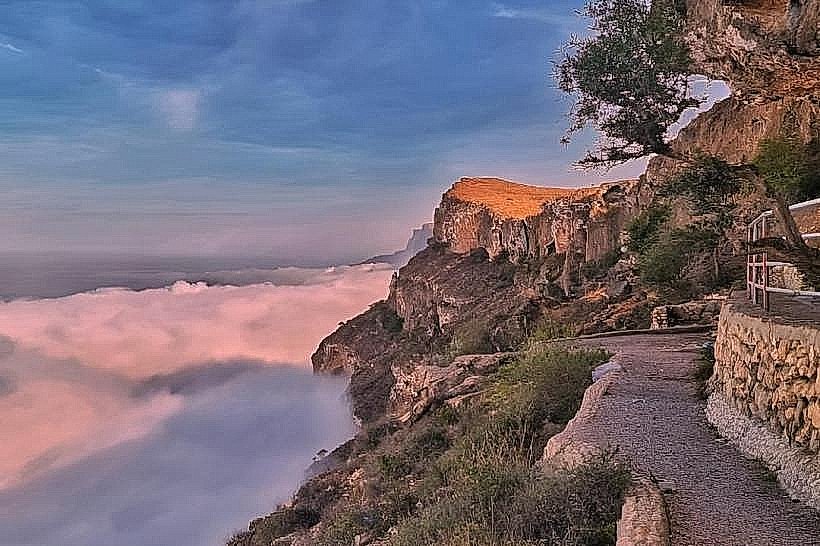
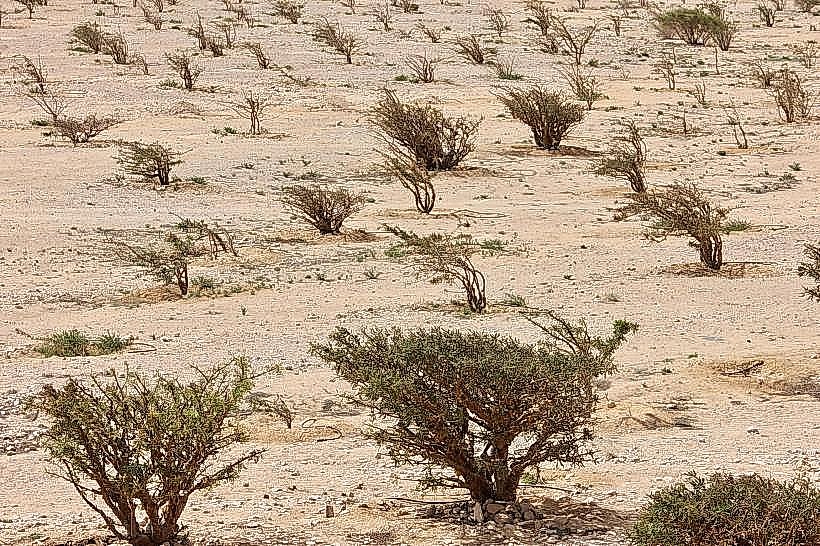
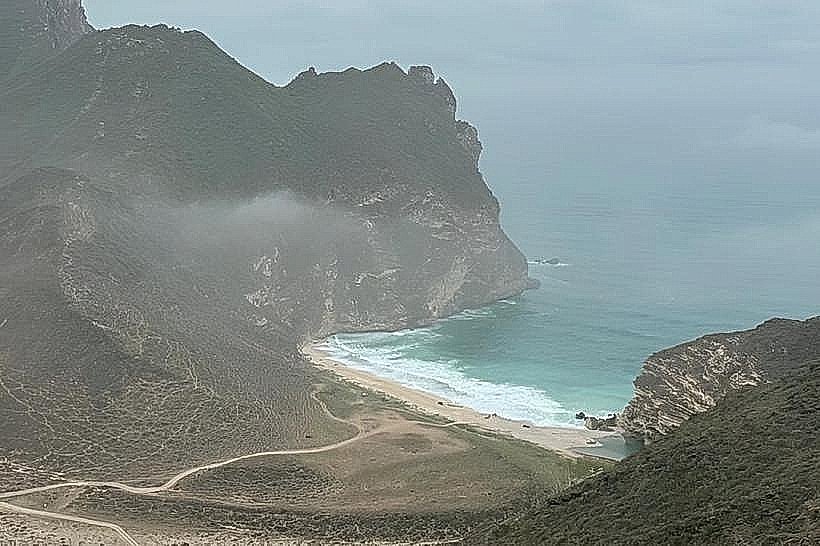
The waterfall features a vertical drop over a limestone cliff face characterized by dark grey and tan sedimentary layers. The water originates from a spring at the top of the plateau, flowing into a turquoise plunge pool at the base. Surrounding the fall are dense clusters of desert palms and moisture-loving vegetation that contrast with the surrounding arid rock. During the dry season, the flow reduces to a trickle, leaving behind white mineral deposits on the rock face.
Location & Access Logistics
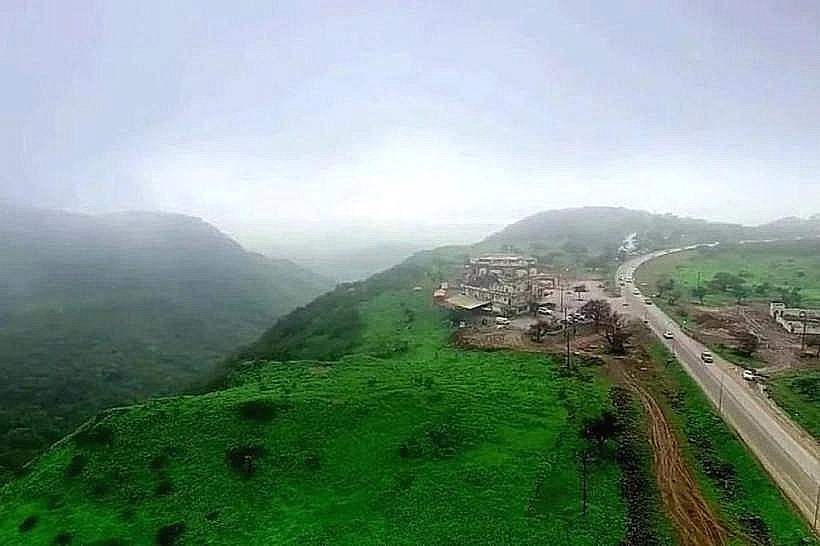
Access is via the Salalah-Hasik Coastal Road (Route 49), a paved highway that follows the shoreline. The journey from Salalah takes approximately two hours by private vehicle. A short, unpaved track leads from the main road toward the base of the mountains where the waterfall is located. There is a small gravel clearing for parking. No public bus lines or scheduled shuttles serve this specific remote location.
Historical & Ecological Origin
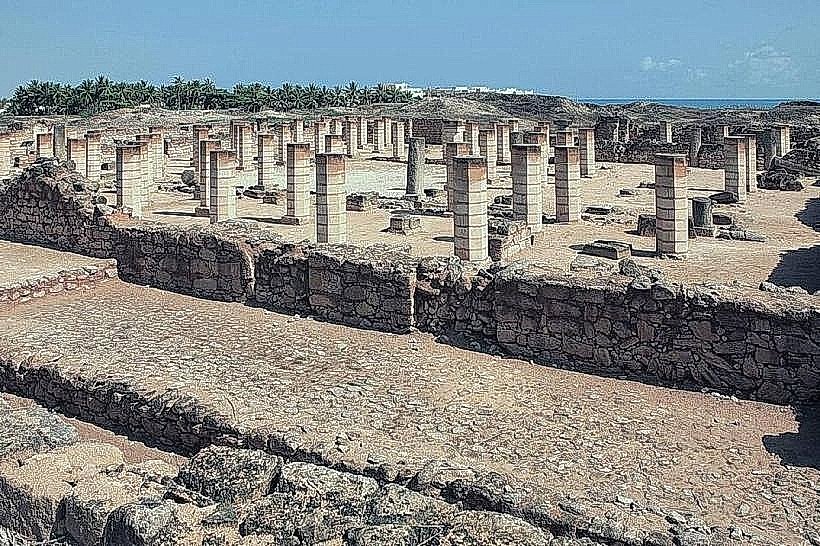
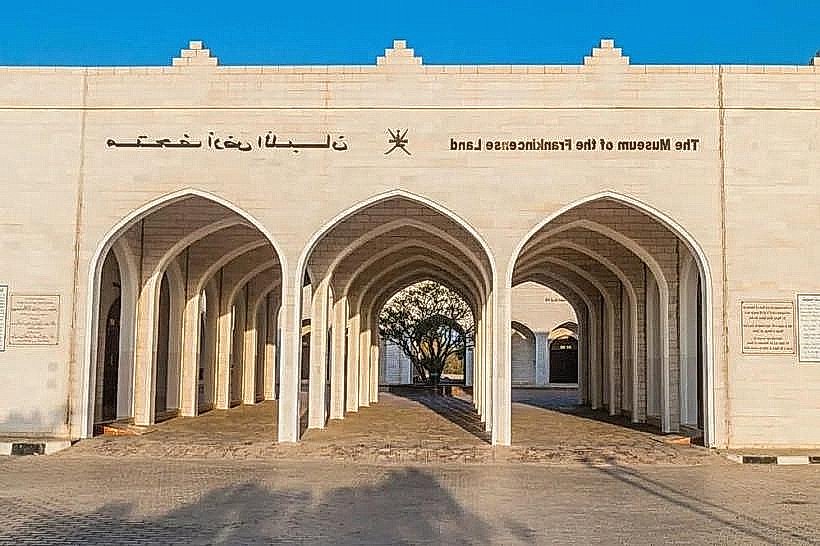
The waterfall is part of the Jabal Samhan Nature Reserve ecosystem, which is a limestone massif formed during the Cretaceous period. The water source is an aquifer fed by seasonal monsoon rains that percolate through the porous karst plateau. Historically, the area around the falls served as a vital freshwater stop for nomadic tribes and frankincense traders traveling between the Dhofar interior and the coast.
Key Highlights & Activities
Swimming is permitted in the natural pool at the base of the falls when water levels are sufficient. Hiking is possible along the rocky perimeter, though the terrain is uneven and slippery near the water. The site is a specific point for observing local bird species and occasional Arabian gazelles that descend from the cliffs to drink. Photography is best focused on the contrast between the turquoise water and the sheer mountain backdrop.
Infrastructure & Amenities
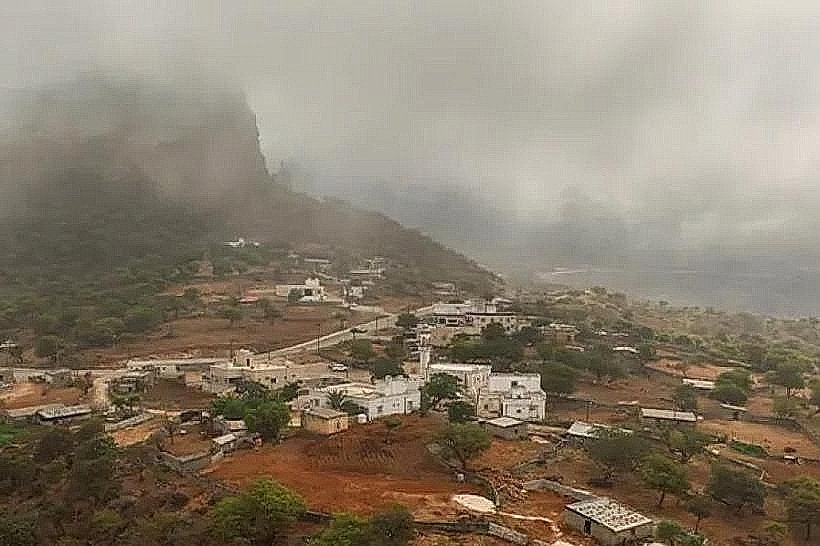
The site is largely undeveloped and lacks formal infrastructure. There are no public restrooms, shaded pavilions, or food vendors on-site. Visitors must travel to the nearby village of Hasik, approximately 5 kilometers away, for basic supplies and fuel. Cell phone signal (4G) is generally weak or unavailable due to the height of the surrounding cliffs.
Best Time to Visit
The optimal time to view the waterfall in full flow is during the Khareef (monsoon) season and the weeks immediately following, typically from July to late September. For photography, mid-morning provides the best overhead light to illuminate the pool's color. During the winter months (November to February), the flow is minimal, but the area remains accessible for hiking.
Facts & Legends
A specific local oddity is the presence of small freshwater fish in the plunge pool despite its isolation from permanent river systems. Local lore suggests that the water from the spring possesses healing properties for skin ailments, a belief that historically drew travelers from across the Samhan range. A "secret" tip for visitors is to look for the small caves tucked behind the curtain of water, which stay significantly cooler than the ambient desert temperature.
Nearby Landmarks
Hasik Village (5km East)
Jabal Samhan Viewpoint (15km North - via mountain tracks)
Wadi Shuwaimiyah (85km Northeast)
Santi Cave (12km West)