Landmark: Indingilizi Gallery
City: Mbabane
Country: Eswatini
Continent: Africa
Indingilizi Gallery, Mbabane, Eswatini, Africa
Indingilizi Gallery is a long-standing commercial art institution and cultural venue located on Dzeliwe Street in the urban core of Mbabane, Eswatini. Established in 1982, it functions as a primary repository and exhibition space for contemporary Swazi fine art, regional sculpture, and pan-African material culture.
Visual Characteristics
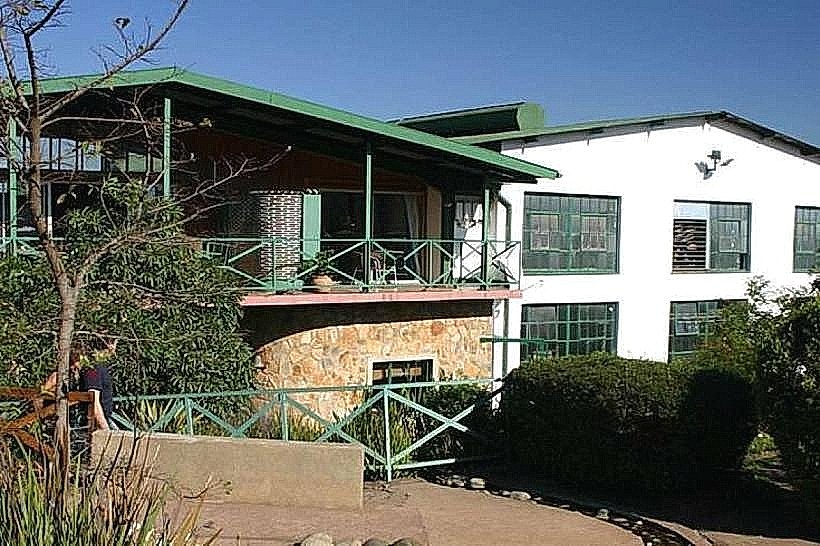
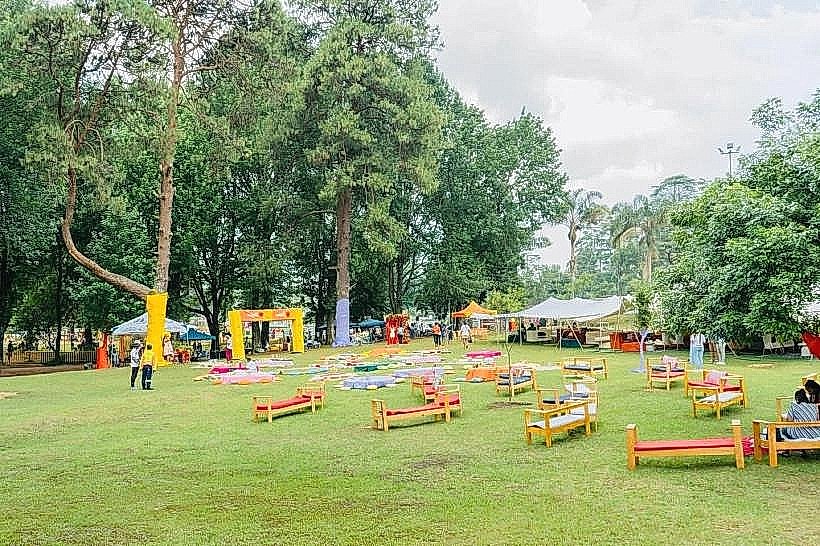
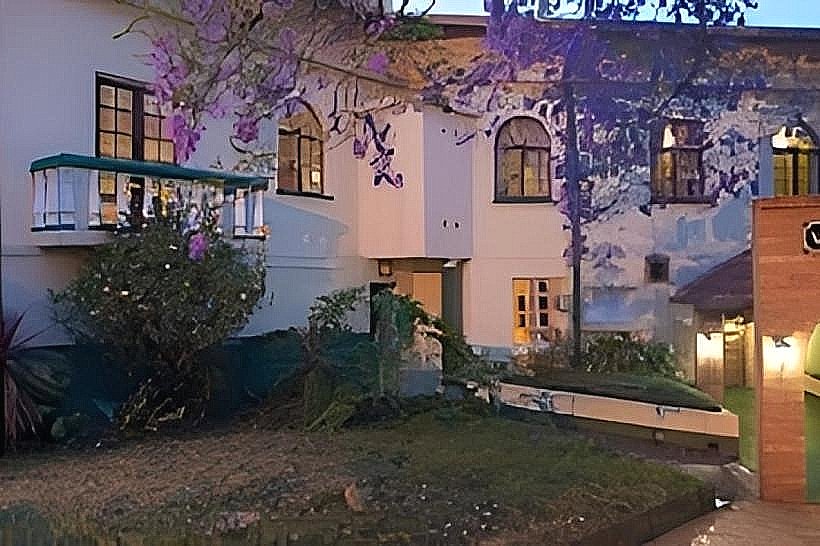
The landmark occupies a preserved, single-story historical colonial-era masonry building characterized by white plastered walls, a low-slung corrugated iron roof, and traditional timber window frames. The interior is divided into a series of interconnected, brightly lit gallery rooms with concrete flooring and plain white vertical surfaces optimized for displaying framed artwork and textiles. The rear of the property features an open-air central courtyard dining area defined by vibrant exterior paint work, exposed brickwork accents, stone pavers, and partial shade structures under mature trees.
Location & Access Logistics
The facility is situated at 112 Dzeliwe Street in the central commercial district of Mbabane, roughly 0.4 kilometers east of the primary Swazi Plaza shopping precinct. Access is straightforward via the town's paved inner-city road grid, turning directly onto Dzeliwe Street from the main thoroughfares. Public transport access is dense, with local minibuses (kombis) servicing the area continuously and dropping passengers at stops within a 5-minute walk of the gallery entrance. Vehicular parking is limited to metered parallel street bays along Dzeliwe Street or within the secure multi-story parkades of nearby commercial malls.
Historical & Ecological Origin
The gallery was founded in 1982 by Anthony and Dori Angus to provide a dedicated commercial platform for local fine artists who previously lacked formalized representation within the Kingdom of Swaziland. The architectural shell itself dates to the early-to-mid 20th century, representing the structural style of colonial Mbabane's early commercial growth. The exhibits showcase fine crafts manufactured from localized ecological materials, including hand-carved soapstone from regional quarries, indigenous hardwoods, pit-fired clay pottery, hand-spun mohair textiles, and intricate beadwork utilizing natural seed and glass mediums.
Key Highlights & Activities
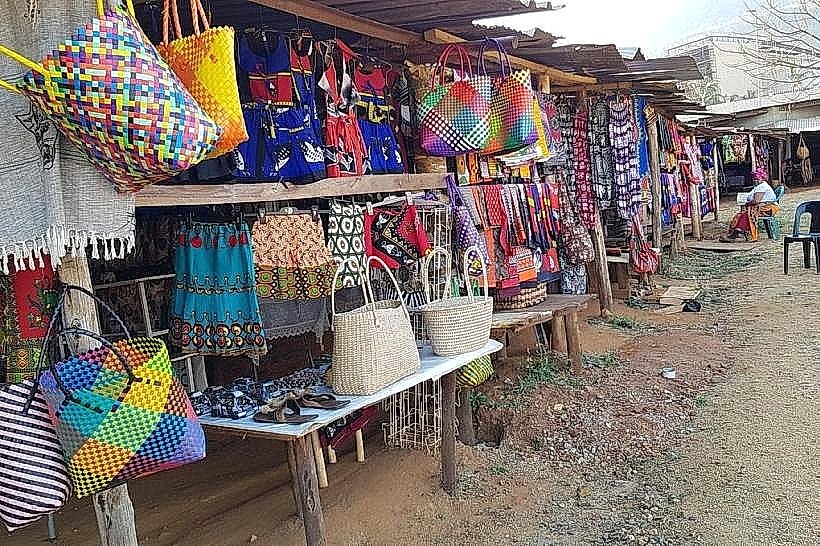
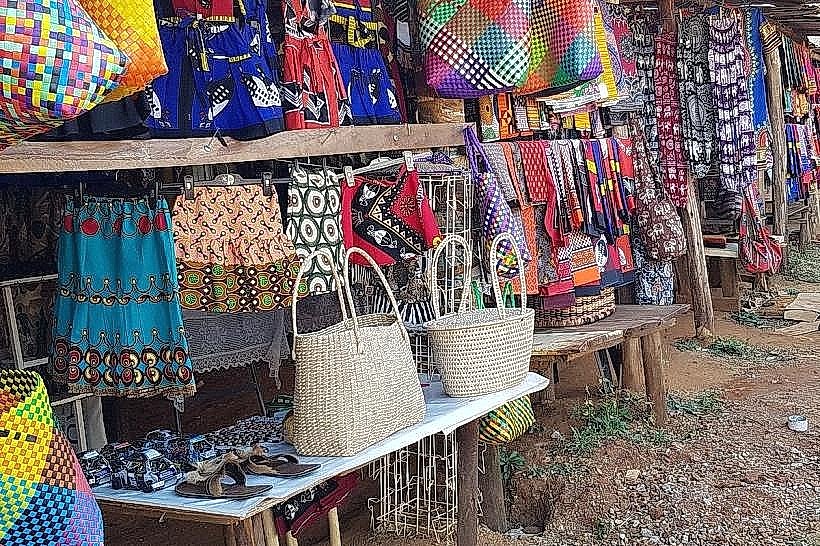
The main activity comprises viewing the rotating indoor exhibitions that highlight paintings, linocuts, batiks, and sculptures created by Eswatini's prominent and emerging contemporary artists. Patrons can purchase authentic local artefacts, fine basketry, custom hand-painted candleholders, and estate jewelry curated from across the African continent. The outdoor courtyard contains an operational daytime restaurant specializing in traditional regional recipes from North, East, and Southern Africa, allowing for sit-down dining within the gallery grounds.
Infrastructure & Amenities
The complex features developed urban infrastructure, including indoor electrical lighting tracks, treated municipal water supplies, and operational public restrooms for patrons. High-speed cellular network coverage (4G/5G) is completely stable throughout the interior rooms and outdoor spaces due to its central downtown position. Commercial transactions within the retail shop and restaurant are fully supported by electronic credit card terminal interfaces and mobile money transfer platforms alongside standard physical currency options.
Best Time to Visit
The gallery operates primarily on weekdays during standardized business hours, making Monday through Friday from 09:00 to 17:00 the mandatory window for a visit, as weekend operations are either restricted or closed. The dry winter months from May to August offer the most favorable climate for utilizing the open-air courtyard restaurant without the interference of high ambient temperatures or precipitation. Mid-day between 11:30 and 13:30 is optimal for photography within the courtyard and interior gallery spaces, utilizing natural overhead sunlight to illuminates the displays without heavy shadow lines.
Facts & Legends
During the late 20th century, the gallery functioned as a critical underground sanctuary and creative outlet for exiled South African struggle artists who were fleeing the apartheid regime. These artists used the independent space in Mbabane to host politically charged fine art exhibitions and cultural dialogues that were strictly banned and censored within their home country, establishing the site as a notable historical node of regional intellectual resistance.
Nearby Landmarks
Mbabane Market - 0.3km West
Swazi Plaza - 0.4km Southwest
Hilton Garden Inn Mbabane - 0.5km Southwest
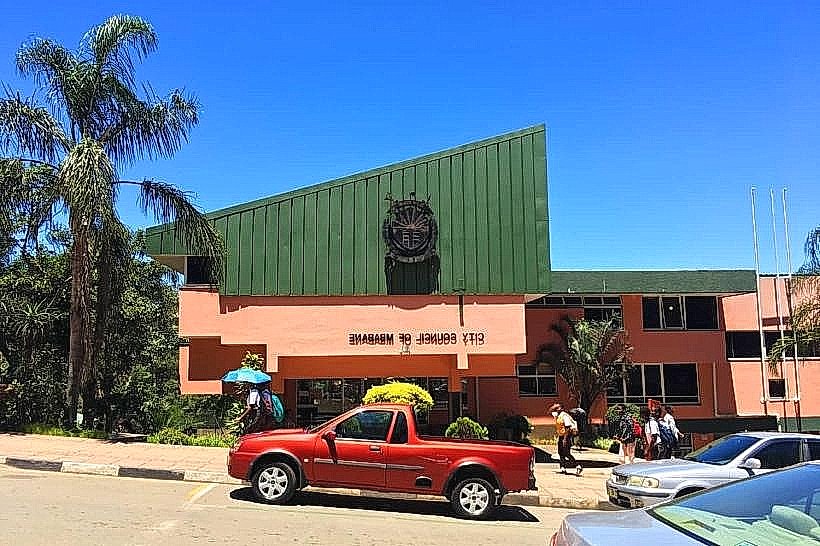
Mbabane City Hall - 0.6km Southwest
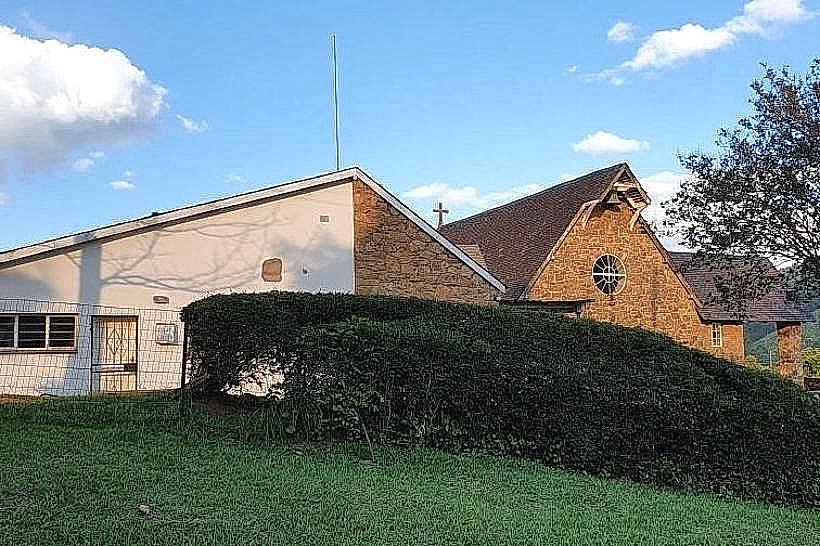
All Saints Cathedral - 0.8km Southwest