Landmark: Swaziland Theater Club
City: Mbabane
Country: Eswatini
Continent: Africa
Swaziland Theater Club, Mbabane, Eswatini, Africa
The Swaziland Theater Club is a long-standing cultural facility and independent performing arts venue located in the central administrative district of Mbabane, Eswatini. The site functions as a key historical hub for theatrical productions, musical performances, and creative community arts gatherings within the Hhohho region.
Visual Characteristics
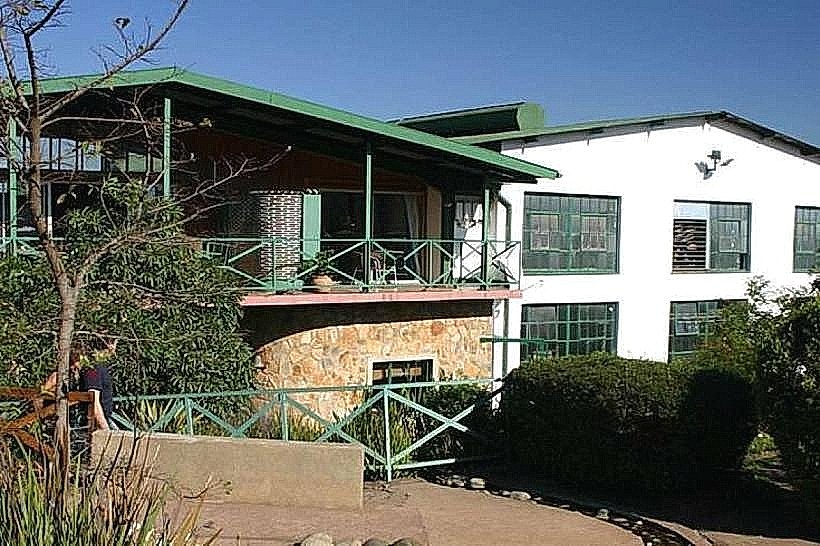
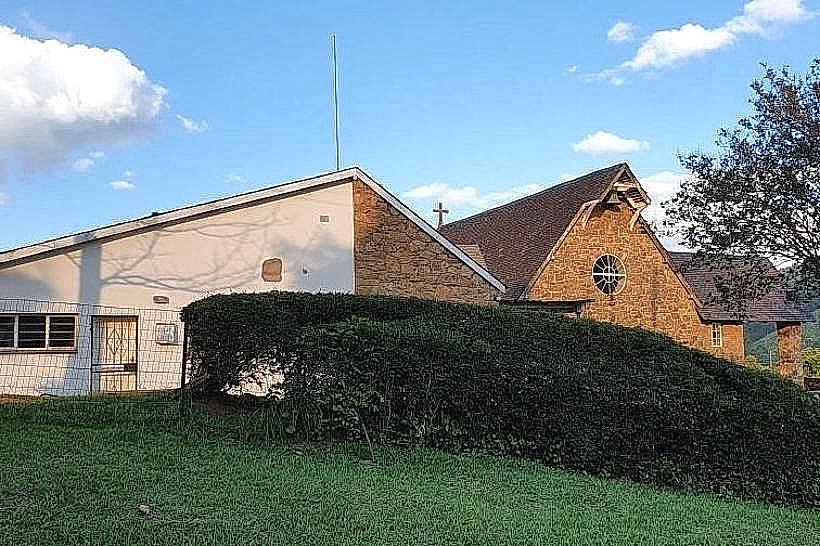
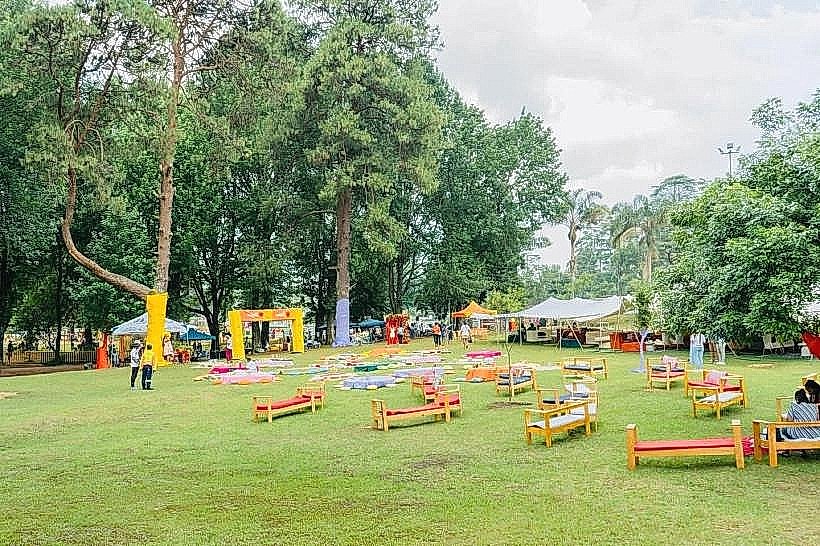
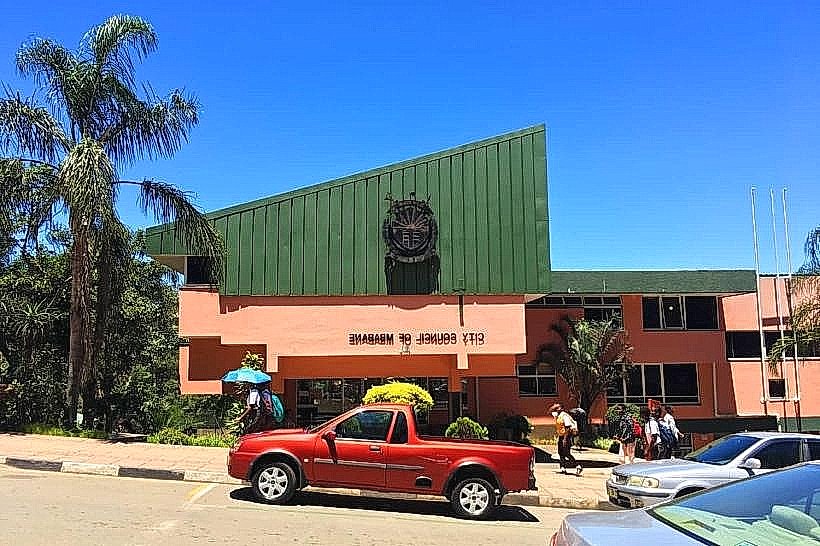
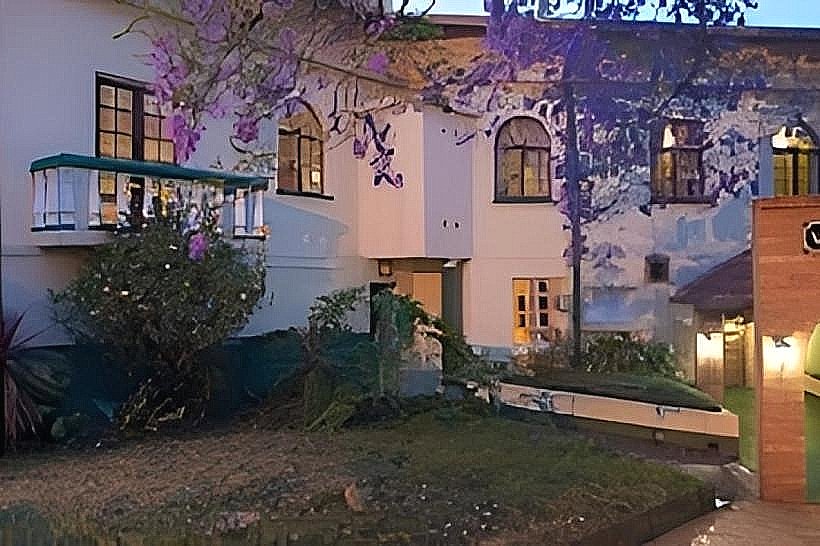
The landmark comprises a low-profile, mid-20th-century functional brick and mortar building topped with a multi-gabled corrugated iron roof system. The main auditorium interior is configured with raked wooden seating banks facing an elevated wooden proscenium arch stage equipped with overhead technical lighting bars. The exterior includes a low-walled concrete veranda, a small adjoining bar and social lounge area, and a flat asphalt courtyard surrounded by mature exotic and indigenous shade trees.
Location & Access Logistics
The facility is situated along a quiet municipal side street off the main commercial grid of Mbabane, approximately 0.8 kilometers north of the Swazi Plaza shopping precinct. Access is direct via the city's paved inner road network, connecting smoothly to major avenues like Allister Miller Street. Public transport is easily accessible, with local minibuses (kombis) dropping passengers at nearby central intersections, leaving a 5-to-10-minute walk to the club entrance. An unpaved, open gravel parking lot is available directly outside the main doors to accommodate private vehicles.
Historical & Ecological Origin
The theater club was founded during the mid-20th century under the British colonial administration to serve as an amateur dramatics and social venue for the growing expatriate and local civil service community in the capital. Over the post-independence decades, the institution transformed structurally and socially into a desegregated, multi-cultural space dedicated to promoting indigenous Swati playwriting, poetry, and contemporary musical theater. The physical structure is grounded within the highveld plateau ecozone, with the property maintaining a small, landscaped footprint composed of drought-resistant turf grass and regional montane flora.
Key Highlights & Activities
The primary activities center on attending live theatrical plays, musical concerts, stand-up comedy shows, and poetry slams hosted by regional production companies. The venue operates regular technical workshops for local stage designers, actors, and directors, and the adjoining lounge serves as a weekly meeting point for the capital's arts community. Self-guided observation of the interior historical photo galleries lining the bar walls provides a structural timeline of performing arts in the country.
Infrastructure & Amenities
The complex features basic urban infrastructure, including standard theatrical electrical circuitry, interior stage lighting boards, sound amplification setups, and centralized public restrooms. High-speed cellular network coverage (4G/5G) is completely stable across the indoor auditorium and exterior courtyard due to its downtown location. Financial transactions for ticket admissions and the licensed bar operate primarily on a physical cash basis, supplemented by digital mobile money transfer options during major public events.
Best Time to Visit
The facility operates on a variable schedule determined by production calendars, making Friday and Saturday evening performance windows between 18:00 and 22:00 the most practical times to visit. The dry winter months from May to August are optimal for comfortable indoor viewing, as the historical auditorium lacks centralized air conditioning and can become highly humid during the summer rainy season. Photography of the building's exterior and vintage signage is best executed in the late afternoon between 15:30 and 17:00 when soft, angled sunlight illuminates the front entrance.
Facts & Legends
During the mid-to-late 20th century, the club was one of the very few urban spaces in Mbabane where mixed-race audiences and cast members could legally interact and perform together, serving as an unintended bastion of early social integration. Local theatrical lore maintains that the backstage dressing rooms are occasionally visited by the benign spirit of an early colonial stage manager, with contemporary actors attributing sudden, unexplained technical lighting flickers or missing props to this persistent institutional myth.
Nearby Landmarks
Coronation Park - 0.5km Southeast
Mbabane Mall - 0.6km South-Southeast
Mbabane Market - 0.8km South
Swazi Plaza - 0.8km South
Hilton Garden Inn Mbabane - 1.0km South-Southwest