Landmark: Waterford Kamhlaba
City: Mbabane
Country: Eswatini
Continent: Africa
Waterford Kamhlaba, Mbabane, Eswatini, Africa
Waterford Kamhlaba United World College of Southern Africa is an international co-educational boarding school located on a high-altitude mountain ridge overlooking Mbabane, Eswatini. Founded in 1963 as a direct response to the apartheid education policies of neighboring South Africa, it stands as one of the oldest multi-racial educational institutions on the African continent.
Visual Characteristics
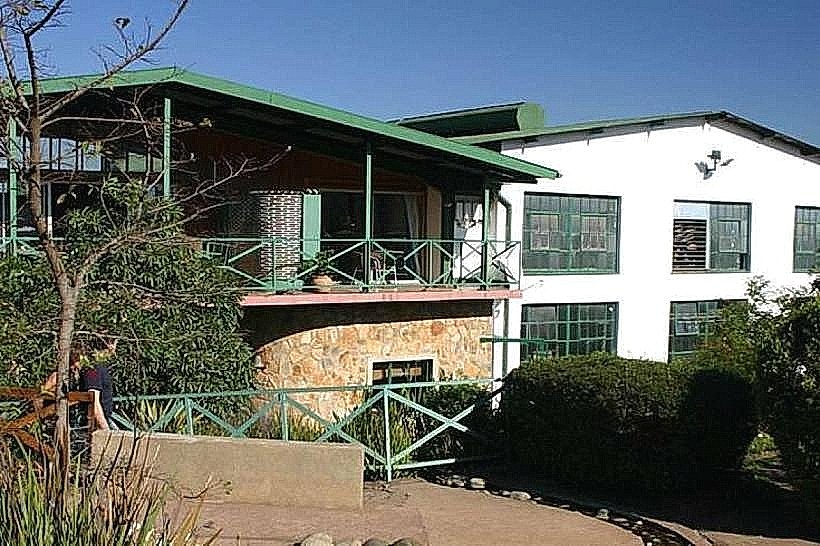
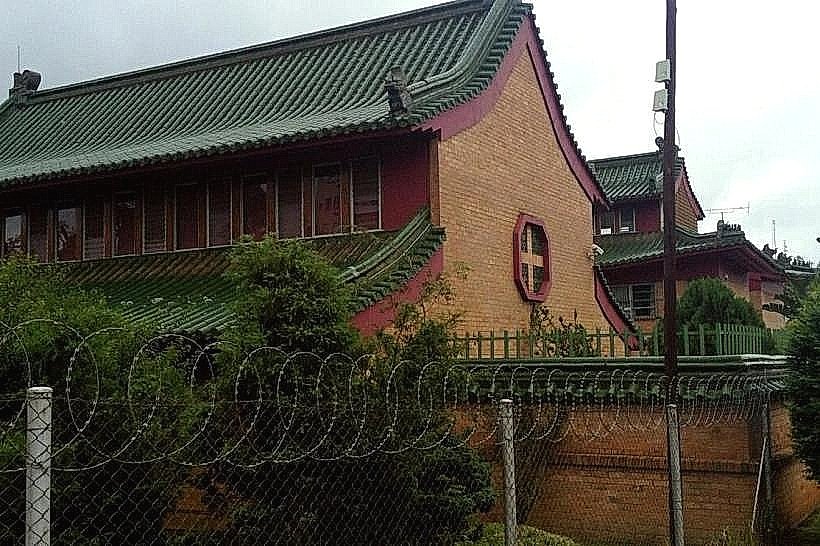
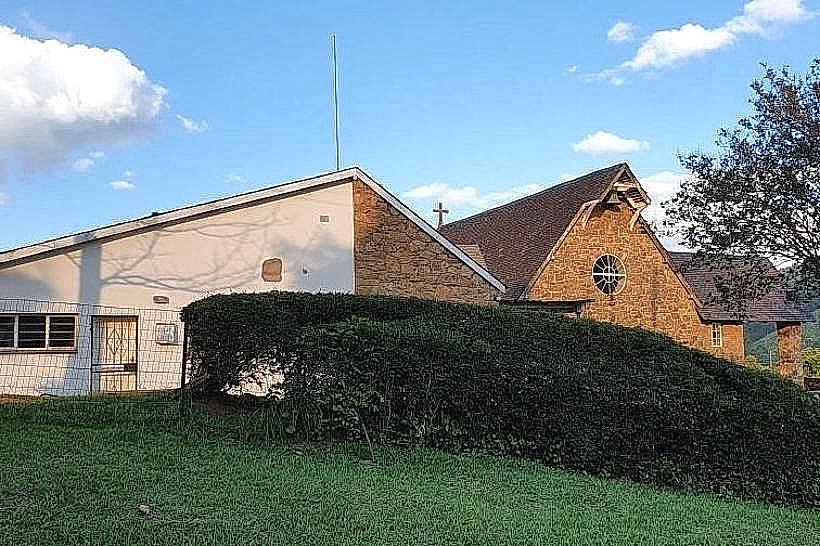
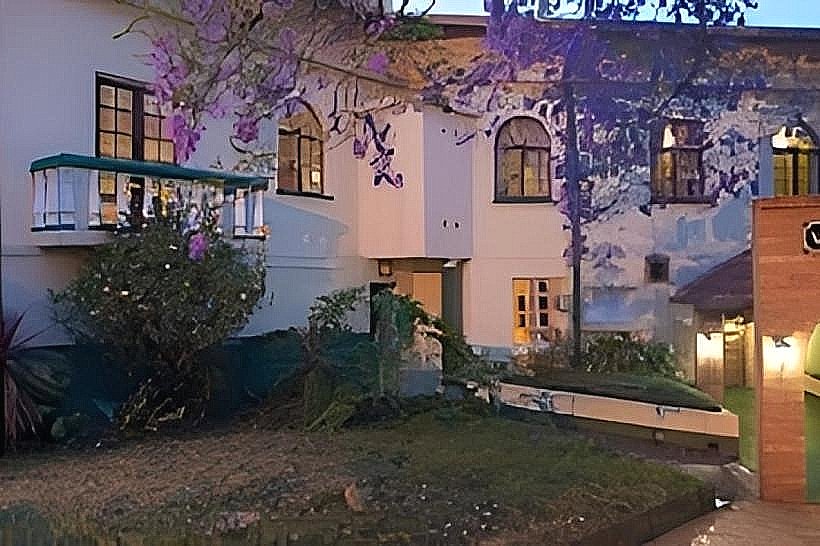
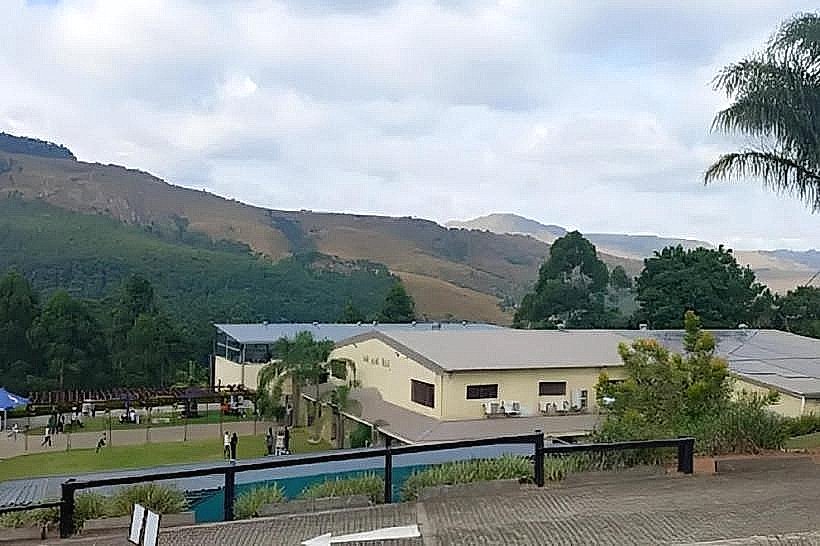
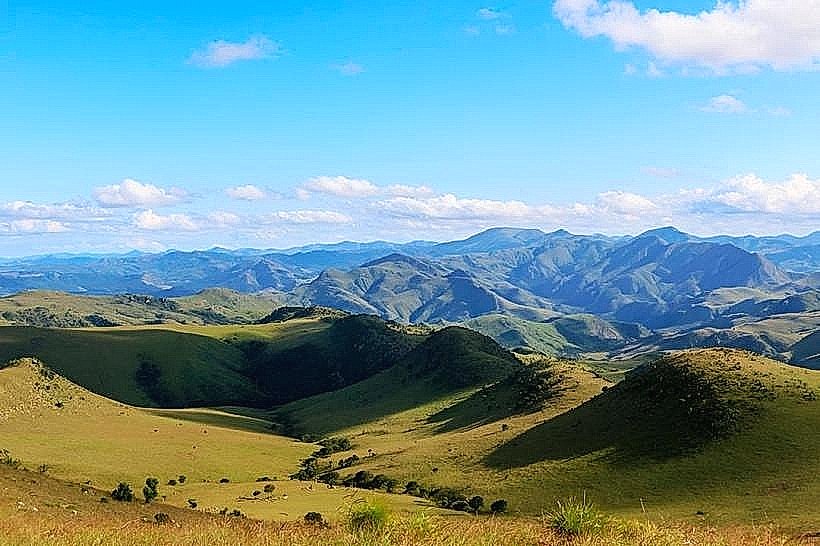
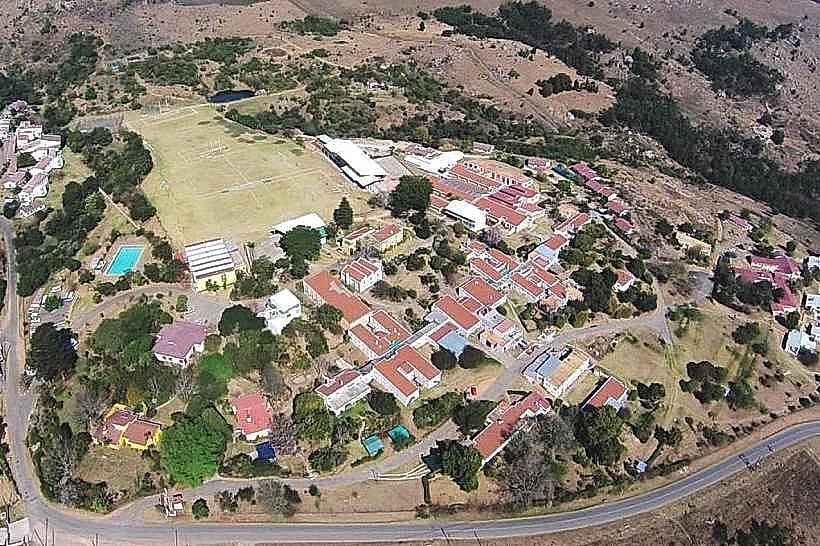
The 40-hectare campus features a modernist architectural style characterized by single and double-story face-brick buildings, low-slung corrugated iron roofs, and extensive use of local granite stone masonry walls. The structures are arranged across steep, terraced mountain slopes connected by uncovered concrete stairways and paved stone paths. The landscape is heavily vegetated with mature eucalyptus, pine, and indigenous highveld trees, featuring open grass sports fields and manicured quadrangle gardens that contrast with the rugged, rocky mountain backdrop.
Location & Access Logistics
The institution is situated on Sidvokodvo Hill in the mountain ridges northwest of the city center, approximately 4.5 kilometers from the Mbabane central business district. Access is achieved via a steep, winding, partially paved mountain road known as Waterford Road, which climbs directly from the lower valley residential areas. Public transport via local minibuses (kombis) does not service the upper hill directly; passengers must take transport to the base of the hill along the Pine Valley area and ascend the final 2 kilometers on foot or via private taxi. Secure parking areas are located inside the gated and guarded main campus entrance.
Historical & Ecological Origin
The school was established in 1963 by British educator Michael Stern to provide an integrated, high-quality secondary education for students of all races, directly defying the institutionalized segregation of the era. In 1981, it joined the United World College movement and was named "Kamhlaba" by King Sobhuza II, a siSwati term translating to "of the world" or "a miniature world." Ecologically, the high-altitude campus sits within a mist-belt montane ecosystem, managing a preserved hillside catchment area that protects localized soil profiles and supports native bird populations.
Key Highlights & Activities
The campus primarily functions as an active academic facility, housing classrooms, science laboratories, a centralized library, and student residential dormitories. Authorized educational visits include self-guided or student-led architectural and historical tours of the original classroom blocks and the campus amphitheater, which has hosted prominent global figures. The school serves as a testing center for the International Baccalaureate (IB) diploma program, and the surrounding mountain trails are utilized for cross-country running and ecological field studies.
Infrastructure & Amenities
The facility features highly developed institutional infrastructure, including centralized modern restrooms, academic lecture halls, an indoor dining hall, an auditorium, and a multi-sport swimming pool complex. High-speed fiber-optic Wi-Fi and cellular network coverage (4G/5G) are fully active across all academic and residential zones. While there are no public commercial food vendors on the secure property, basic refreshments can be found at the student-run tuck shop, and comprehensive commercial amenities are located a 10-minute drive down the mountain in central Mbabane.
Best Time to Visit
The institution follows a strict academic calendar with distinct terms from January to November, making mid-week mornings between 09:00 and 12:00 during active term times the mandatory period for pre-arranged administrative visits. The dry winter months from May to August offer the clear atmospheric conditions necessary for panoramic photography of the Mbabane valley from the campus viewpoints. The summer months from November to February bring dense, low-hanging mountain fog and intense afternoon downpours that can severely restrict driving visibility on the steep mountain access road.
Facts & Legends
Waterford Kamhlaba has historically educated the children of several prominent anti-apartheid leaders, including the daughters of Nelson and Winnie Mandela, as well as the children of Archbishop Desmond Tutu, making it a critical intellectual sanctuary during the liberation struggle. A persistent campus tradition involves the preservation of the "Michael Stern spirit," with an old institutional custom dictating that students and staff actively participate in mandatory community service projects across Eswatini to maintain a direct structural connection with the local population.
Nearby Landmarks
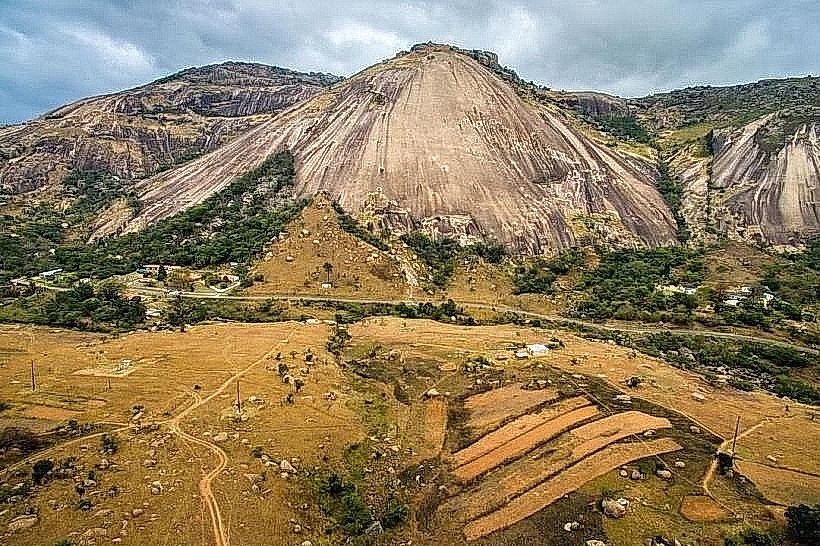
Pine Valley (Base of Sibebe Rock) - 2.5km East
Sibebe Rock Trailhead - 3.2km East-Northeast
Swaziland Theater Club - 3.8km South-Southeast
Mbabane Market - 4.2km South-Southeast
Swazi Plaza - 4.4km South-Southeast