Landmark: Karonga Cultural & Museum Centre
City: Mzuzu
Country: Malawi
Continent: Africa
Karonga Cultural & Museum Centre, Mzuzu, Malawi, Africa
The Cultural & Museum Centre Karonga is a multifaceted paleontological, archaeological, and cultural institution located in the Karonga District within the Northern Region of Malawi. It is situated directly along the main M1 highway on the northwestern edge of Karonga township, approximately 1.5km from the Lake Malawi shoreline.
Visual Characteristics
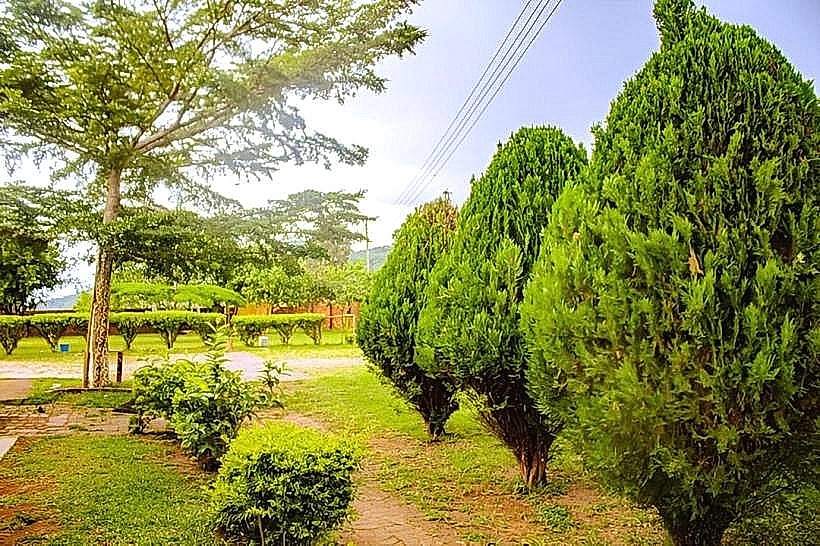
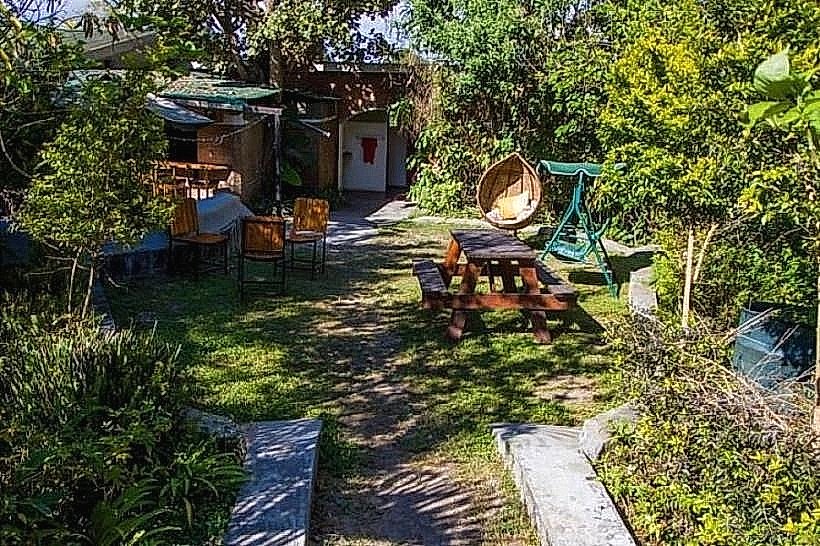
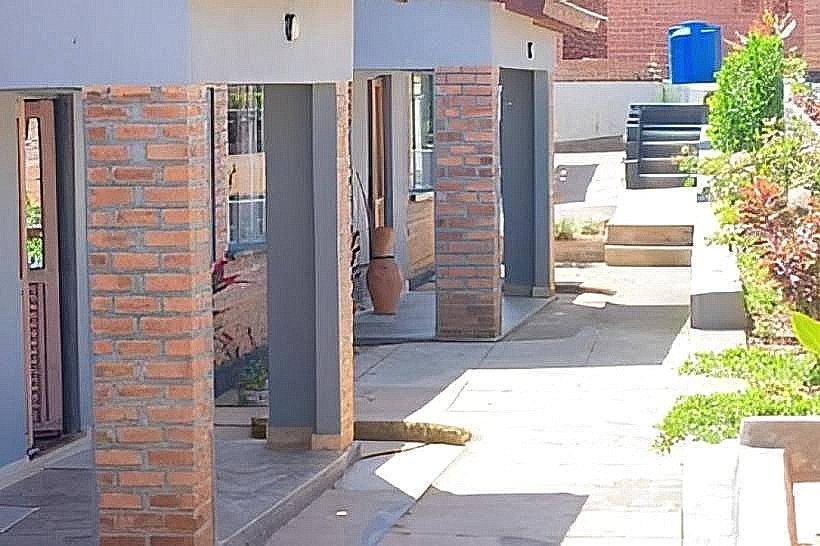
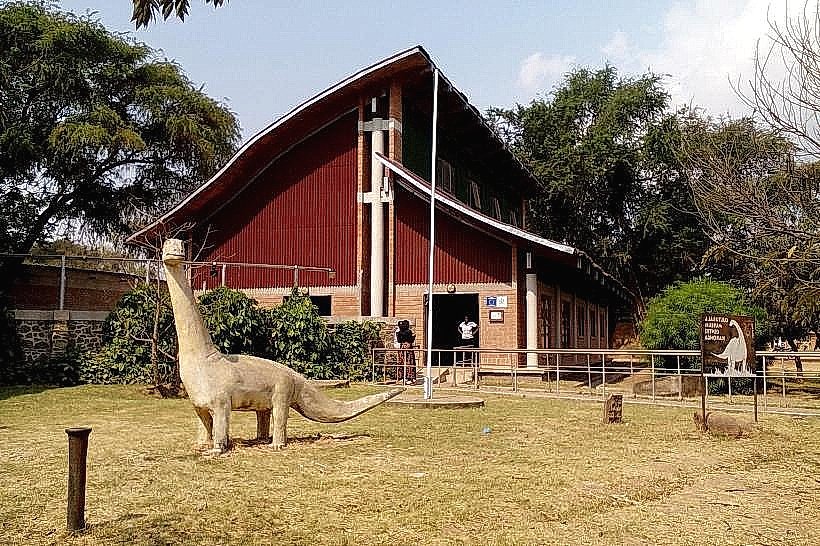
The landmark occupies an architecturally distinct building featuring a striking, sweeping roof structure constructed with Onduline sheeting and supported by an industrial steel-and-brick framing network. The organic geometric form of the facility was designed by British architect Kevin M. Davies to directly replicate the articulated skeletal curves and excavated bones of the Malawisaurus dixeyi sauropod dinosaur. The interior is divided into a massive, high-ceilinged central exhibition hall with polished concrete flooring and a semi-enclosed outdoor amphitheater area constructed from local brick masonry. The surrounding compound is enclosed by perimeter fencing and contains gravel pedestrian pathways winding through courtyards of compacted red soils and native trees.
Location & Access Logistics
The center is positioned right off the paved M1 highway (the primary northern transportation route connecting Mzuzu to the Songwe border post with Tanzania). From the central Karonga roundabout or town market, the facility is accessible via a 2-minute drive or a 1.2km walk heading south-southwest along the paved highway shoulder. Standard light vehicles, large overland tour buses, and heavy commercial cargo vehicles can access the site gate seamlessly and utilize the dedicated, unpaved gravel and dirt parking apron located directly in front of the main entrance. Public minibuses and shared taxis operating between Mzuzu, Chilumba, and Karonga pass the entrance continuously, dropping passengers within a 50m walking radius of the primary gate checkpoint.
Historical & Ecological Origin
The establishment of the repository commenced in 2004 under a joint public-private partnership between the Malawi Department of Antiquities, the Uraha Foundation Malawi, and international donors including the European Union and GTZ. The facility was officially inaugurated in November 2004 by then-President Bingu wa Mutharika to serve as a secure regional research base and public repository for the vast array of fossils unearthed in the Karonga Rift Valley. Geologically, the surrounding district contains the renowned late Jurassic-early Cretaceous "Dinosaur Beds" and late Pliocene-early Pleistocene sedimentary strata, which were exposed through systemic tectonic faulting along the East African Rift System.
Key Highlights & Activities
Guided educational tours are conducted through the permanent central gallery layout titled From Dinosaurs to Democracy, which comprehensively traces 240 million years of regional history. Viewing the Malawisaurus dixeyi Fossil Specimen is the primary highlight, showcasing a full-scale skeletal reconstruction of the 130-million-year-old titanosaur sauropod excavated 45km south of the museum site. Examining the Hominid Corridor Research Project Collection allows visitors to observe authentic hominid jaw fragments and stone tool assemblages dating between 1.6 and 4 million years old. Independent historical analysis can be conducted at the Mlozi Slave Trade Records Archive, which details the late 19th-century battles between British forces and Swahili-Arab slave traders in Karonga. Traditional dance, choral music, and community theater performances are staged regularly within the cultural activity area and amphitheater.
Infrastructure & Amenities
The facility features standard municipal public utilities, including integration into the national electricity grid and running municipal water supply lines. Public flushing restrooms are maintained within the central administrative block. Natural shade is sparse on the open gravel entryways but heavily available beneath the deep veranda overhangs of the main building structure and within the amphitheater seating zones. No commercial restaurants operate inside the high-security gates, though small community tuck shops selling beverages are located immediately adjacent to the highway fence. Cellular phone service (4G) via regional providers is strong, stable, and completely functional across all internal exhibition rooms and outdoor courtyards.
Best Time to Visit
The institution operates as an all-weather indoor facility open year-round from Monday to Saturday (08:30 to 17:00) and Sunday (13:00 to 17:00), making it fully accessible regardless of outside weather conditions; however, the dry season months from May to October provide optimal outdoor travel conditions. Mid-morning between 09:30 and 11:30 represents the best time of day for low visitor density and clear interior photography, as natural sunlight entering through the high architectural skylights cleanly illuminates the central Malawisaurus reconstruction without generating severe glare across the glass artifact cases.
Facts & Legends
A verified scientific oddity of the collection is that the Malawisaurus bones displayed in the museum share near-identical anatomical structural markers with fossil remains discovered in modern-day Brazil, providing conclusive paleontological evidence utilized by international geologists to map the exact historical fragmentation line where the supercontinent Gondwana split apart during the Cretaceous period. A practical tip for visitors is to request the curator to show the specialized Living Legends Exhibition, which houses rare oral history records and personal artifacts belonging to the northern region freedom fighters who organized early resistance movements against colonial rule and the subsequent single-party dictatorial administration.
Nearby Landmarks
Karonga Roundabout Intersections – 1.1km North-Northeast
Karonga Freedom Monument – 1.3km Northeast
Karonga Central Market – 1.5km Northeast
Karonga District Hospital – 1.8km North
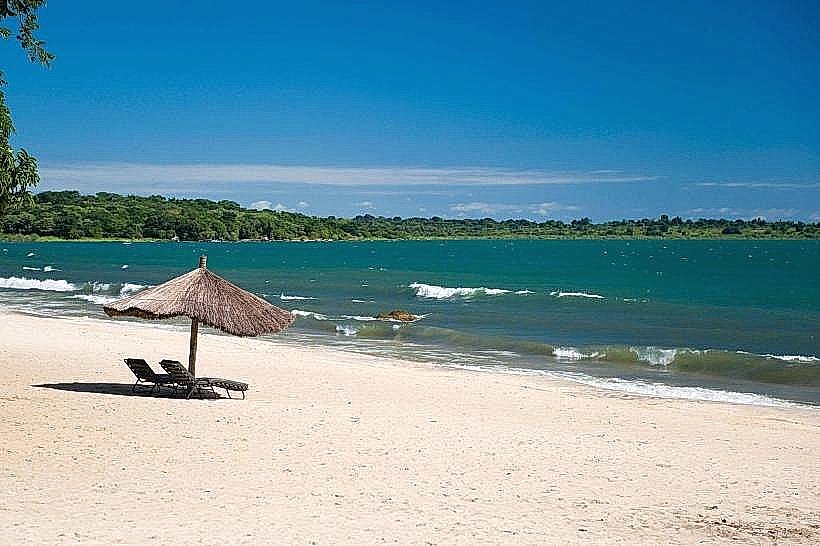
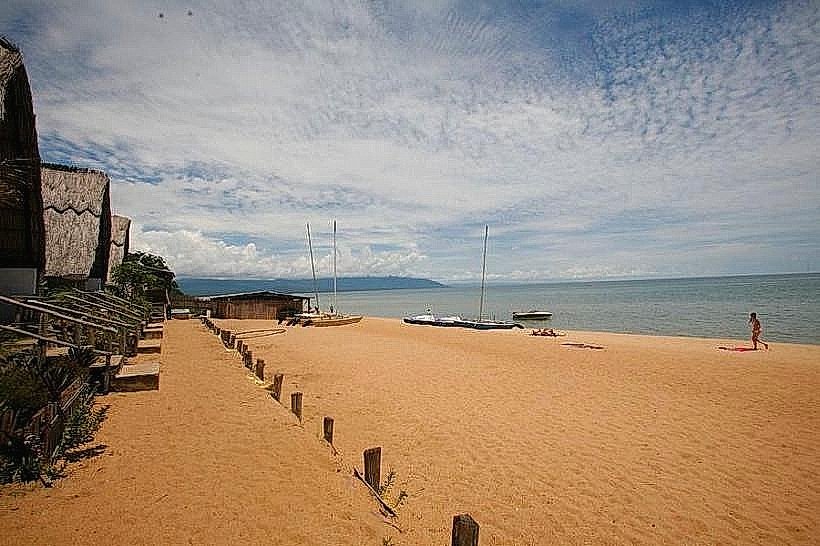
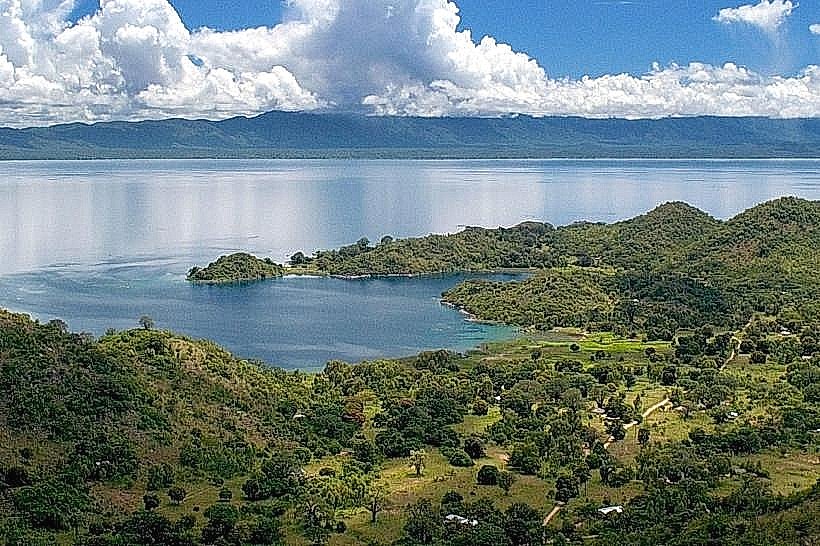
Lake Malawi North-Western Shoreline – 1.5km East