Landmark: Likoma Island
City: Mzuzu
Country: Malawi
Continent: Africa
Likoma Island, Mzuzu, Malawi, Africa
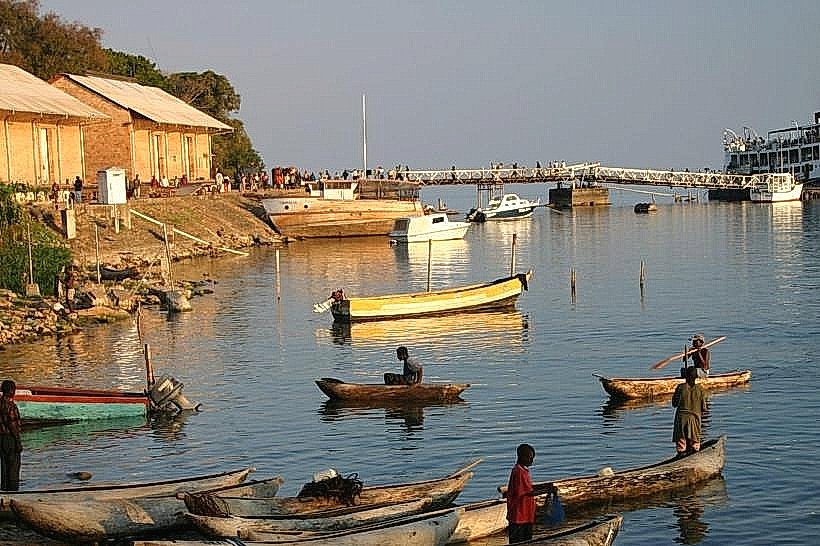
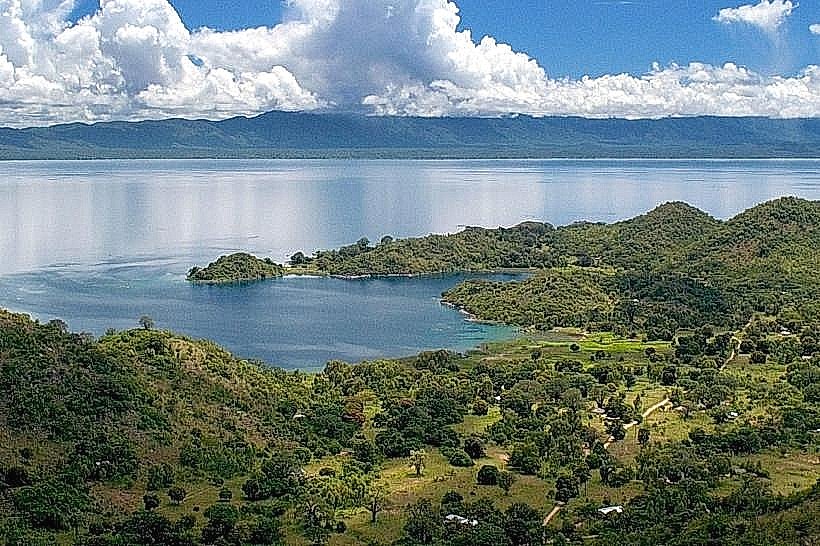
Likoma Island is an inhabited landmass located in the northeastern waters of Lake Malawi. It functions as an exclave of Malawi, completely surrounded by Mozambican territorial waters, positioned approximately 70km east of Nkhata Bay Port and 7km west of the Cobuè coast of Mozambique.
Visual Characteristics
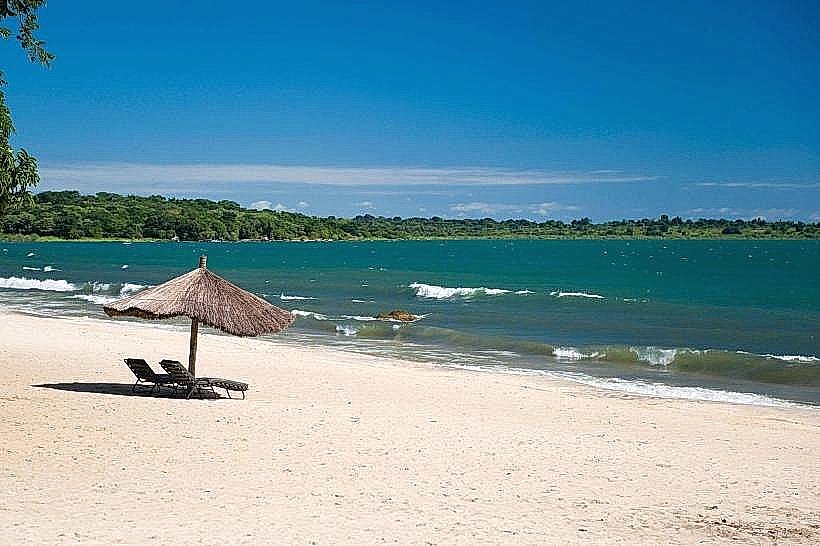
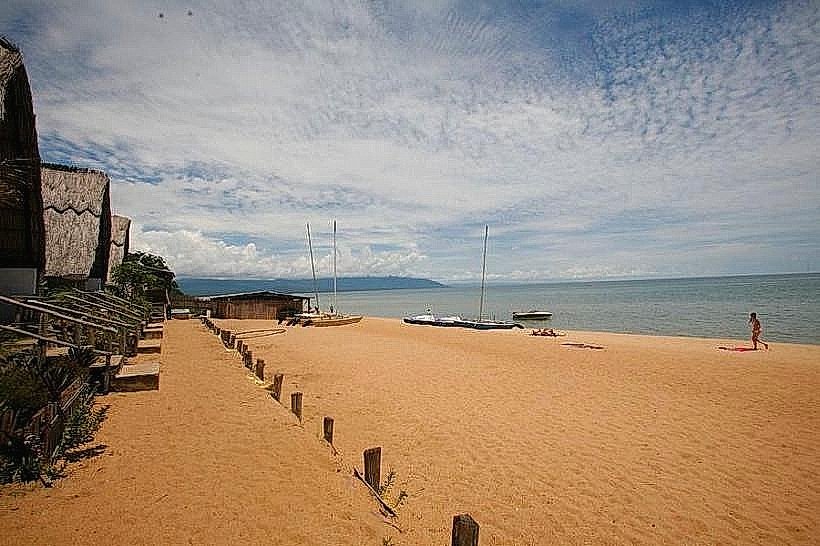
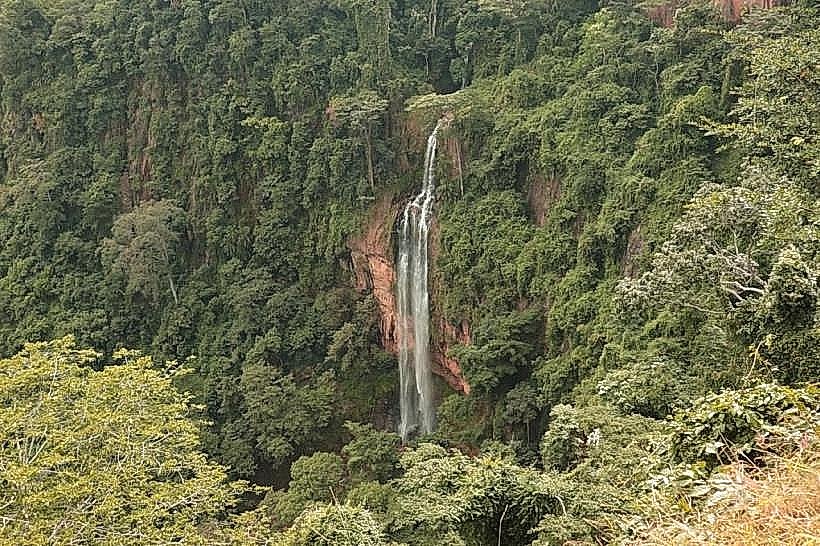
The landmark covers an area of 18 square kilometers, displaying a low, rocky, and undulating land profile. The terrain is dominated by vast, mature stands of African baobab (Adansonia digitata) and wild mango trees interspersed with dry, sandy savanna and granitic rock outcroppings. The coastline features a sequence of secluded bays composed of fine golden-white sand that slopes into highly transparent freshwater, which transitions from a light turquoise tone near the shore reefs to a deep blue color farther out into the lake basin.
Location & Access Logistics
Primary maritime access is achieved via the historic MV Ilala or modern passenger ferries departing from Nkhata Bay Port, a journey spanning approximately 6 to 8 hours across the open lake. Air transit is facilitated by Likoma Airport, situated in the central sector of the island, which features a single 1,135-meter asphalt runway configured for private charters and light turboprop aircraft originating from Lilongwe International Airport. Internal transit relies exclusively on unpaved dirt tracks and paths; light passenger vehicles are scarce, requiring visitors to navigate via local motorcycle taxis, bicycles, or foot travel. Paved parking infrastructures do not exist on the island.
Historical & Ecological Origin
The geopolitical configuration of the island was established in 1885 when the Universities' Mission to Central Africa, inspired by David Livingstone, positioned its regional anti-slavery headquarters on Likoma. Consequently, when national boundaries were drawn along Lake Malawi after World War II, the island was retained by the British Protectorate of Nyasaland (now Malawi) rather than assigned to Portuguese East Africa (now Mozambique). Ecologically, the isolated coastal shelf and rocky underwater reefs support an exceptionally dense population of endemic cichlid fishes (mbuna), which are highly protected within the surrounding freshwater habitats.
Key Highlights & Activities
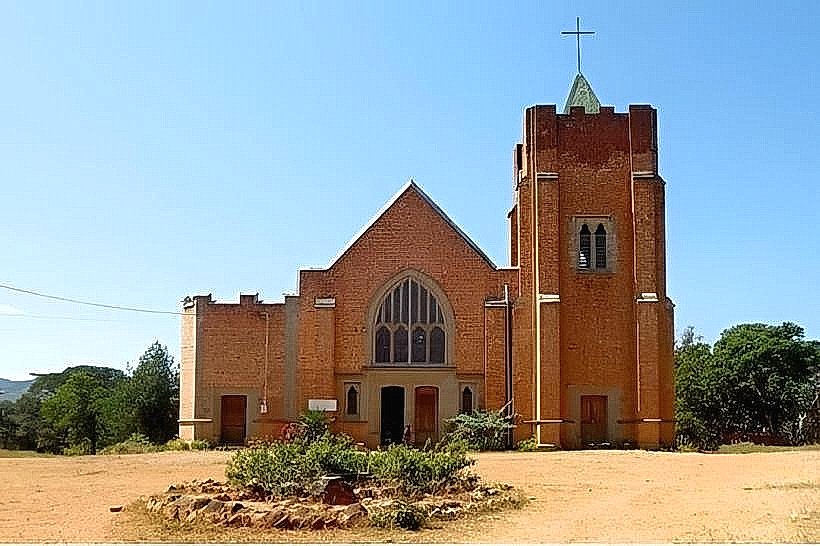
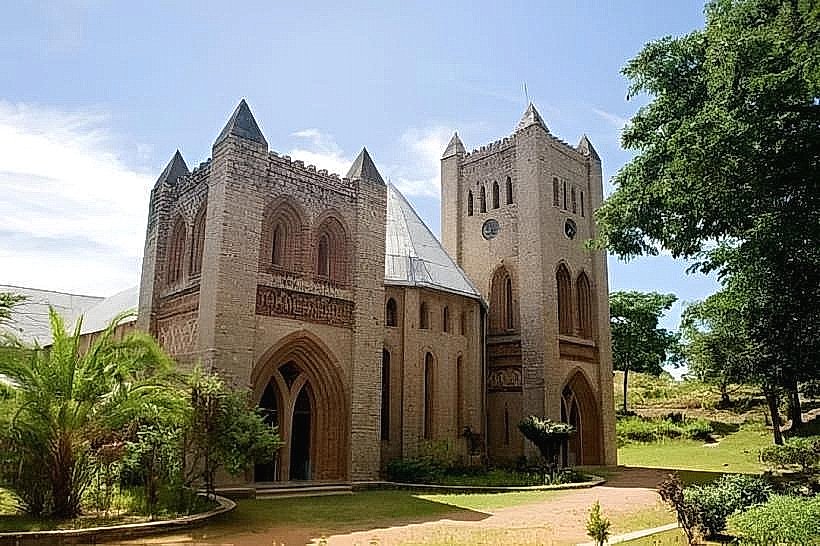
Architectural observation and cultural tracking are centered on St. Peter's Cathedral, a massive Anglican structure built from local granite and brick between 1903 and 1911. Freshwater snorkeling and scuba diving are conducted extensively along the rocky granite reefs of the western bays to observe underwater cichlid biodiversity. Artisanal workshop tours are available at the Katundu workshop, where local craftspeople produce sustainable textiles and home decor utilizing recycled materials. Walking tours cross the compact island terrain to access viewpoints overlooking the Mozambican escarpment.
Infrastructure & Amenities
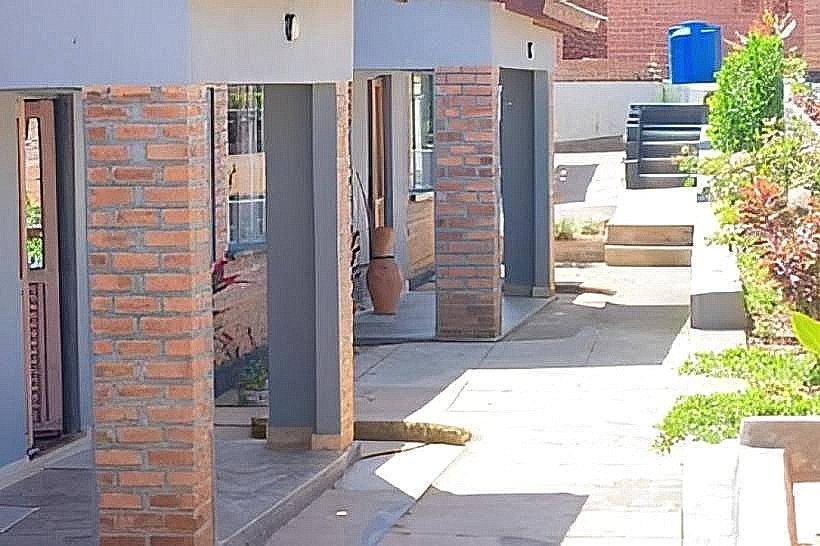
The island possesses localized, low-density tourist infrastructure concentrated around scattered eco-resorts, lodges, and budget camps that provide private flushing toilets, solar showers, and independent dining facilities. The main town area houses basic administrative offices, a post office, and small community grocery shops. No municipal water grids or large commercial fuel stations exist, and electricity is derived from a localized solar-diesel hybrid plant. Natural shade is abundant beneath the large mango and baobab canopies. Cellular phone service (4G) is functional near the central settlement and western beaches but fluctuates significantly along the eastern rocky ridges.
Best Time to Visit
The dry winter season from May to October represents the optimal period for travel, ensuring calm lake waters for boat crossings, clear dirt roads, and minimal mosquito activity. Early morning hours from 05:30 to 07:30 offer the best conditions for landscape and architectural photography, illuminating the granite masonry of the cathedral and providing mirror-like lake surfaces before afternoon southwesterly winds generate wave action. The wet season from November to April brings high thermal humidity, frequent intense lake storms, and irregular ferry schedules.
Facts & Legends
A verified historical oddity of St. Peter's Cathedral is that its structural dimensions directly match those of Winchester Cathedral in England, yet it was constructed entirely by local labor utilizing island granite, sand, and hand-molded clay bricks transported without modern heavy machinery. A practical safety tip for visitors exploring the interior trails is to strictly verify the locations of local well shafts and avoid walking through thick grass clearings near the lakeshore after dark, as the dense shoreline vegetation serves as a nocturnal foraging ground for monitor lizards and small nocturnal snakes.
Nearby Landmarks
St. Peter's Cathedral – 1.9km South
Chizumulu Island – 10.5km Northwest
Mbamba Town Landing Site – 2.1km Southwest
Likoma Airport Terminal – 1.5km North