Country: Malawi
Continent: Africa
Malawi, Africa
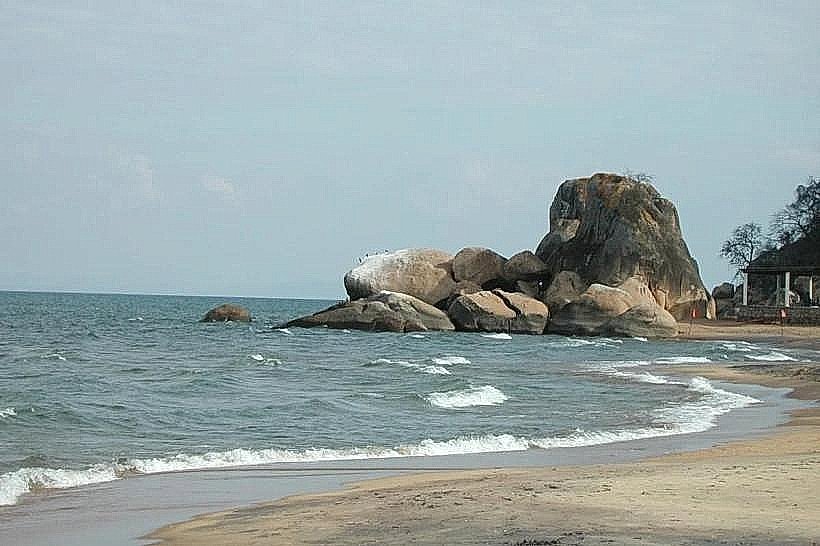
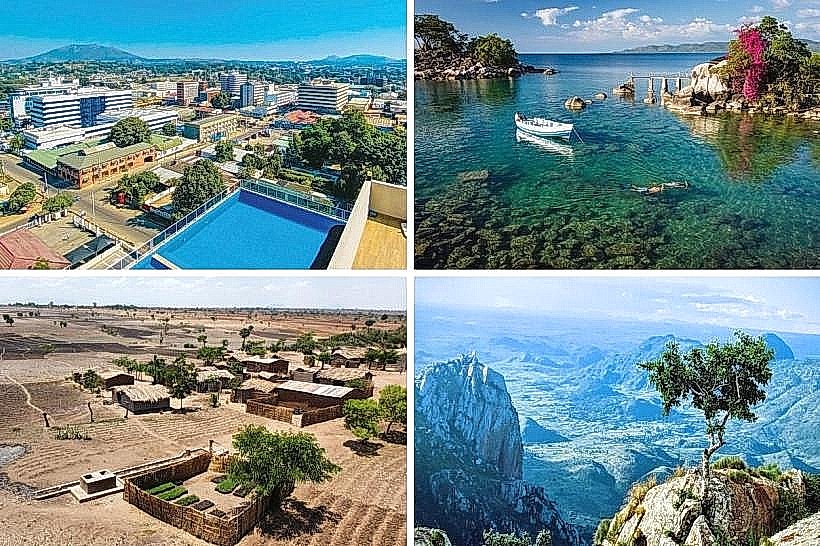
Malawi is a landlocked country located in southeastern Africa, bordered by Zambia to the west, Tanzania to the north and northeast, and Mozambique to the east, south, and southwest. The country's primary geographical defining feature is Lake Malawi, a massive freshwater body that spans approximately one-fifth of the national territory and dictates its climate, transport, and fishing industries, while the political and administrative hub is the capital city of Lilongwe.
History & Culture
Malawi gained independence from British colonial rule on July 6, 1964, establishing a one-party state under Hastings Banda until democratic transition protocols led to multi-party elections in 1994. The population is predominantly Christian (estimated at 77% of the citizenry, with Central African Presbyterian and Roman Catholic denominations being the largest), alongside a substantial Muslim minority composing approximately 14% of the population, mostly concentrated along the lakeshore regions. The primary national holiday is Independence Day, celebrated annually on July 6. Core social etiquette norms focus heavily on hierarchy and public decorum; direct confrontation is rejected in favor of indirect communication, elders must be addressed with respectful prefixes, and conservative clothing that covers knees and shoulders is expected outside major metropolitan commercial zones.
Language & Communication
The official language of Malawi is English, which serves as the language of administration, law, higher education, and formal commercial enterprise. English proficiency is medium within urban centers, government agencies, and the hospitality sector, but transitions to low across rural interior populations. Chichewa (also known as Nyanja) is the dominant national dialect spoken natively by over half of the population and understood across most regions, while Chitumbuka serves as the primary regional tongue in northern territories.
Population & Economy
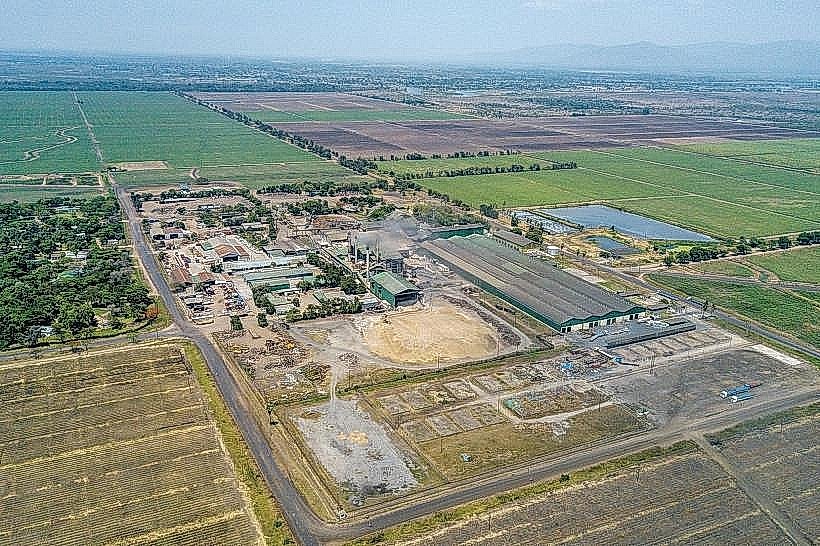
The national population is estimated at approximately 21.5 million residents, characterized by a heavily rural distribution where approximately 82% of citizens reside in non-urban agricultural zones and 18% occupy urban areas. Malawi's economy relies on three primary export commodities: tobacco (which accounts for over 50% of total export revenue), tea, and raw sugar. The gross domestic product (GDP) per capita sits at approximately $520 USD, with the agricultural sector driving the labor market by employing more than 75% of the active workforce through a combination of commercial estates and smallholder subsistence farming.
Visa & Entry Policy
The Department of Immigration and Citizenship Services permits nationals from major passport-holding entities-including the European Union, the United States, and the United Kingdom-to secure entry via an official e-Visa portal system (evisa.gov.mw) or a Visa on Arrival scheme at designated border points. While the reinstatement of Visa on Arrival capabilities has streamlined options, regulatory authorities strictly enforce the documentation process; travelers must present a passport valid for six months beyond arrival, a printed copy of the approved e-Visa or accommodation details, and proof of onward travel. Border inspections are meticulous regarding entry stamps and duration limits.
Currency & Payment Systems
The legal tender is the Malawian Kwacha (currency code: MWK). The economic framework operates entirely on a cash-is-king model outside major commercial hotels, high-end lodges, and corporate supermarkets in Lilongwe and Blantyre, where electronic payment terminals accept international credit cards. Automated Teller Machines (ATMs) are readily available within urban bank branches but become extremely scarce to non-existent in rural administrative districts and national parks, making cash reserves mandatory when leaving cities.
National Transport Grid
Intercity transit relies primarily on road infrastructure, as the national rail network is restricted to freight corridors and limited domestic passenger paths linking southern hubs. Travelers move between major cities using scheduled, long-distance luxury buses operated by prominent providers such as Sososo Car and Executive Coaches, alongside a dense network of informal mini-buses for localized transit. Domestic aviation connects the major international hubs through scheduled flights operated by Malawian Airlines between Lilongwe and Blantyre, alongside private charter flights serving remote wilderness airstrips.
Digital Infrastructure
Mobile telecommunications are dominated by two primary network providers: Airtel Malawi and Telekom Networks Malawi (TNM). While 4G network coverage is standard and highly reliable within the metropolitan borders of Lilongwe, Blantyre, Zomba, and Mzuzu, signal penetration degrades rapidly into weak or non-existent 3G/2G bands in deep rural geographies, mountainous topography, and low-lying lakeshore sectors.
Climate & Seasonality
Malawi experiences a sub-tropical climate divided into distinct wet and dry periods rather than traditional temperature zones. The dry season runs from May to October, featuring cooler conditions from May to August and intense heat throughout September and October. The wet season occurs from November to April, during which heavy tropical rains, high humidity, and elevated temperatures affect road navigation and logistics across both northern highland plains and southern river valleys.
Health & Safety
A Yellow Fever vaccination certificate is mandatory for entry if arriving from or transiting through an endemic country. The entire country sits inside a high-risk Malaria zone, requiring year-round chemoprophylaxis alongside physical measures to counter mosquito vectors, while schistosomiasis (bilharzia) is present in sections of Lake Malawi. For security or medical emergencies, the nationwide contact lines are 997 for Police services and 998 for Ambulance dispatch.
Top Major Regions & Cities
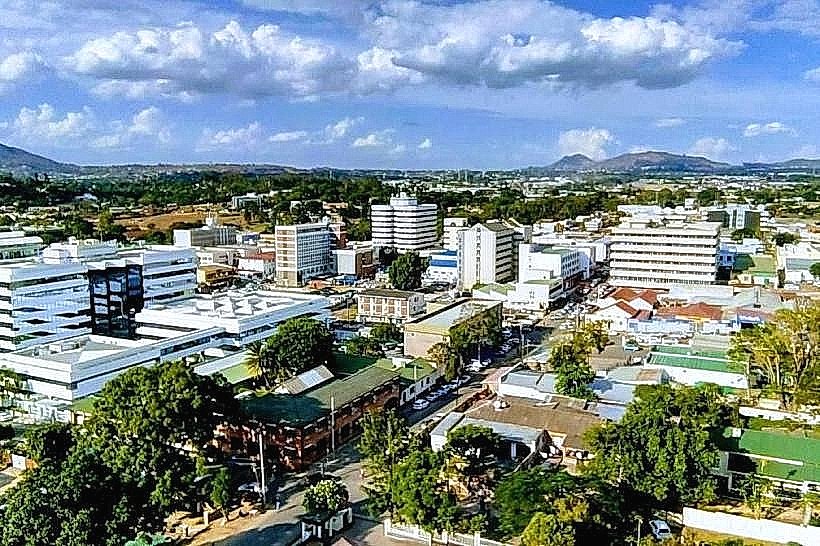
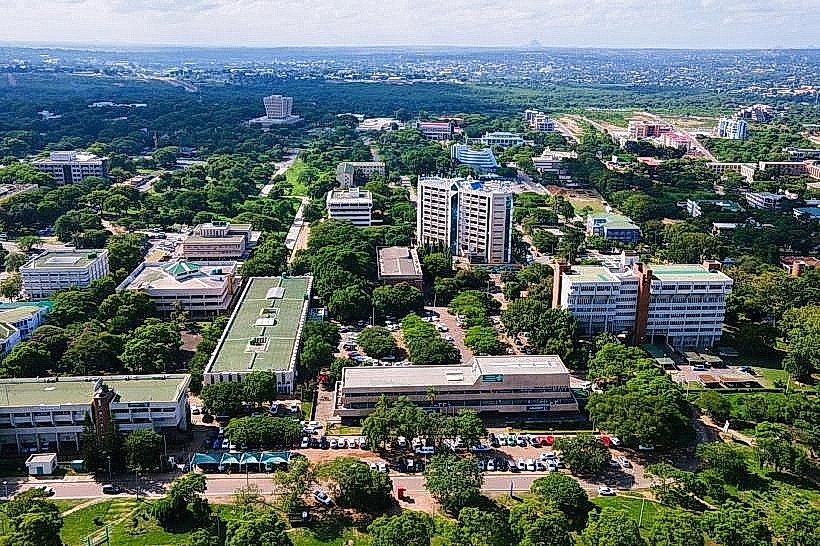
Central Region: Lilongwe (Primary city and governmental administrative center).
Southern Region: Blantyre (Primary city and commercial financial center).
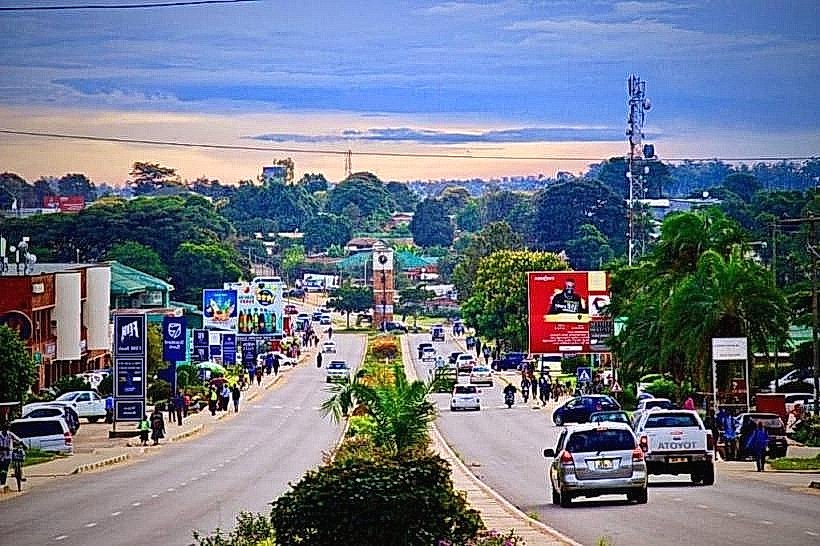
Northern Region: Mzuzu (Primary city and hub for Nyika Plateau and Vwaza Marsh).
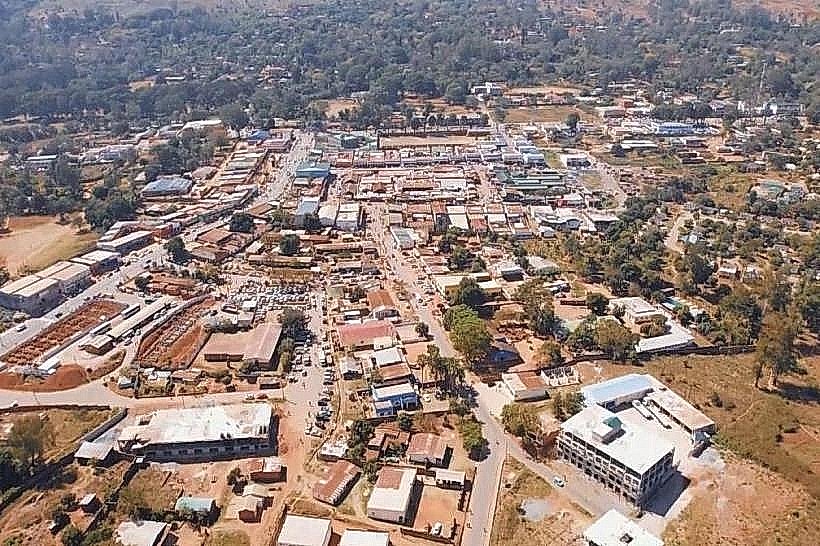
Lakeshore Region: Mangochi (Primary hub for southern Lake Malawi access and Cape Maclear).
Local Cost Index
1L Bottled Water: 1,200 MWK ($0.70 USD)
1 Domestic Beer (330ml): 2,500 MWK ($1.45 USD)
1 SIM Card with 5GB Data Plan: 8,500 MWK ($5.00 USD)
Facts & Legends
Geologically, Malawi sits directly on the southern branch of the East African Rift System, causing Lake Malawi to experience continuous tectonic activity that has dropped its floor down to 700 meters below sea level; this isolated environment has driven extreme evolutionary adaptation, resulting in the lake containing over 1,000 distinct species of cichlid fish-more than any other lake system on Earth-99% of which are entirely endemic to these specific waters.