Landmark: Nyika National Park
City: Mzuzu
Country: Malawi
Continent: Africa
Nyika National Park, Mzuzu, Malawi, Africa
Chinungu Mountain is a prominent granitic hill and hiking landmark located in the Mzimba District within the Northern Region of Malawi. It is situated approximately 2km from the main junction of Ekwendeni township and roughly 25km north of Mzuzu city center.
Visual Characteristics
The landmark presents a rugged, elevated dome structure composed primarily of heavily weathered granitic and syenite rock outcroppings. The slopes are characterized by a mosaic of coarse montane grasslands, low-lying shrubs, and pockets of dense indigenous bush wood. Soil layers at the base and along erosion channels display a distinct reddish-brown clay loam composition. The summit area offers unobstructed, 360-degree panoramic views overlooking the urban grid of Ekwendeni and the surrounding agricultural valleys.
Location & Access Logistics
The primary access route originates from Mzuzu city by traveling north along the paved M1 highway for approximately 23km to the main Ekwendeni town junction. From the junction, travelers turn onto an unpaved, gravel community road heading west for 2km toward the base of the mountain. While the gravel approach tracks are passable for standard light vehicles during dry conditions, high-clearance vehicles are recommended following rain events due to drainage ruts. Public minibus networks operating between Mzuzu and Karonga drop passengers directly at the Ekwendeni junction, where local motorcycle taxis (kabazas) can be hired to reach the primary trailhead clearance. There are no formalized or paved parking lots; vehicles park in dirt clearings at the foot of the hill.
Historical & Ecological Origin
Geologically, Chinungu Mountain is an ancient plutonic inselberg formed by sub-surface magma intrusions that were subsequently exposed through millions of years of progressive overlaying soil erosion. Historically, the mountain and its immediate surrounding foothills have been integrated into the cultural landscape of the Tumbuka people, serving as a prominent geographical marker during late 19th-century migrations and settlement phases. Ecologically, the landmass serves as a critical local water catchment node and functions as an isolated island habitat for specialized highland reptiles, insects, and birds amidst heavily cultivated agricultural plains.
Key Highlights & Activities
Trekking and rock scrambling are the primary activities along the steep, unmanaged footpaths that lead from the base to the rock crest. Landscape photography is highly favored from the upper granite ledges, especially during early morning or late afternoon hours when lighting minimizes haze across the valley floor. Bird watching is actively pursued along the brush lines, where visitors can observe localized high-altitude avian species, including raptors and rock-dwelling pipits.
Infrastructure & Amenities
The mountain operates as an undeveloped natural site with zero commercial or public tourist infrastructure. There are no built public restrooms, constructed shade pavilions, trash receptacles, or paved trail markers. No food, beverage, or equipment vendors operate at the base or along the trails, requiring complete visitor self-sufficiency for water and supplies. Natural shade is highly sparse along the exposed, rocky upper slopes. Cellular network signal (4G) remains strong and consistently stable across the entire ascent due to the mountain's direct proximity to the communication towers in Ekwendeni.
Best Time to Visit
The dry winter season spanning from May to October represents the optimal period for hiking, ensuring clear trail conditions and firm footing across the exposed granite slabs. Mid-morning (08:00 to 10:30) is the most favorable time of day for ascent photography, providing clear overhead lighting that illuminates the valleys before midday heat generates thermal haze. The rainy season months from November to April should be avoided, as the steep granitic rock faces become exceptionally slick, and frequent afternoon thunderstorms present a high risk of lightning strikes on the exposed summit.
Facts & Legends
A verified historical detail of the site is its proximity to the historic Ekwendeni Mission, established by the Free Church of Scotland in 1889, where early missionaries utilized the high-altitude viewpoint of Chinungu Mountain to map out regional school and hospital infrastructure lines. A practical tip for independent hikers is to wear thick-soled boots with high traction, as the lower slopes are covered in loose quartz scree and brittle granite fragments that easily slide underfoot during the descent phase.
Nearby Landmarks
Ekwendeni Mission Hospital – 2.1km East
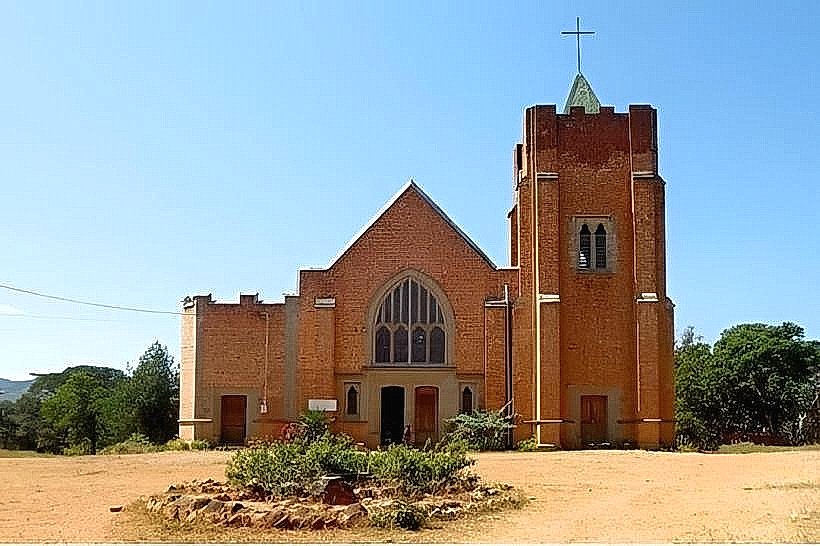
CCAP Ekwendeni Church – 2.3km East
Lunyangwa River Upper Tributary – 3.5km South
Dunduzu Roadblock Intersection – 11.2km South
Mzuzu Botanical Gardens – 23.4km South