Landmark: Vwaza Marsh Wildlife Reserve
City: Mzuzu
Country: Malawi
Continent: Africa
Vwaza Marsh Wildlife Reserve, Mzuzu, Malawi, Africa
Vwaza Marsh Wildlife Reserve is a protected conservation area located on the Central African Plateau in the Rumphi District of northern Malawi, stretching directly along the international border with Zambia. It is positioned approximately 130km northwest of Mzuzu city and roughly 30km west of Rumphi township.
Visual Characteristics
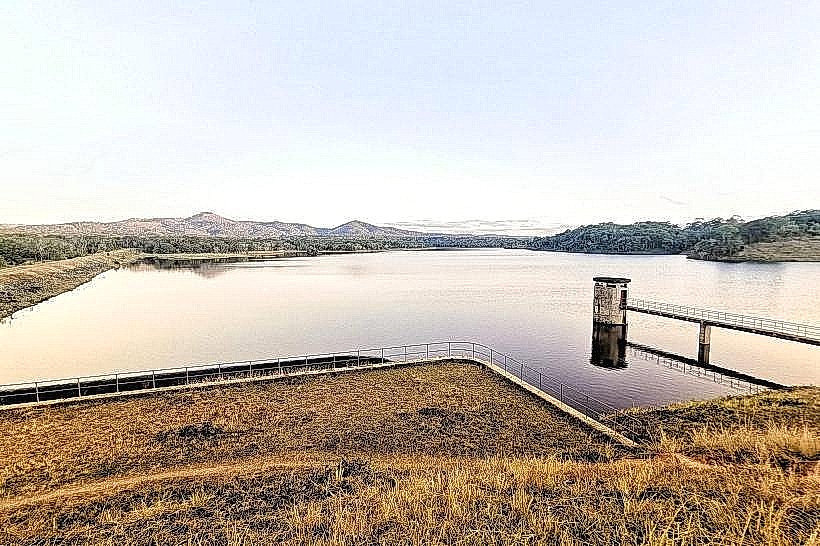
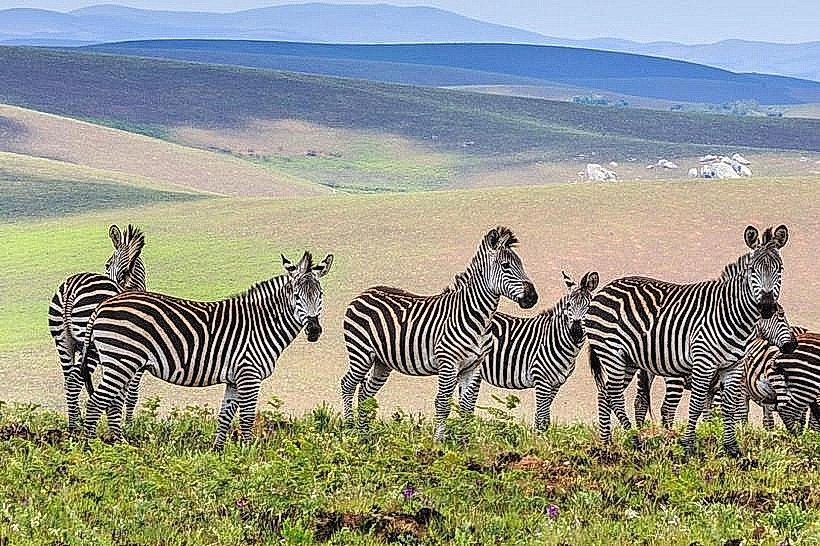
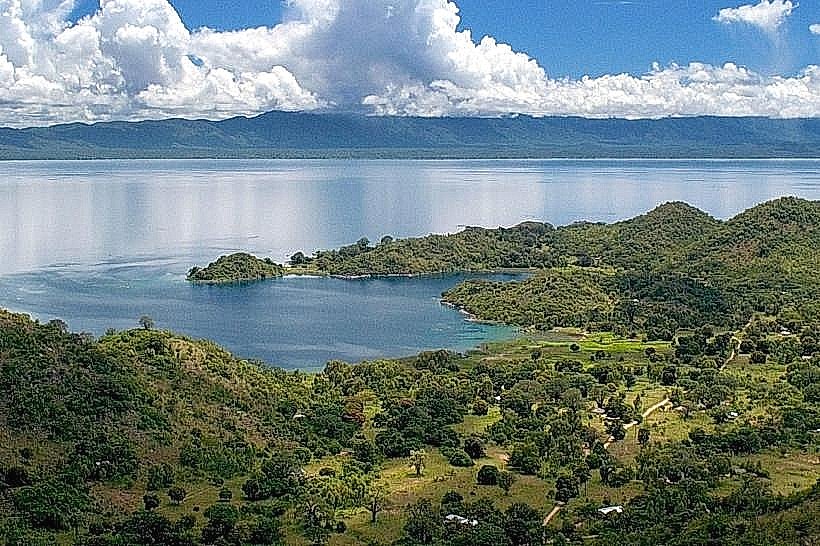
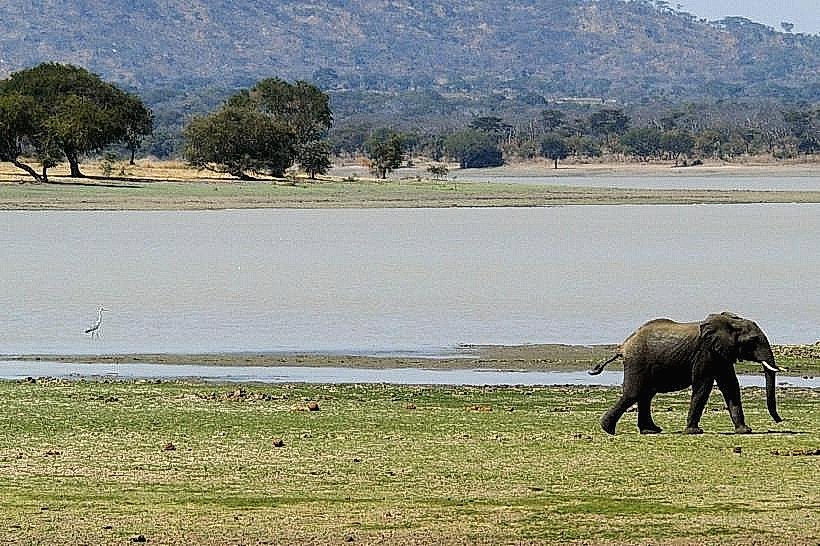
The landmark spans 986 square kilometers of a predominantly flat, low-lying peneplain situated between 1,000m and 1,200m above sea level. The terrain presents a mosaic of dense miombo and mopane woodlands, open alluvial grasslands, and vast, waterlogged marshlands across the northern and eastern zones. The southern entry sector is dominated by Lake Kazuni, a shallow, murky brown body of water bordered by soft mud flats, clay floodplains, and low wooden reed structures. Scattered granitic inselbergs and rocky outcroppings break the otherwise uniform, horizontal profile of the western plains.
Location & Access Logistics
The primary vehicle entrance and administrative gate are located at Kazuni Camp on the southern perimeter, accessed via the unpaved S103 road heading west from Rumphi township for approximately 30km. From Mzuzu city, drivers travel north along the paved M1 highway to the turnoff for Rumphi, then follow the unpaved corridor leading toward the reserve. The dirt tracks inside the reserve consist of black cotton clay and soft sand, requiring a high-clearance four-wheel-drive vehicle, especially during wet conditions. Local minibuses operate public transit routes from Mzuzu and Rumphi to the nearby village settlements, allowing pedestrian access within a short distance of the main entrance gate.
Historical & Ecological Origin
The reserve was initially established in 1941 as the Lake Kazuni Game Reserve before being formally expanded and gazetted in its current dimensions as the Vwaza Marsh Wildlife Reserve in 1976. In June 2023, the Government of Malawi entered a 20-year co-management agreement with the Peace Parks Foundation, integrating the reserve into the Malawi-Zambia Transfrontier Conservation Area. Ecologically, the wetland functions as an inland drainage sink fed by the Luwewe River routing water from the Nyika Plateau, and the South Rukuru River along the southern edge, sustaining the largest elephant population in northern Malawi alongside significant aquatic megafauna.
Key Highlights & Activities
Open-vehicle game drives are conducted along the limited southern track network to observe large mammal concentrations including elephants, African buffalo, puku, and roan antelope. Stationary wildlife viewing and photography are highly productive directly from the banks of Lake Kazuni, which hosts more than 300 resident hippopotamuses. Guided walking safaris are systematically executed by armed forestry scouts along the alluvial floodplains. Bird watching is a primary activity, targeting over 340 recorded species including the rare white-winged starling, Swainson's spurfowl, and wattled cranes.
Infrastructure & Amenities
The reserve features basic, low-intensity visitor infrastructure managed primarily at the Kazuni Safari Camp site near the main gate. Public amenities are limited to basic flushing toilets, cleared dirt campsites, and simple self-catering chalets. There are no commercial food vendors, restaurants, electricity grids, or fuel stations inside the reserve boundary, requiring total visitor self-sufficiency. Natural shade is dense beneath the riverine forest canopies but absent across the open alluvial flats. Cellular phone service (4G) is weak and intermittent near the entry gate and drops completely across the northern marsh interior.
Best Time to Visit
The peak period for wildlife viewing is the dry season from July to October, when natural bush thins out and large herds of elephants and buffalo gather reliably around Lake Kazuni. Early morning hours between 06:00 and 08:30 provide optimal directional lighting for waterfowl photography and cooler tracking temperatures. The rainy season from November to April should be avoided for vehicle safaris as the alluvial clay tracks become entirely impassable, though it represents the premier period for bird watching due to the influx of migratory species.
Facts & Legends
Archaeological excavations within the Vwaza basin have documented human activity dating back to the third millennium B.C., uncovering ancient burial grounds and iron-smelting furnaces tied to the early Phoka and Balowoka tribes who utilized the marsh as a key historical trade route. A practical safety tip for visitors camping near the southern lakeshore is to maintain absolute nocturnal vigilance, as elephant herds and pods of grazing hippopotamuses routinely breach the camp clearing lines after dark to forage along the immediate riverine borders.
Nearby Landmarks
Lake Kazuni – 0.1km North
South Rukuru River Channel – 0.4km South
Janda Hill – 14.5km North
Rumphi Township – 30.2km East
Thazima Gate (Nyika National Park) – 38.0km Northeast