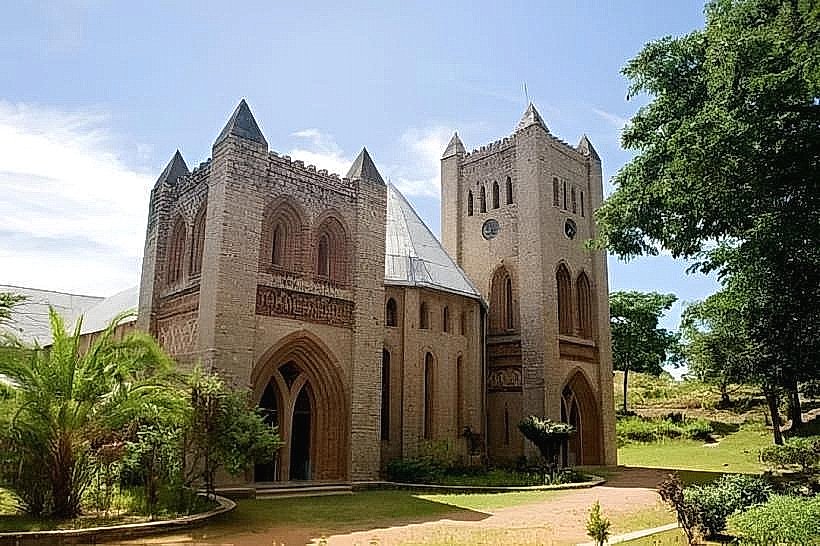
Landmark: Mzuzu Museum
City: Mzuzu
Country: Malawi
Continent: Africa
Mzuzu Museum, Mzuzu, Malawi, Africa
The Mzuzu Regional Museum is a cultural institution and regional archive located in the commercial heart of Mzuzu city in northern Malawi. It is situated within the Mzimba District, approximately 0.4km north of the central Taifa Market and west of the primary government administration blocks.
Visual Characteristics
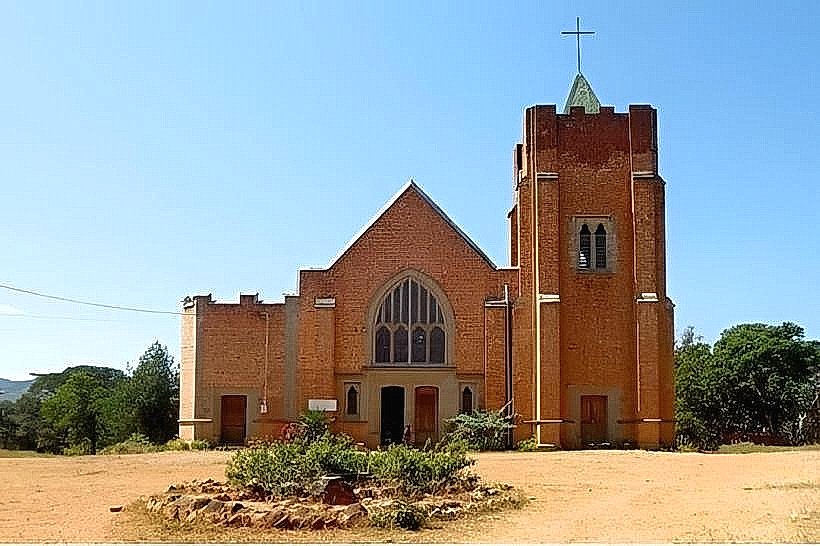
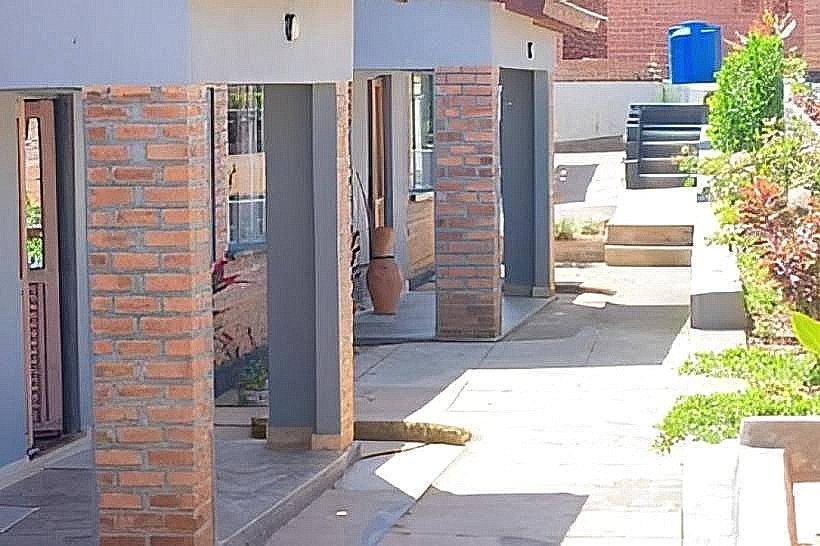
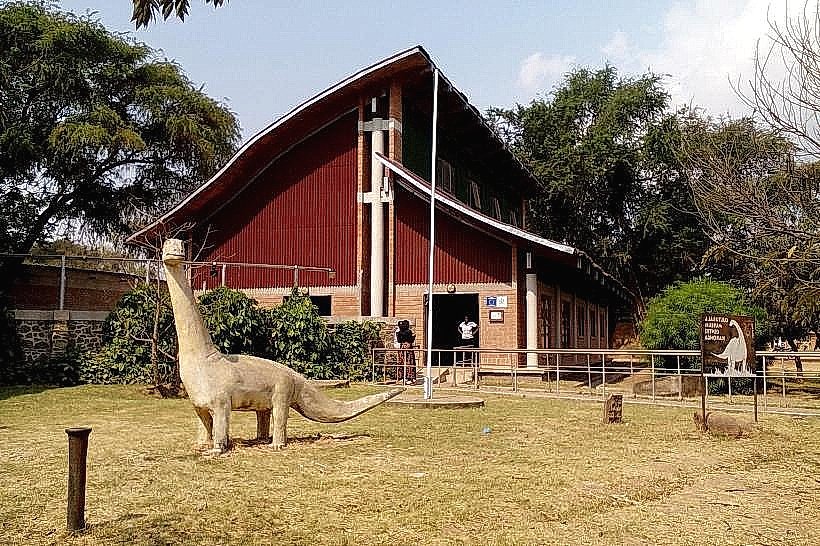
The landmark occupies a functional urban building complex featuring masonry brick walls, concrete support structures, and corrugated iron roofing. The exterior surfaces are finished in plain white or cream paint, aligning with standard regional administrative architecture. The interior consists of small, interconnected gallery spaces characterized by polished concrete floors, simple wooden and glass display cases, and spotlighting fixtures. Wall-mounted text panels, archival geographic maps, and historical photographic prints dominate the exhibition layout, interspersed with textile displays and freestanding ethnographic artifacts.
Location & Access Logistics
The museum is located directly in the central business district along M'mbelwa Road, which runs parallel to the main M1 highway artery. From the central Mzuzu clock tower intersection, the facility is accessible via a 5-minute walk or a 1km drive heading northeast along paved urban streets. Vehicles can utilize marked, unpaved dirt and gravel parking spaces located directly in front of the main building entrance. Public minibus transport routes operating along the main M1 highway drop passengers at the central bus depot, situated within a 400m walking radius of the site. Local motorcycle taxis provide direct access to the entrance steps.
Historical & Ecological Origin
The project to establish the repository commenced in 1985 and was officially opened to the public in 1986 under the management of the Department of Antiquities and the Museums of Malawi. It was designated as a regional museum to collect, preserve, and showcase the specific material culture, ethnography, and history of the diverse ethnic communities inhabiting the northern region of Malawi. Initial structural organization and acquisition phases were executed with financial and developmental assistance provided by the Canadian High Commission.
Key Highlights & Activities
Guided gallery tours are provided by on-site curatorial staff who detail the tribal migrations and governance systems of northern Malawi. Viewing the specialized Ethnographic Artifacts from Northern Malawi allows visitors to examine traditional weaponry, beadwork, and iron-smelting tools associated with the Tumbuka and Ngoni peoples. The Traditional Musical Instruments Collection features unique regional drums, gourds, and stringed instruments. Scholars and independent researchers systematically utilize the Colonial-Era Photographs Archive and the Malawi Railways Exhibit to trace the socio-economic transition of the northern province from the late 19th century onward.
Infrastructure & Amenities
The facility features standard urban public utility hookups, including municipal electricity grids and running water networks. Public flushing restrooms are available for visitors within the main administrative block. Natural shade is absent directly outside the street-facing building facade but available via deep concrete veranda overhangs. No food, beverage, or gift vendors operate inside the museum rooms, though numerous supermarkets, cafes, and local restaurants are positioned immediately outside the property along M'mbelwa Road. Cellular phone service (4G) is strong and consistently stable across all internal galleries.
Best Time to Visit
The institution is an indoor facility open year-round from 07:30 to 17:00, making it fully accessible regardless of outside weather conditions; however, the dry season months from May to October provide optimal urban walking conditions. Mid-morning (09:00 to 11:00) represents the best time of day for low visitor density, allowing quiet access to the audio and archival materials. For interior photography of artifacts, overhead afternoon light entering through the high perimeter windows optimizes visibility without casting deep shadows across the glass display cases.
Facts & Legends
A verified historical oddity regarding the museum is its inclusion of a rare audio archive featuring early 20th-century political folk songs and locally banned music cassettes, which were systematically suppressed during the mid-to-late 20th-century dictatorial administration to prevent regional counterculture mobilization. A practical visitor tip is to request access to the specialized Ngoni warrior regalia documentation, as the collection houses authentic leopard skins and feathered headpieces used during historical 19th-century tribal boundary conflicts that are rarely brought out for standard public rotation.
Nearby Landmarks
Taifa Market – 0.4km South
Mzuzu Golf Course – 0.8km West
Mzuzu Botanic Gardens – 2.1km Northwest
Mzuzu Nature Sanctuary – 4.6km East