Landmark: Stone House Museum
City: Mzuzu
Country: Malawi
Continent: Africa
Stone House Museum, Mzuzu, Malawi, Africa
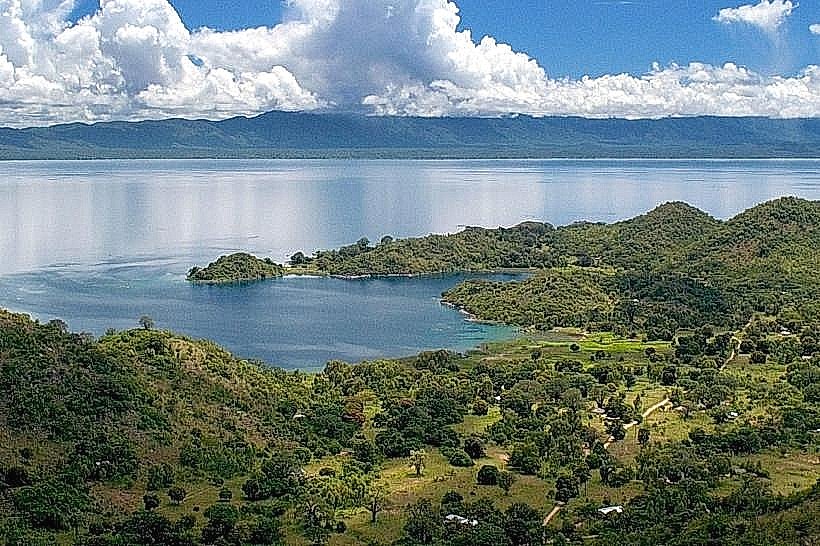
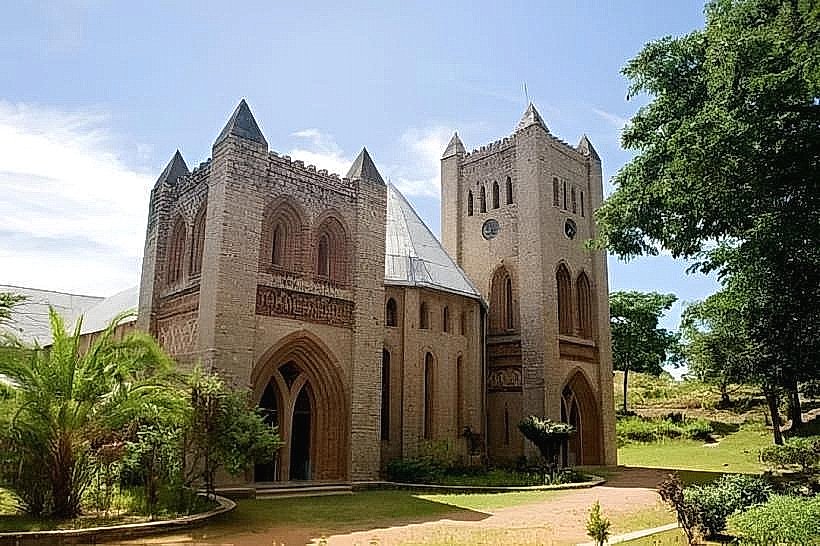
The Stone House Museum is a historical repository and architectural monument located on the Khondowe Plateau within the historic Livingstonia Mission settlement in the Rumphi District of northern Malawi. It is situated at an elevation of 1,300m above sea level, approximately 15km west of Chitimba on the Lake Malawi shoreline and 130km north of Mzuzu city.
Visual Characteristics
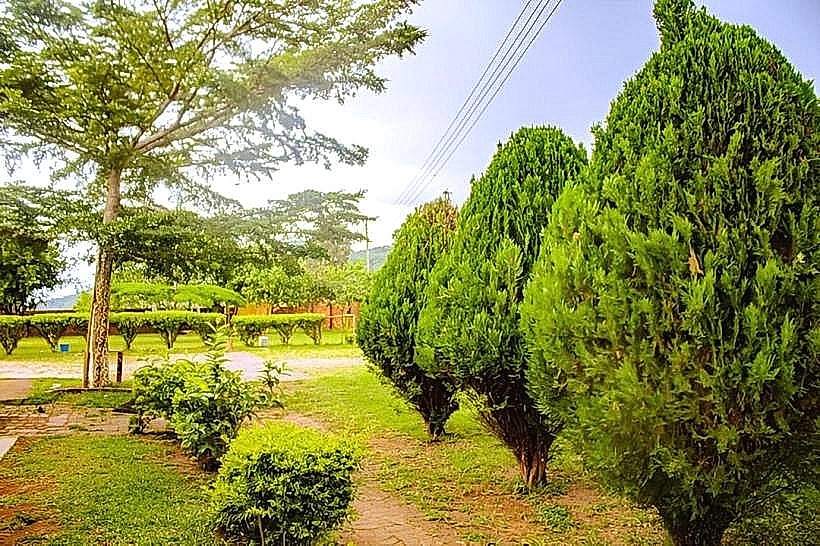
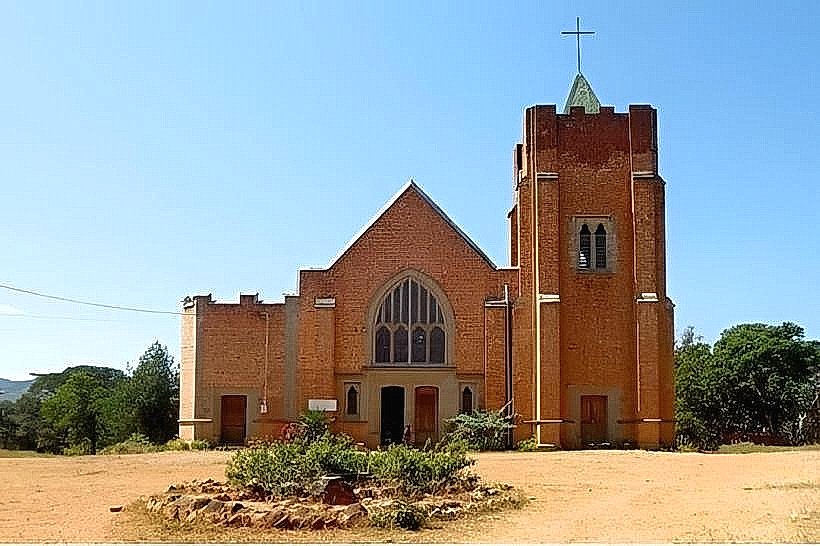
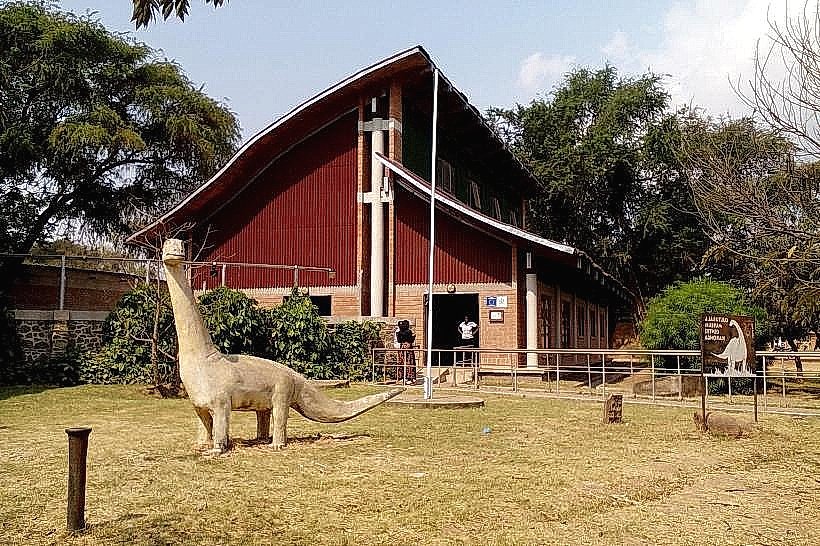
The landmark is a double-story residential structure built entirely of locally quarried red clay bricks, set upon a massive, hand-hewn granitic stone foundation. The architectural style reflects late 19th-century Scottish domestic design, featuring a symmetrical facade, high-arched sash windows, deep verandas, and a pitched corrugated iron roof. The interior is characterized by thick structural walls, polished native cedar floorboards, wide timber staircases, and high ceilings designed to regulate ambient temperatures. The immediate grounds consist of manicured montane grass lawns bordered by mature pine, eucalyptus, and cypress trees.
Location & Access Logistics
The museum is reached by ascending the steep, unpaved Gorodi Road from the paved M1 highway at Chitimba. This 15km mountain track consists of loose gravel, exposed bedrock, and 20 sharp hairpin turns, strictly requiring a high-clearance four-wheel-drive vehicle or a strenuous 4-to-5-hour uphill hike. Once on the plateau, the museum sits within the central campus green of the Livingstonia Mission. There are no formal public transport buses or minibuses servicing the escarpment; transport is restricted to occasional open-bed cargo trucks or local motorcycle taxis. Unpaved dirt clearings adjacent to the building serve as informal parking spaces.
Historical & Ecological Origin
The building was constructed between 1901 and 1903 under the direct supervision of Dr. Robert Laws, the pioneering Scottish missionary of the Free Church of Scotland. It was originally built as the permanent private residence for Dr. Laws and his family, serving as the administrative nerve center for the expanding Livingstonia Mission. In the late 20th century, the structure was converted into a public museum and regional archive to preserve the material culture of the northern lake region and the history of the mission. Ecologically, the site sits within a temperate Afromontane ecosystem that serves as a vital water catchment for the surrounding escarpment.
Key Highlights & Activities
Guided interior tours are conducted by curatorial staff through the preserved living quarters and exhibition rooms. Viewing the David Livingstone Journals & Letters Archive allows visitors to examine original hand-written correspondence, early geographical maps, and medical equipment from the late 19th century. The Missionary Photographic Collection features glass-plate photographs documenting early interaction between Scottish settlers and the Tumbuka and Ngoni peoples. Detailed architectural photography is permitted throughout the exterior grounds and on the upper-floor balconies, which provide panoramic views over the Rift Valley escarpment.
Infrastructure & Amenities
The museum possesses basic, historical infrastructure integrated with the wider mission network. Running water is supplied via a gravity-fed mountain spring system originally engineered in 1904. Basic public restrooms are available for visitors within the building complex, and simple guest rooms are maintained in an adjacent wing for overnight researchers. There are no modern commercial shops, restaurants, or fuel stations on the plateau, requiring visitors to rely on small community tuck shops for basic provisions. Cellular phone network coverage (4G) is functional but highly unstable, dropping completely during heavy weather or within the interior brick corridors.
Best Time to Visit
The optimal period for visiting is during the dry winter season from May to October, when the unpaved Gorodi Road is completely dry and safe for vehicle transit. The museum is open daily from 07:30 to 17:00. The mid-morning hours between 09:00 and 11:00 provide the best angled, natural lighting through the large sash windows for viewing the archival documents and indoor artifact cases without causing significant glare. The rainy season from November to April makes road access highly hazardous due to landslides and dense mountain fog.
Facts & Legends
A verified historical oddity of the structure is that it houses the original, fully functional dental chair and surgical tools used by Dr. Robert Laws, who was a trained medical doctor and performed complex surgeries on the plateau long before any formal hospital infrastructure existed in northern Malawi. A practical tip for visitors is to request the curator to show the historical markings on the original wooden rafters in the attic, which contain shipping stamps from Glasgow, indicating how every structural iron bolt and roofing sheet had to be carried by hand up the steep escarpment by local porters before the road was cut.
Nearby Landmarks
Overtoun Blantyre Church – 0.3km West
Livingstonia Technical College – 0.5km Southwest
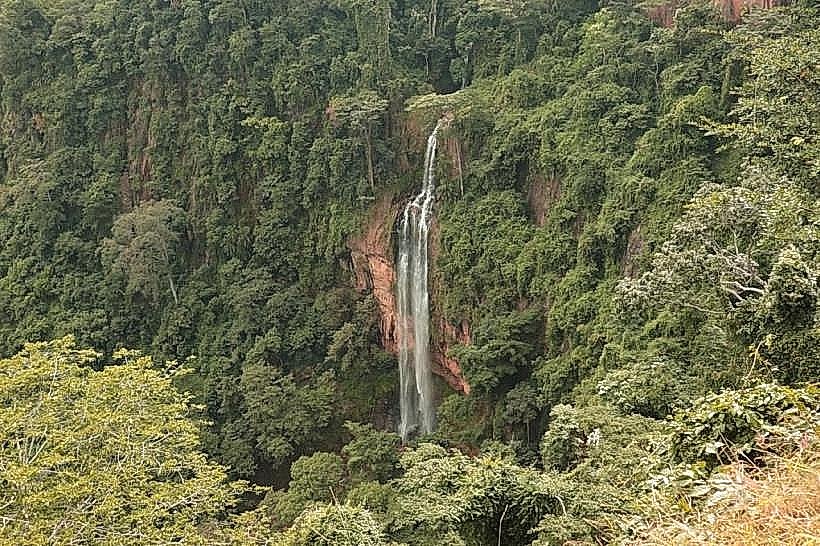
Manchewe Falls – 4.0km East
The Mushroom Farm Eco-Lodge – 4.6km East
Chombe Plateau Crest – 5.4km North